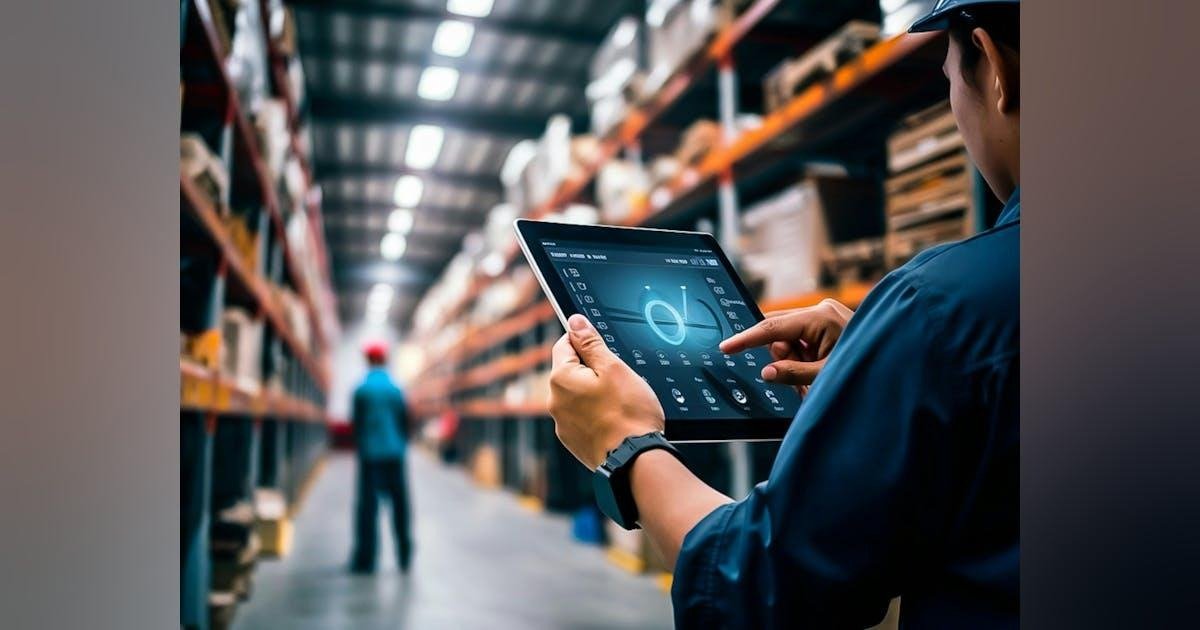
Artificial Intelligence (AI) is no longer a futuristic concept in manufacturing it’s actively reshaping how factories operate, make decisions, and compete. From reducing downtime to improving product quality, AI is becoming a core driver of efficiency, agility, and innovation across the manufacturing ecosystem.
Why AI Matters in Manufacturing Today
Manufacturers face constant pressure to:
- Reduce costs
- Improve quality
- Increase productivity
- Handle supply chain uncertainty
AI addresses these challenges by turning data into actionable intelligence, enabling smarter and faster decisions on the shop floor and beyond.
1. Smart Maintenance: Predicting Failures Before They Happen
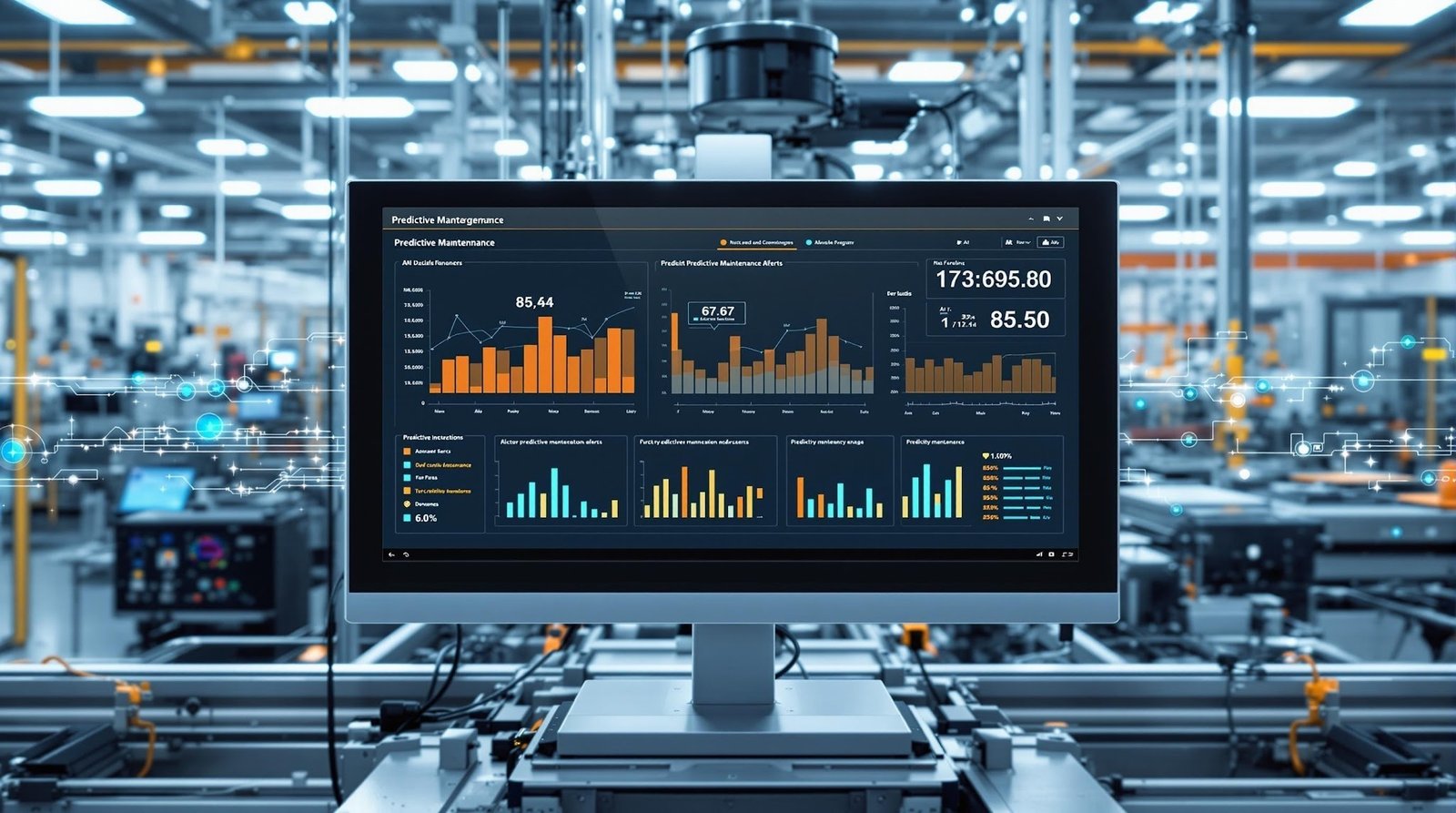
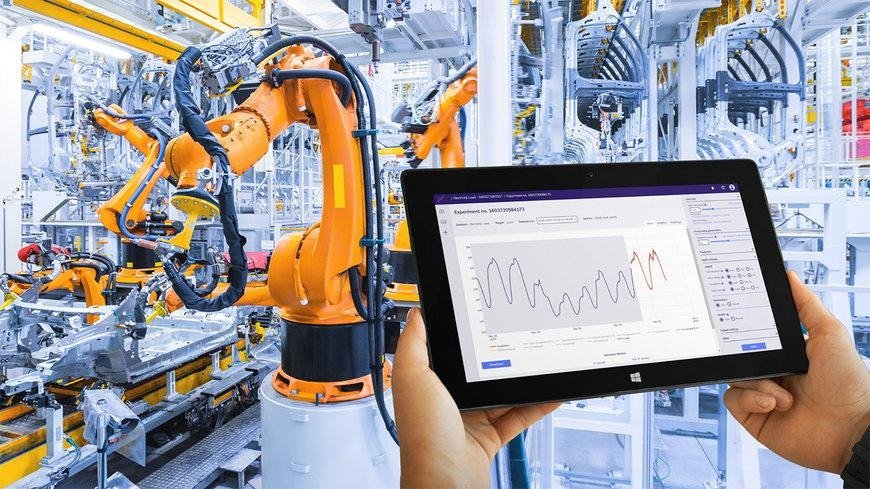
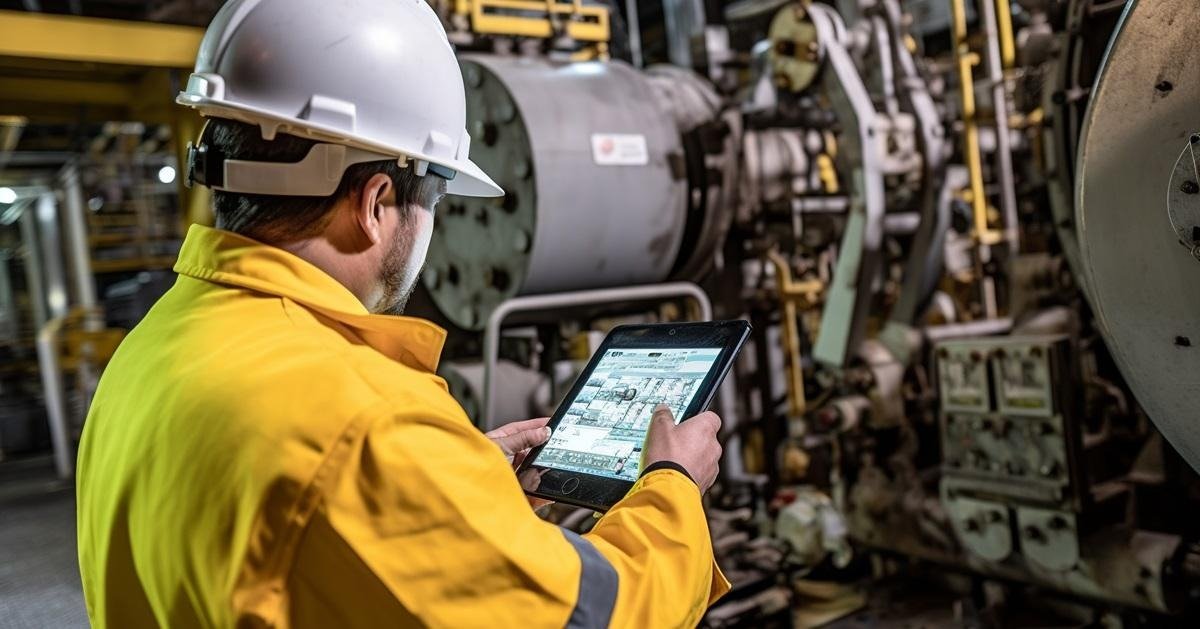
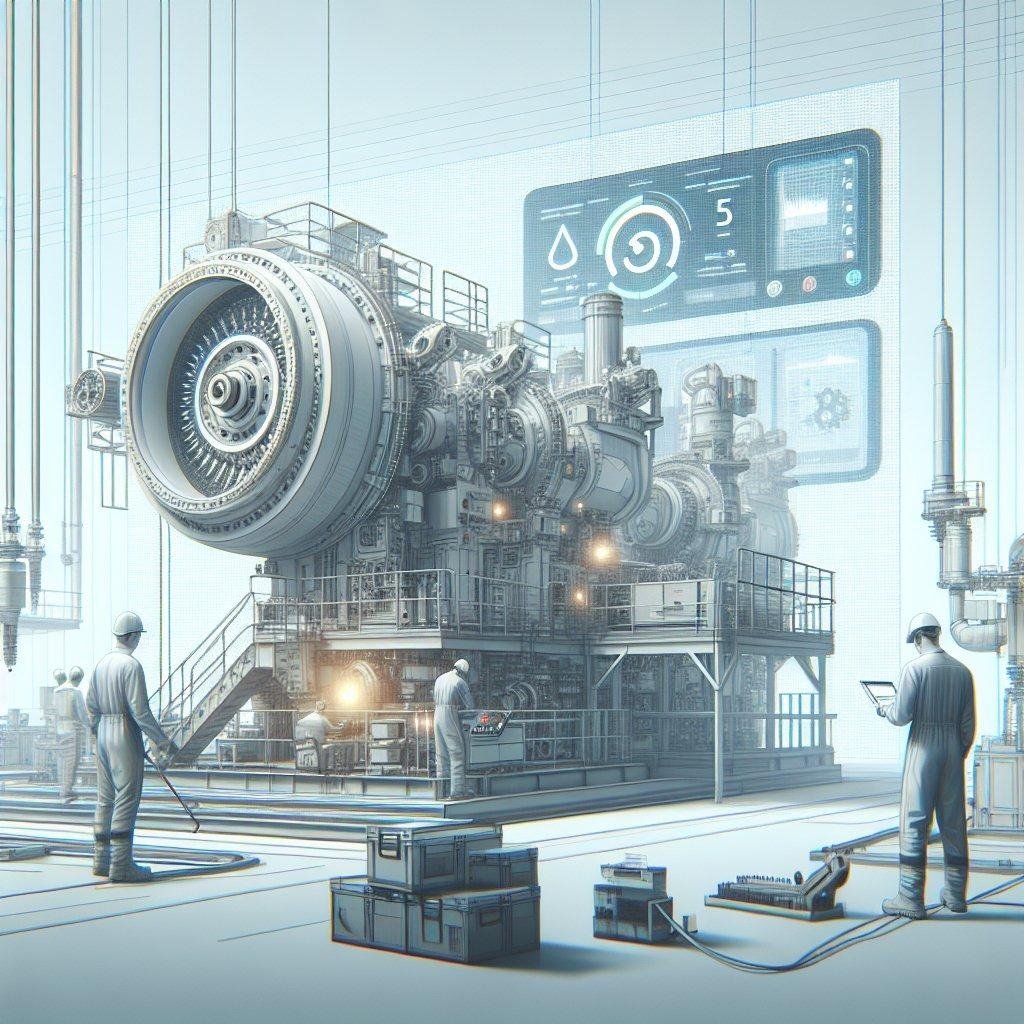
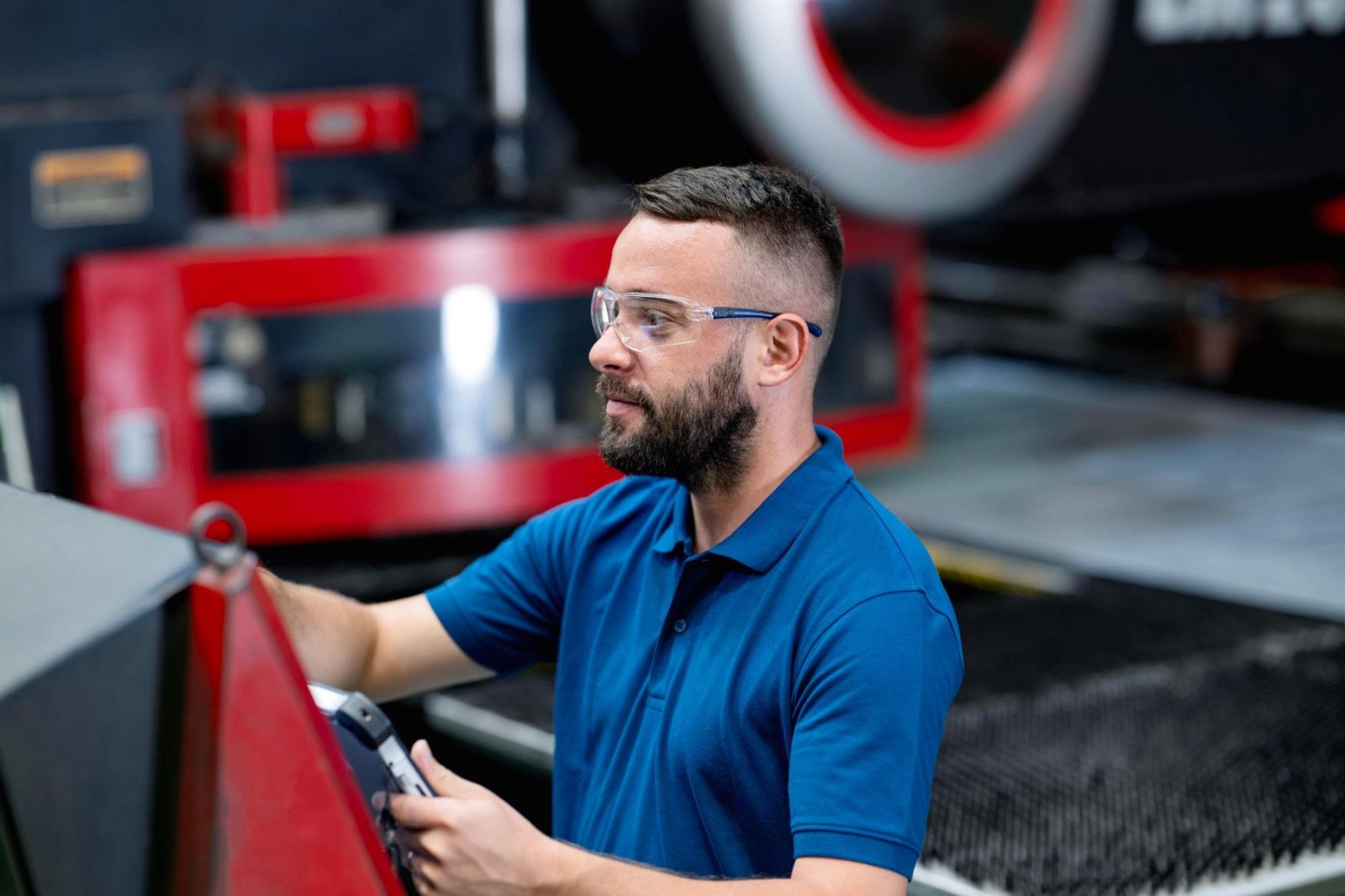
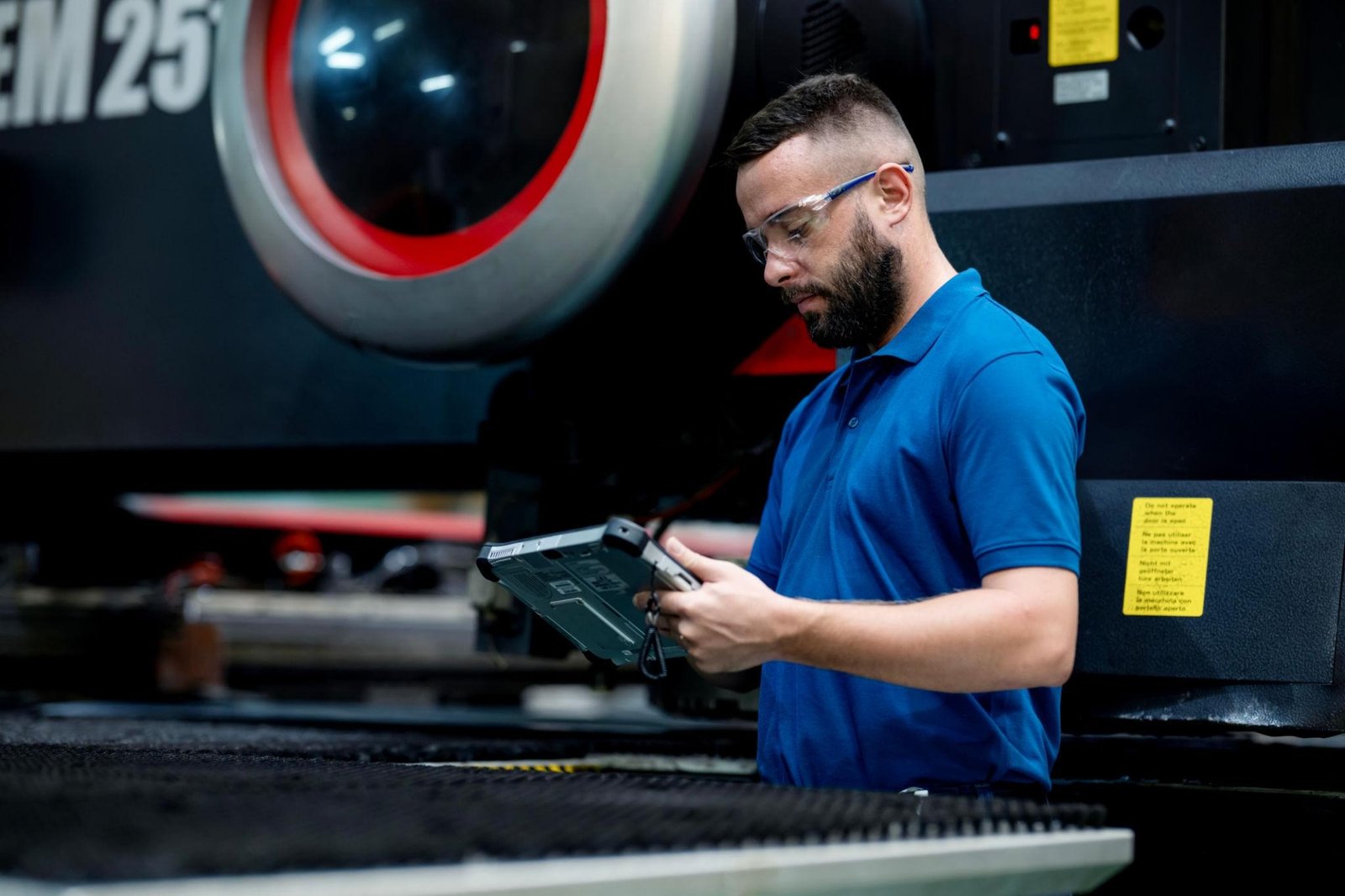
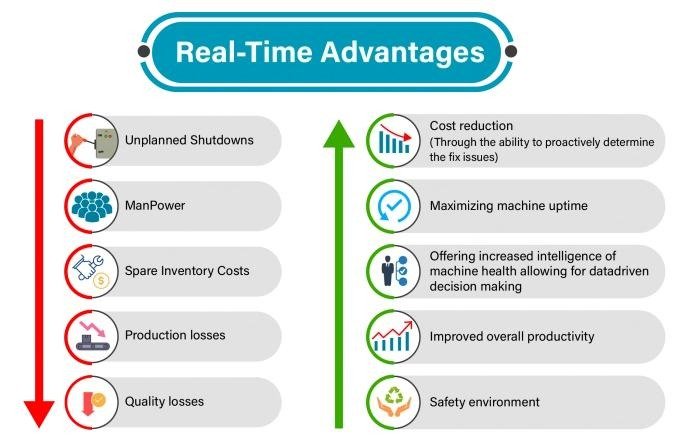
Traditional maintenance is either reactive (fix after failure) or scheduled (fix regardless of condition). AI introduces predictive maintenance, where:
- Sensors collect real-time machine data
- AI models detect patterns and anomalies
- Failures are predicted before they occur
Result:
- Reduced downtime
- Lower maintenance costs
- Increased equipment lifespan
2. Quality & Inspection: Zero-Defect Manufacturing
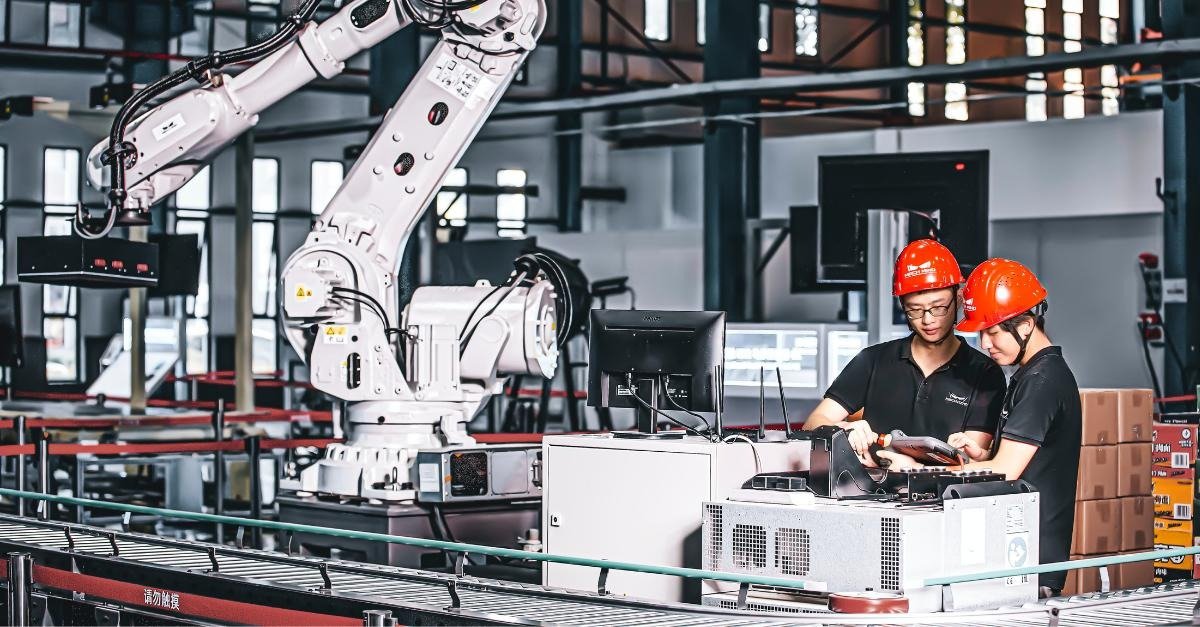
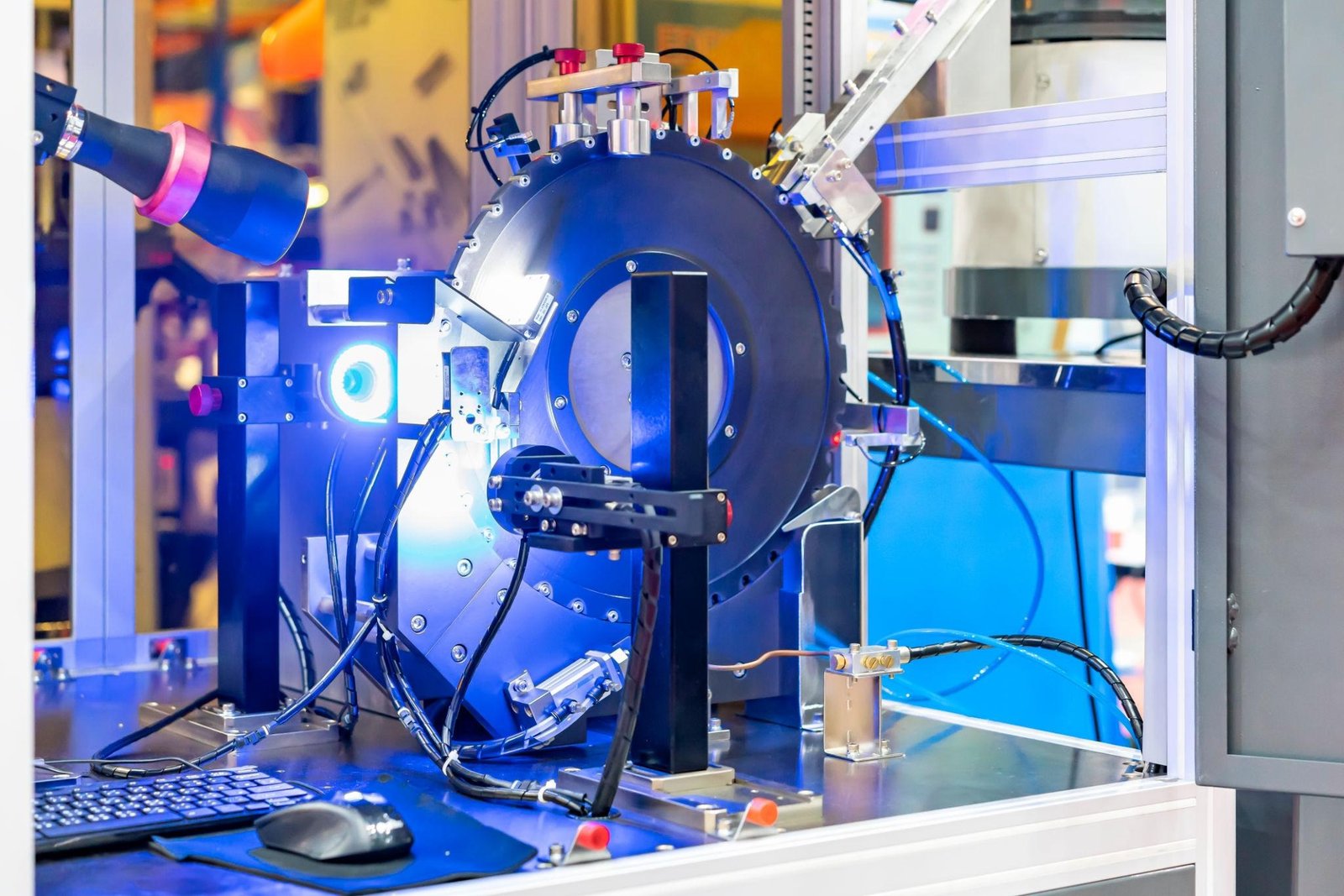
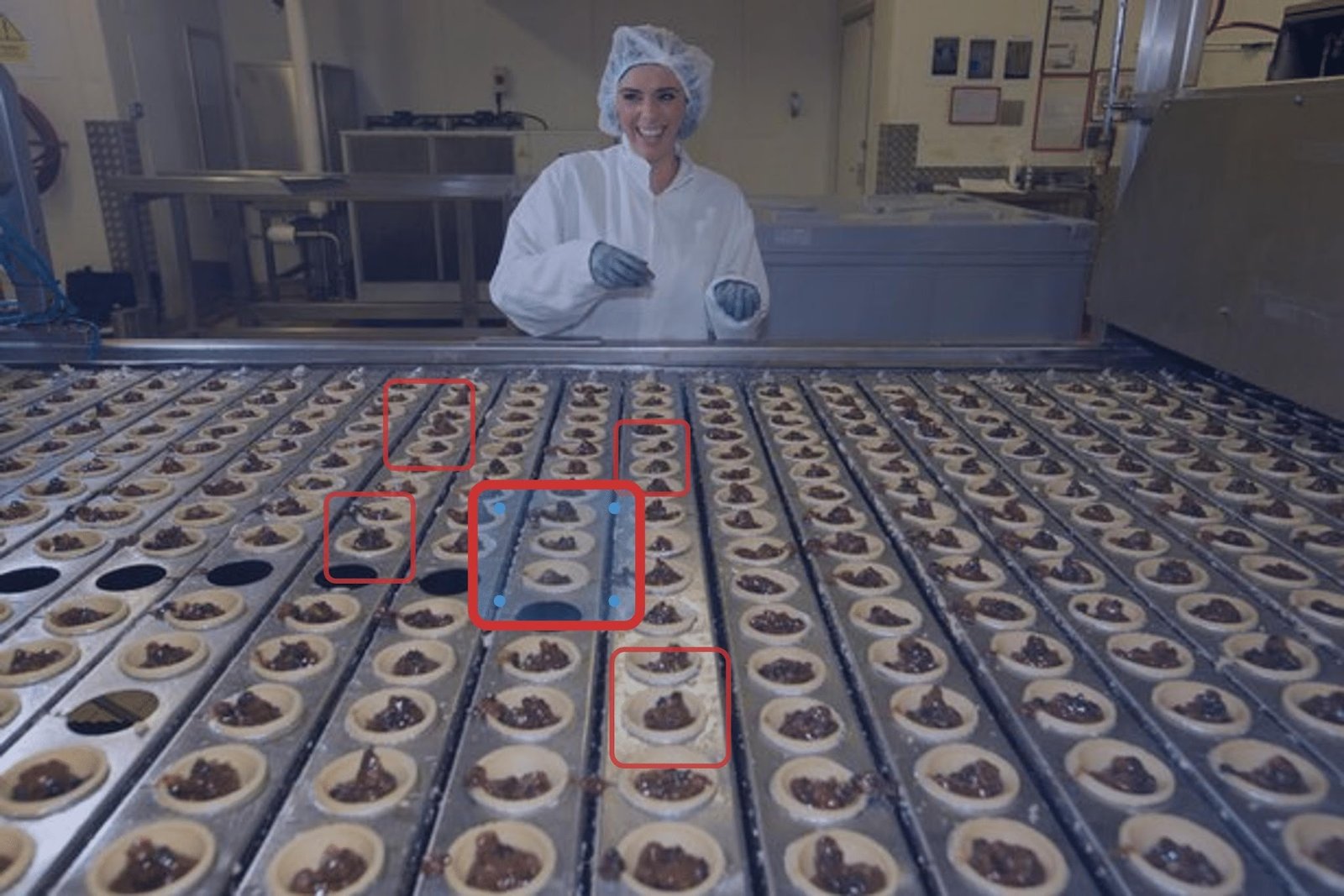
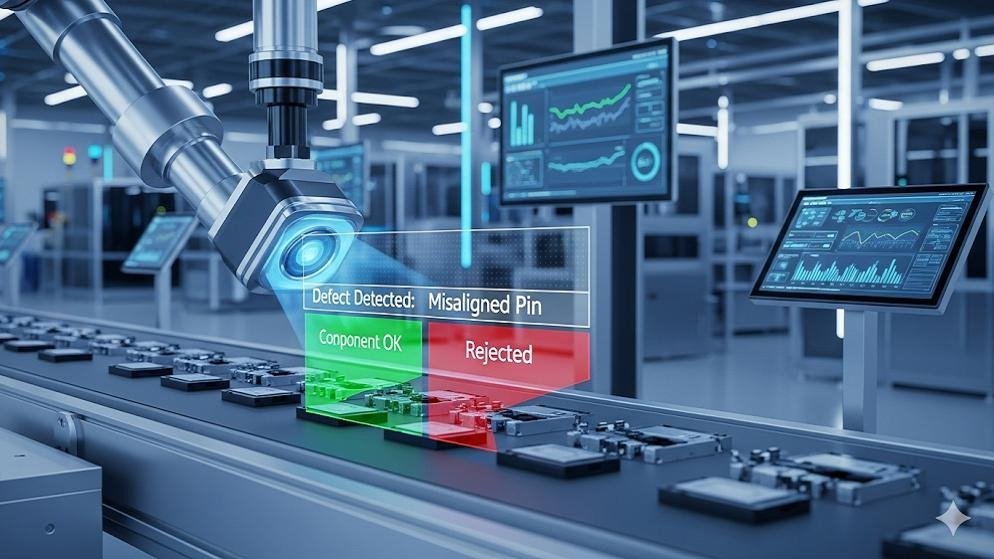
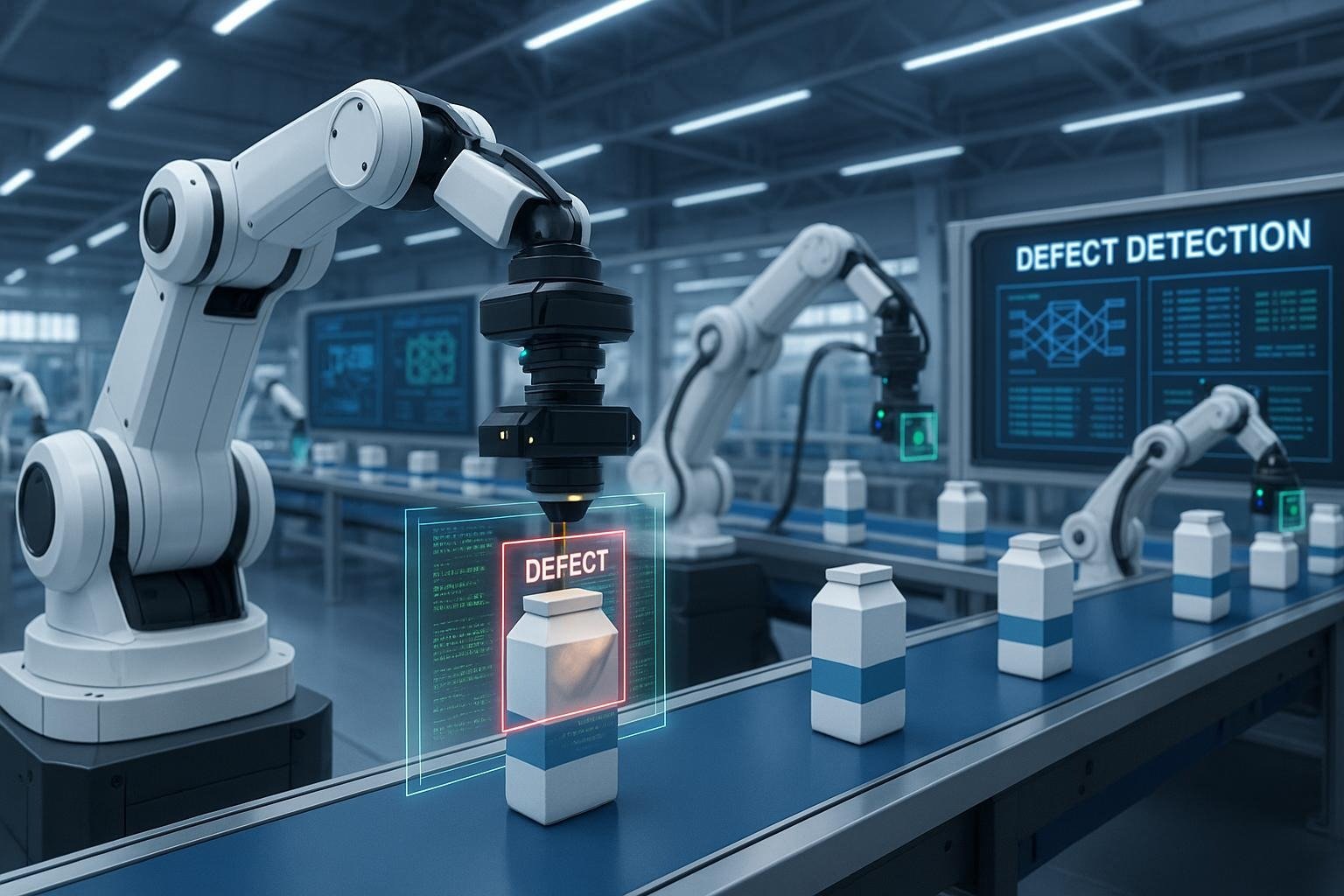
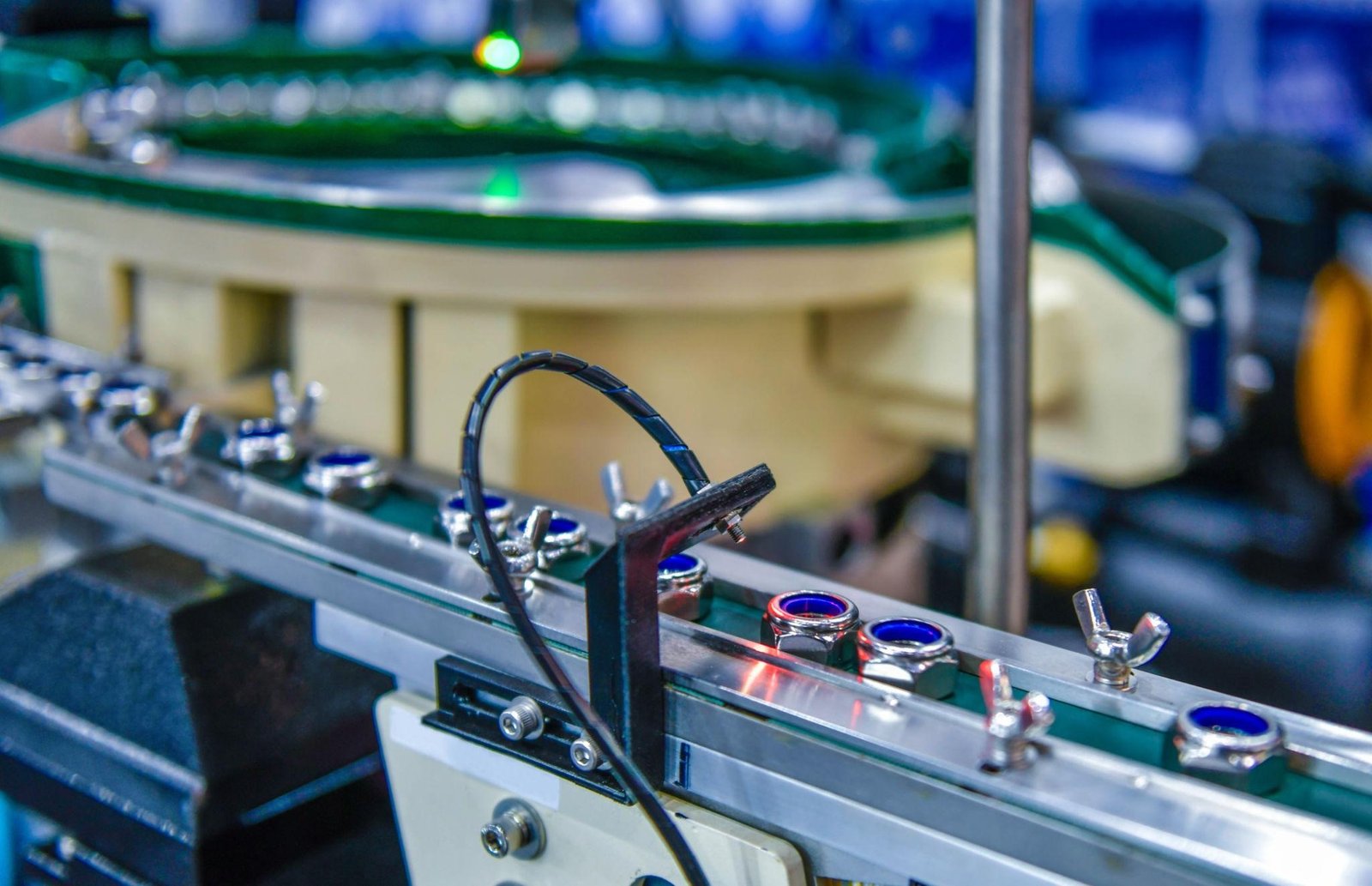
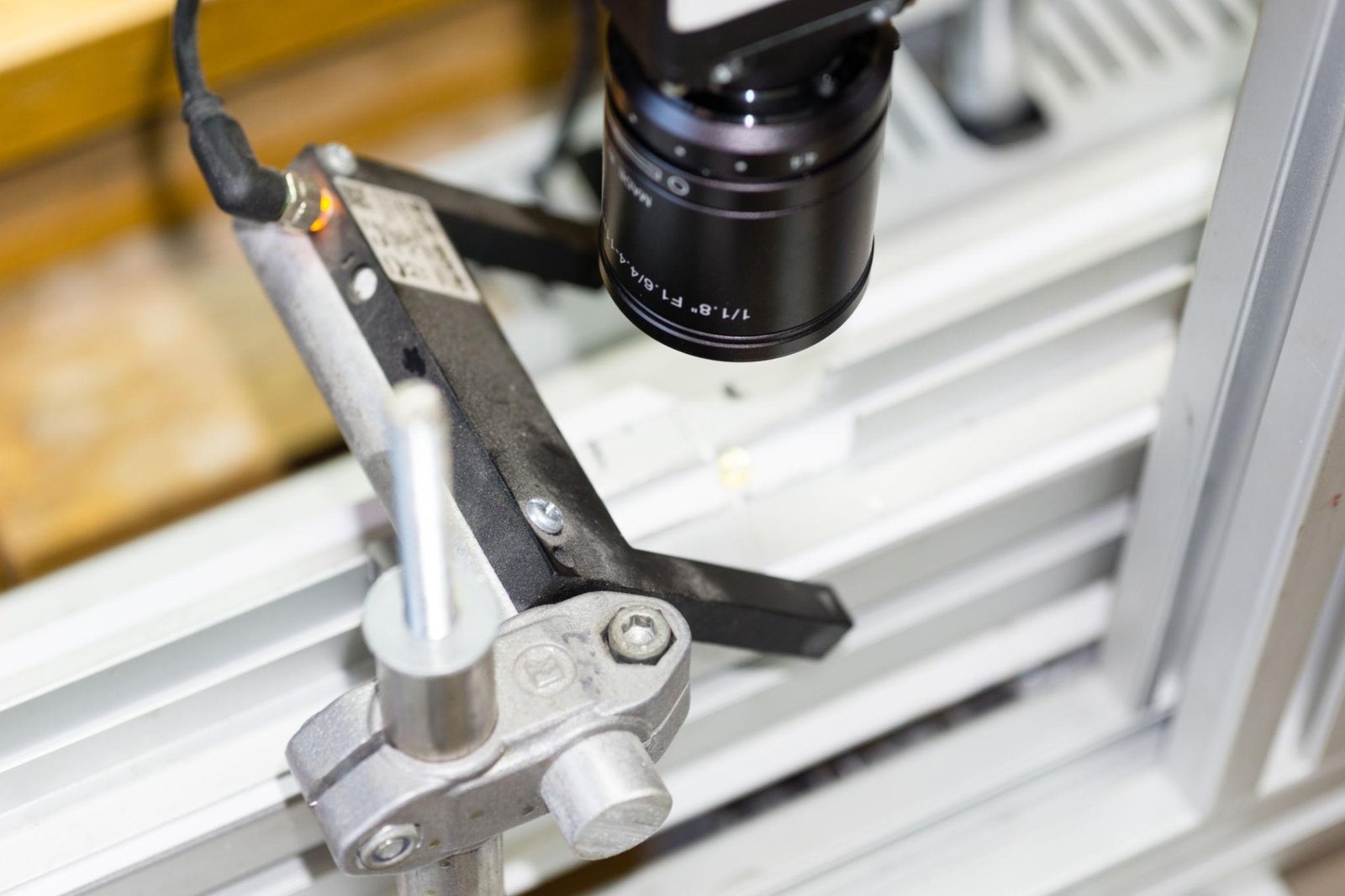
AI-powered computer vision systems can inspect products faster and more accurately than humans.
- Detect micro-defects in real time
- Ensure consistency across batches
- Reduce human error
Result:
- Higher product quality
- Reduced rework and scrap
- Faster inspection cycles
3. Production Optimization: Smarter, Faster Operations
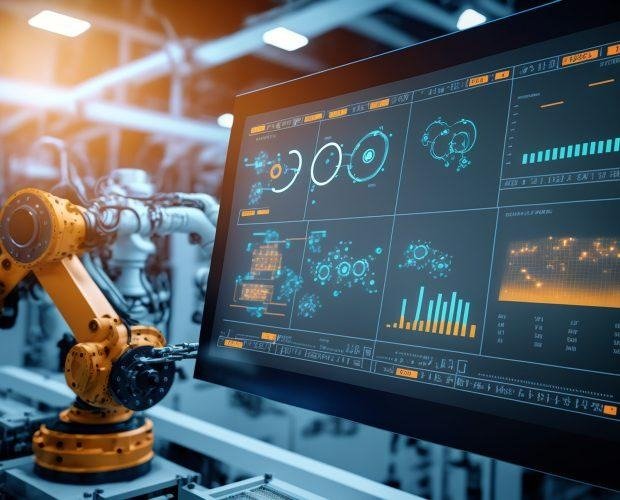
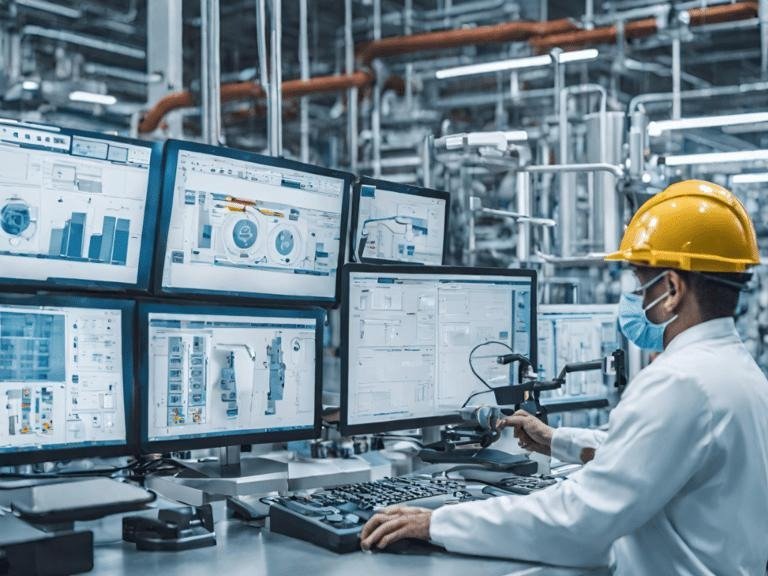
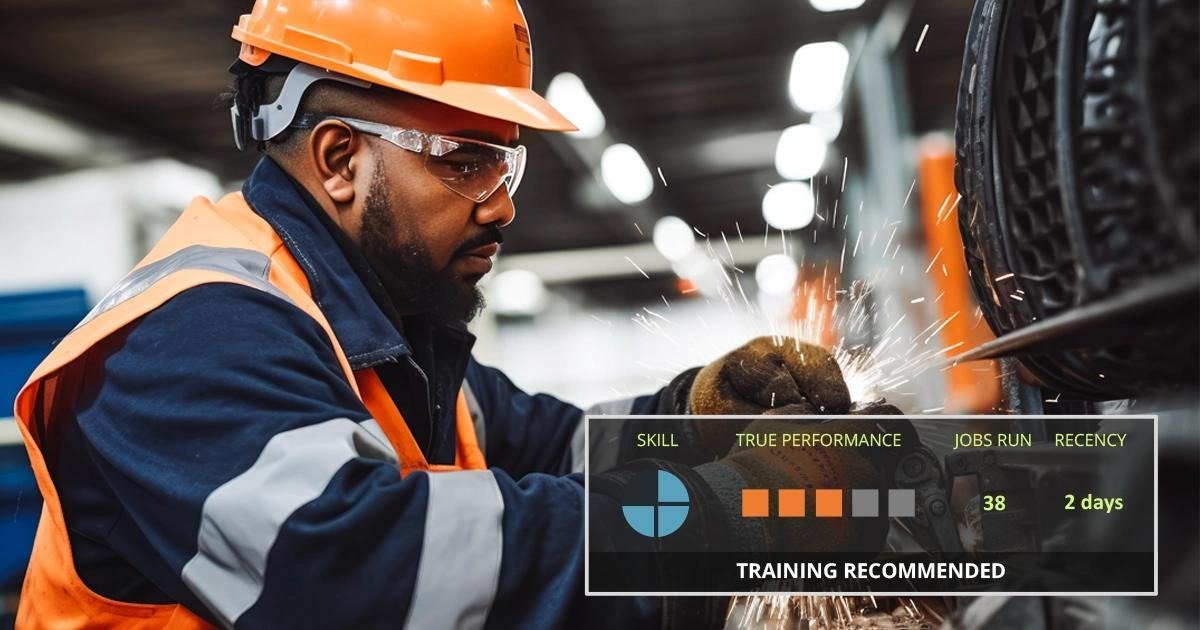
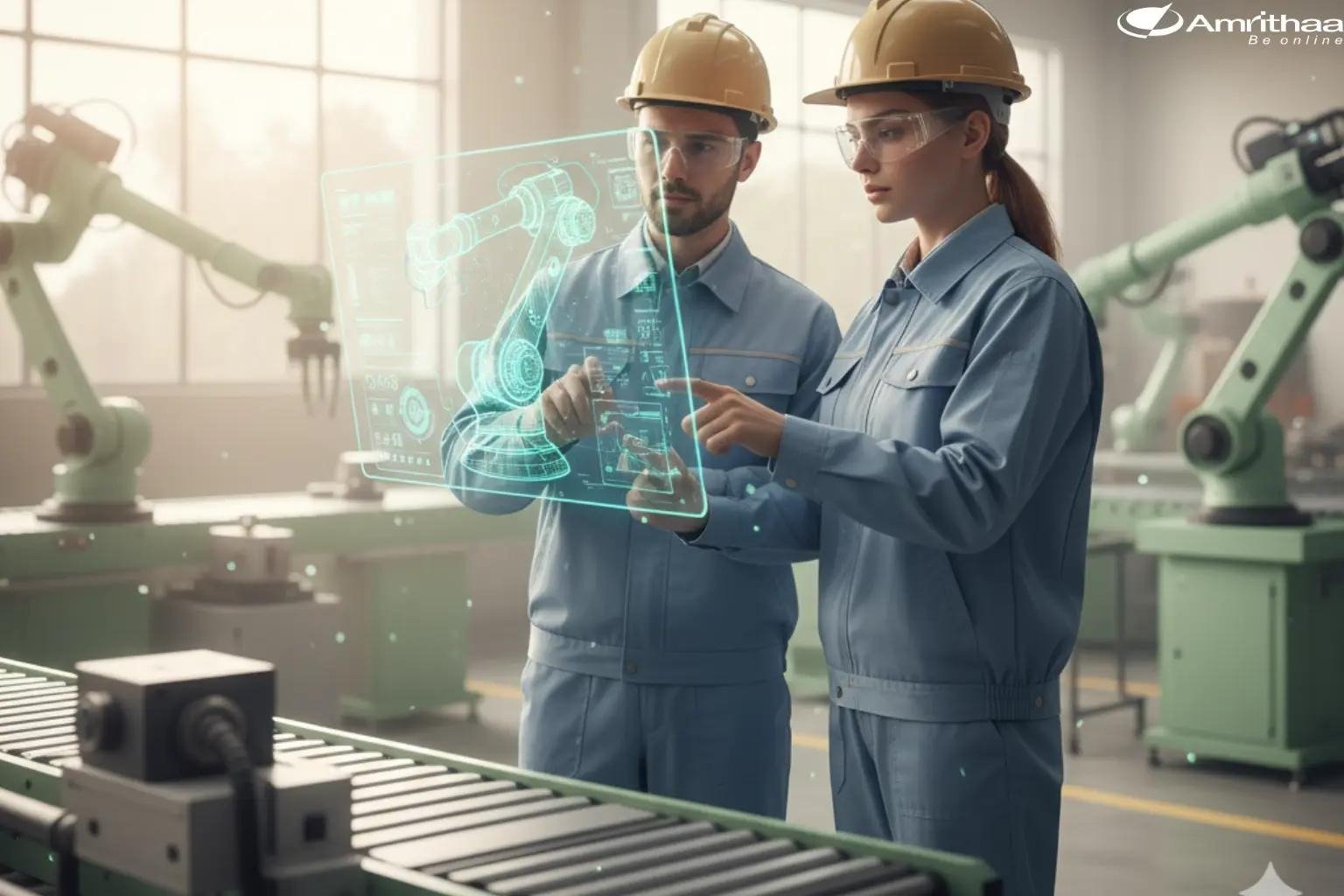
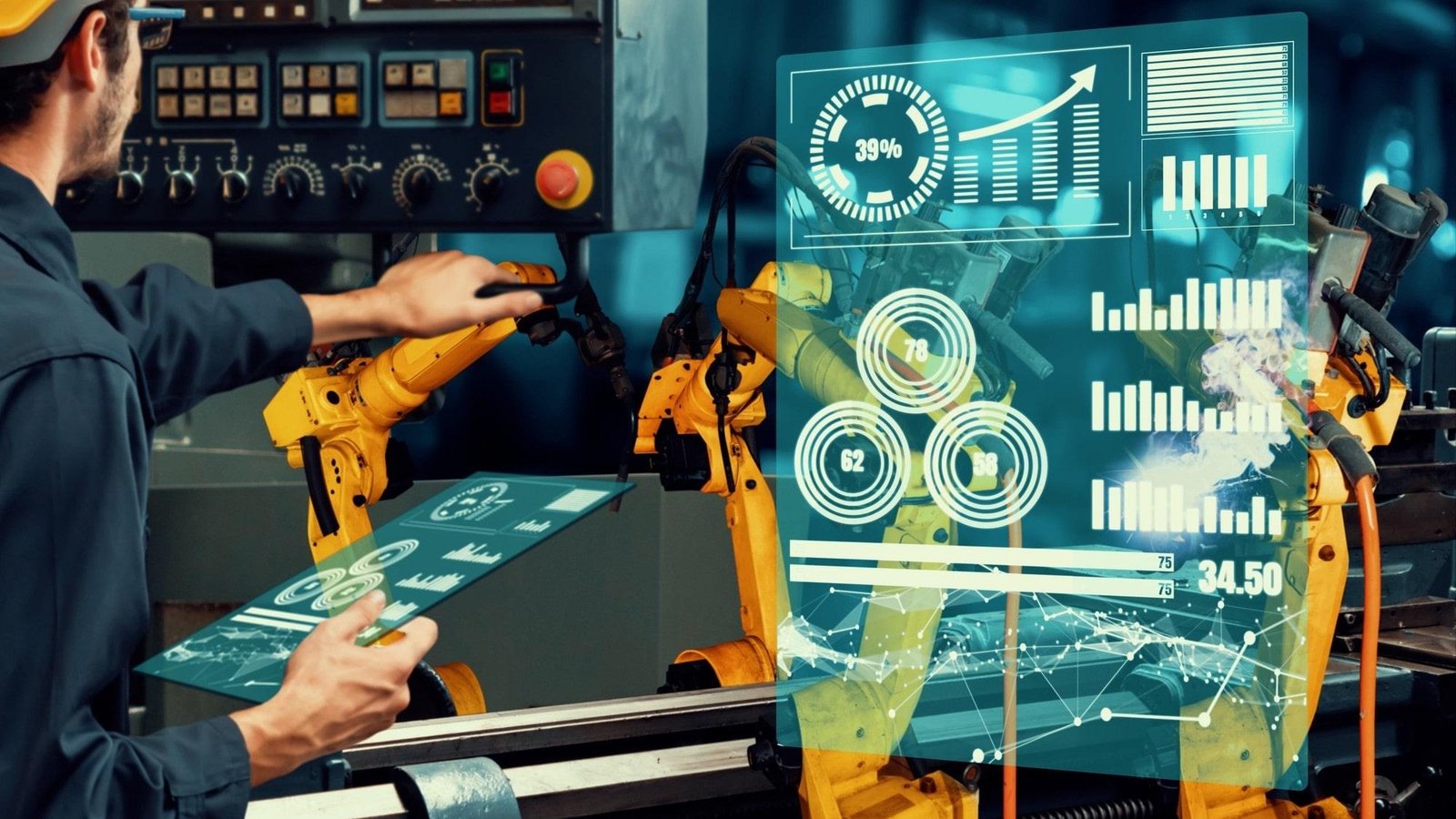
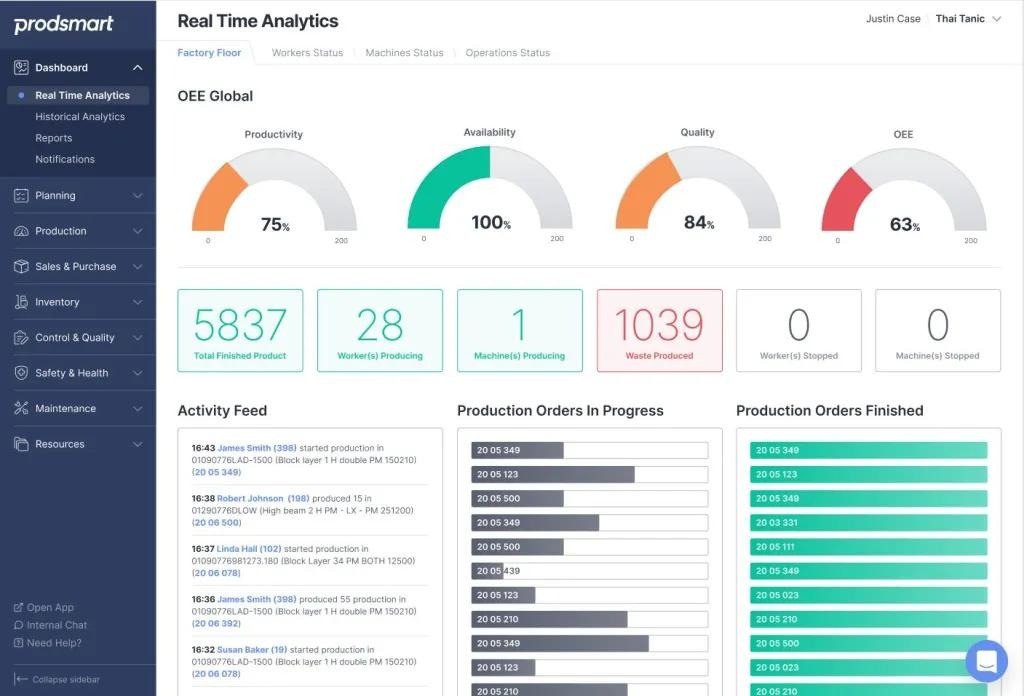
AI analyzes production data to optimize:
- Machine utilization
- Production schedules
- Workflow bottlenecks
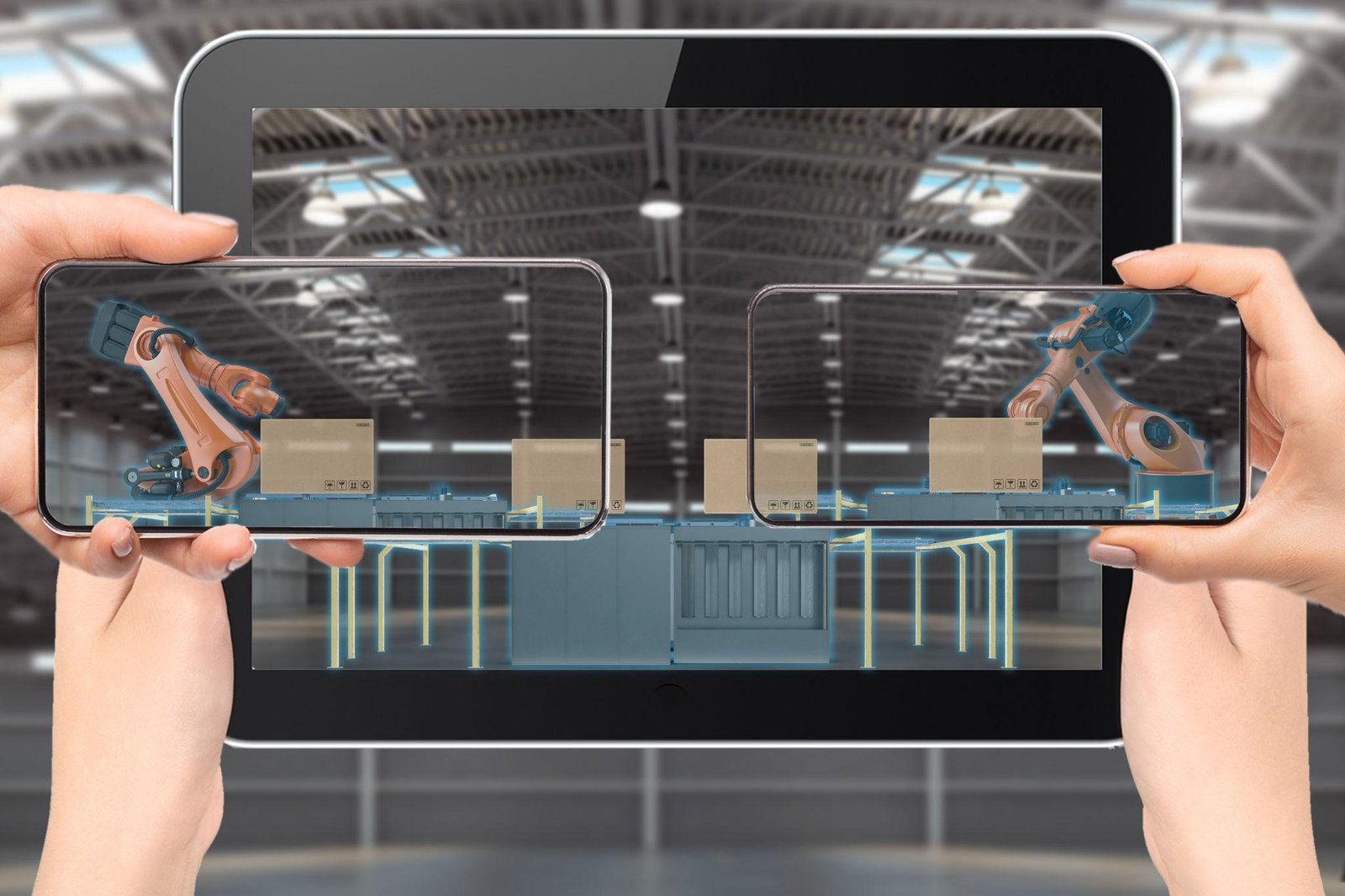
Advanced setups even use digital twins—virtual replicas of factories—to simulate and improve operations.
Result:
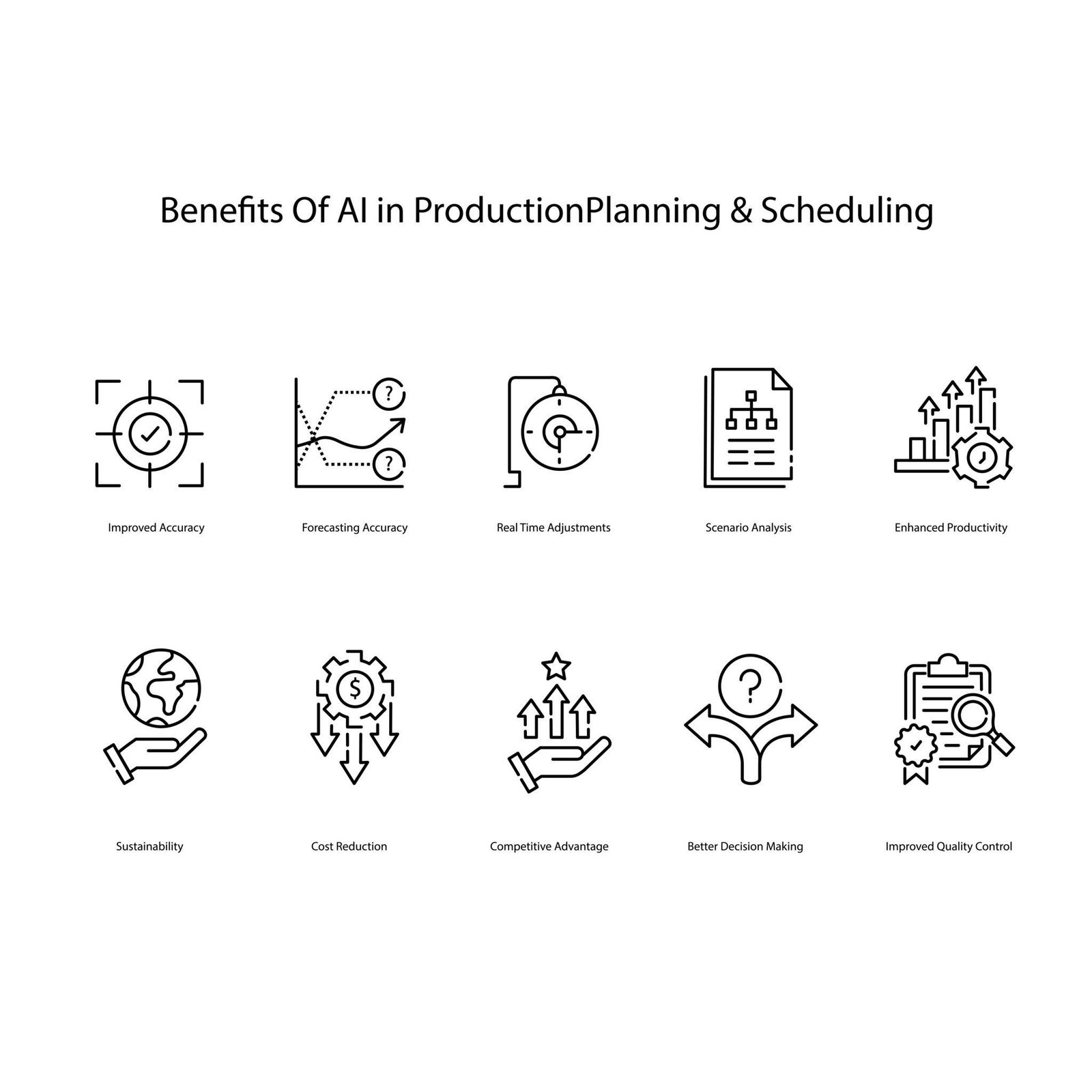
- Increased throughput
- Reduced waste
- Better decision-making
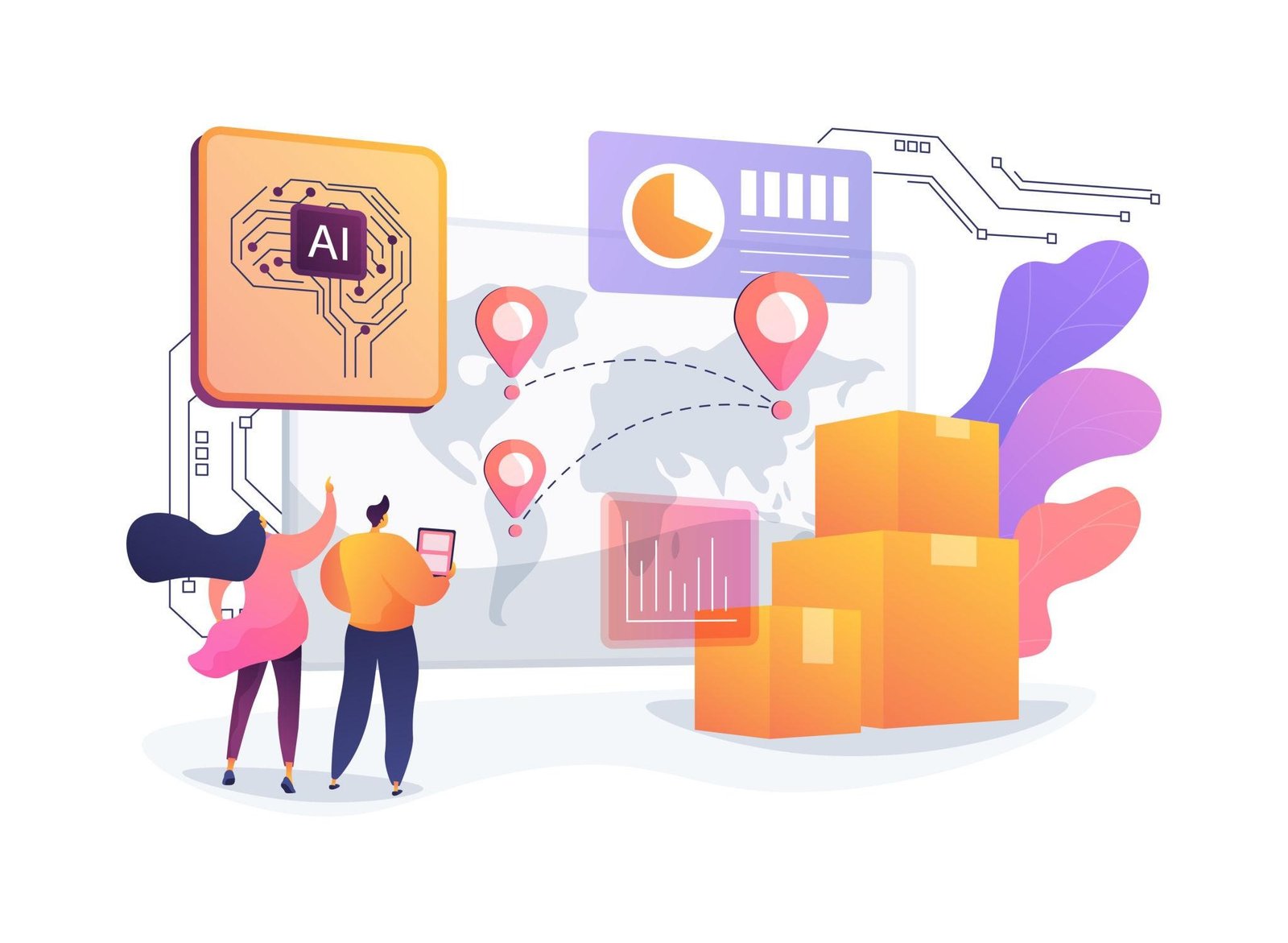
4. Supply Chain & Planning: From Reactive to Predictive
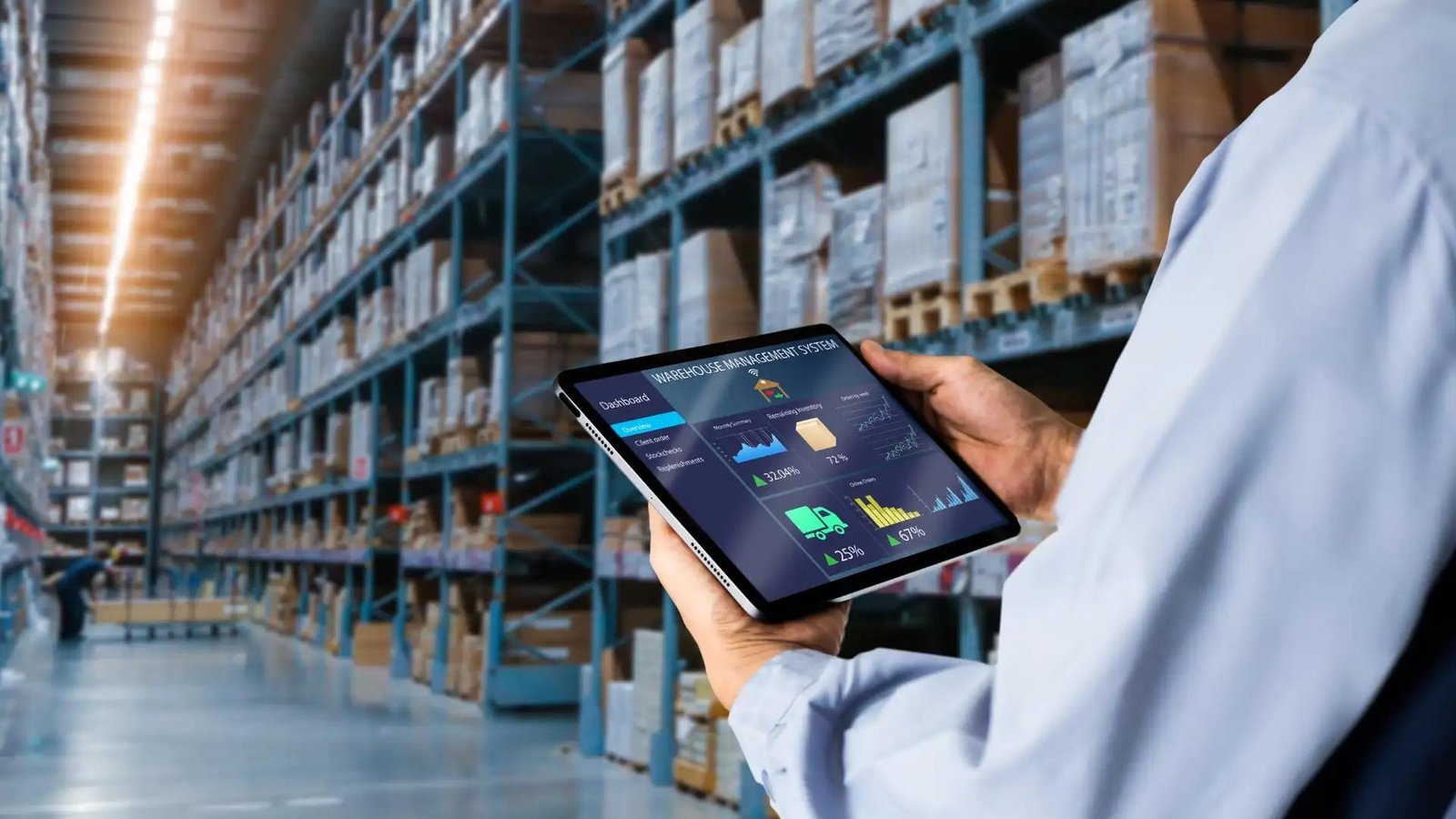
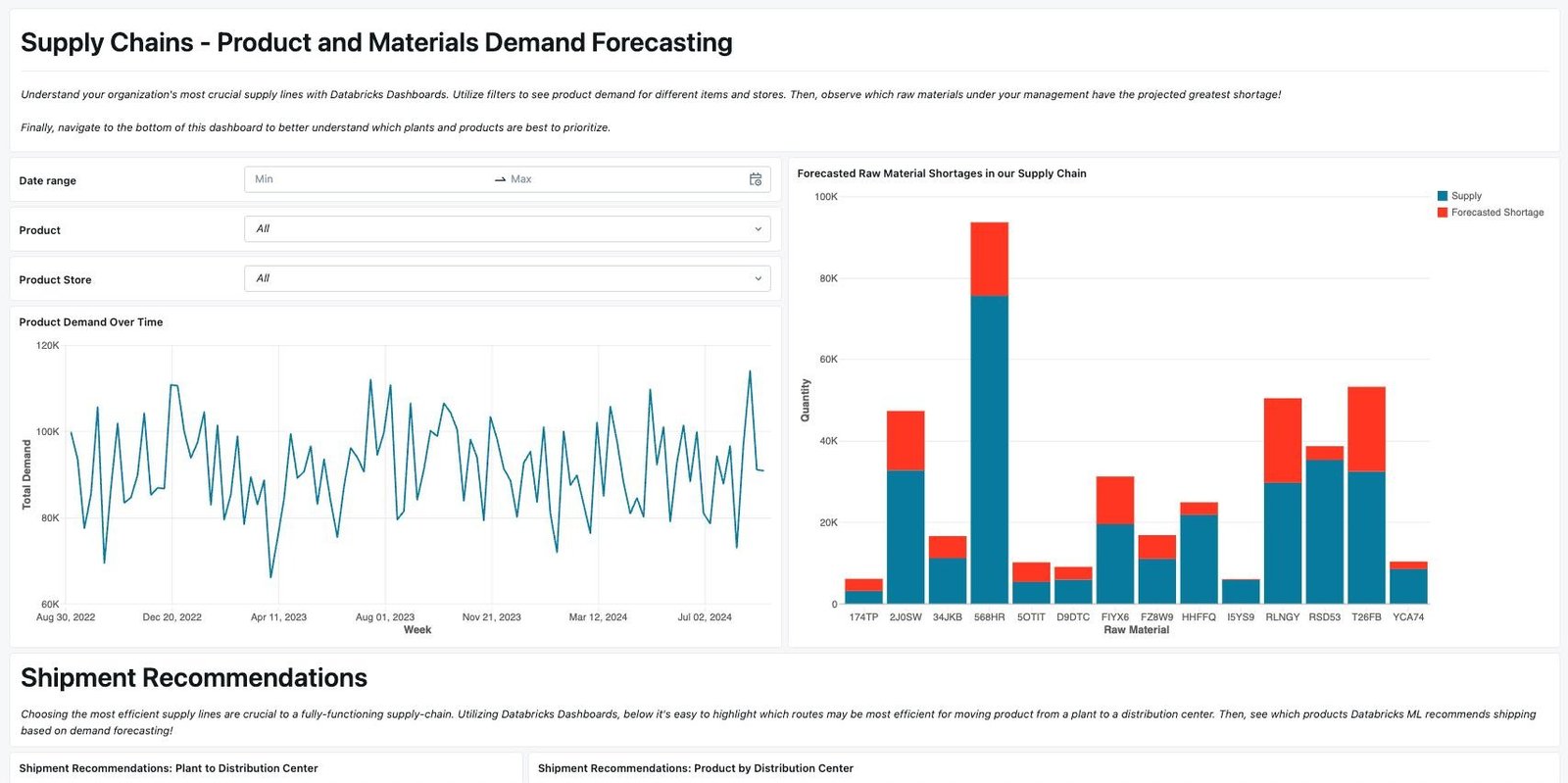
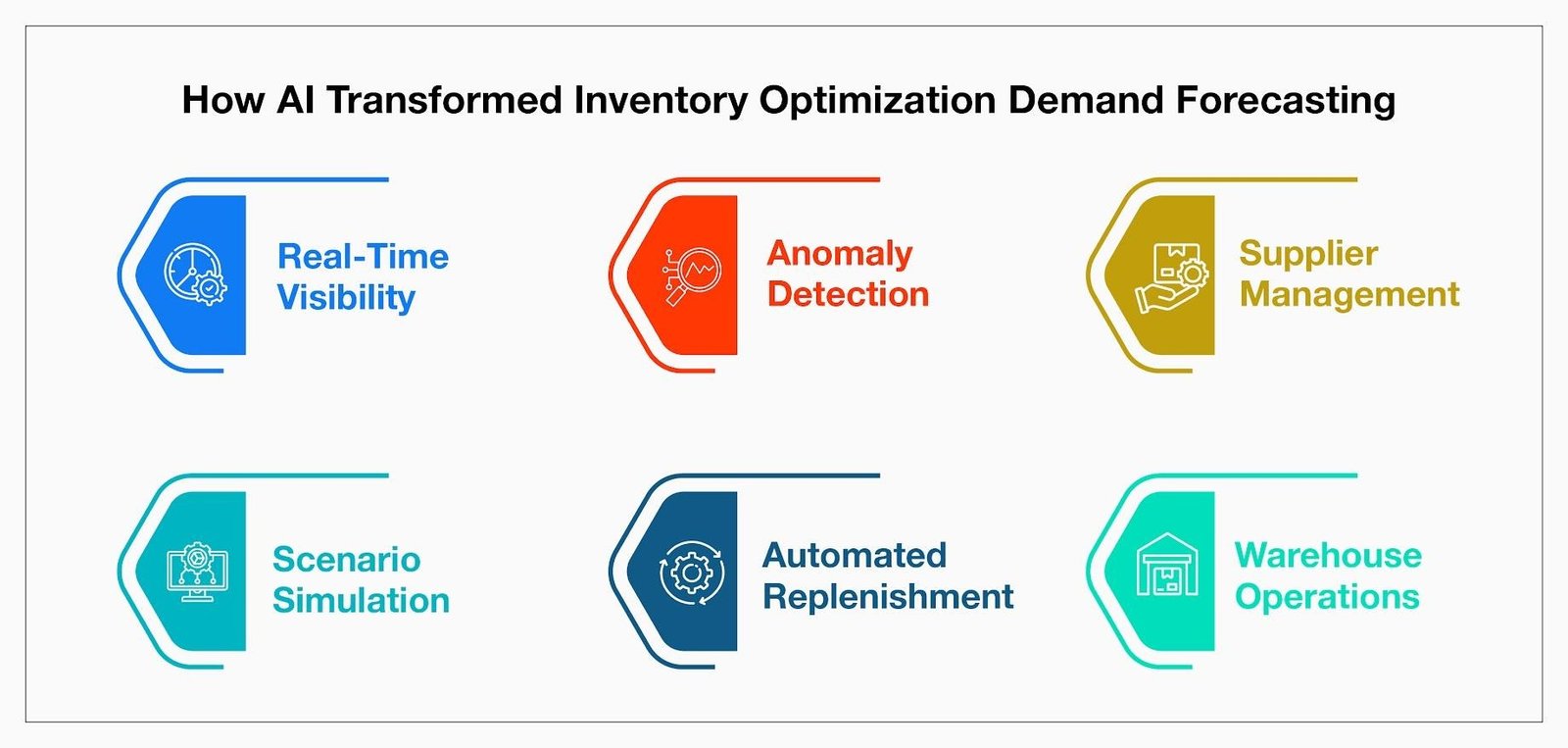

AI helps manufacturers navigate uncertainty by:
- Forecasting demand more accurately
- Optimizing inventory levels
- Predicting supply disruptions
Result:
- Reduced stockouts and overstock
- Improved planning accuracy
- Stronger supply chain resilience
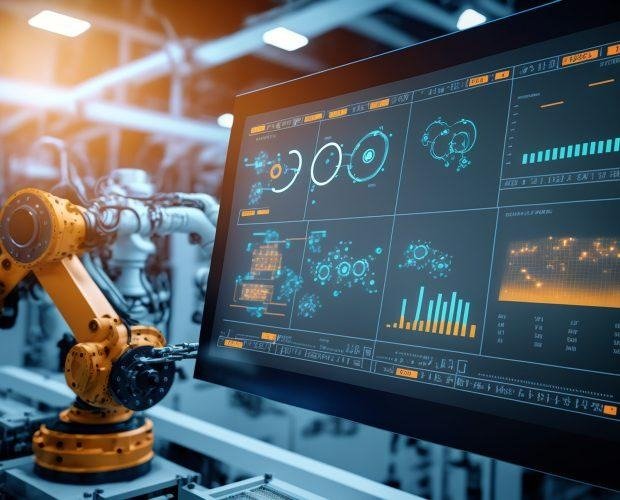
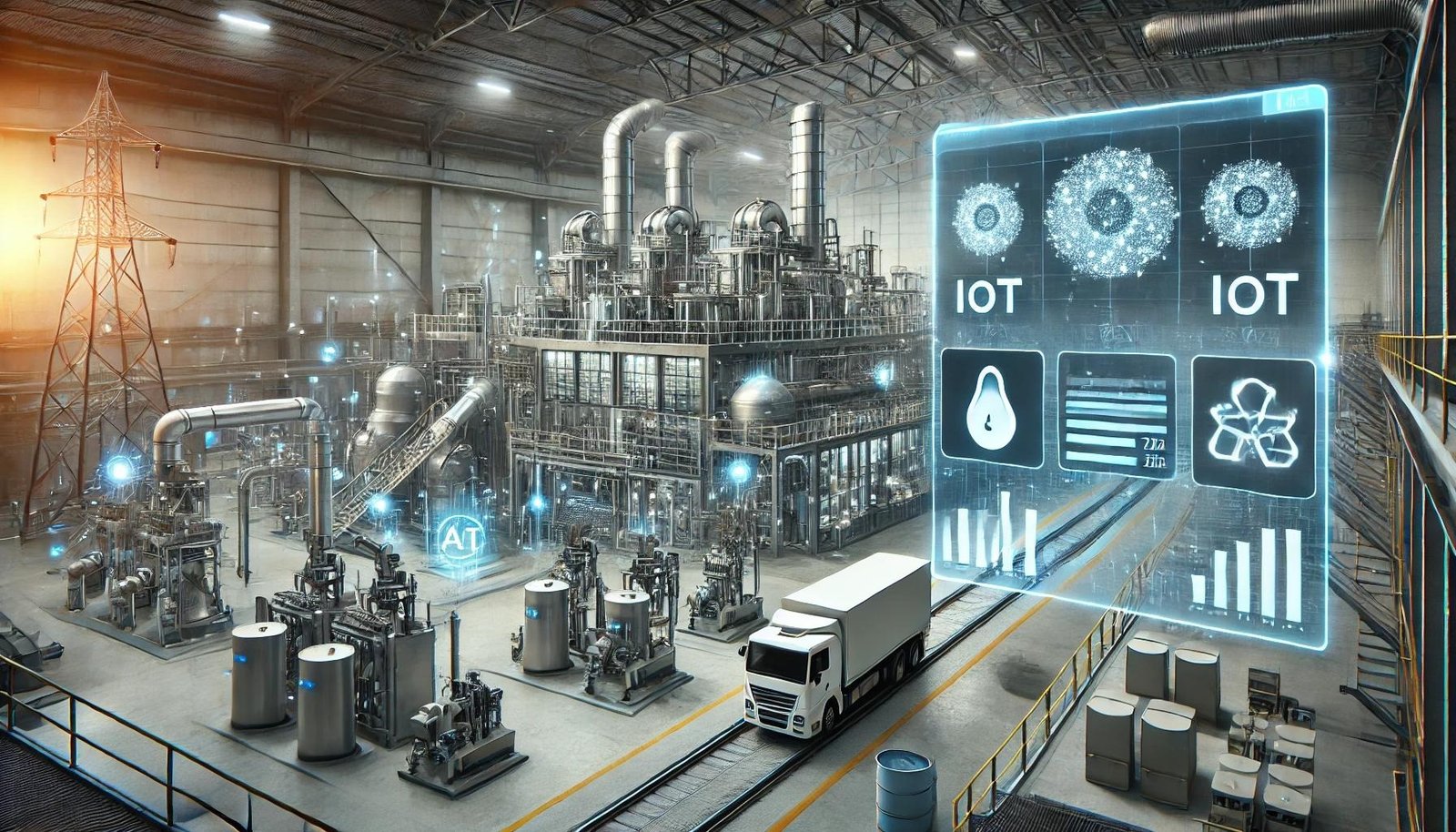
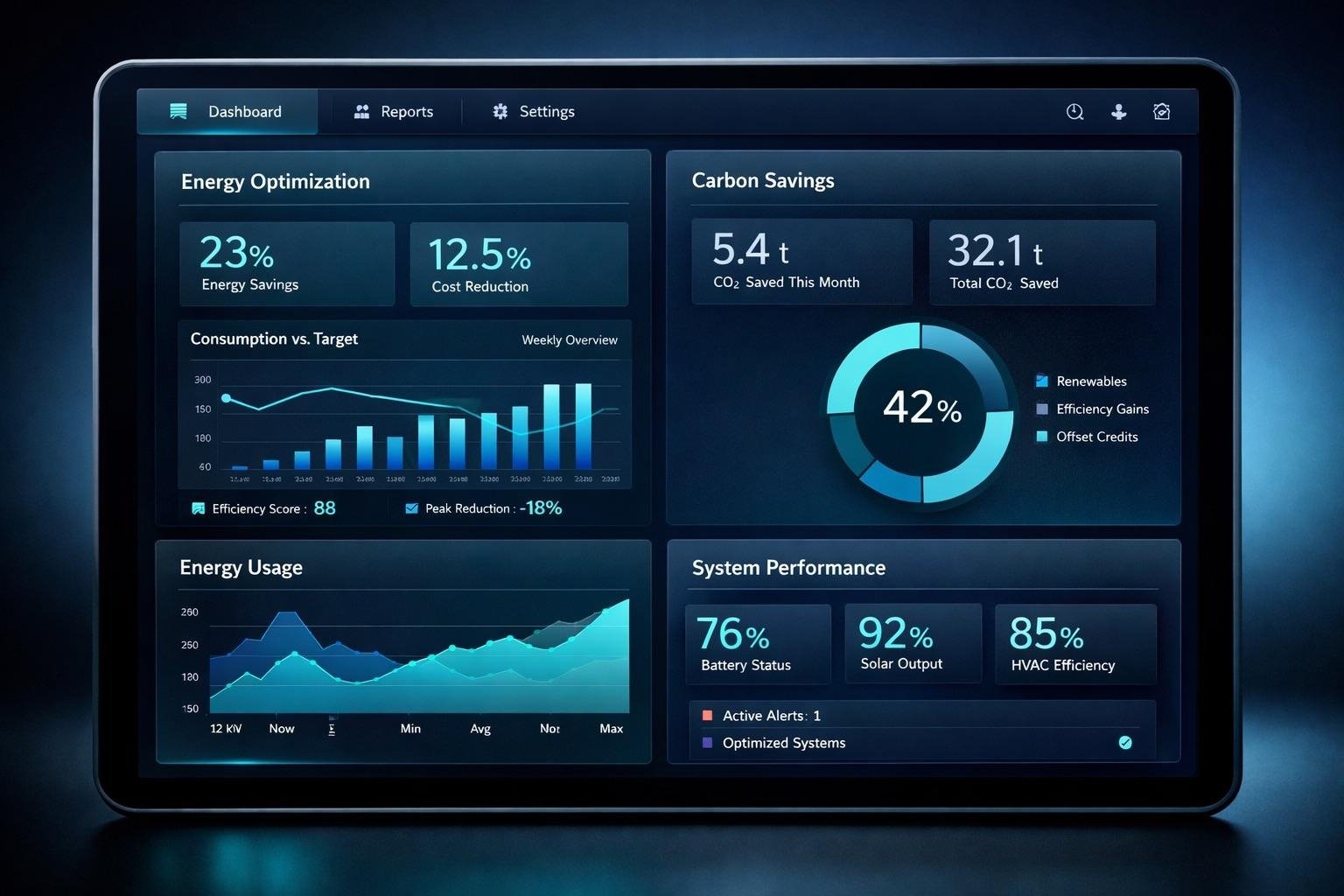
5. Energy & Sustainability: Smarter Resource Usage

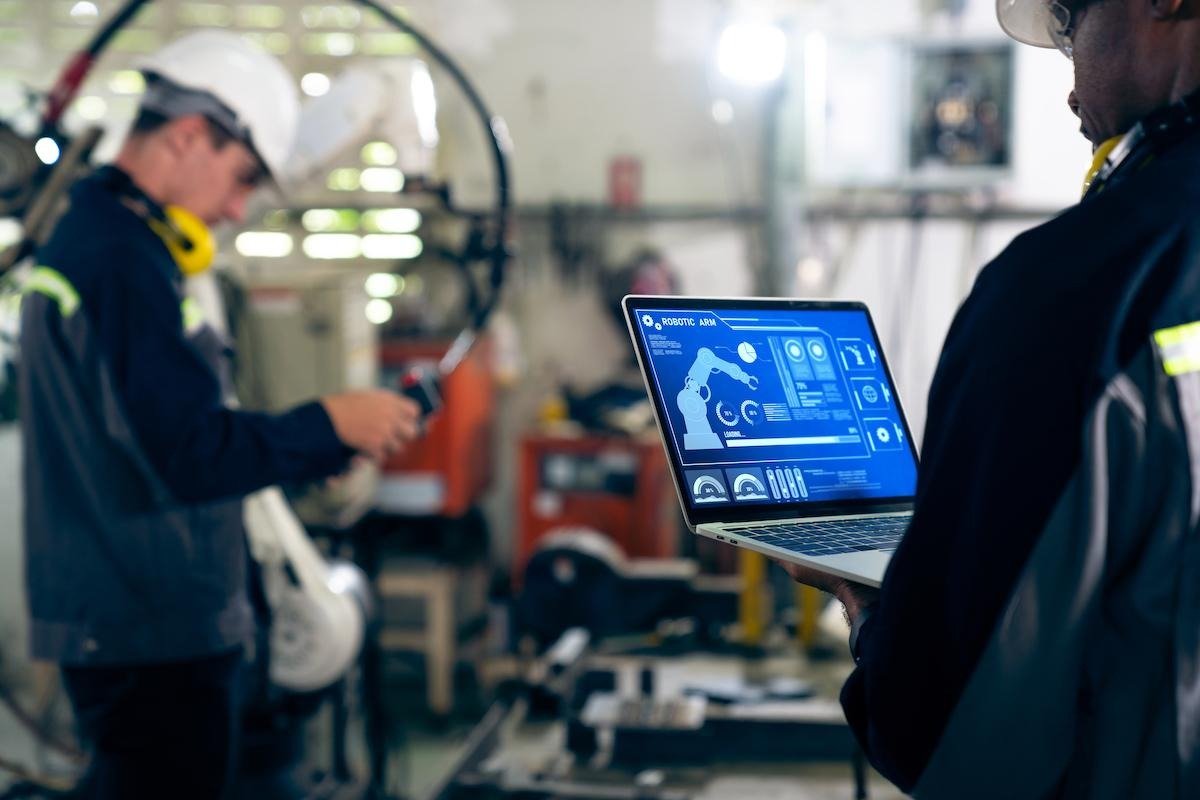
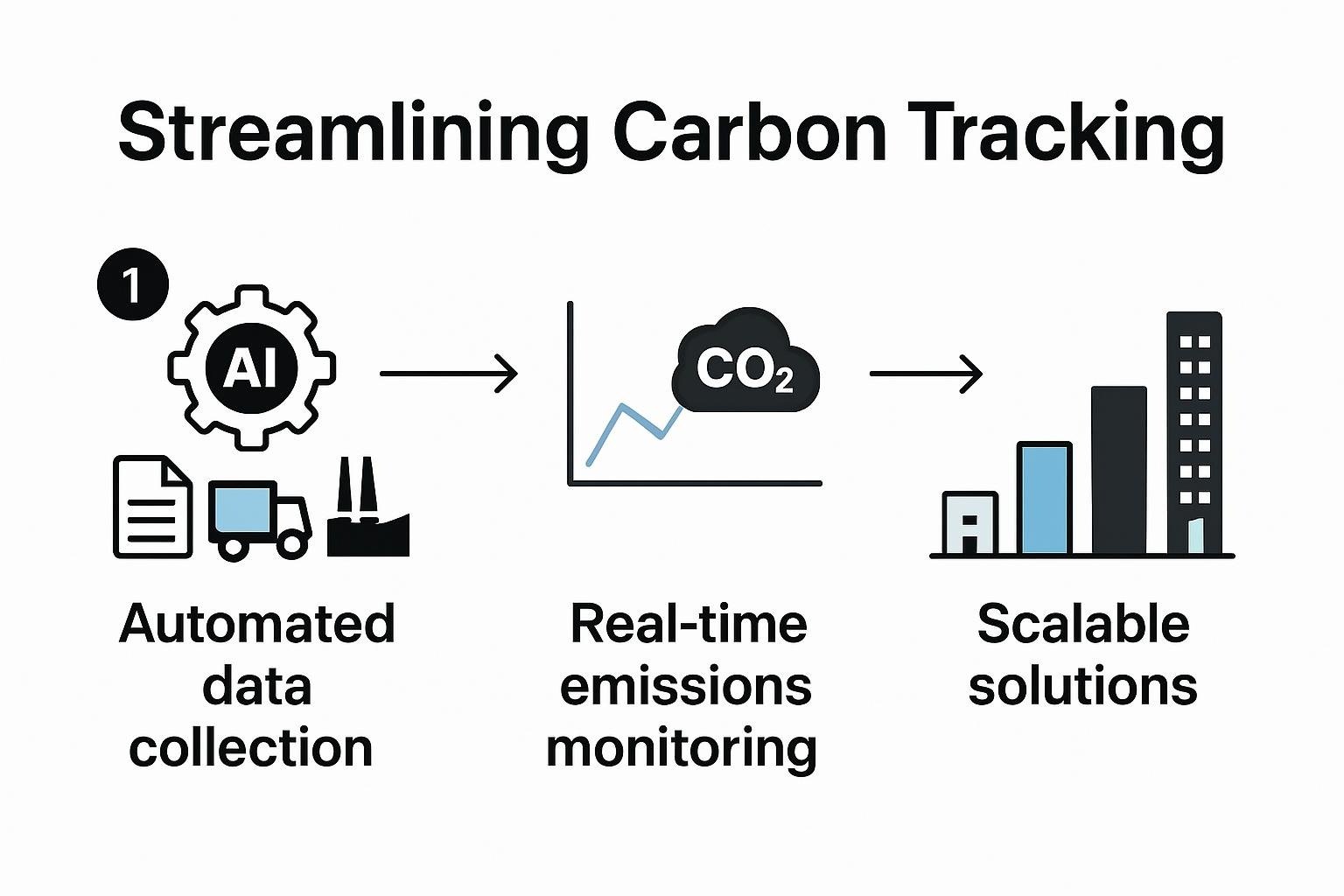
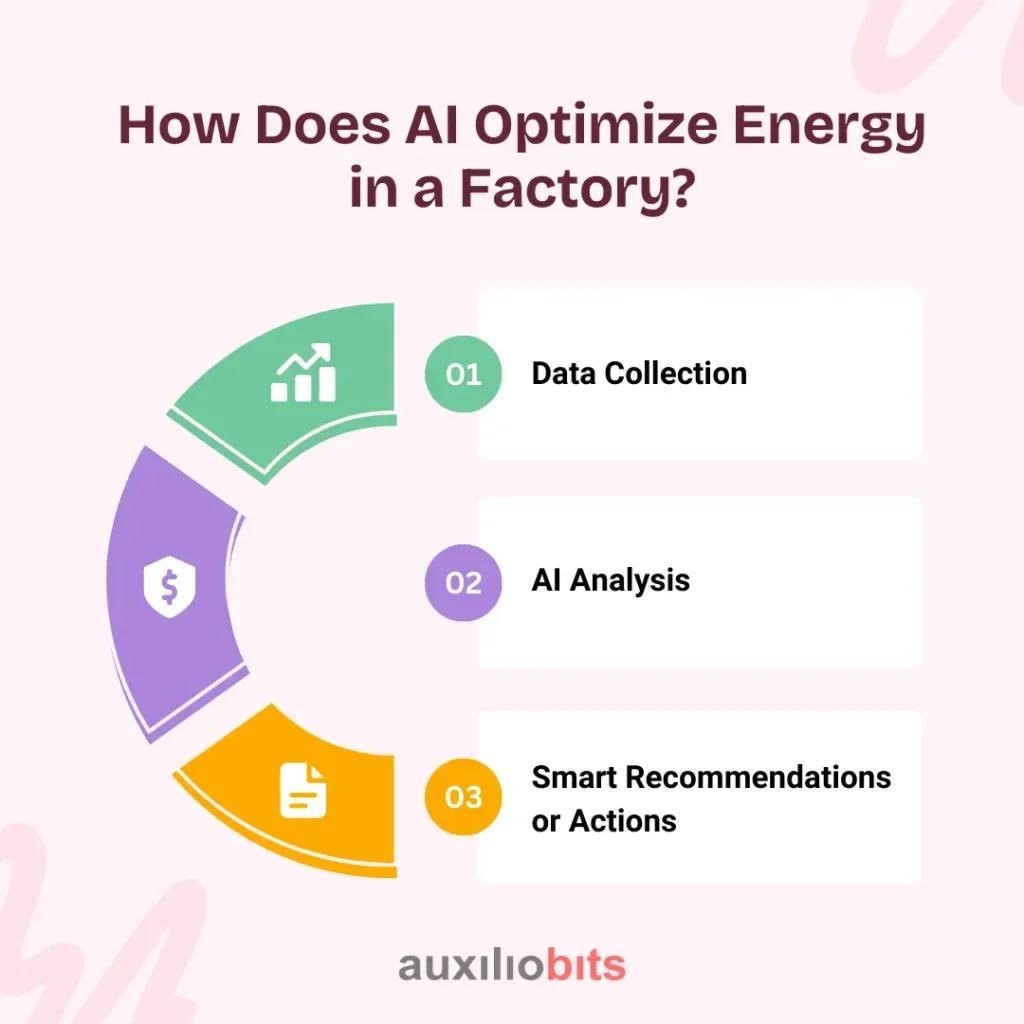
AI enables manufacturers to:
- Monitor energy consumption in real time
- Identify inefficiencies
- Optimize energy usage
Result:
- Lower energy costs
- Reduced carbon footprint
- Compliance with sustainability goals
6. Workforce Augmentation: Humans + AI Together
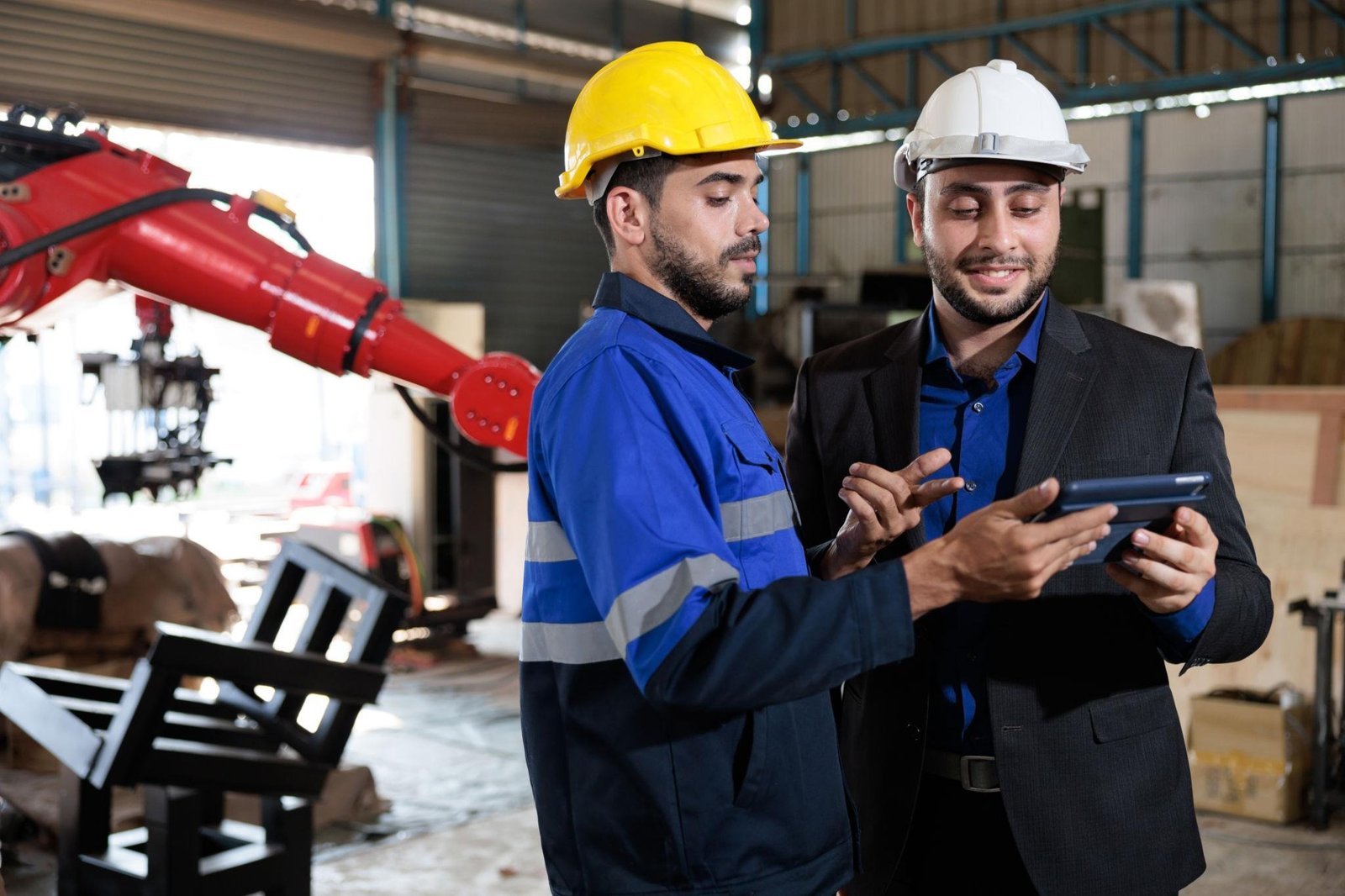
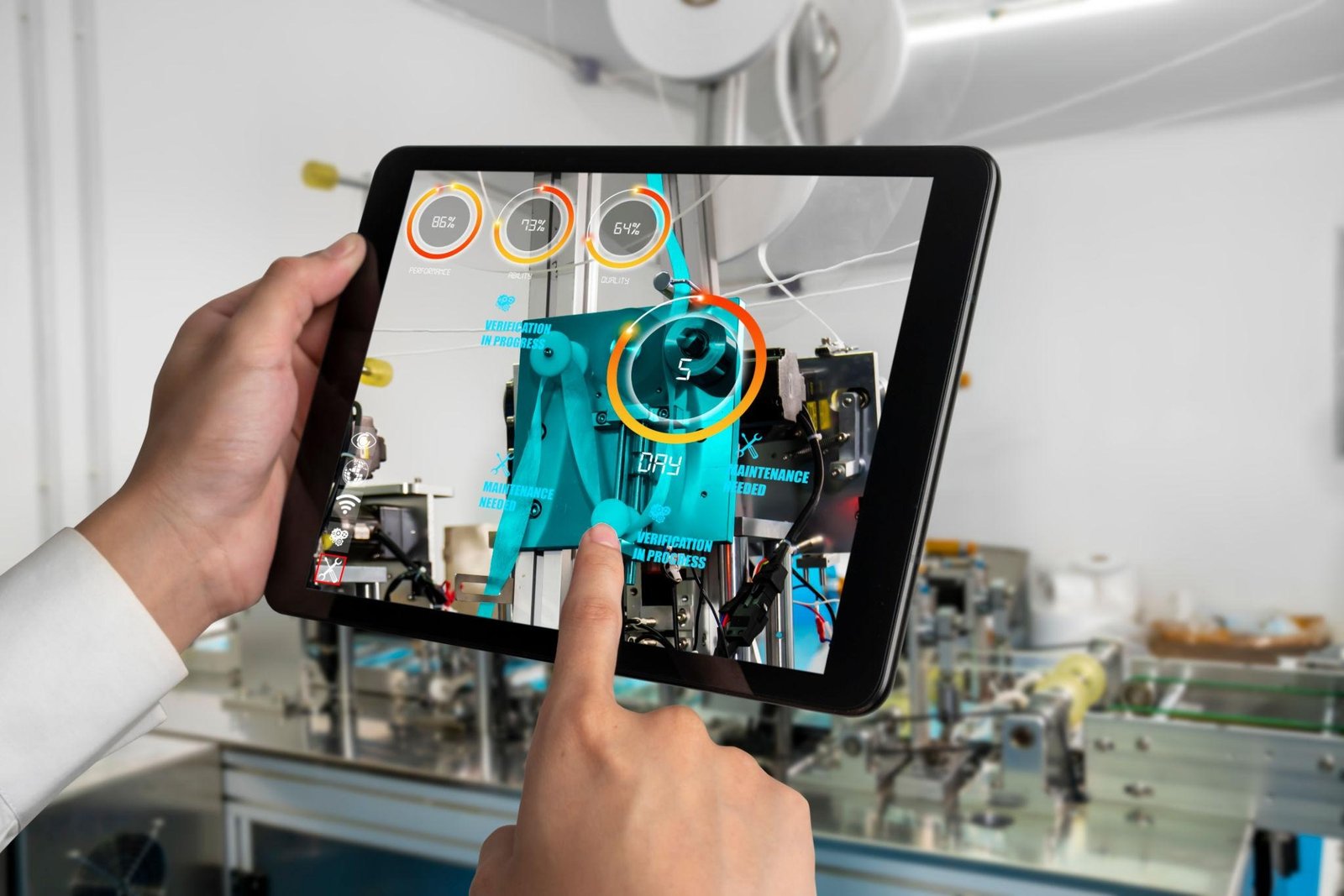
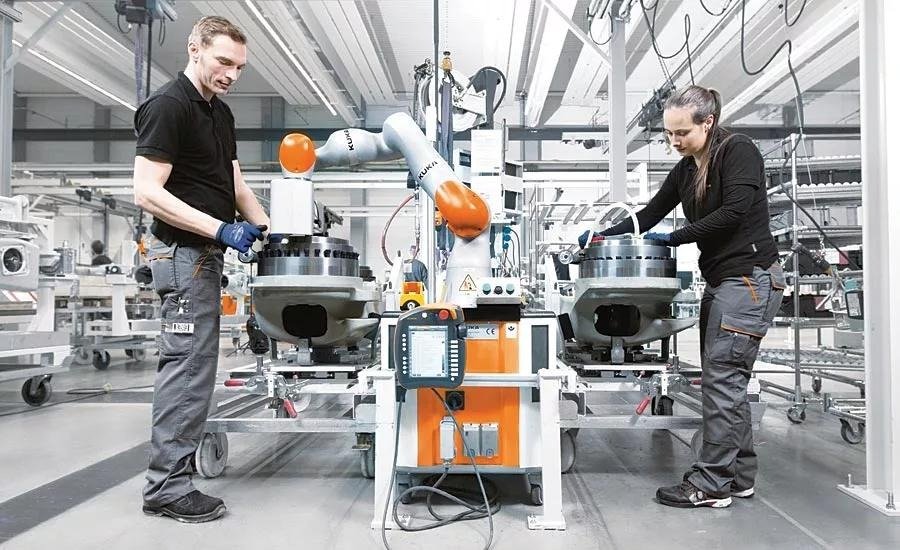
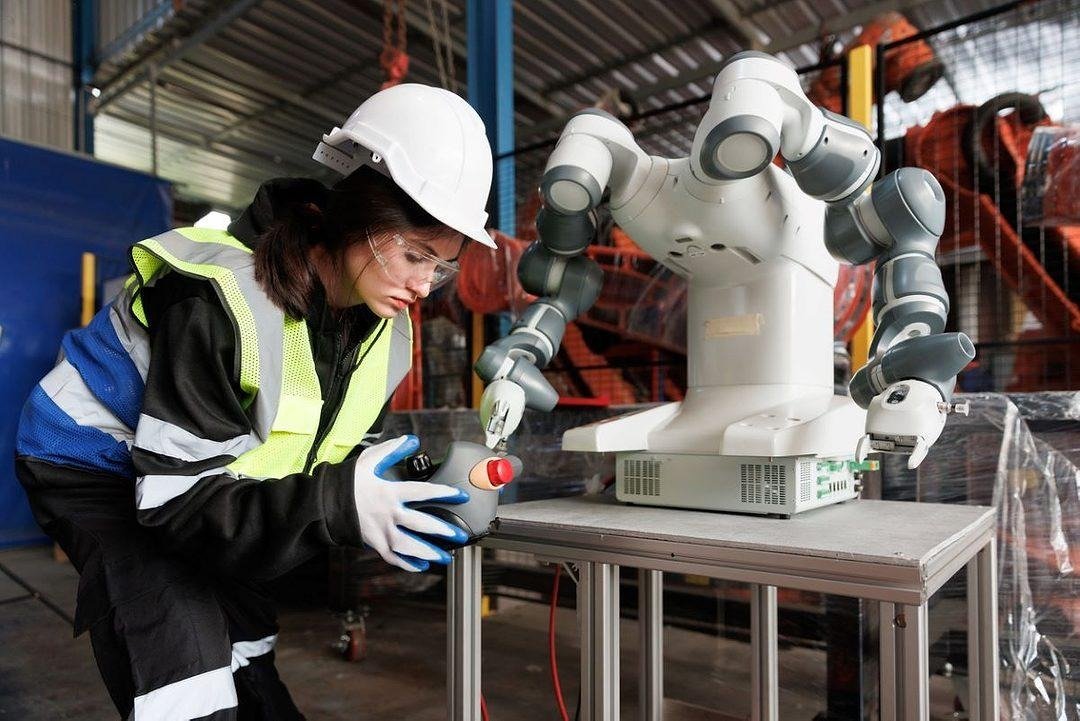

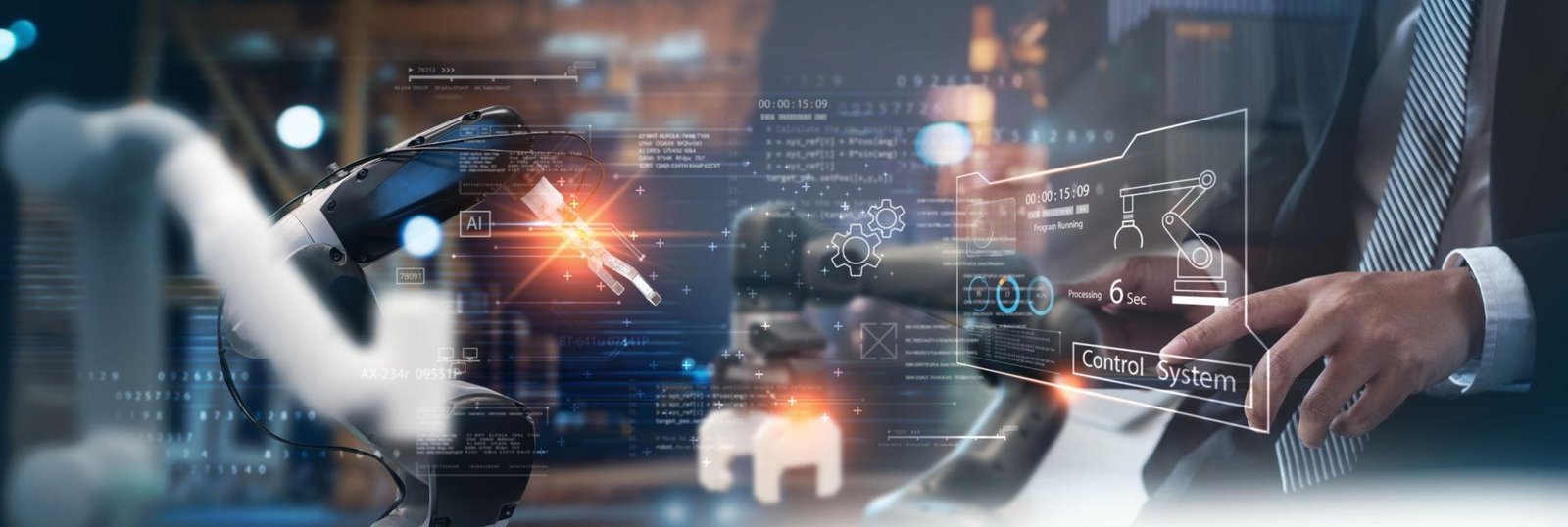
AI is not replacing workers—it’s augmenting them:
- AI copilots assist operators in real time
- AR/VR tools enhance training
- Collaborative robots (cobots) work alongside humans
Result:
- Increased worker productivity
- Faster training and onboarding
- Improved safety
The Bigger Picture: From Automation to Intelligence
AI is taking manufacturing beyond traditional automation into a new era of intelligent operations, where systems can:
- Learn from data
- Adapt to changes
- Continuously improve
Where Platforms Like manAIhub Fit In
To truly unlock AI’s potential, manufacturers need:
- Access to the right use cases
- Collaboration across stakeholders
- Proven solutions and expertise
This is exactly where platforms like manAIhub come in—bringing together leaders, engineers, AI experts, and solution providers to turn AI ideas into real-world impact.
Final Thought
The question is no longer “Should we adopt AI?”
It’s “How fast can we implement it effectively?”
Manufacturers who embrace AI today will define the competitive landscape of tomorrow.