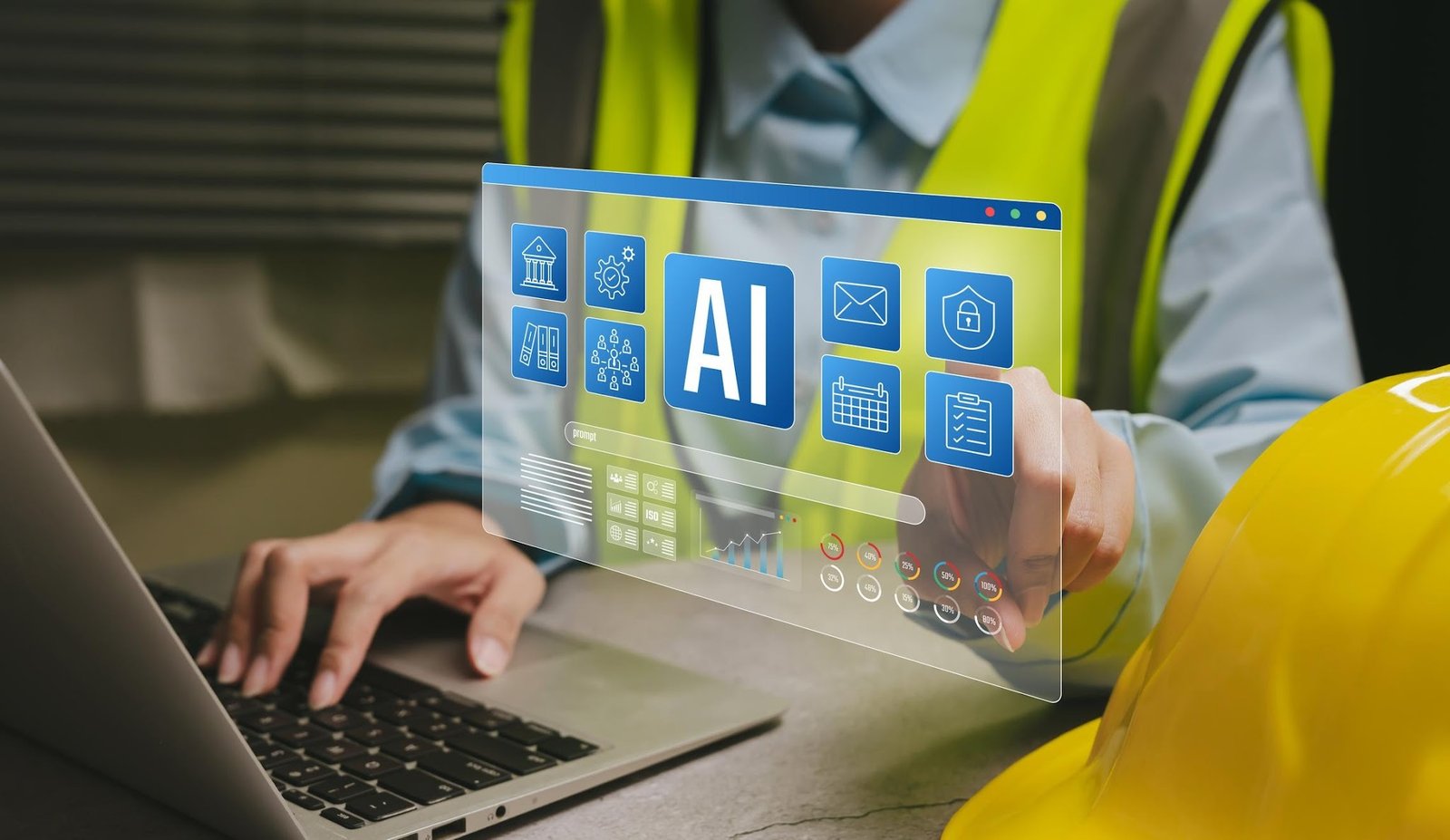
India’s manufacturing sector is at a defining moment. With rising global competition, increasing cost pressures, and the push toward initiatives like Make in India, manufacturers can no longer rely solely on traditional methods. The question is no longer “Should we adopt AI?”—it is “How quickly can we implement it to stay competitive?”
Artificial Intelligence (AI) is rapidly becoming the backbone of modern manufacturing, transforming how factories operate, make decisions, and deliver value.
The Changing Landscape of Manufacturing
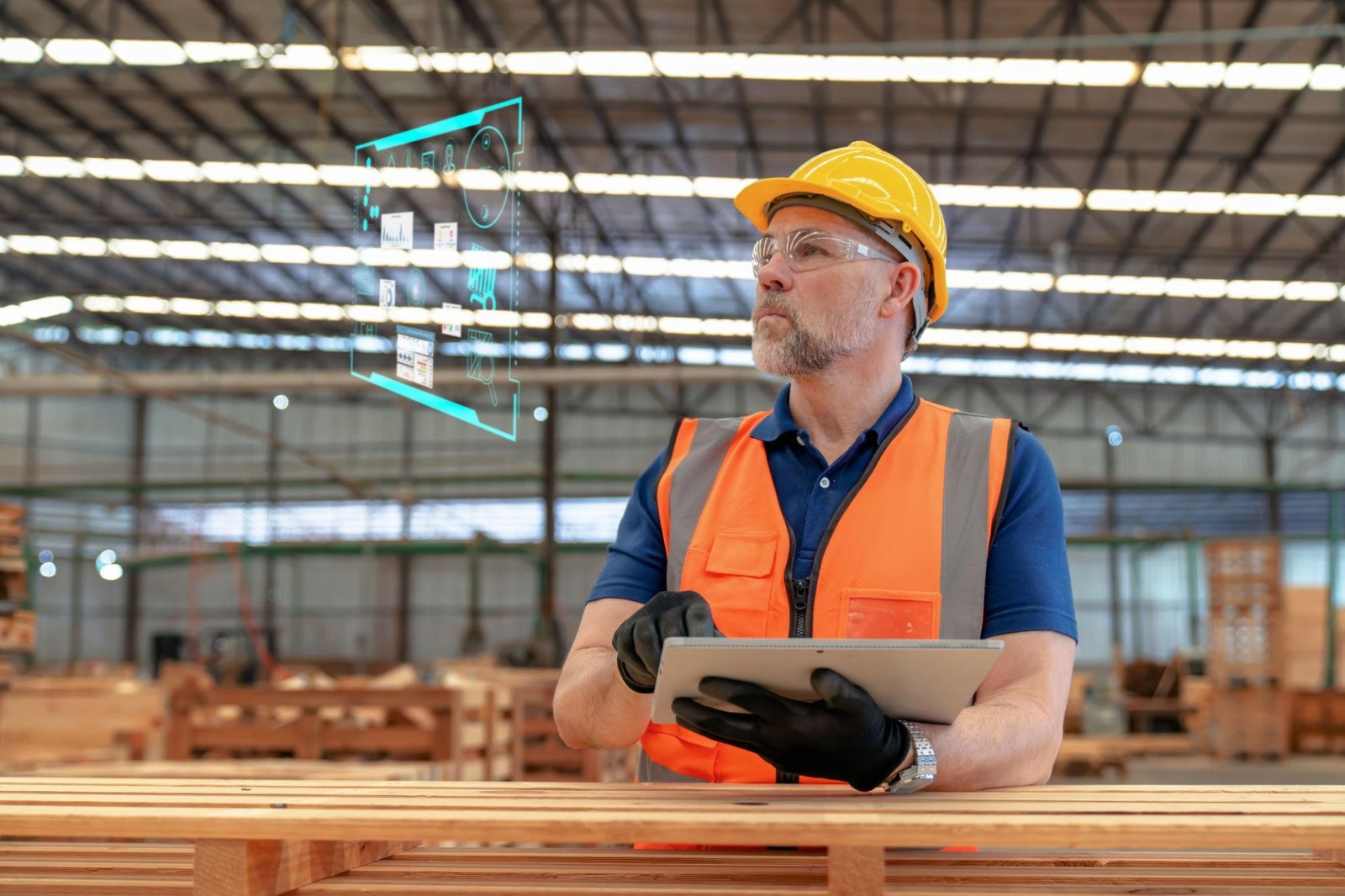
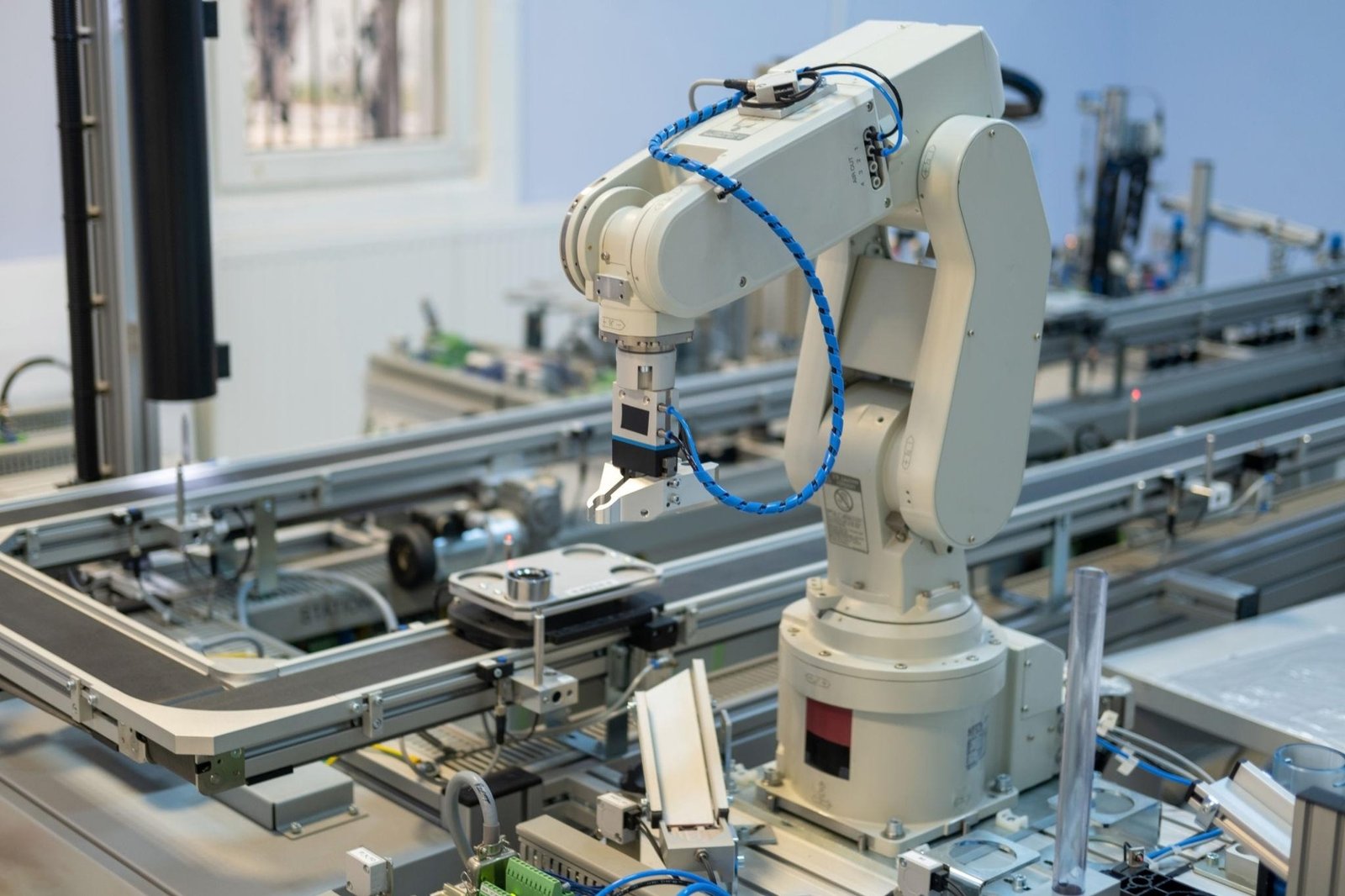
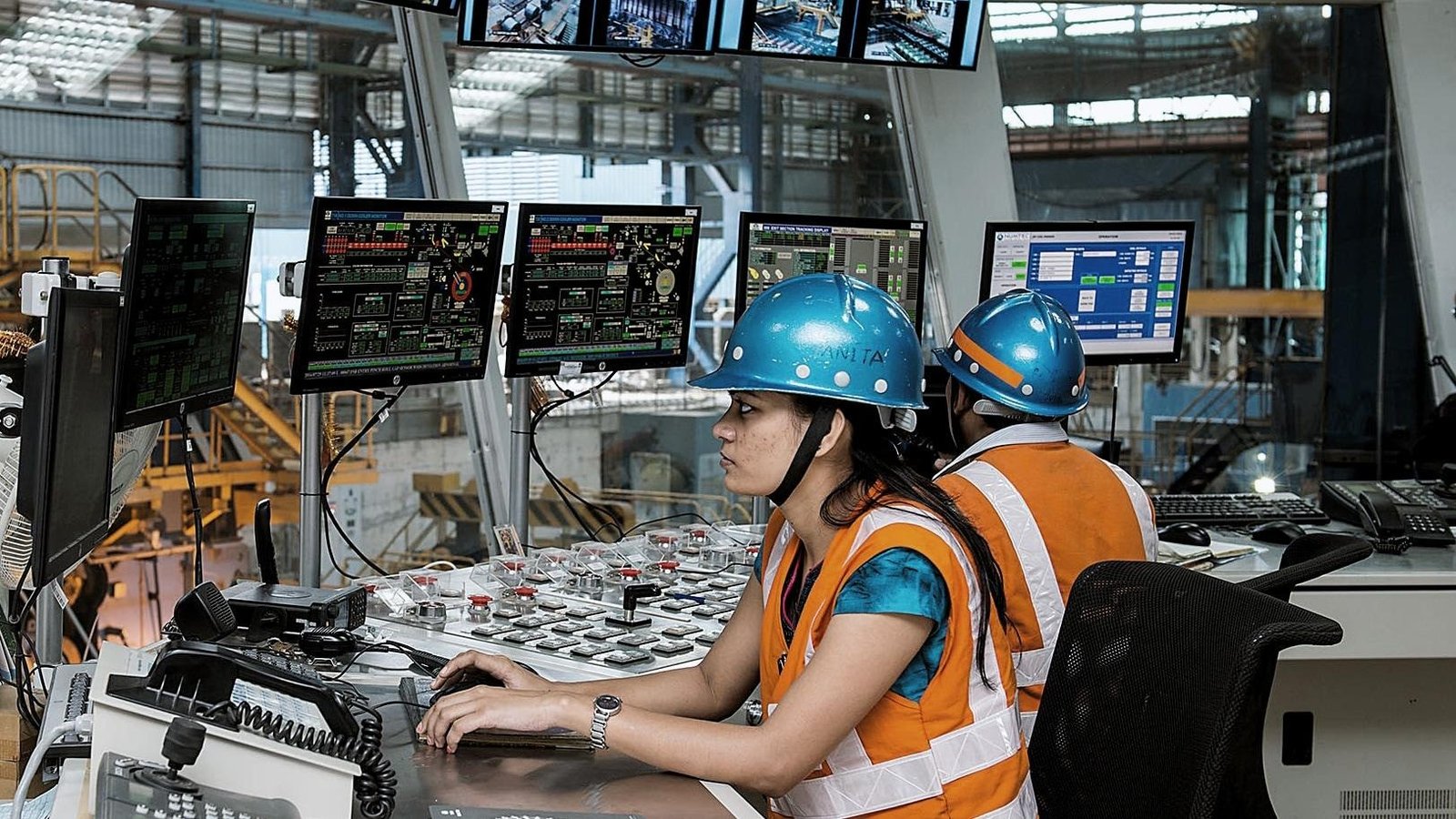
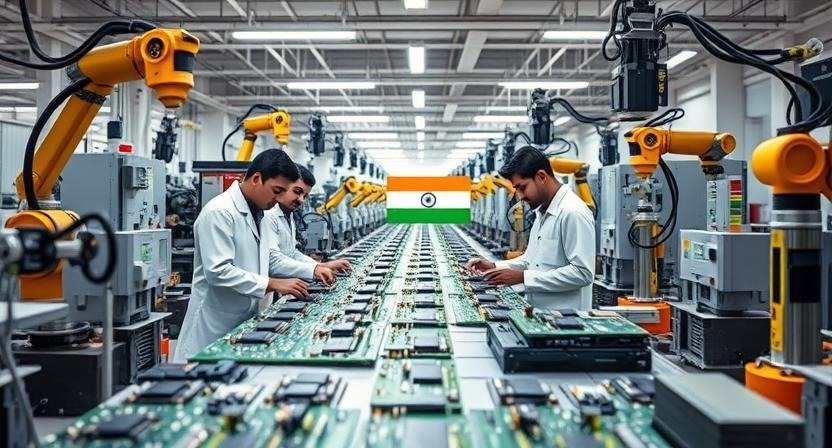
Indian manufacturers today face a combination of challenges:
- Increasing demand for high-quality products
- Pressure to reduce operational costs
- Need for faster production cycles
- Uncertainty in supply chains
- Shortage of skilled workforce in advanced technologies
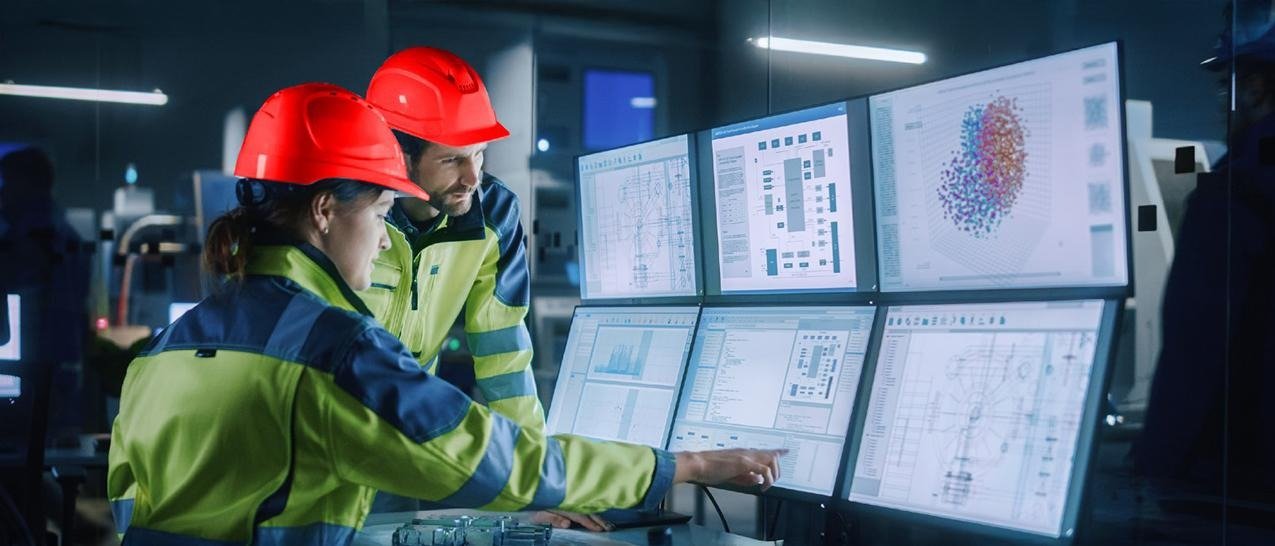
At the same time, global players are already leveraging AI to optimize operations. This creates a widening gap between AI-enabled manufacturers and those still relying on conventional processes.
The Cost of Not Adopting AI
Delaying AI adoption is no longer a neutral decision—it comes with real consequences:
- Higher downtime due to reactive maintenance
- Inconsistent quality leading to rework and customer dissatisfaction
- Inefficient production planning
- Excess inventory or stockouts
- Higher energy consumption and waste
In a competitive market, these inefficiencies directly impact profitability and long-term sustainability.
How AI is Changing the Game
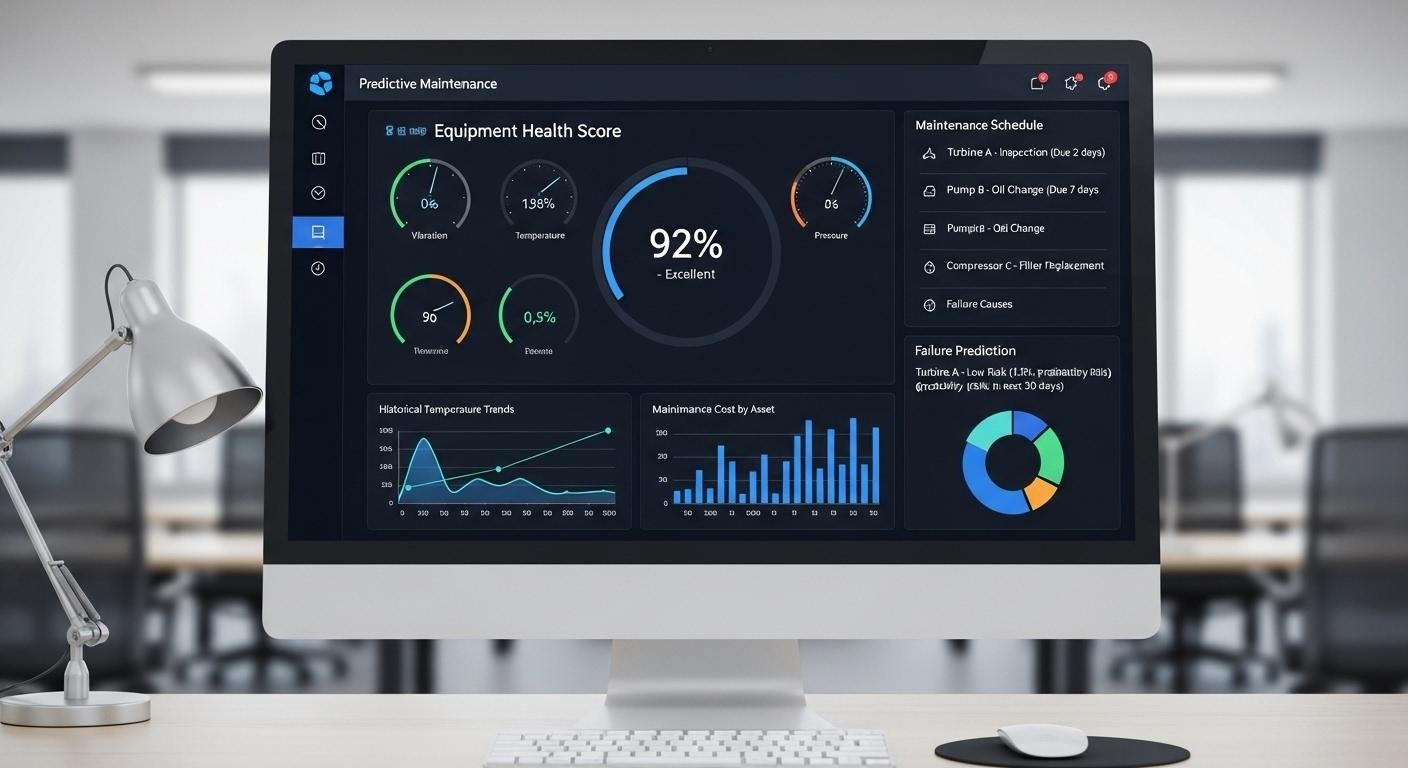
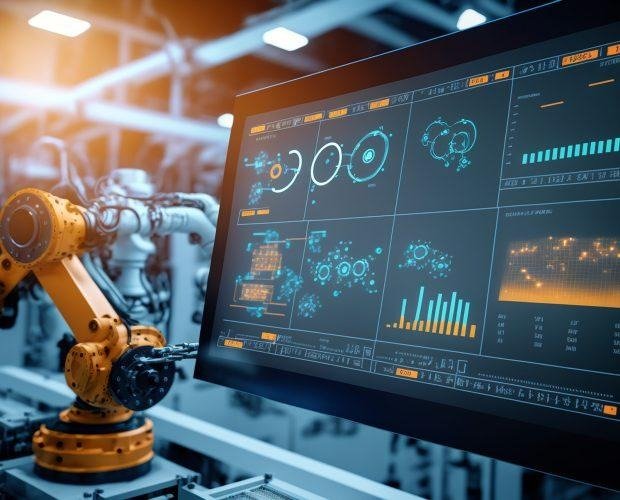
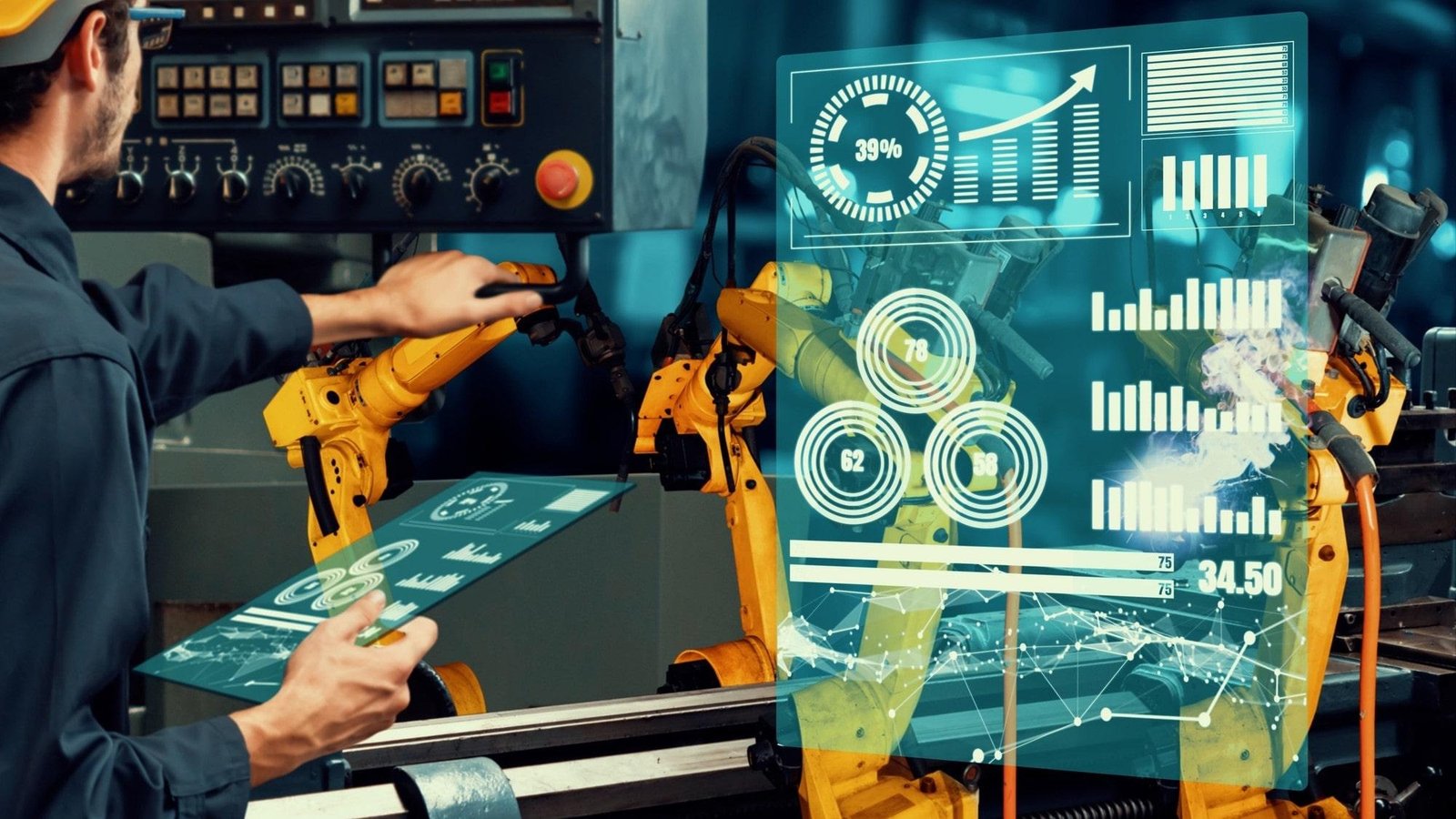
AI enables manufacturers to move from reactive operations to predictive and intelligent systems:
Smart Maintenance
Predict equipment failures before they happen, reducing unplanned downtime.
Quality & Inspection
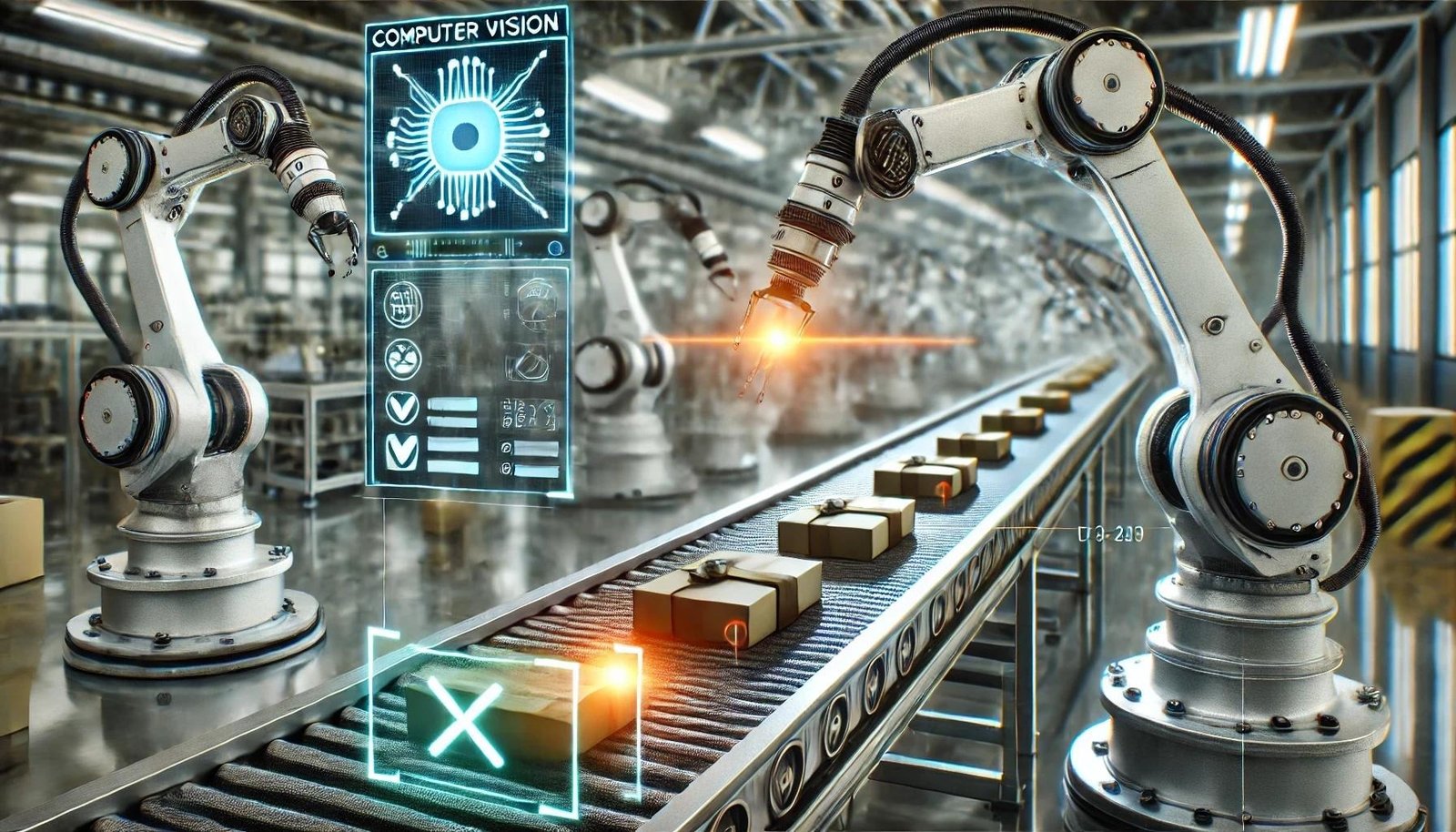
Use computer vision to detect defects in real time with high accuracy.
Production Optimization
Improve throughput by identifying bottlenecks and optimizing workflows.
Supply Chain & Planning
Forecast demand and optimize inventory using data-driven insights.
Energy & Sustainability
Monitor and reduce energy consumption while meeting sustainability goals.
Workforce Augmentation
Empower workers with AI tools, copilots, and smart assistance systems.
Why This is Critical for India—Right Now
India has a unique opportunity to leapfrog traditional industrial evolution stages and directly embrace AI-driven manufacturing.
Key reasons:
- Large MSME base that can benefit from AI-driven efficiency
- Government push toward digital and manufacturing growth
- Growing ecosystem of AI startups and solution providers
- Increasing availability of industrial data and IoT infrastructure
Manufacturers who act now can position themselves as global leaders, not just participants.
The Biggest Barrier Isn’t Technology
Contrary to popular belief, the biggest challenge is not AI itself—it’s:
- Lack of awareness of practical use cases
- Difficulty in connecting with the right experts and partners
- Uncertainty about ROI and implementation roadmap
This is where collaboration and ecosystems become essential.
Building the Right Ecosystem
AI adoption cannot happen in silos. It requires collaboration between:
- Business leaders
- Engineers and plant teams
- Data scientists and AI experts
- Technology providers
- Academia and industry bodies
Platforms like manAIhub aim to bridge these gaps by creating a structured ecosystem where:
- Real problems meet real solutions
- Knowledge is shared across stakeholders
- AI use cases are implemented—not just discussed
Final Thought
AI is not just another technology upgrade—it is a strategic necessity for the future of manufacturing.
The manufacturers who embrace AI today will:
- Operate more efficiently
- Deliver higher quality
- Adapt faster to change
- Lead in both domestic and global markets
Those who delay risk falling behind in an increasingly intelligent and competitive industrial landscape.
The Time to Act is Now
AI adoption is no longer optional—it’s the foundation of the next industrial revolution.