
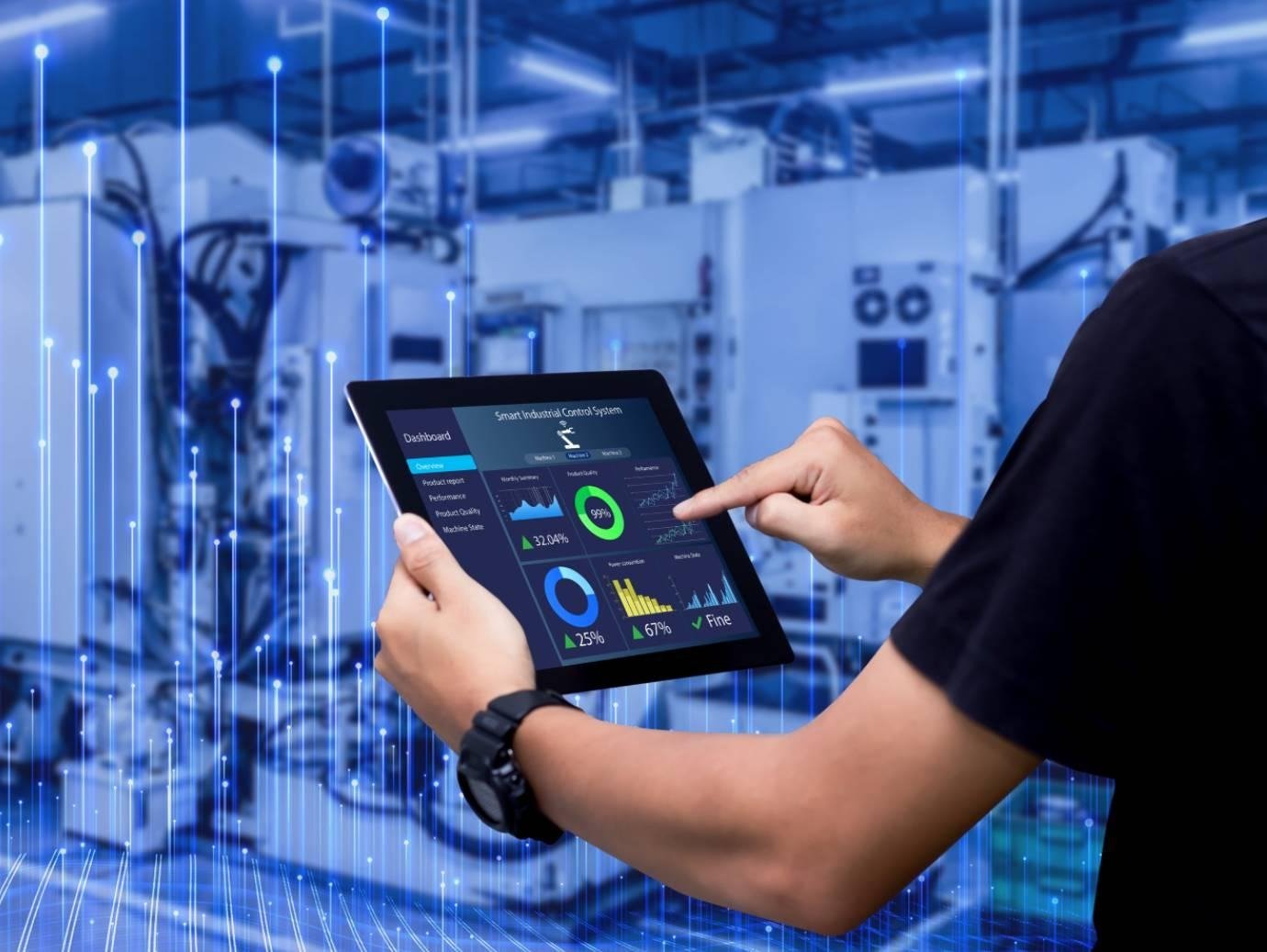
Energy is one of the largest operating expenses in manufacturing. Rising power costs, increasing regulatory pressure, and sustainability targets are forcing manufacturers to rethink how energy is consumed and managed.
Traditional approaches rely on periodic monitoring and manual interventions. These methods often fail to identify hidden inefficiencies or respond quickly to changing conditions.
Artificial Intelligence (AI) is changing this by enabling real-time, data-driven energy optimization across manufacturing operations.
The Energy Challenge in Manufacturing
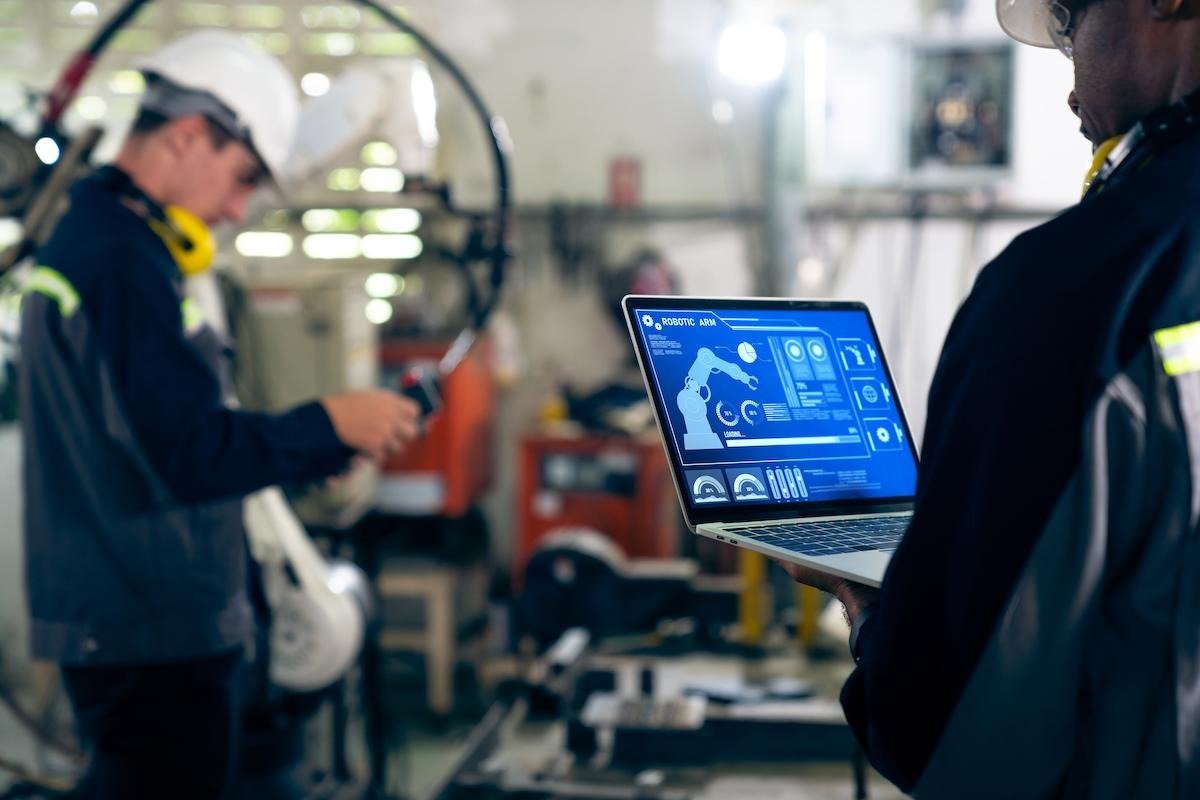

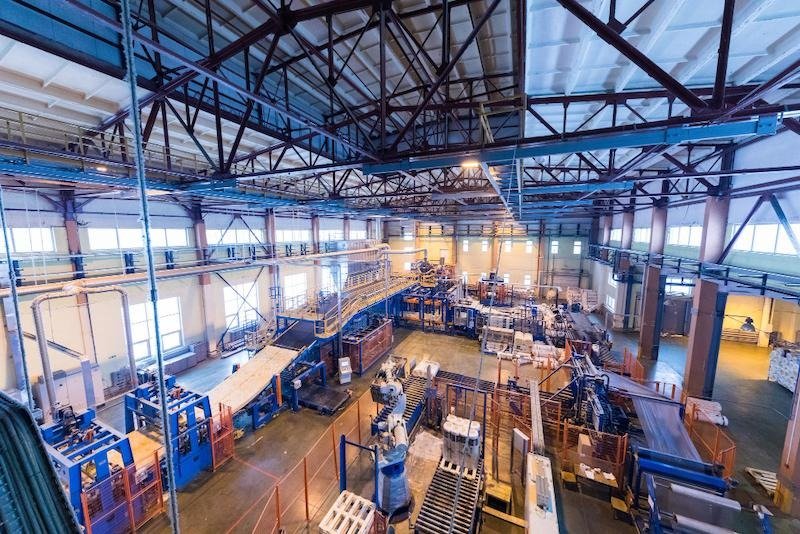
Manufacturing facilities typically face:
- High and fluctuating energy costs
- Limited visibility into energy consumption at machine level
- Inefficient equipment operation
- Energy wastage during idle or low-production periods
In many cases, energy losses go unnoticed because they are distributed across processes and systems.
How AI Brings Intelligence to Energy Management
AI enables manufacturers to move from reactive energy monitoring to predictive and optimized energy usage.
It does this by analyzing data from:
- Sensors and smart meters
- Machine operating parameters
- Production schedules
- Environmental conditions
The result is a system that not only monitors energy consumption but actively improves it.
Key Applications of AI in Energy Optimization
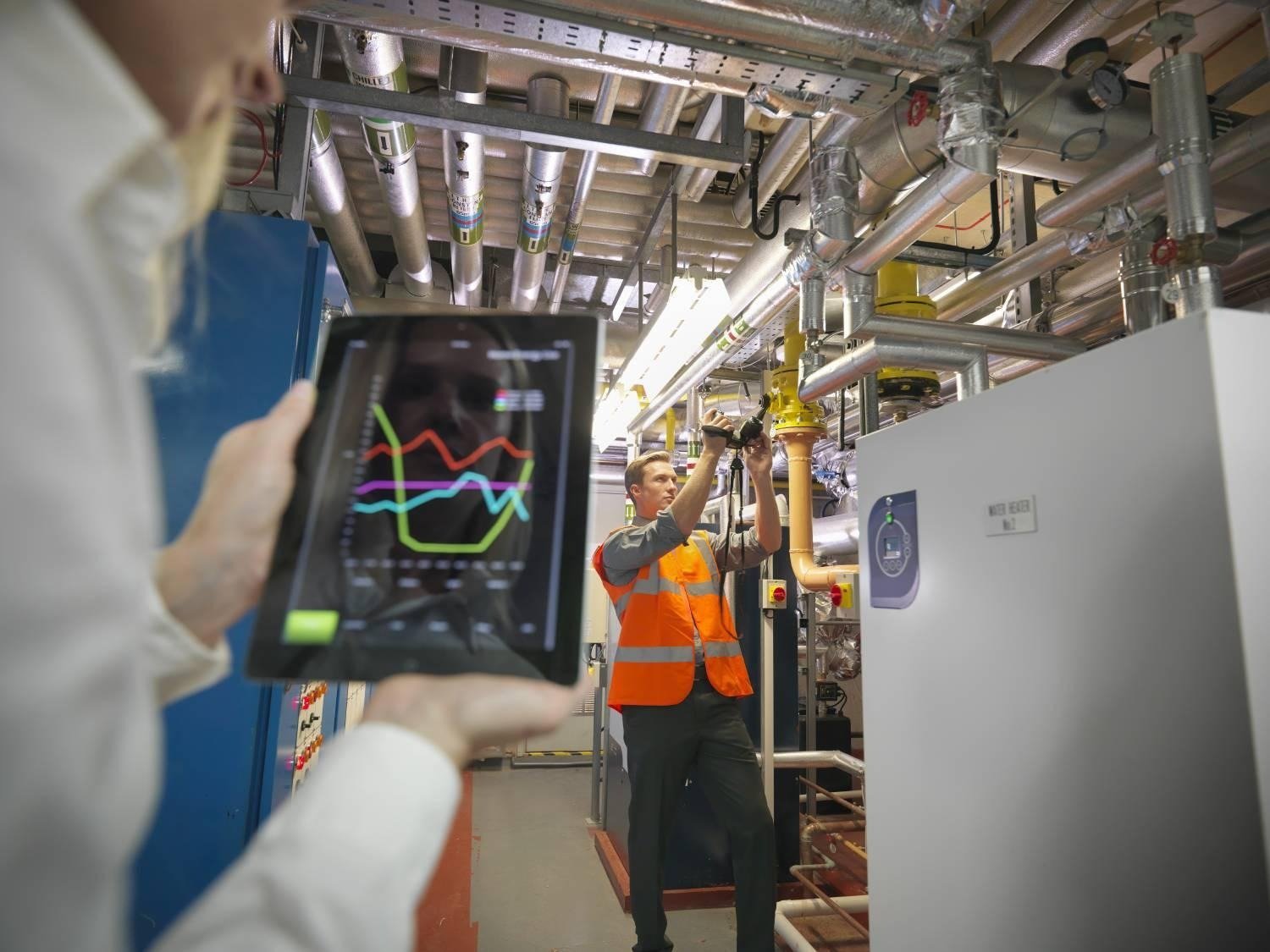
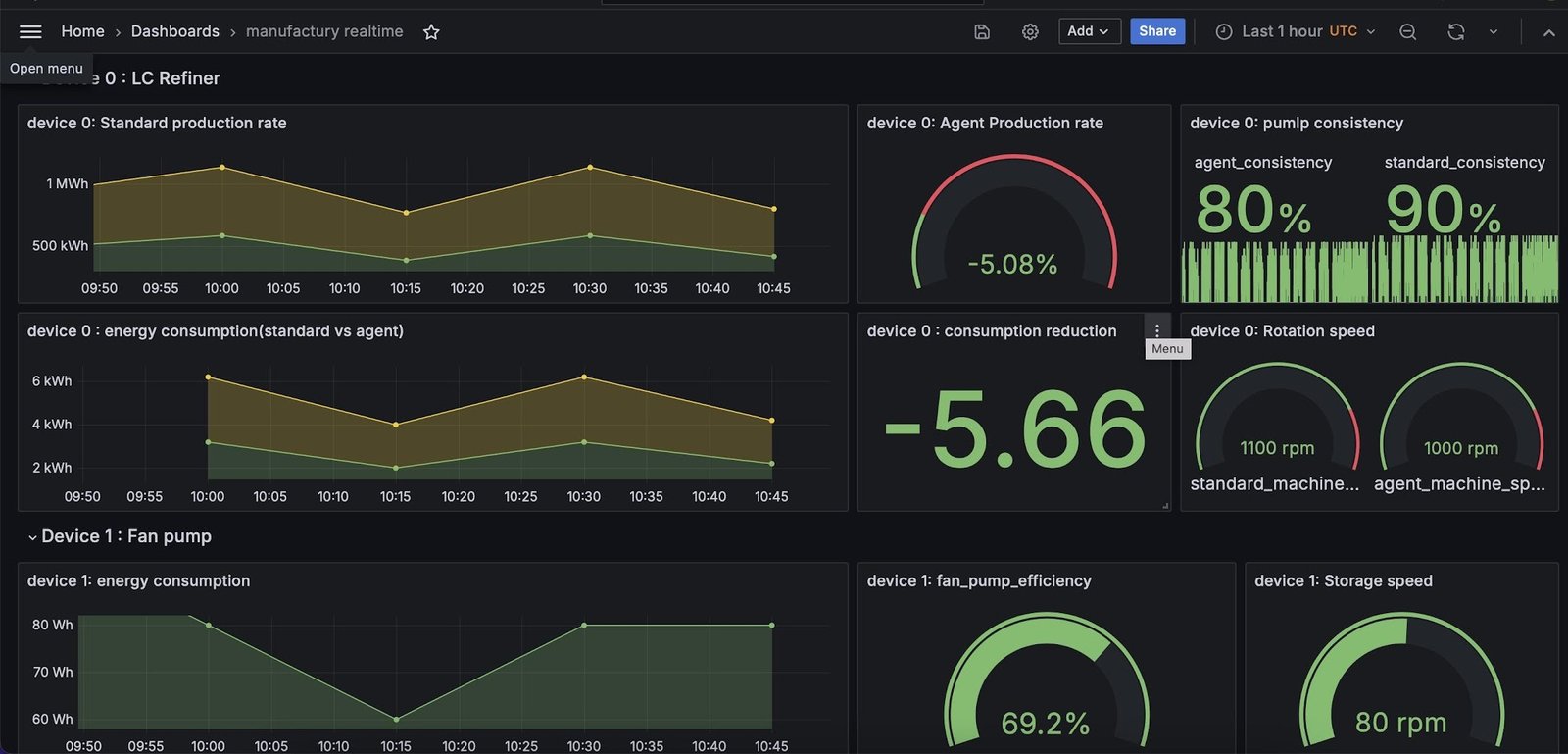


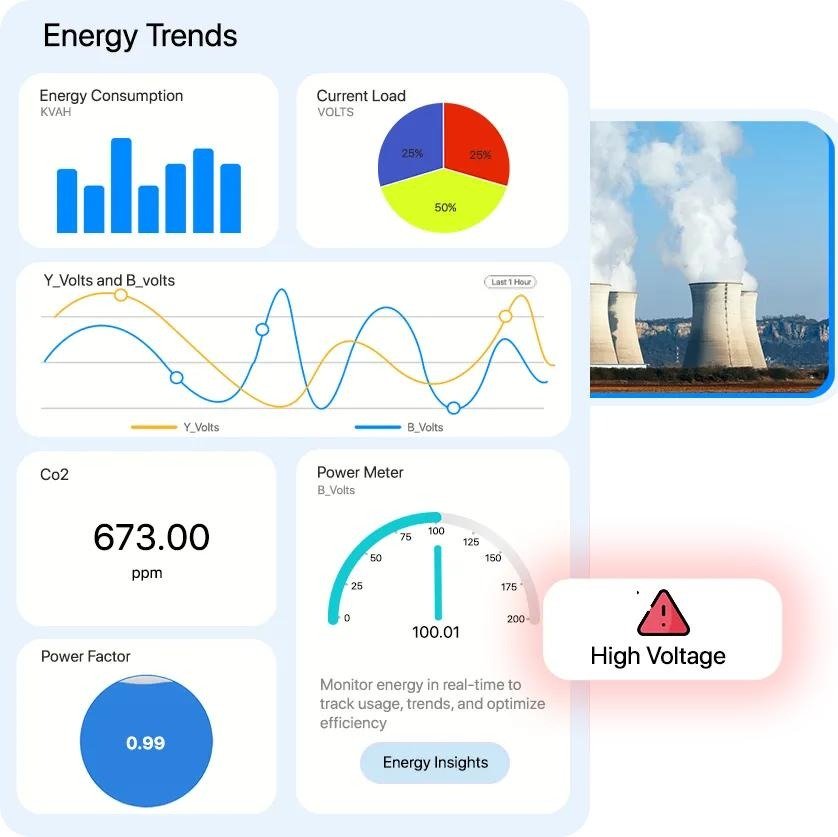

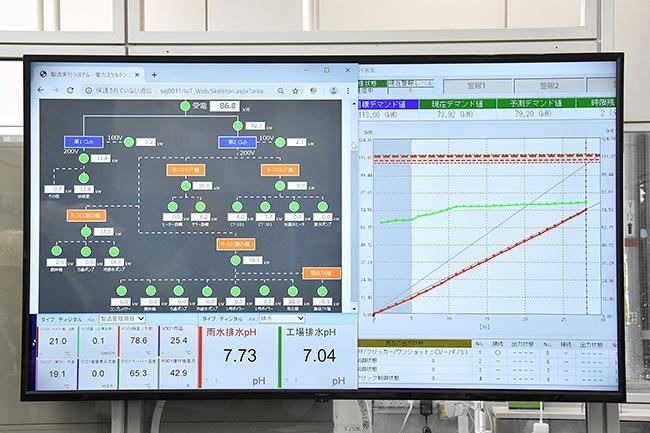
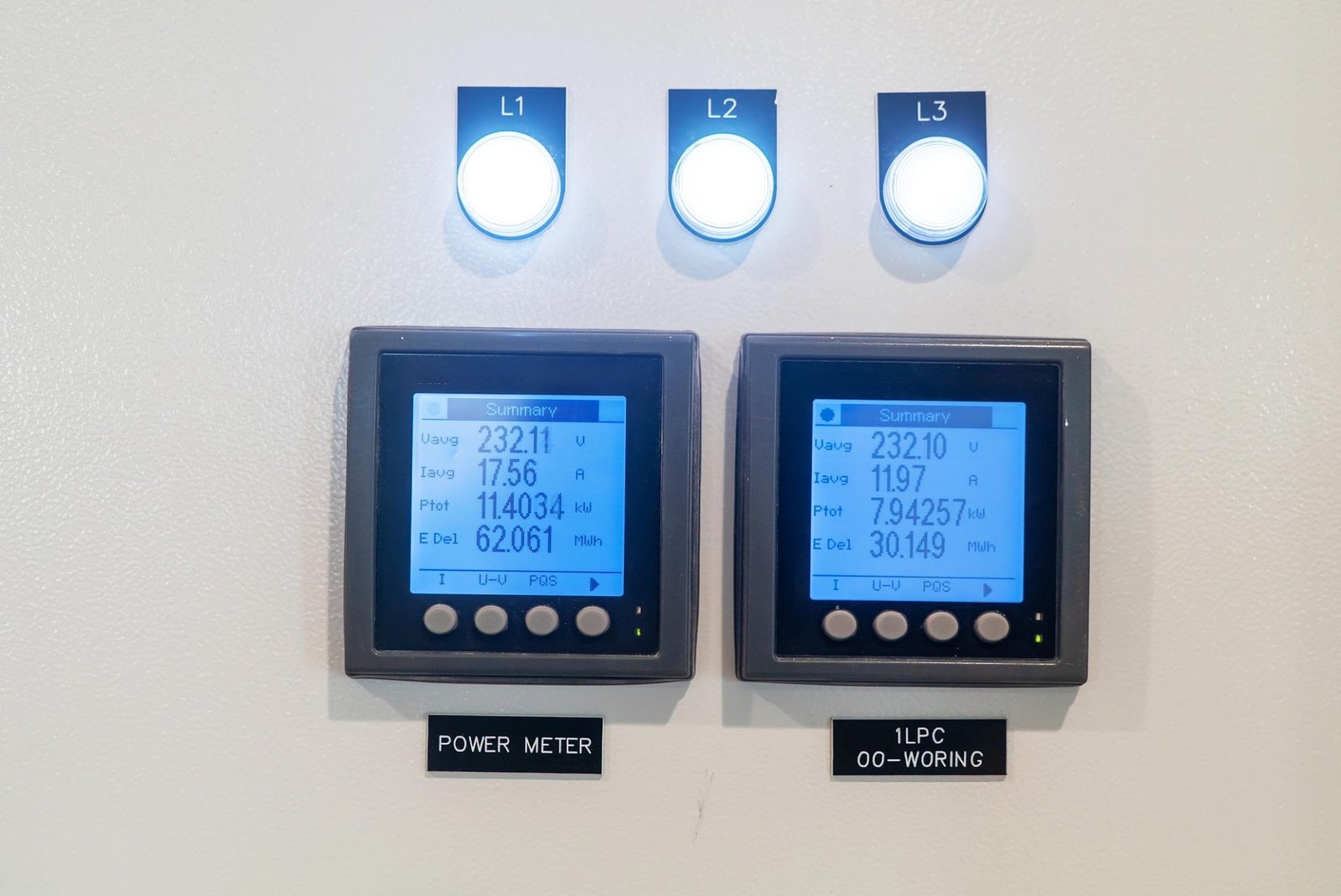
Real-Time Energy Monitoring
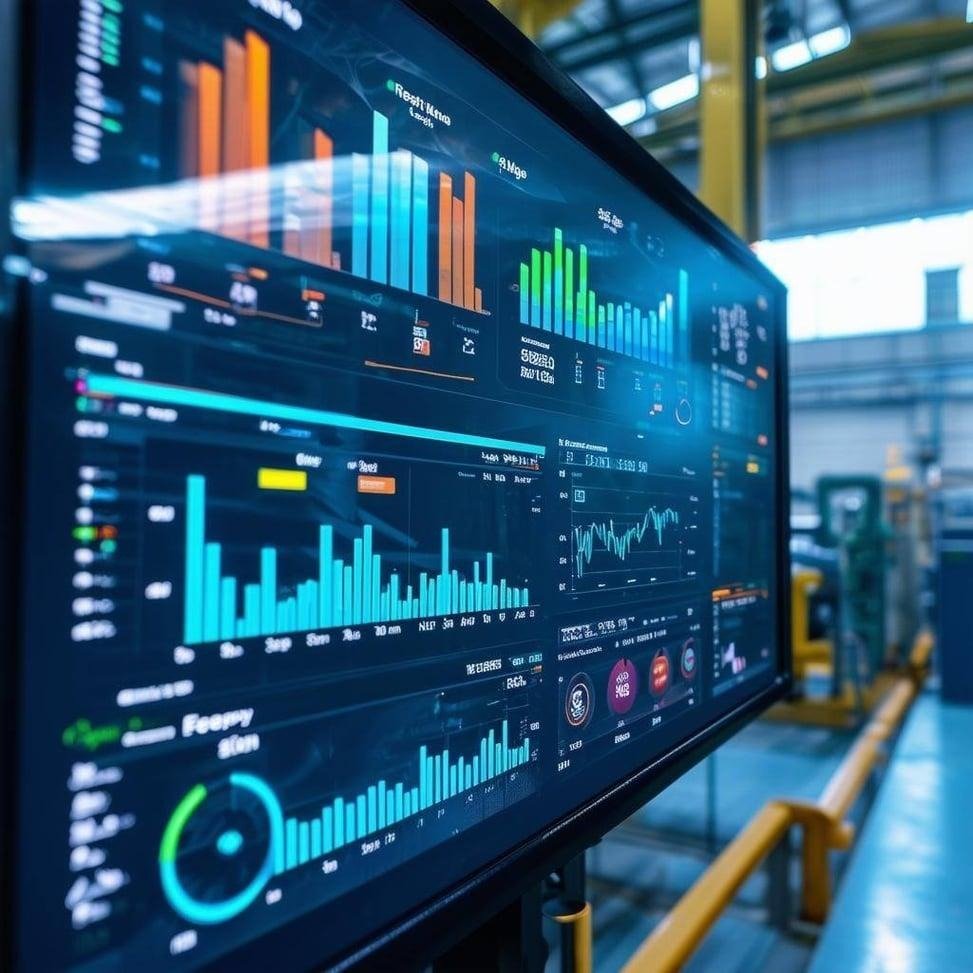
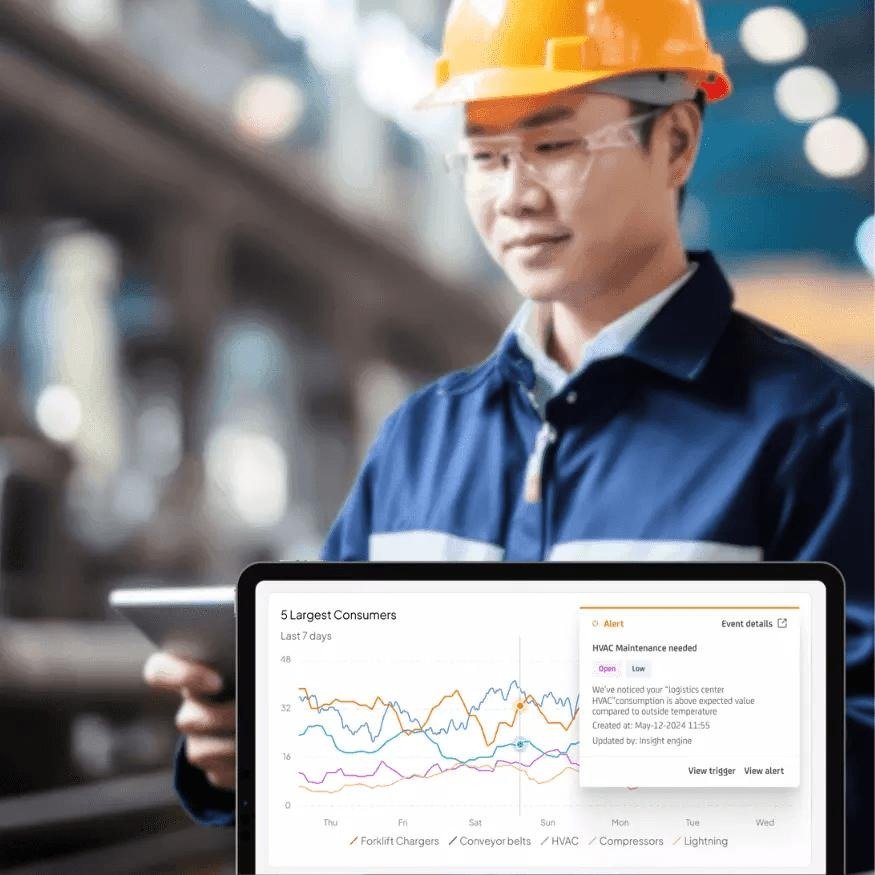
AI-powered systems provide detailed visibility into energy usage across machines, lines, and plants.
This helps identify:
- High-consumption assets
- Abnormal usage patterns
- Hidden inefficiencies
Predictive Energy Optimization
AI models predict future energy demand based on production plans and historical patterns.
This allows manufacturers to:
- Optimize load distribution
- Avoid peak demand charges
- Plan energy usage more efficiently
Equipment Efficiency Analysis
AI evaluates how efficiently machines consume energy relative to their output.
It can detect:
- Underperforming equipment
- Improper operating conditions
- Maintenance-related inefficiencies
Intelligent Scheduling
AI aligns production schedules with energy efficiency goals.
For example:
- Running energy-intensive processes during off-peak hours
- Balancing loads across shifts
HVAC and Utility Optimization
Heating, ventilation, air conditioning (HVAC), and compressed air systems are major energy consumers.
AI optimizes these systems by:
- Adjusting settings based on real-time demand
- Reducing unnecessary usage
Measurable Business Impact
Manufacturers implementing AI-driven energy solutions typically achieve:
- 10–20% reduction in overall energy consumption
- Lower peak demand charges
- Improved equipment efficiency
- Reduced carbon emissions
These improvements directly contribute to cost savings and sustainability goals.
Beyond Cost: Strategic Benefits
Energy optimization is not only about reducing expenses. It also delivers:
- Greater operational visibility
- Improved compliance with environmental regulations
- Enhanced brand reputation through sustainability initiatives
- Better alignment with global ESG standards
Relevance for Indian Manufacturing
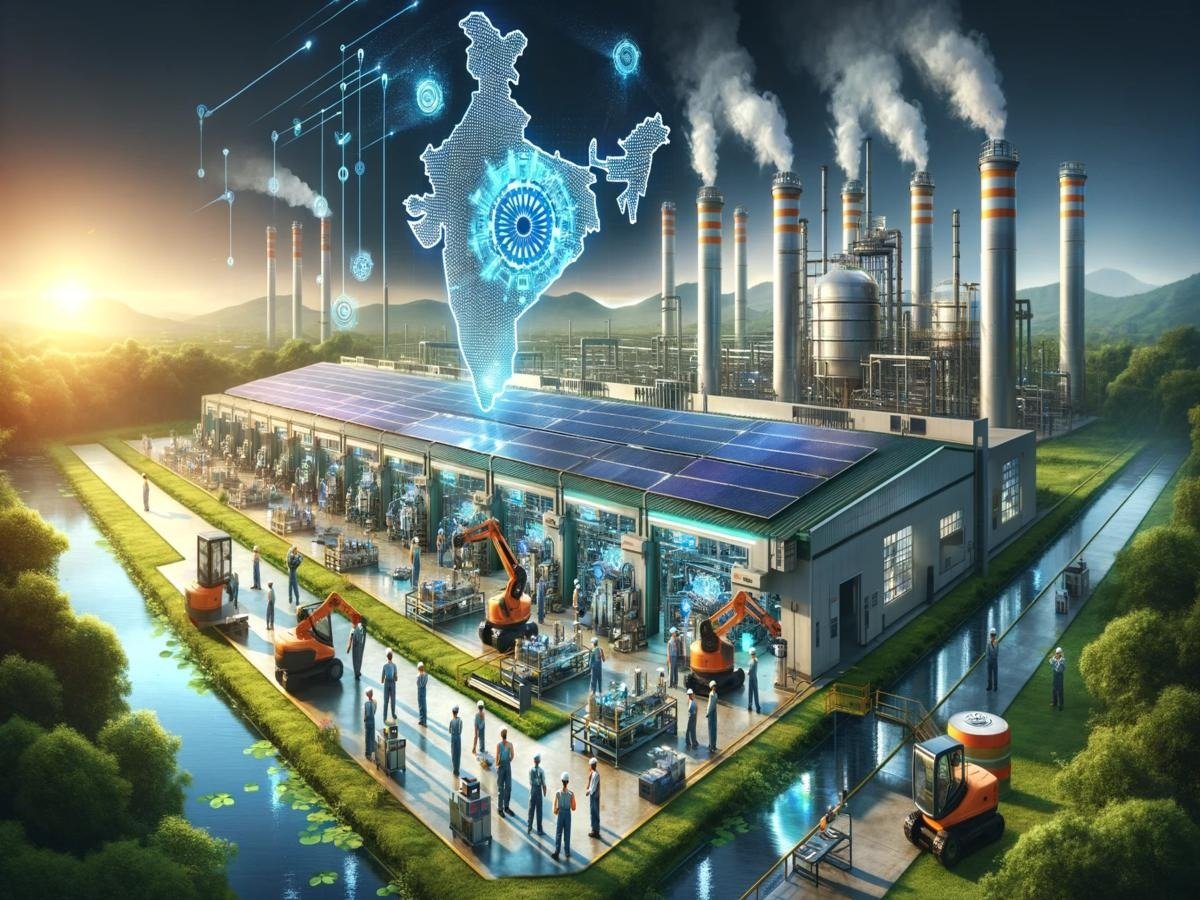
Energy costs in India are significant, especially for energy-intensive industries such as metals, chemicals, and automotive.
For many MSMEs, even small reductions in energy usage can have a meaningful impact on profitability.
AI provides a practical way to:
- Improve energy efficiency without major infrastructure changes
- Gain visibility into consumption patterns
- Compete more effectively in cost-sensitive markets
Challenges to Consider
While the benefits are clear, manufacturers may face challenges such as:
- Lack of granular energy data
- Limited deployment of sensors and smart meters
- Integration issues with legacy systems
- Need for skilled expertise
Addressing these challenges requires a structured and phased approach.
The Role of Ecosystems
Energy optimization through AI requires collaboration between manufacturers, technology providers, and domain experts.
Platforms like manAIhub can support this journey by:
- Identifying relevant use cases
- Connecting organizations with solution providers
- Accelerating implementation through shared knowledge
Final Thought
Energy is no longer just a utility cost-it is a strategic lever for efficiency and sustainability.
AI enables manufacturers to understand, control, and optimize energy usage in ways that were not previously possible.