How AI is Transforming Modern Manufacturing Operations
A manAIhub Perspective
Artificial Intelligence (AI) is redefining the manufacturing industry by enabling smarter operations, better decision-making, improved quality, and higher efficiency across the entire value chain.
As manufacturing becomes increasingly data-driven and connected, AI is helping organizations move beyond traditional automation toward intelligent, adaptive, and predictive operations.
At manAIhub, we believe AI adoption in manufacturing is not just about implementing technology – it is about creating a collaborative ecosystem that connects manufacturers, engineers, AI experts, solution providers, and academia to solve real industrial challenges.
This comprehensive guide explores:
- Why manufacturers are adopting AI
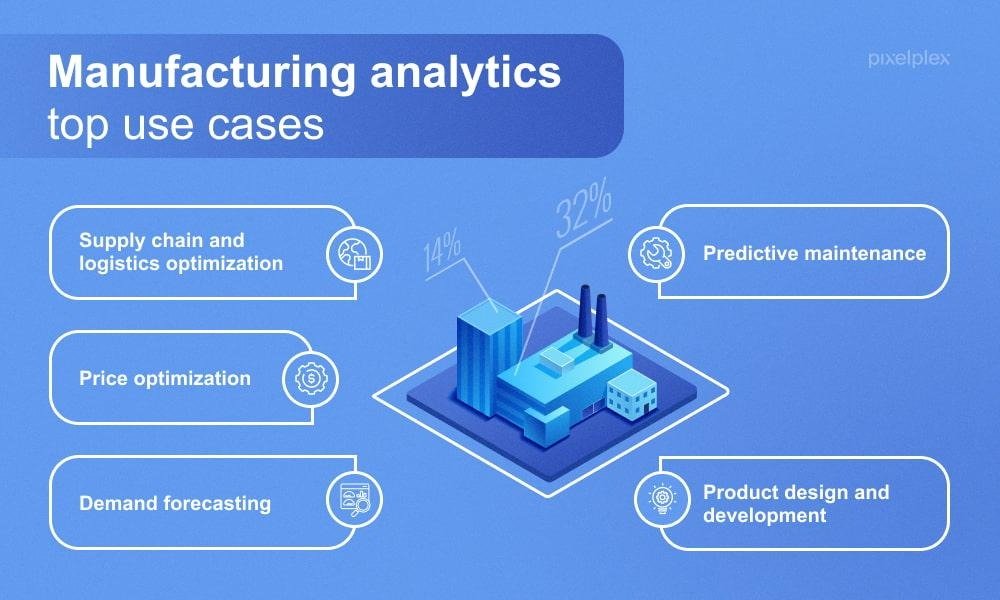
- Key AI use cases in manufacturing
- Benefits of AI-driven operations
- Challenges organizations must address
- How manufacturers can begin their AI journey
Why Manufacturers are Using AI
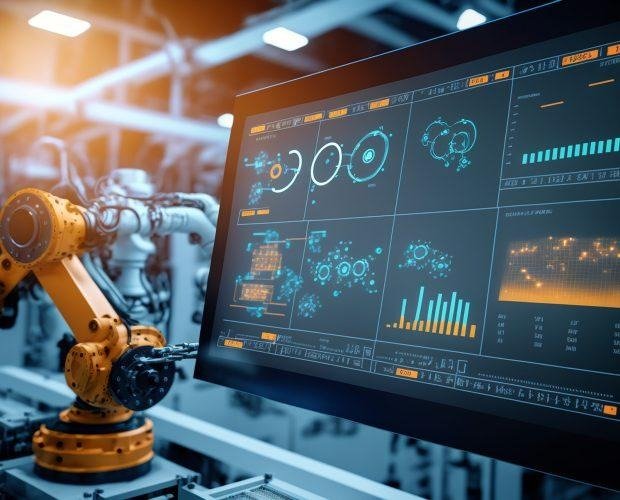
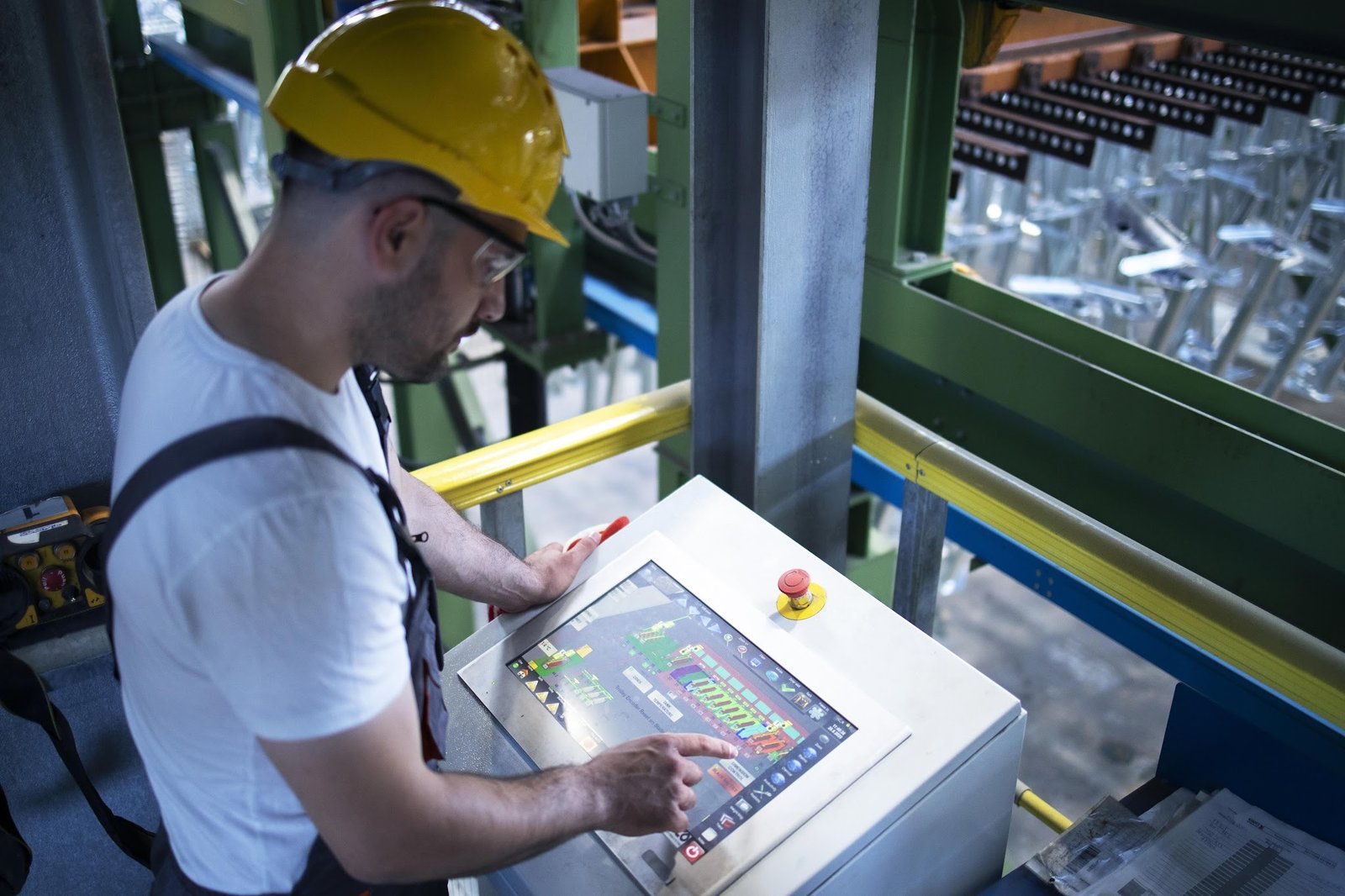

Manufacturing operations generate massive amounts of data every day from:
- Machines and sensors
- Production lines
- Supply chains
- Quality systems
- Maintenance processes
AI technologies such as:
- Machine Learning (ML)
- Computer Vision
- Natural Language Processing (NLP)
- Predictive Analytics
help manufacturers transform this data into actionable insights.
This allows organizations to:
- Improve operational efficiency
- Optimize production processes
- Reduce downtime and waste
- Enhance product quality
- Increase agility and responsiveness
AI enables manufacturers to make faster, smarter, and more data-driven decisions across operations.
How AI is Used in Manufacturing
1. Predictive Maintenance and AI-Assisted Quality Control
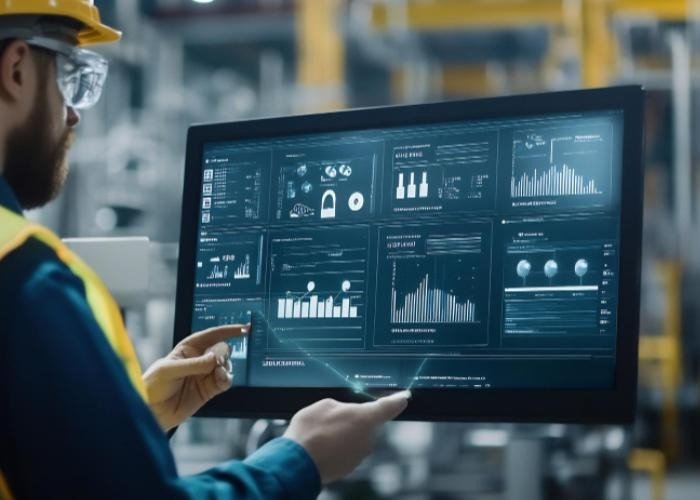
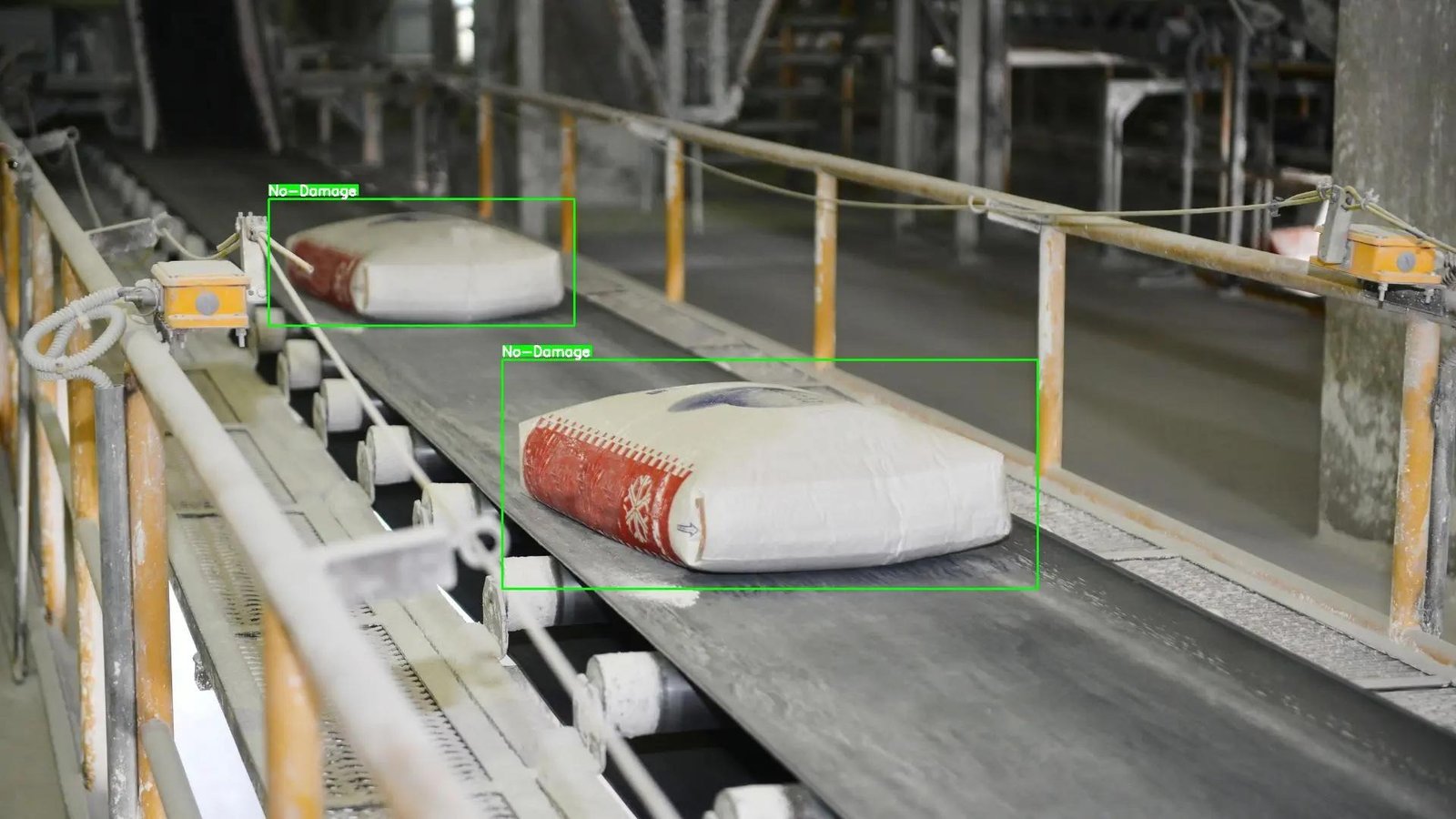
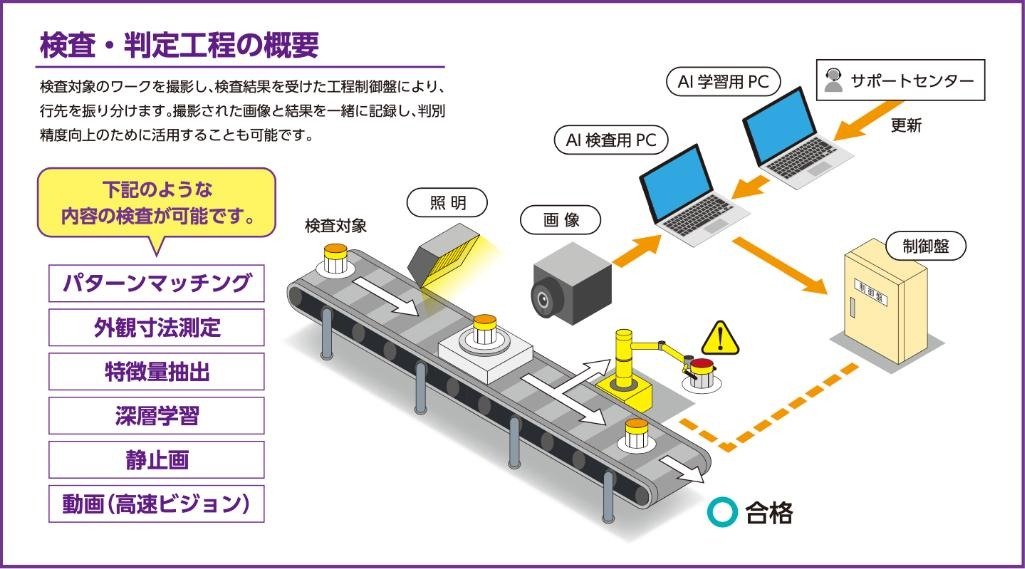
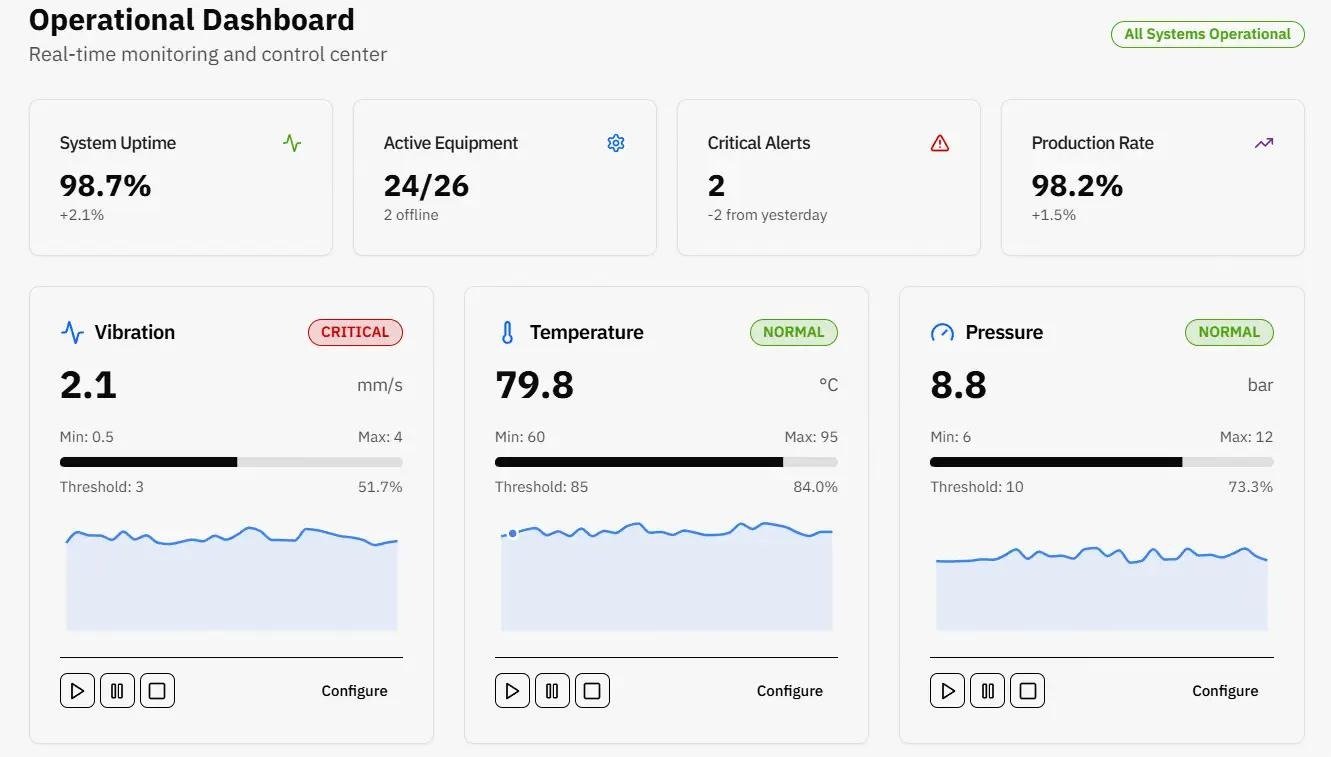
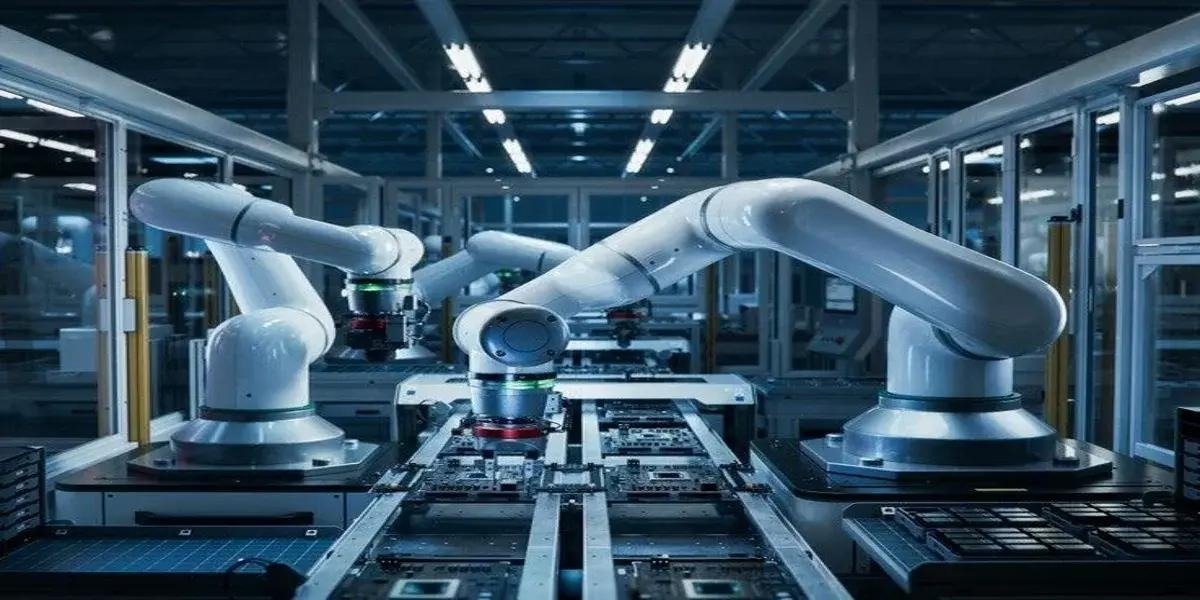
One of the most impactful applications of AI in manufacturing is predictive maintenance.
By analyzing machine data such as:
- Vibration
- Temperature
- Pressure
- Operating cycles
AI systems can predict equipment failures before they happen.
This helps manufacturers:
- Reduce unplanned downtime
- Extend equipment lifespan
- Optimize maintenance schedules
- Improve operational reliability
At the same time, AI-powered computer vision systems improve quality control by identifying defects and anomalies during production in real time.
This reduces:
- Scrap
- Rework
- Manual inspection dependency
- Quality inconsistencies
2. Digital Twins and Intelligent Manufacturing Simulation
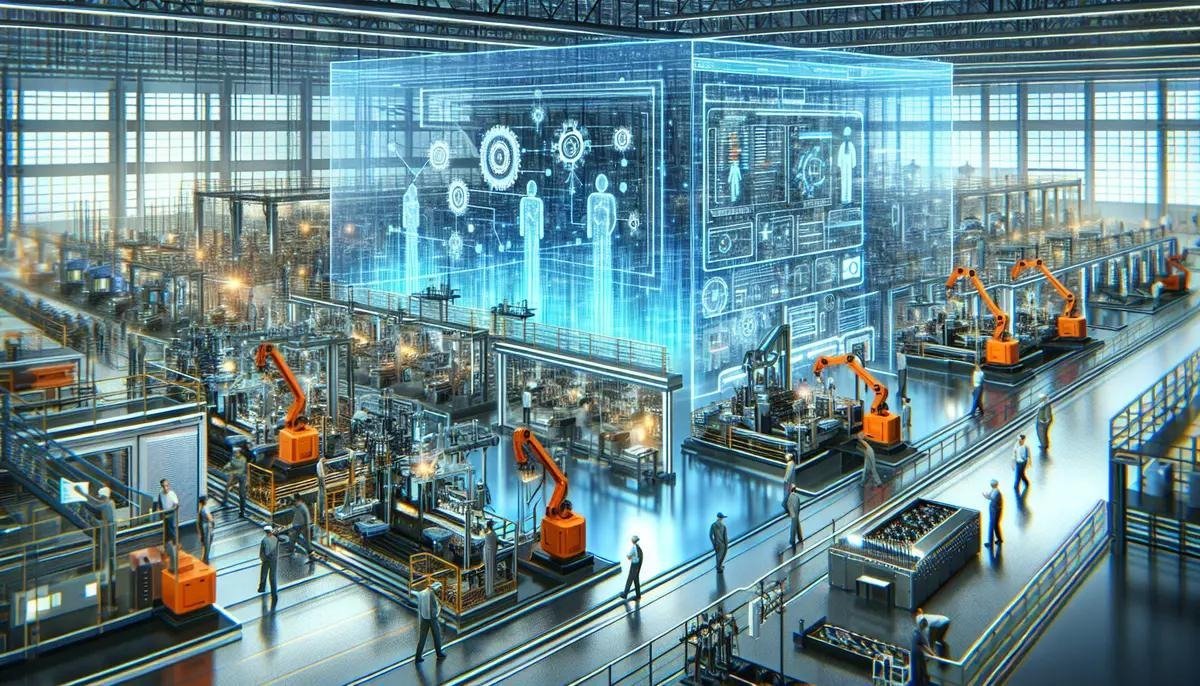
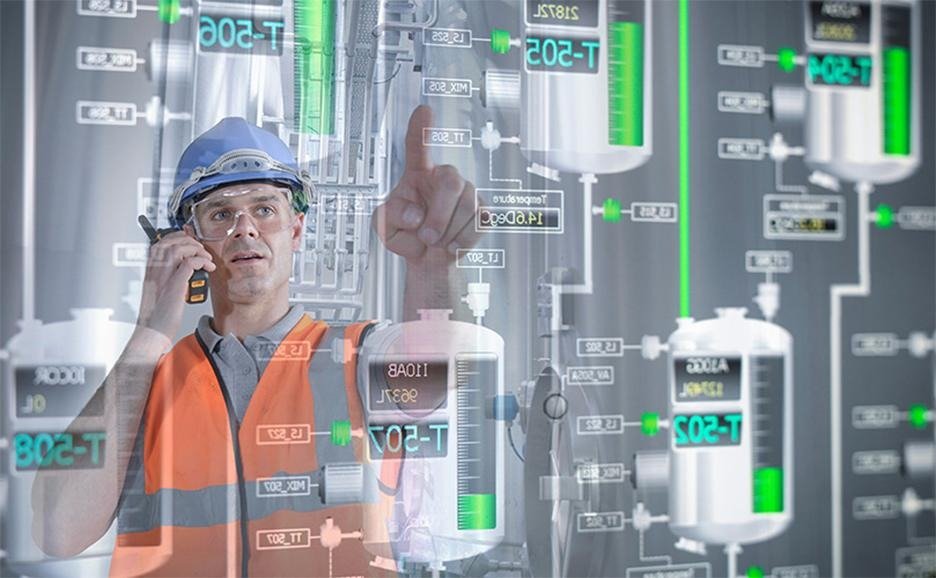
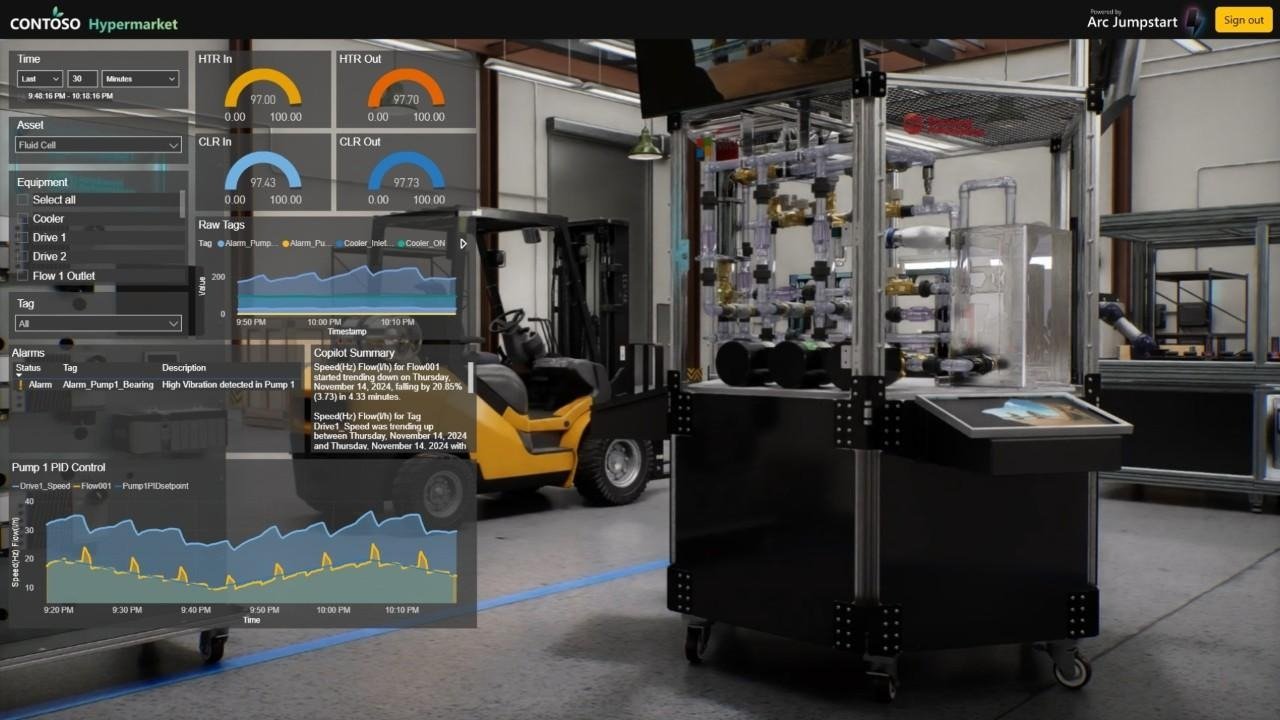
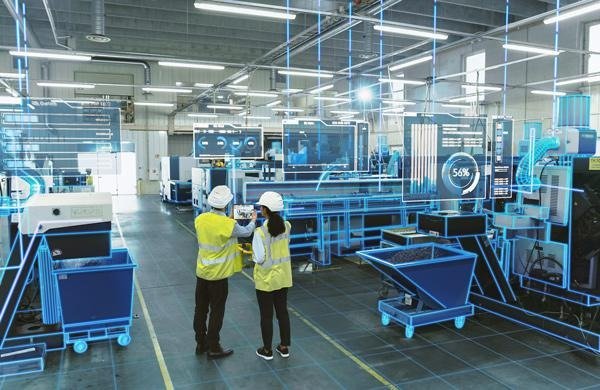
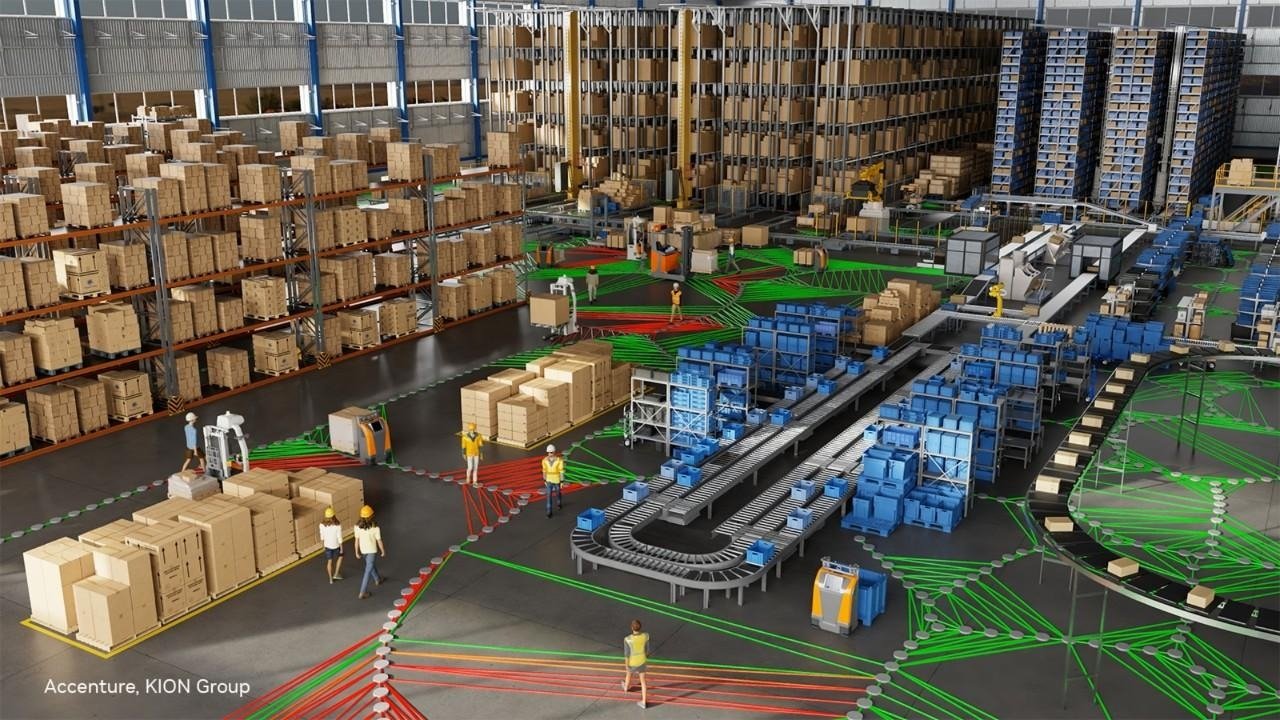

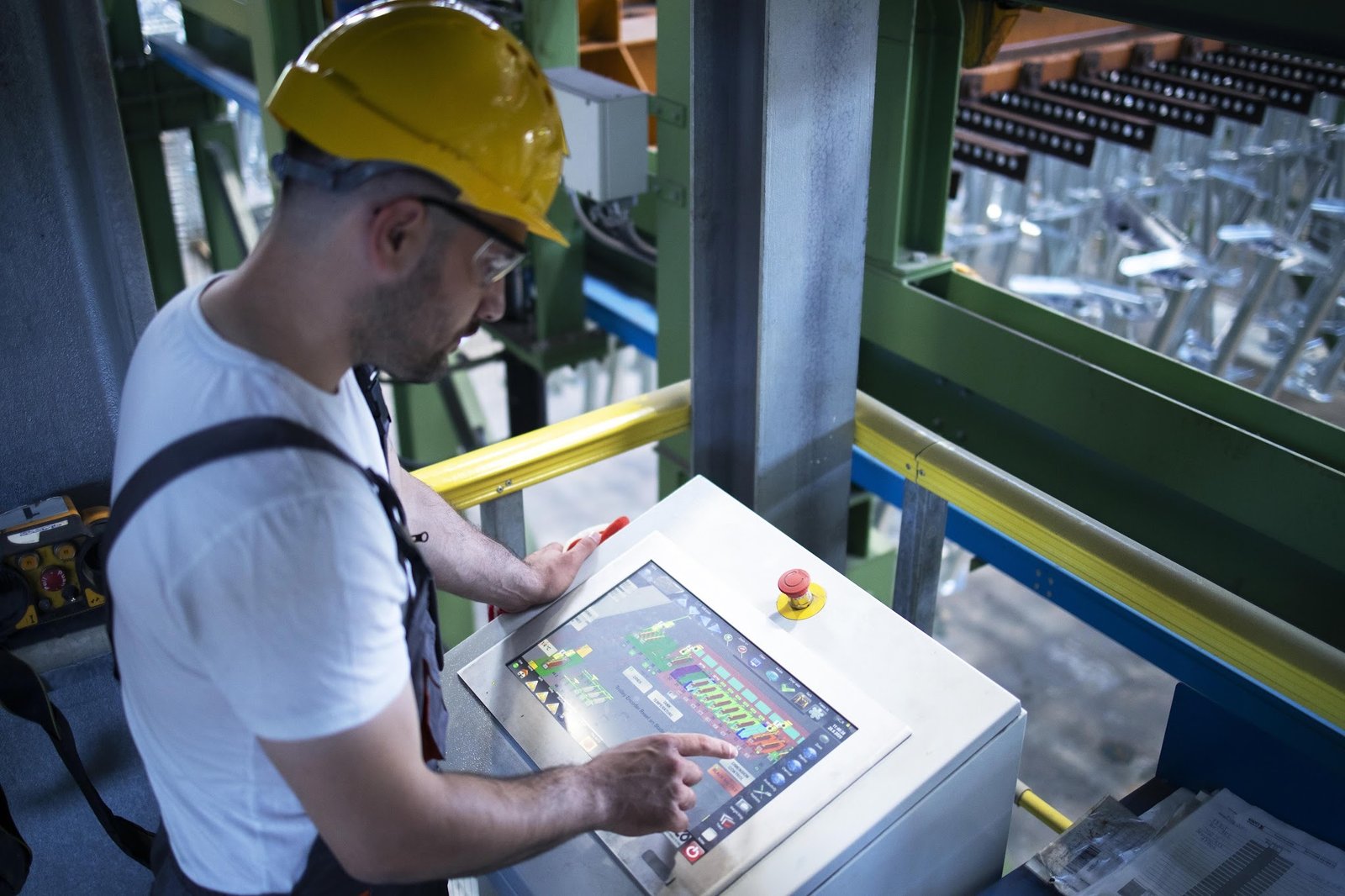
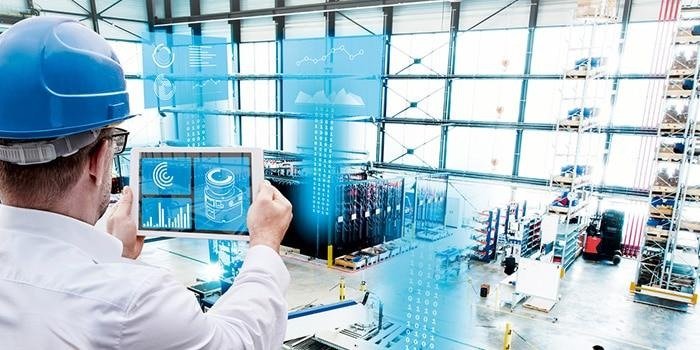
A digital twin is a virtual representation of a physical asset, production line, or factory.
Using:
- IoT sensors
- Real-time operational data
- AI-powered analytics
digital twins simulate manufacturing environments in real time.
Manufacturers use digital twins to:
- Predict operational failures
- Test process improvements
- Optimize equipment performance
- Improve production planning
Digital twins reduce operational risk while improving decision-making and efficiency.
3. Supply Chain Optimization
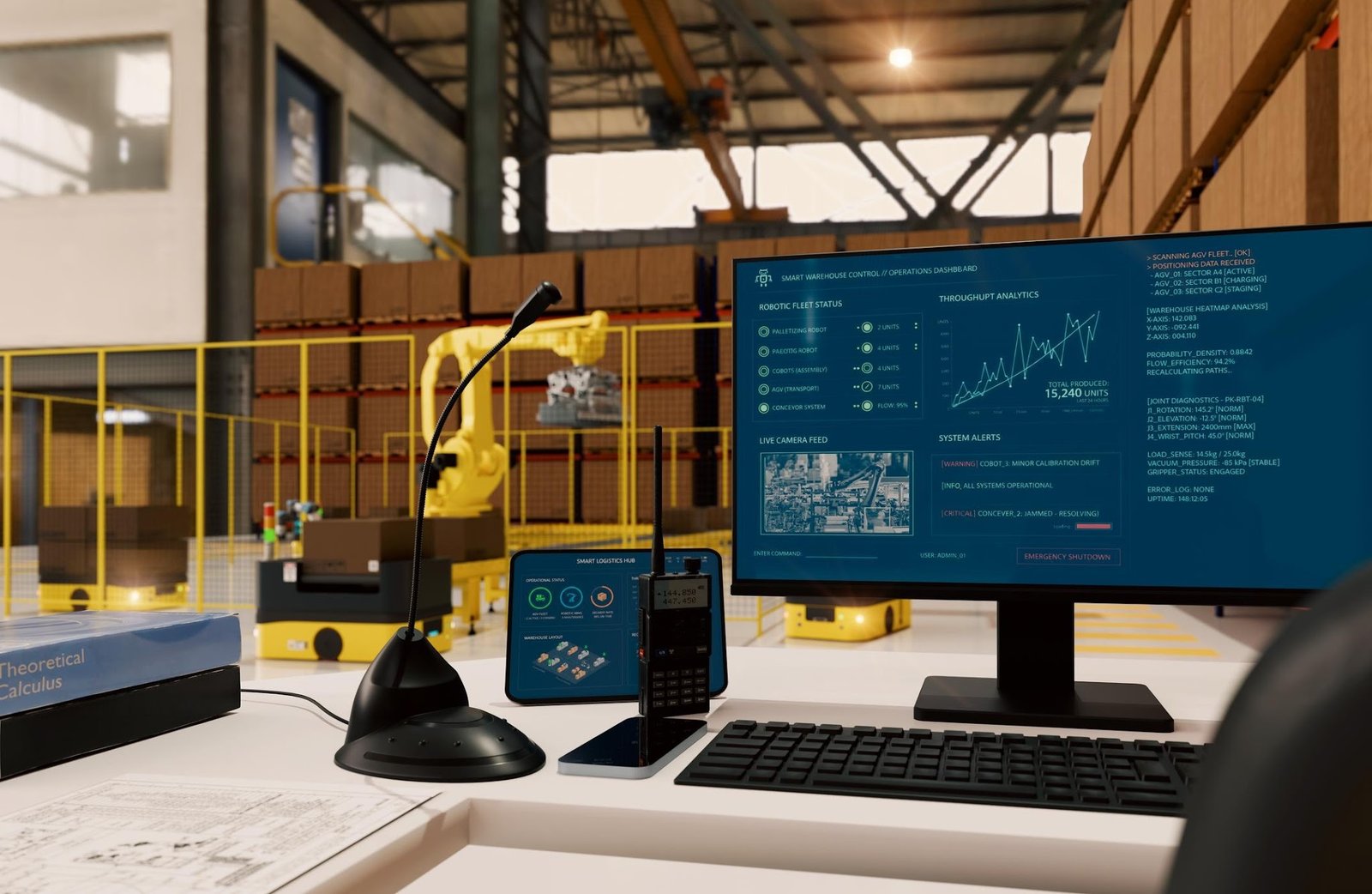
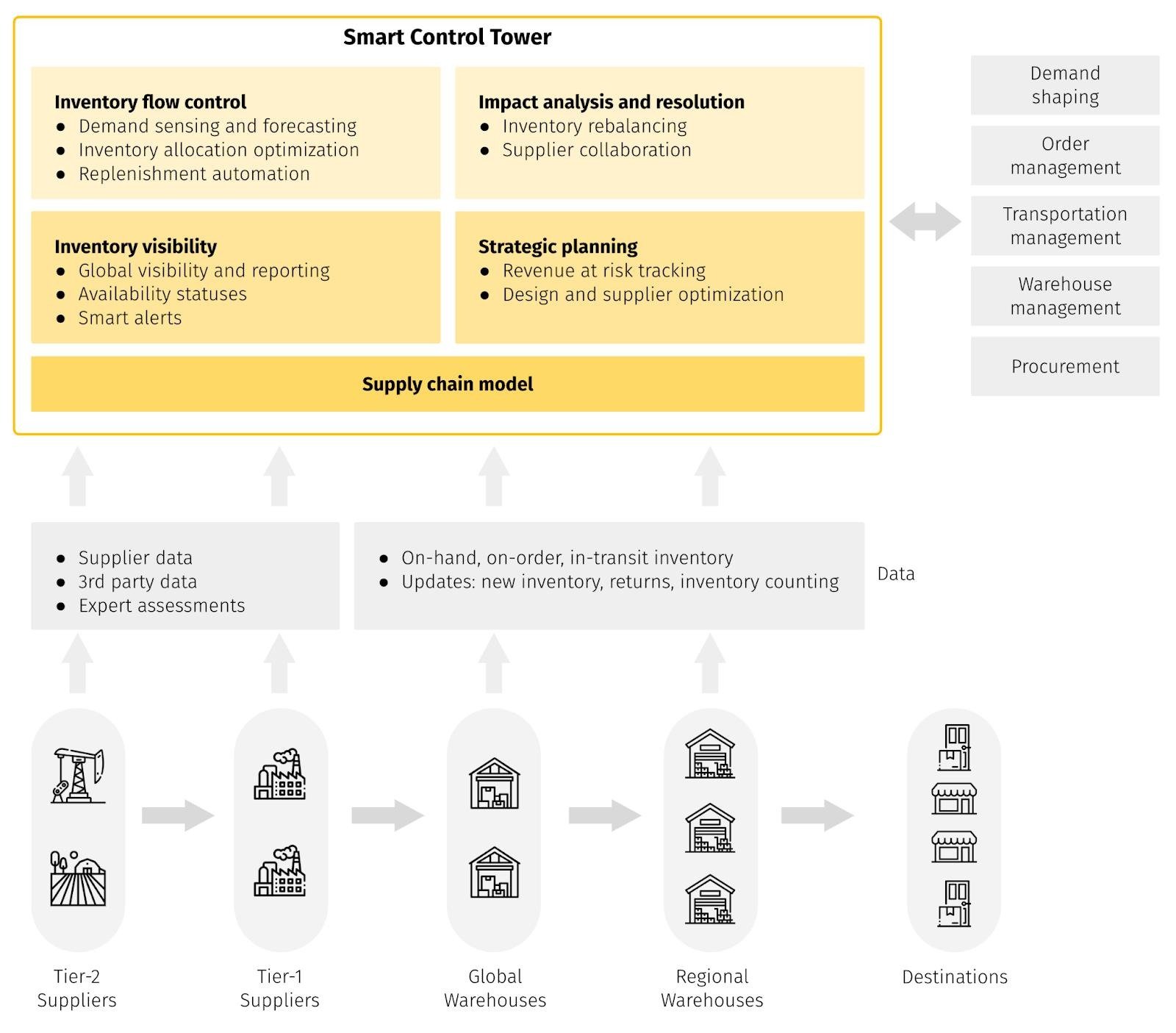
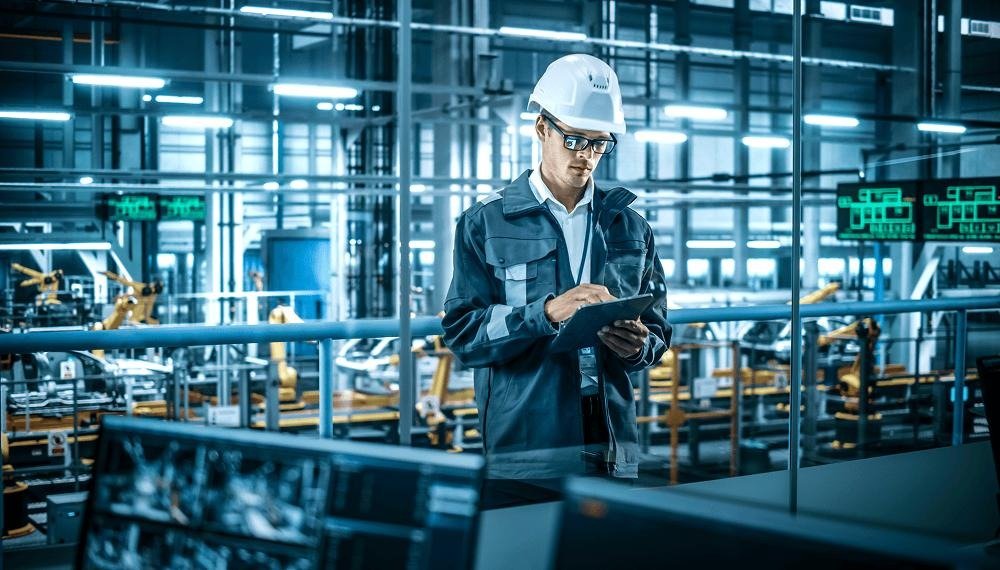
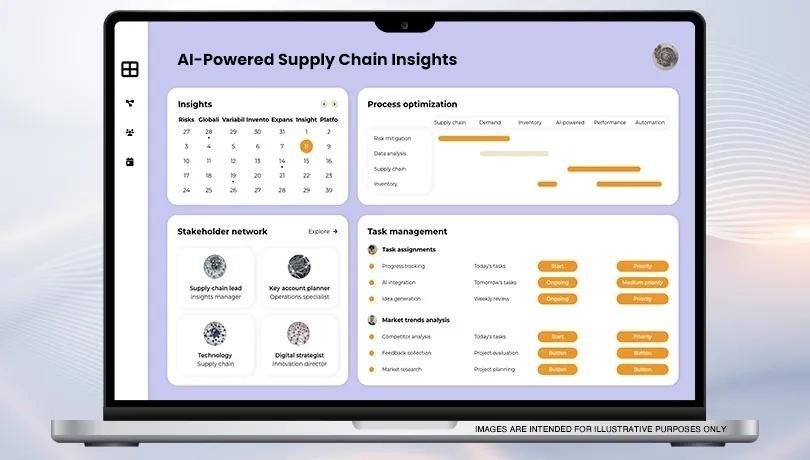
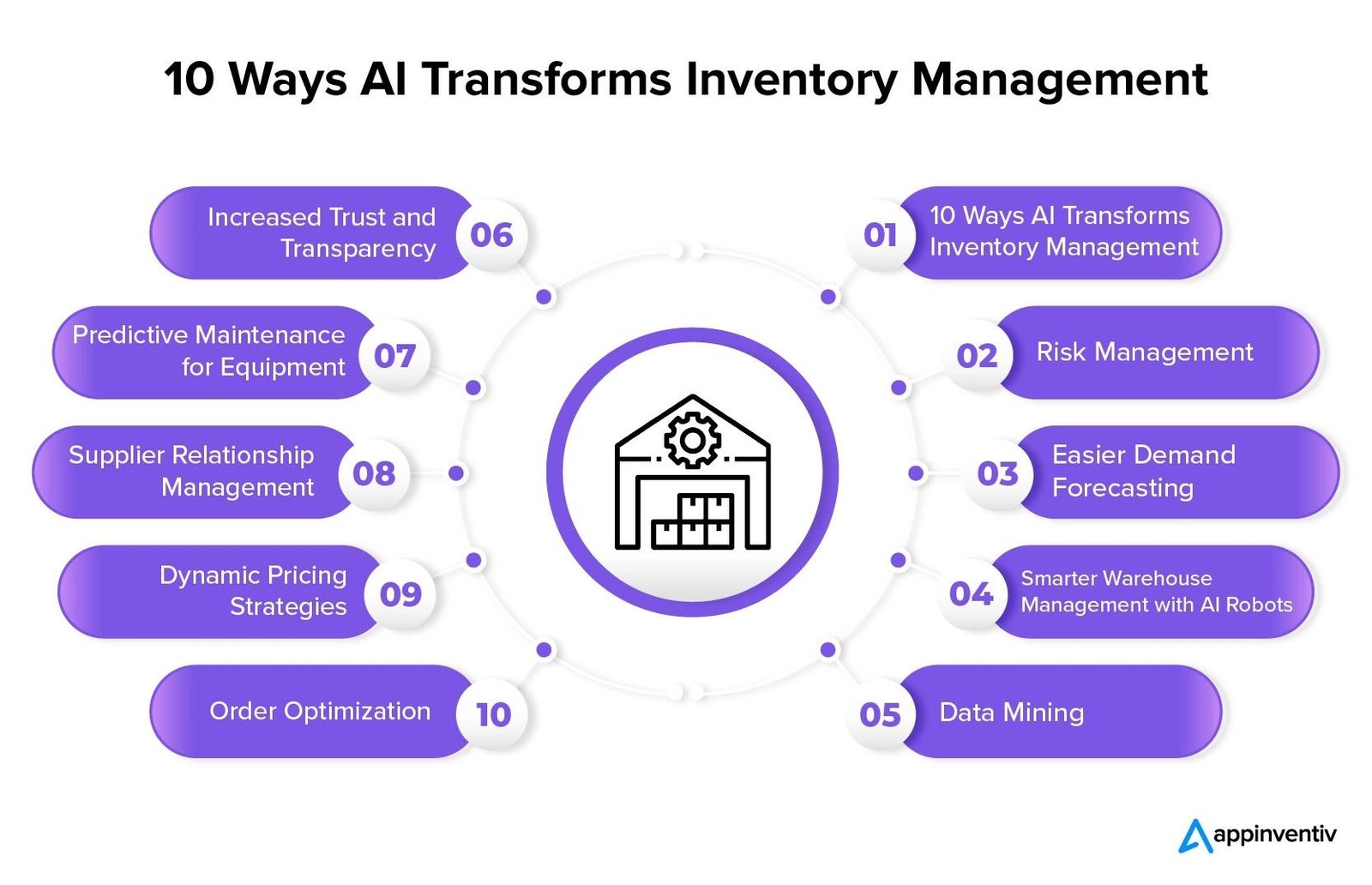

AI is helping manufacturers create smarter and more resilient supply chains.
Machine learning models analyze large datasets to:
- Improve demand forecasting
- Optimize inventory management
- Detect supply chain risks early
- Improve procurement planning
- Enhance logistics efficiency
This enables manufacturers to respond faster to disruptions and improve operational resilience.
4. Process Optimization and Operational Efficiency
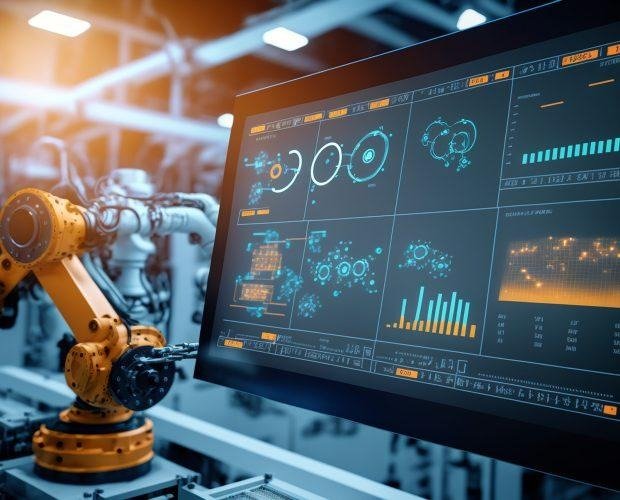
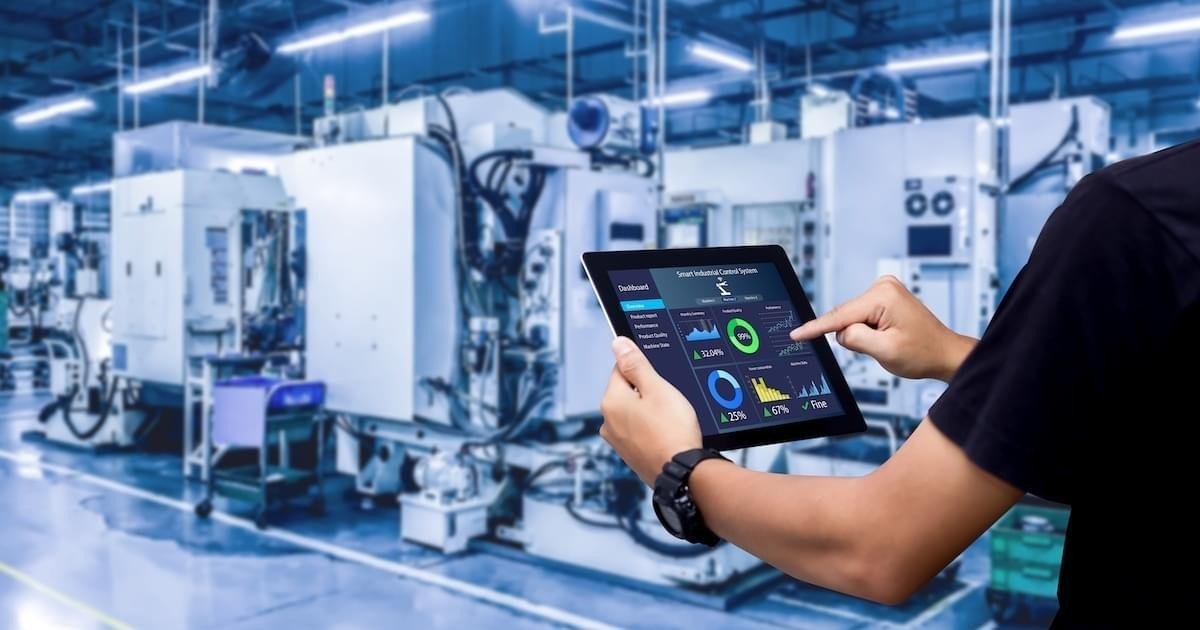
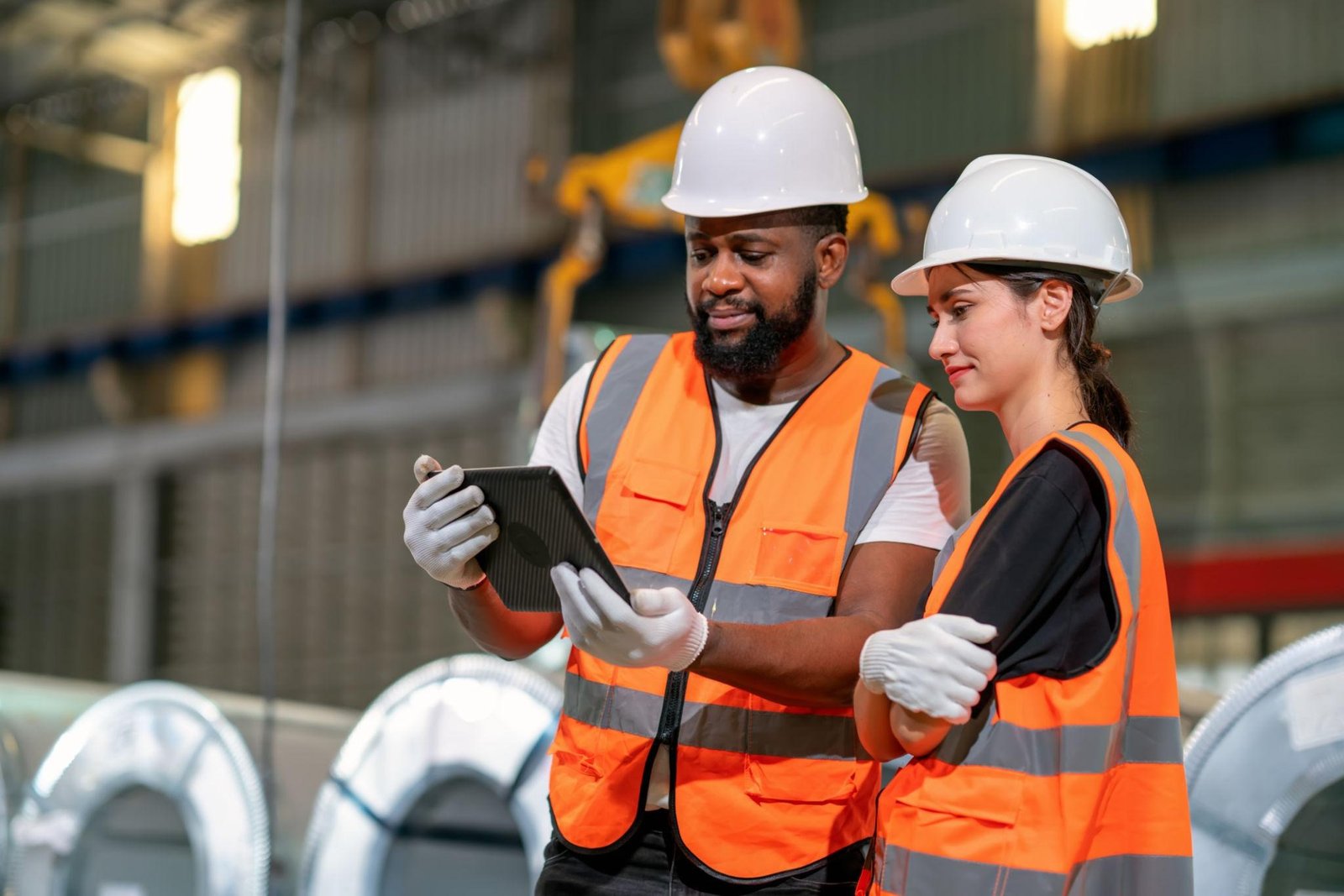
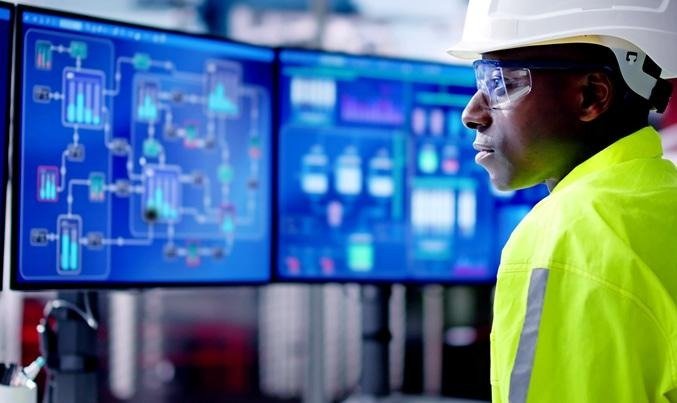
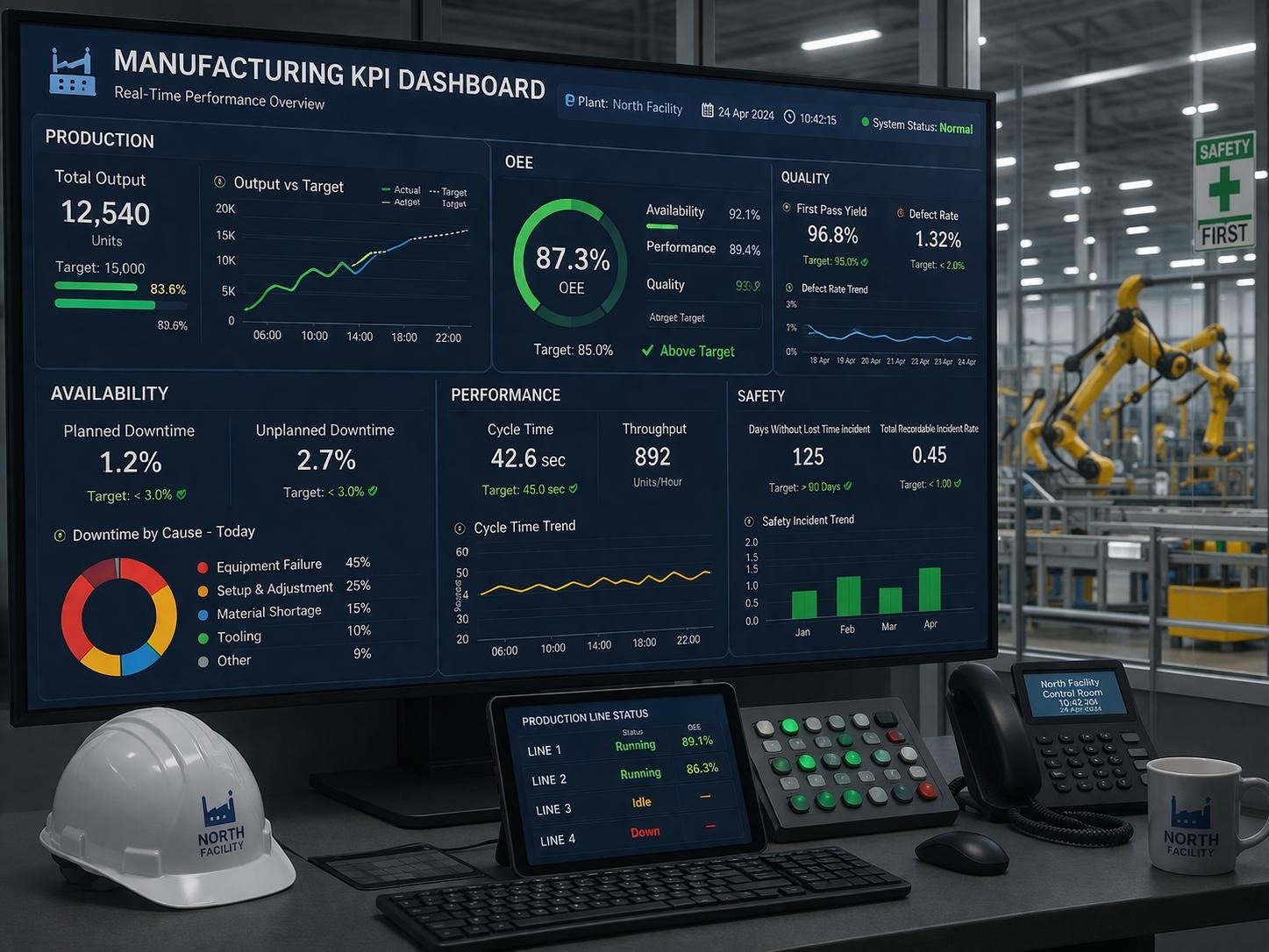
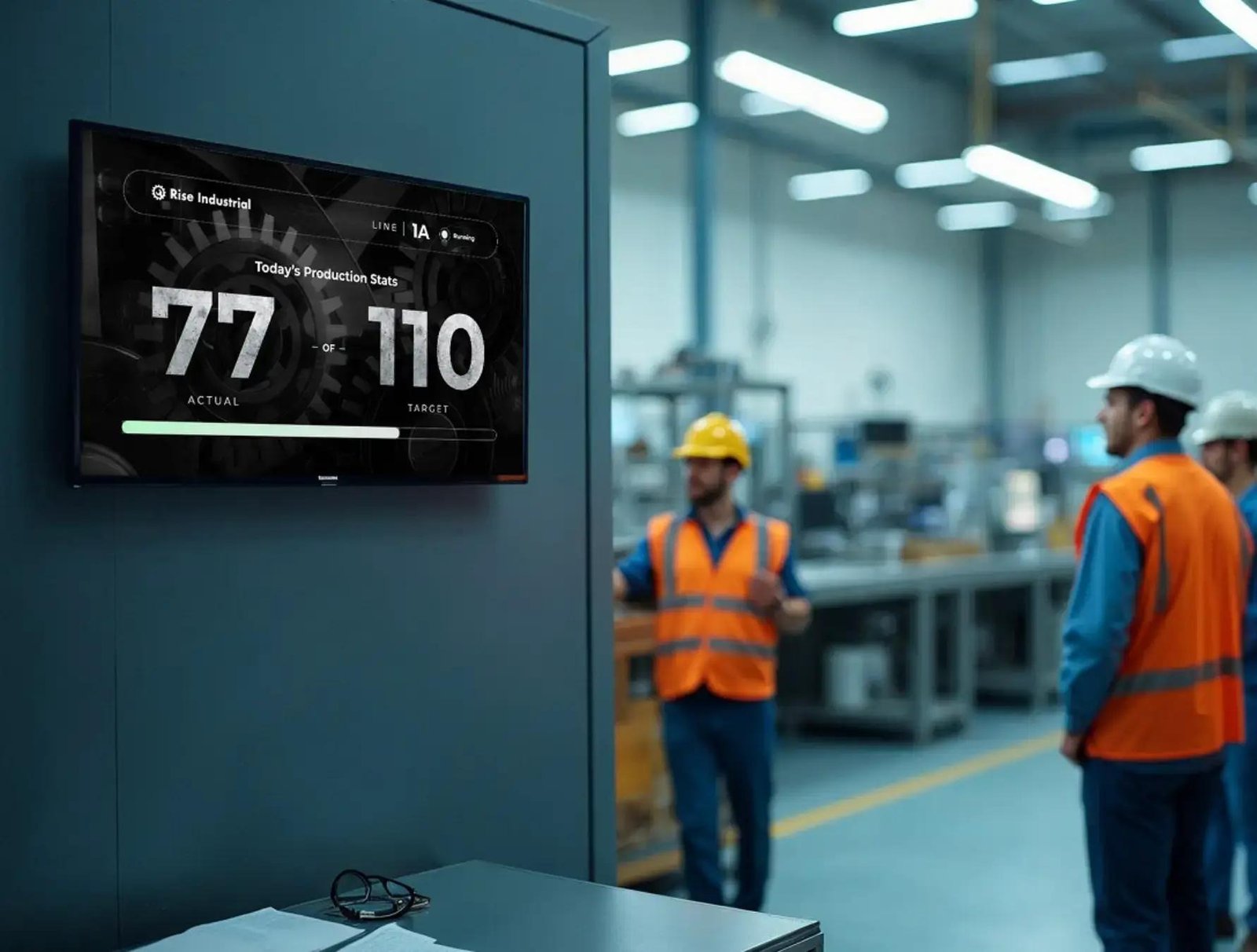
AI systems continuously analyze factory-floor data to identify:
- Bottlenecks
- Inefficiencies
- Resource wastage
- Production delays
Manufacturers can use these insights to:
- Improve throughput
- Optimize workflows
- Reduce energy consumption
- Improve resource utilization
This creates more efficient and data-driven manufacturing operations.
5. Automation and Workforce Augmentation
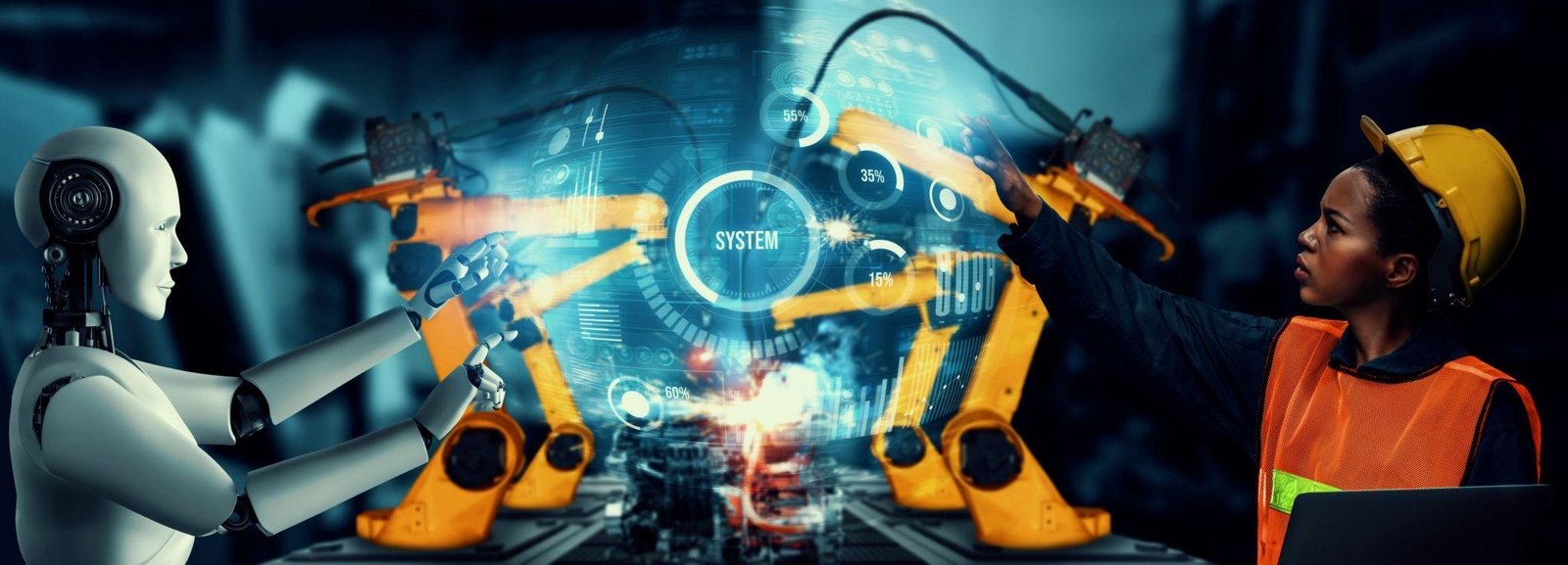
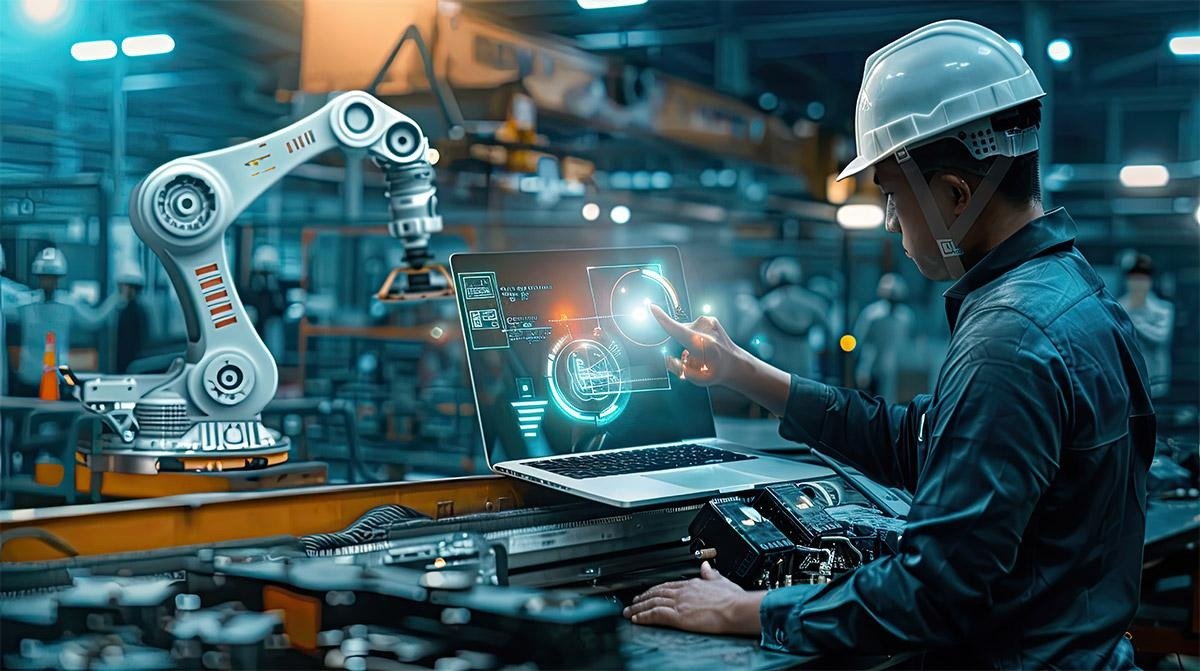
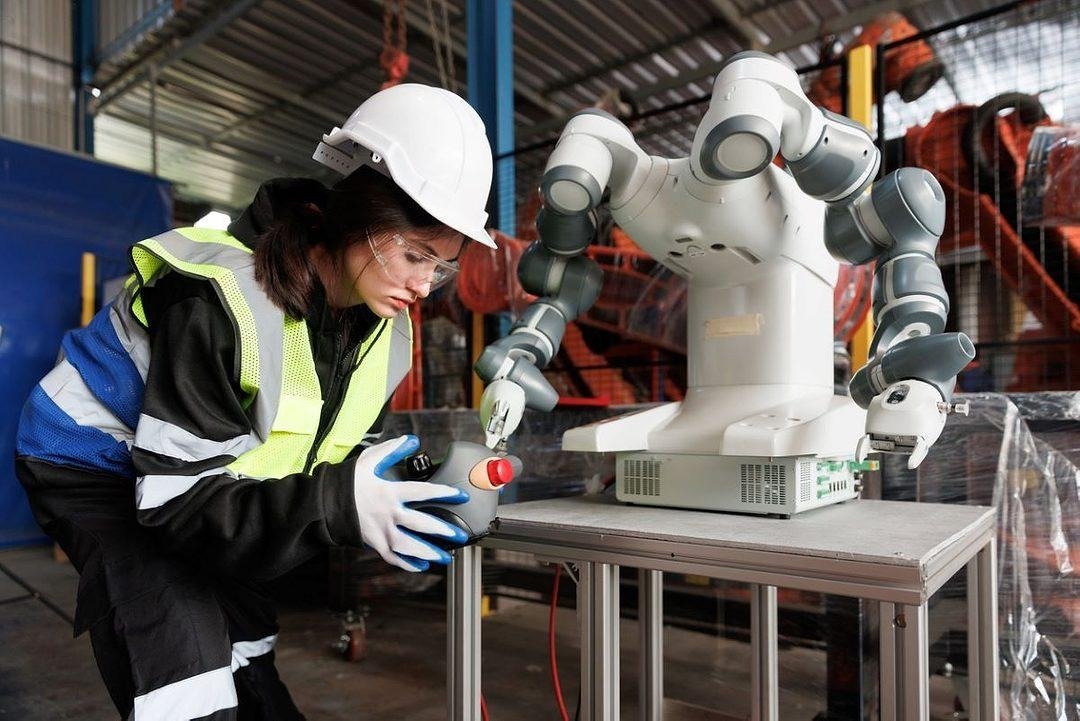
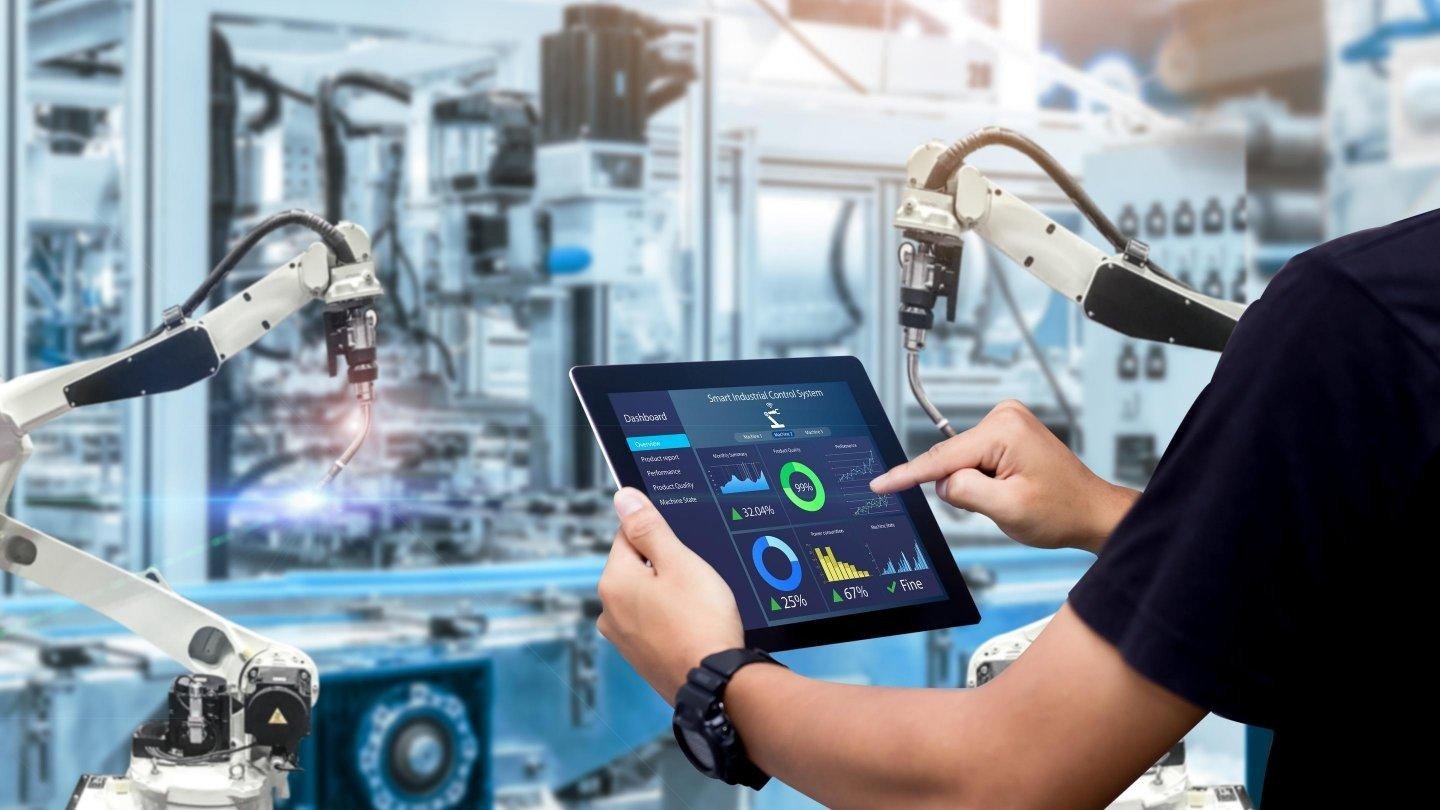
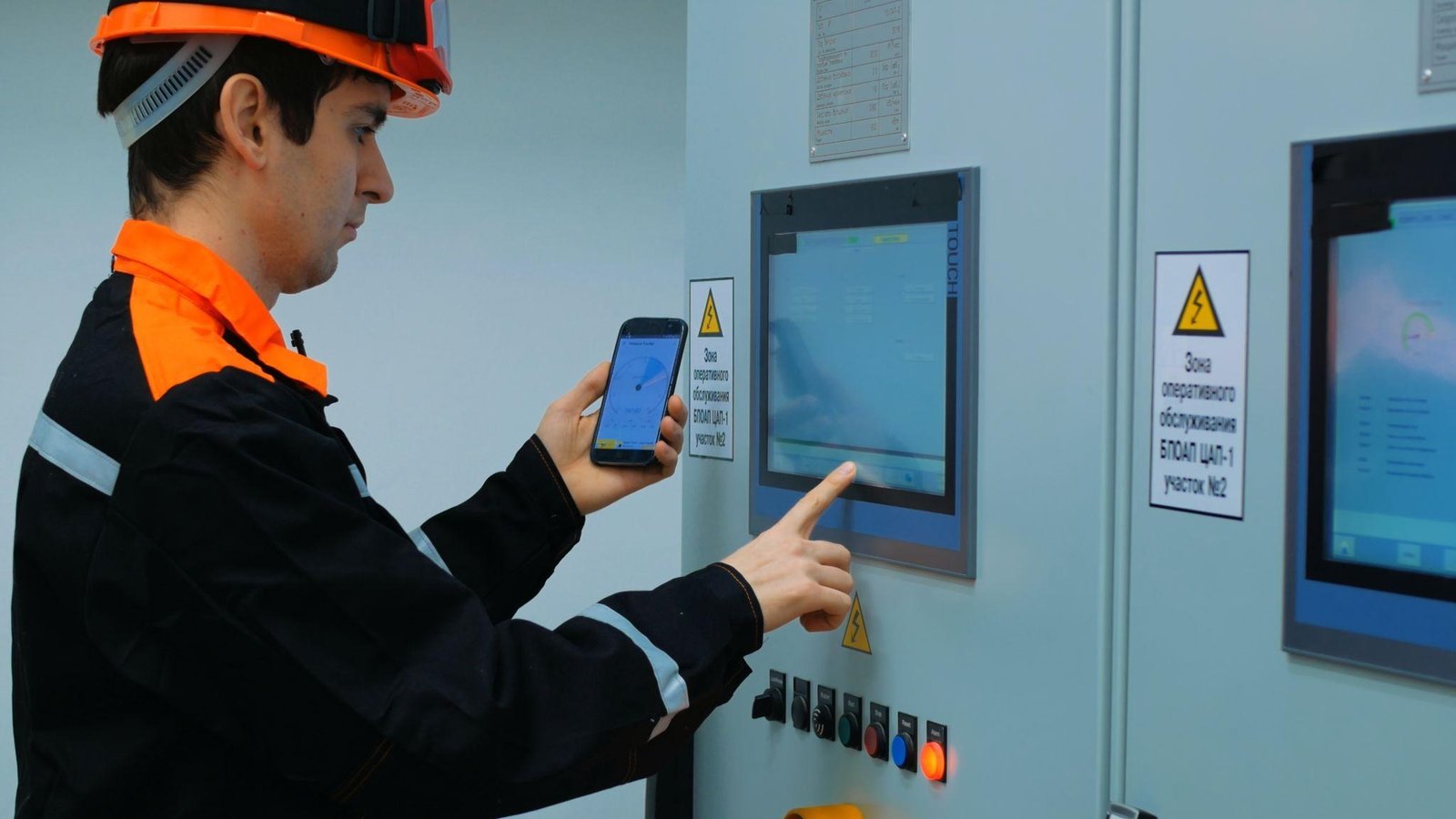
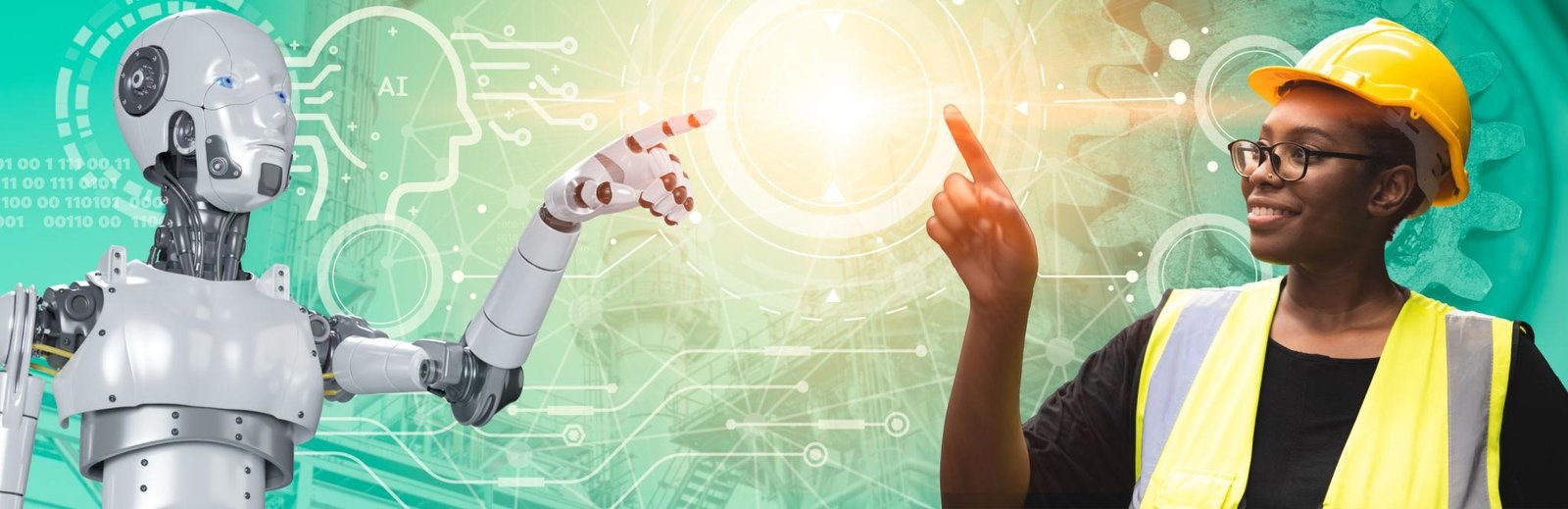
AI-powered automation systems and collaborative robots (cobots) help manufacturers automate repetitive and labor-intensive tasks.
This allows employees to focus on:
- Strategic decision-making
- Problem-solving
- Process improvement
- Higher-value operational activities
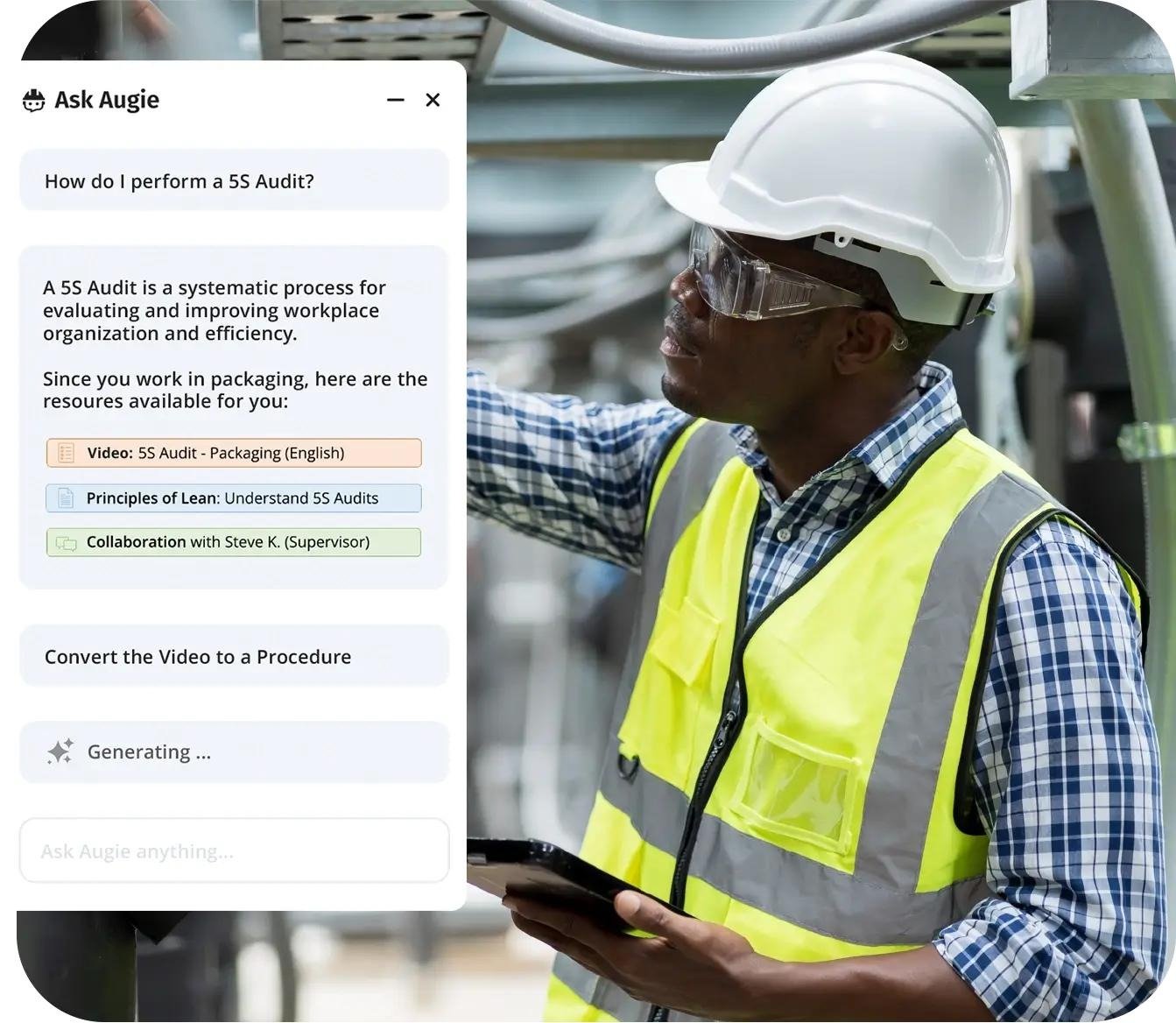
AI also supports workforce productivity through:
- AI copilots
- Intelligent task recommendations
- Operational insights
- Real-time guidance systems
This creates a more connected and efficient workforce environment.
6. Product Development and Customization
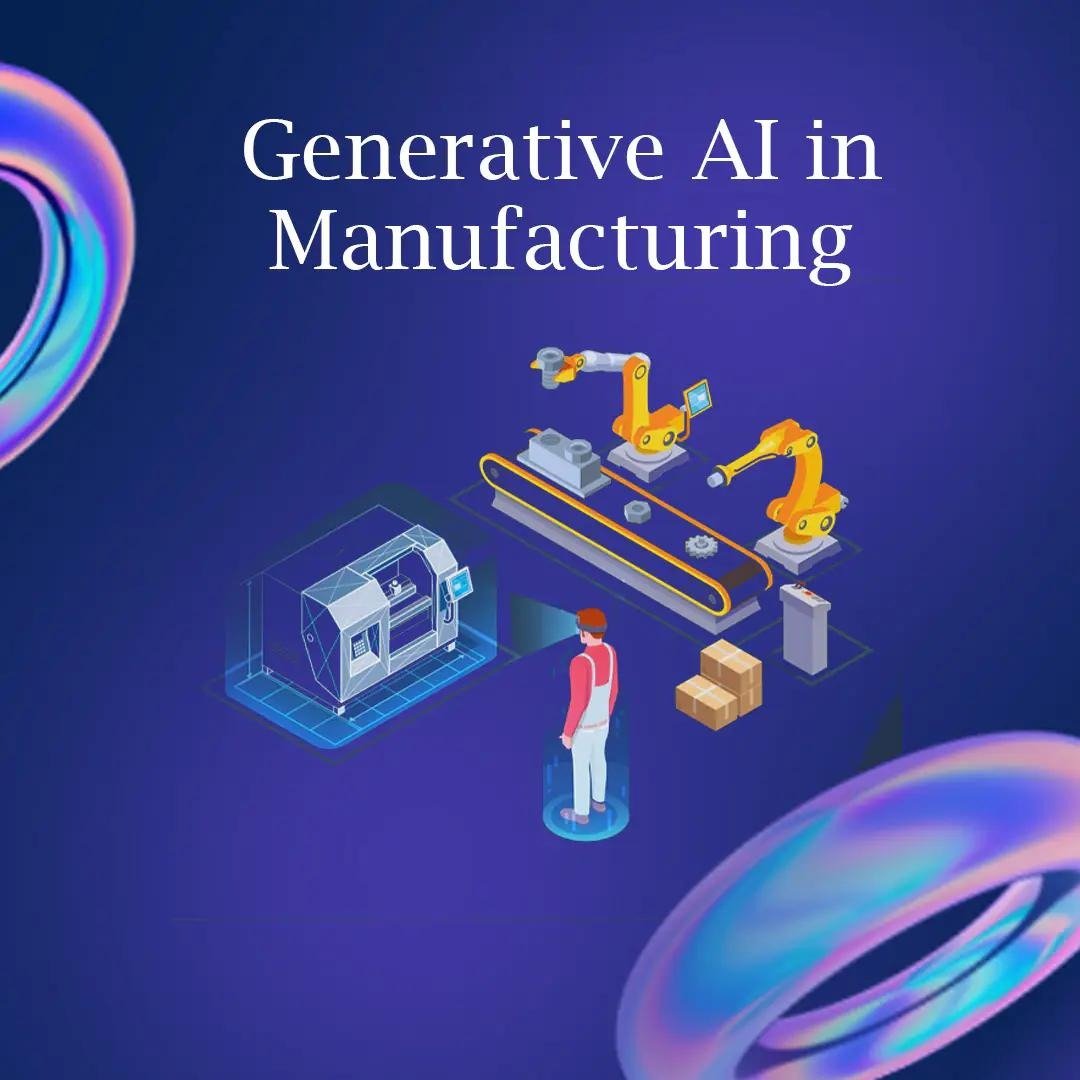
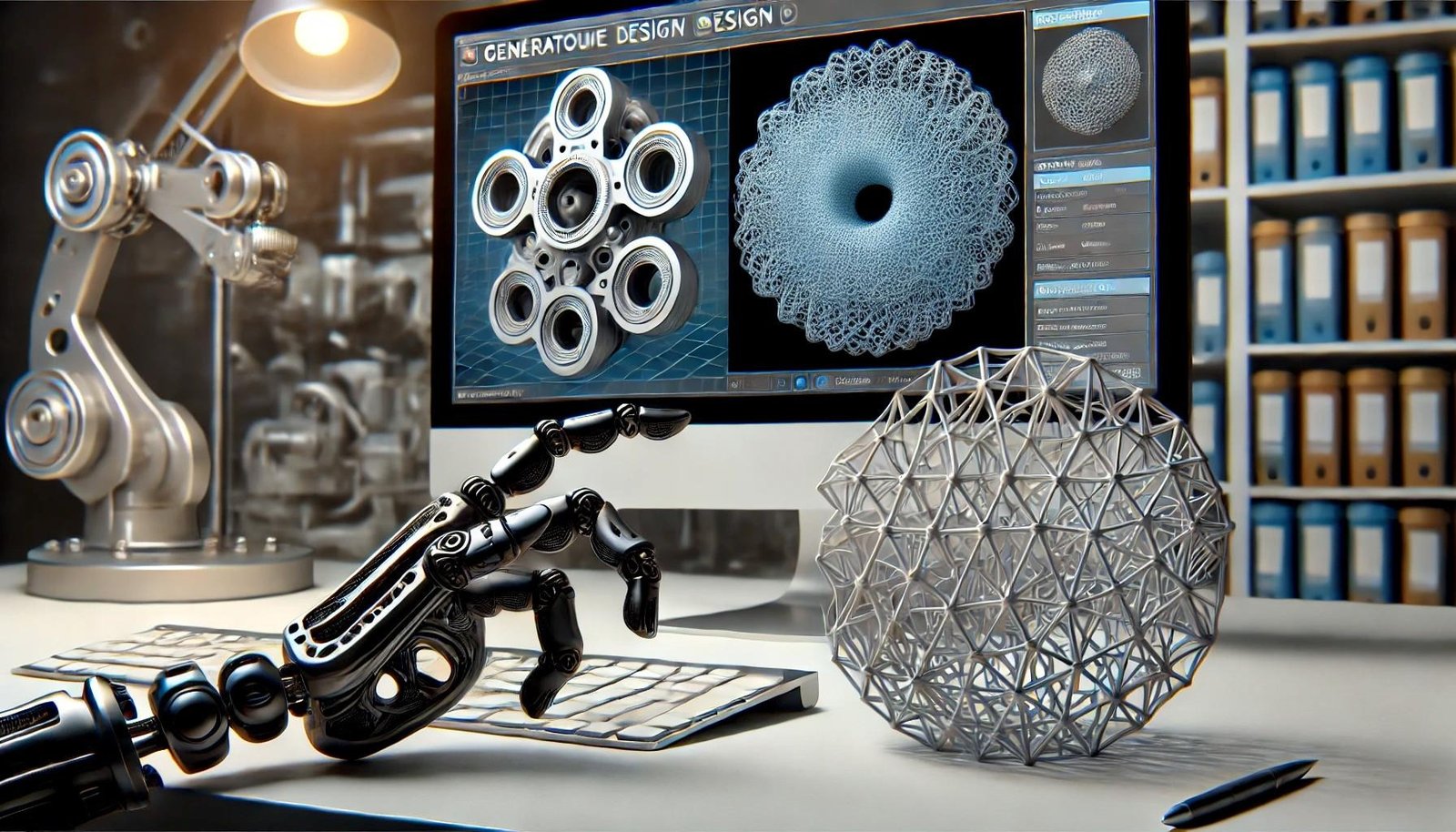

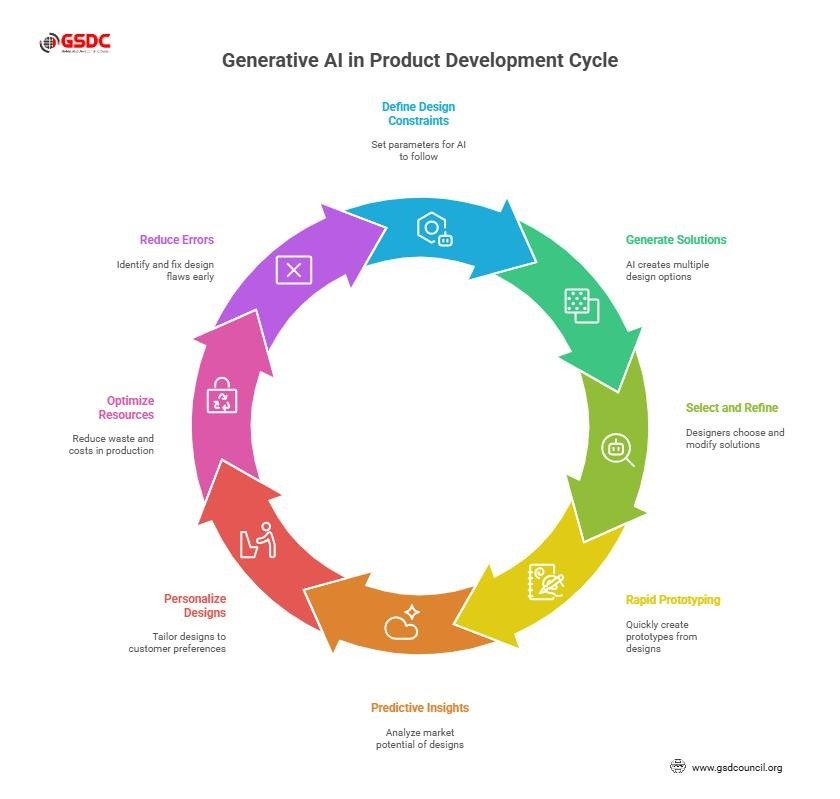
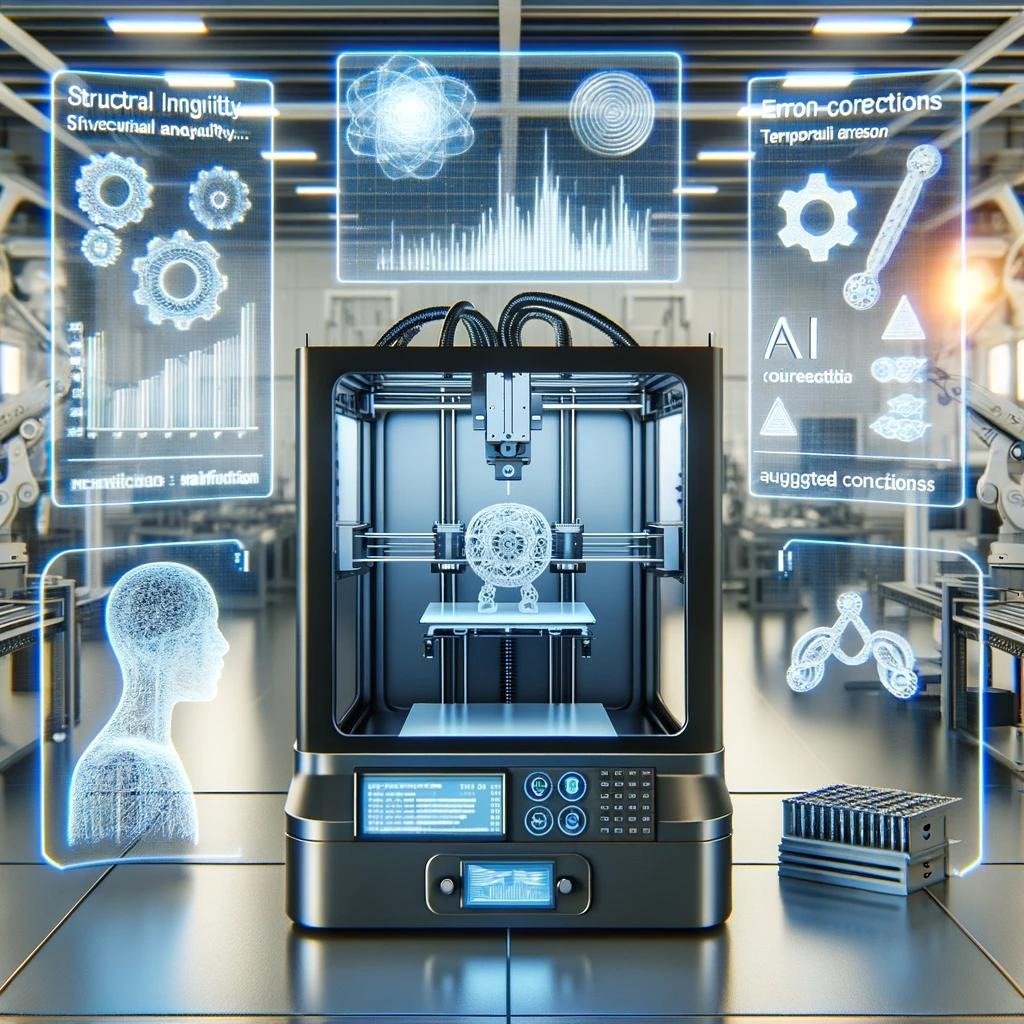
AI helps manufacturers accelerate product development by analyzing:
- Customer preferences
- Market trends
- Product performance data
Manufacturers can:
- Generate design alternatives
- Simulate product performance
- Reduce prototyping cycles
- Improve product customization
This supports faster innovation and improved customer responsiveness.
Benefits of AI in Manufacturing
Better Product Quality
AI-powered quality systems improve consistency and reduce defects through continuous monitoring and automated inspection.
Improved Decision-Making
AI provides real-time operational insights that help leaders and teams make faster and more informed decisions.
Increased Productivity
Automation and process optimization allow manufacturers to improve throughput without compromising quality.
Reduced Operational Costs
AI reduces:
- Downtime
- Waste
- Maintenance costs
- Energy consumption
- Inventory inefficiencies
This directly improves profitability.
Sustainability and Resource Optimization
AI helps manufacturers reduce environmental impact through:
- Energy optimization
- Reduced material waste
- Smarter logistics and resource management
Competitive Advantage
Manufacturers adopting AI can respond faster to market changes, improve operational agility, and scale innovation more effectively.
Current Trends Shaping AI in Manufacturing
Generative AI
Generative AI is being used for:
- Engineering support
- Product design assistance
- Document summarization
- AI copilots
- Knowledge management
It is making AI more accessible to non-technical users across manufacturing organizations.
Conversational AI and AI Copilots
AI copilots enable employees to interact with AI systems using natural language instead of technical commands.
This improves accessibility and accelerates operational adoption.
Edge Computing
Edge computing allows manufacturers to process operational data directly at the machine or production-line level.
This supports:
- Faster analytics
- Real-time monitoring
- Lower latency
- Improved automation responsiveness
Smart Factories and Industry 4.0
AI is becoming a foundational component of smart factory initiatives by connecting:
- Machines
- Systems
- People
- Data
into integrated and intelligent manufacturing environments.
Challenges of AI Adoption in Manufacturing
Data Quality and Integration
AI systems require reliable, structured, and accessible operational data.
Many manufacturers still face challenges with fragmented or legacy systems.
Workforce Skills and Training
Organizations need employees with capabilities in:
- AI systems
- Data analytics
- Digital manufacturing
- Automation technologies
Upskilling is critical for successful adoption.
Cybersecurity and Data Protection
Connected manufacturing systems increase cybersecurity risks.
Manufacturers must ensure secure:
- Industrial networks
- Operational systems
- Data management frameworks
Change Management
AI adoption often requires significant operational and cultural transformation.
Leadership alignment and workforce engagement are essential.
Infrastructure and Implementation Costs
AI implementation may require investment in:
- Sensors and IoT systems
- Data infrastructure
- Cloud and edge computing
- AI platforms and integration systems
Manufacturers should adopt phased and strategic implementation approaches.
Getting Started with AI in Manufacturing
Understand the Business Problem
Manufacturers should begin by identifying operational challenges where AI can create measurable business value.
Examples include:
- Downtime reduction
- Quality improvement
- Energy optimization
- Supply chain visibility
Build a Data Foundation
AI depends on high-quality operational data.
Organizations should improve:
- Data collection
- Connectivity
- Sensor deployment
- System integration
Start with High-Impact Use Cases
Manufacturers should begin with focused pilot projects that demonstrate clear ROI before scaling further.
Collaborate with the Right Ecosystem
Successful AI adoption requires collaboration between:
- Manufacturing teams
- Technology providers
- AI experts
- Industry associations
- Academic institutions
The manAIhub Vision
At manAIhub, the mission is to accelerate AI adoption across manufacturing by building a collaborative industrial ecosystem.
manAIhub connects:
- Plant leaders and CXOs
- Engineers and quality heads
- AI and data experts
- Solution providers
- Academia and trade associations
The platform is structured around six core tracks:
- Smart Maintenance
- Quality and Inspection
- Production Optimization
- Supply Chain and Planning
- Energy and Sustainability
- Workforce Augmentation
By enabling collaboration, knowledge sharing, and real-world implementation, manAIhub helps manufacturers move from AI exploration to scalable transformation.
Final Thought
AI is no longer a future concept in manufacturing – it is becoming a strategic operational capability.
The manufacturers that embrace AI effectively will build:
- Smarter factories
- More resilient supply chains
- Higher productivity
- Sustainable operations
- Stronger competitive advantage