
A manAIhub Perspective
Energy costs are one of the largest operational expenses in manufacturing plants. Rising electricity tariffs, increasing production demands, and sustainability pressures are forcing manufacturers to rethink how energy is consumed and managed.
Traditional energy management approaches often rely on periodic audits and manual monitoring. These methods provide limited visibility and usually identify problems only after inefficiencies have already occurred.
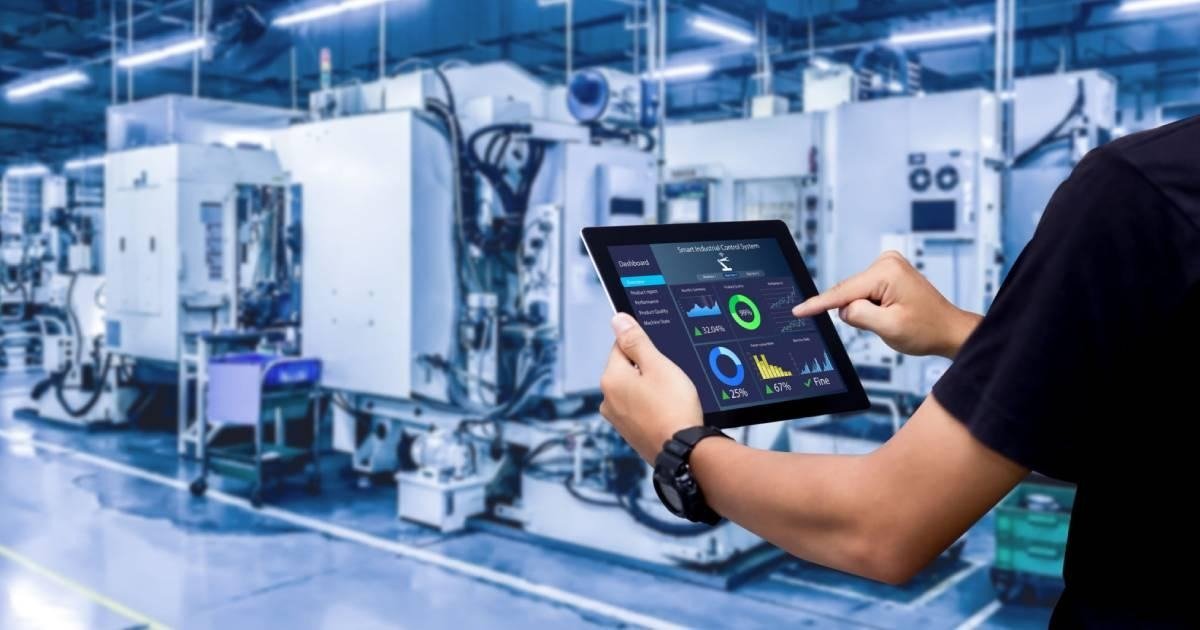
Artificial Intelligence (AI) is changing this by enabling manufacturers to monitor, analyze, and optimize power consumption in real time.
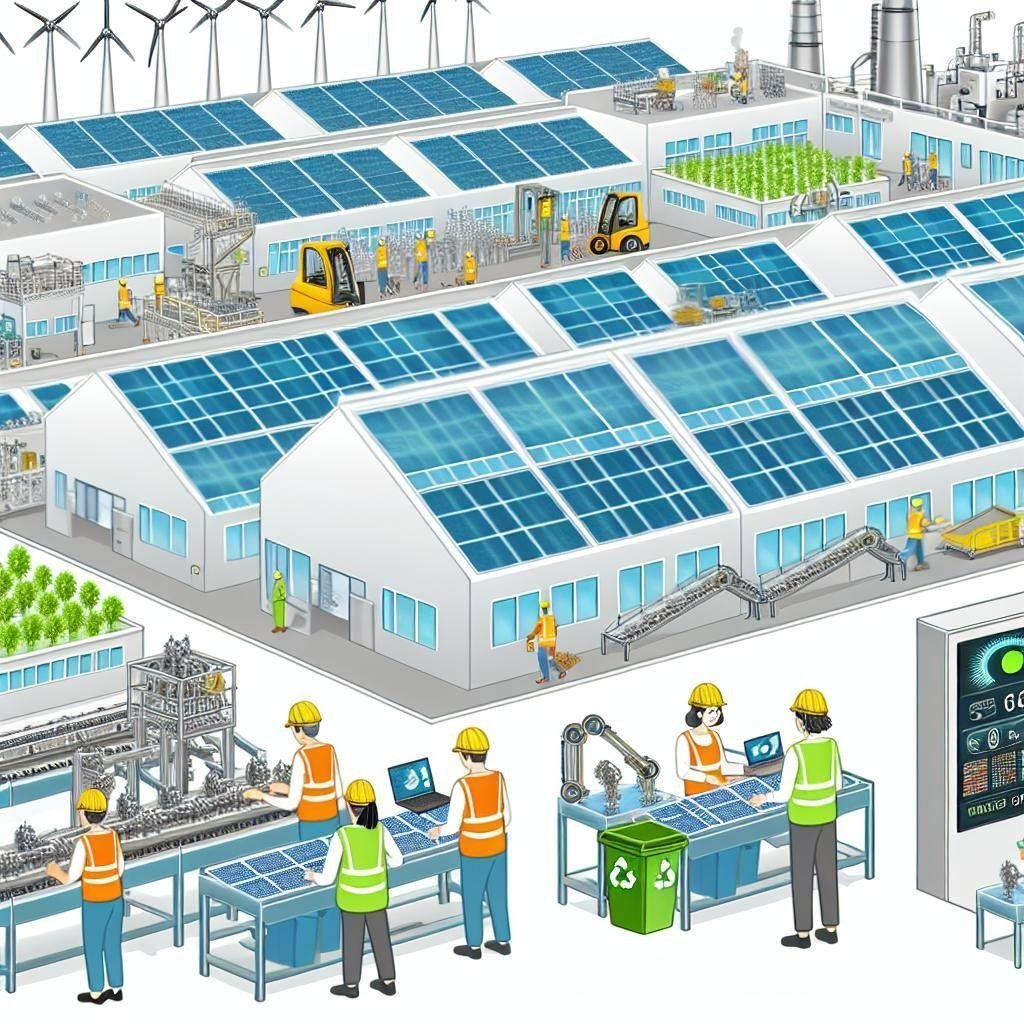
At manAIhub, we see energy optimization as one of the most practical and high-impact AI use cases for manufacturing organizations, especially for Indian MSMEs and energy-intensive industries.
Why Power Consumption is a Major Manufacturing Challenge
Manufacturing plants consume energy across multiple areas:
- Production machinery
- HVAC systems
- Compressors
- Lighting systems
- Utilities and support infrastructure
In many factories, energy inefficiencies remain hidden because:
- Machines operate unnecessarily during idle periods
- Equipment performance degrades over time
- Energy usage is not monitored at machine level
- Peak demand loads are poorly managed
Without real-time visibility, manufacturers often pay significantly more than necessary for energy consumption.
How AI Helps Reduce Power Consumption
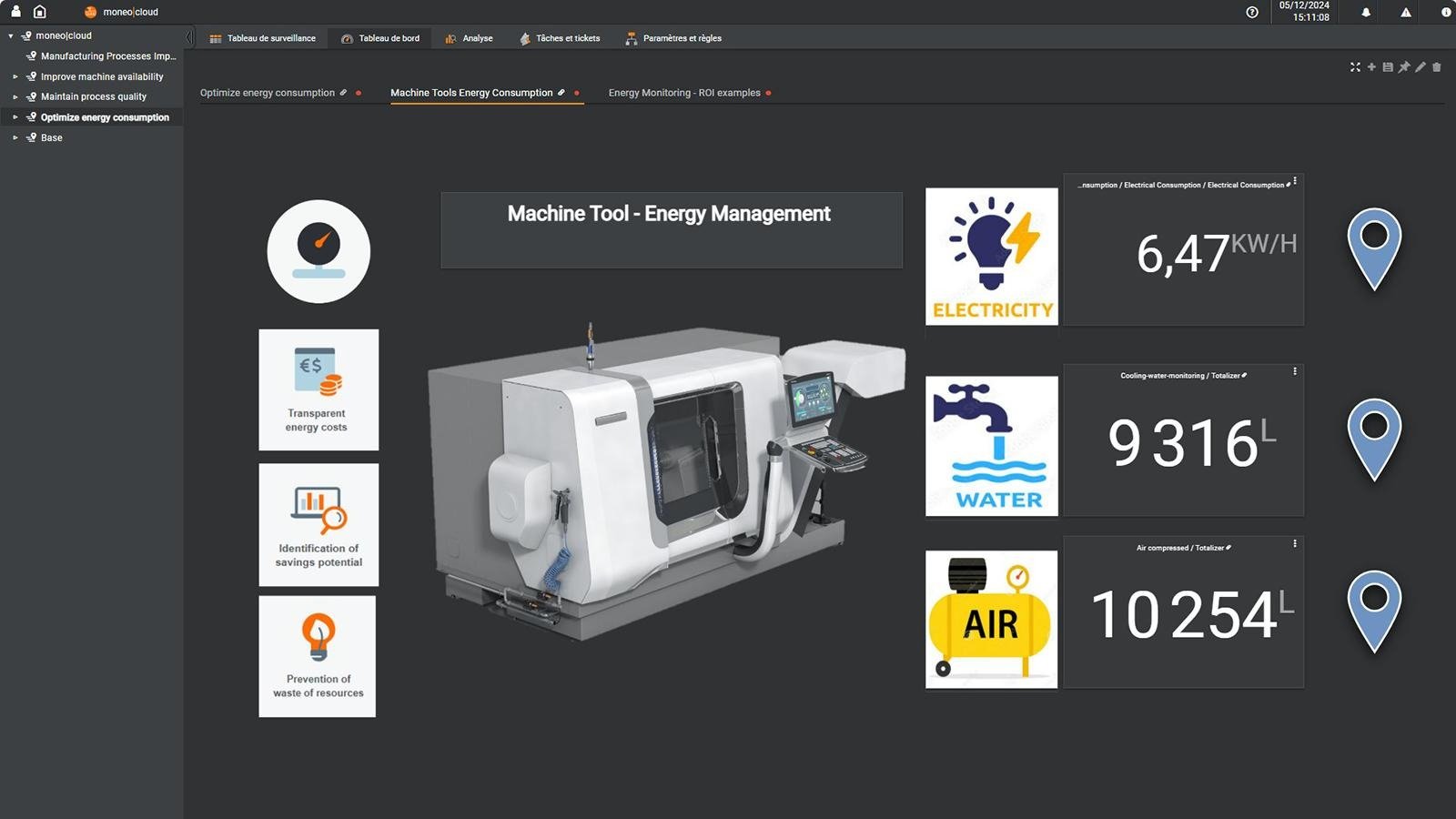
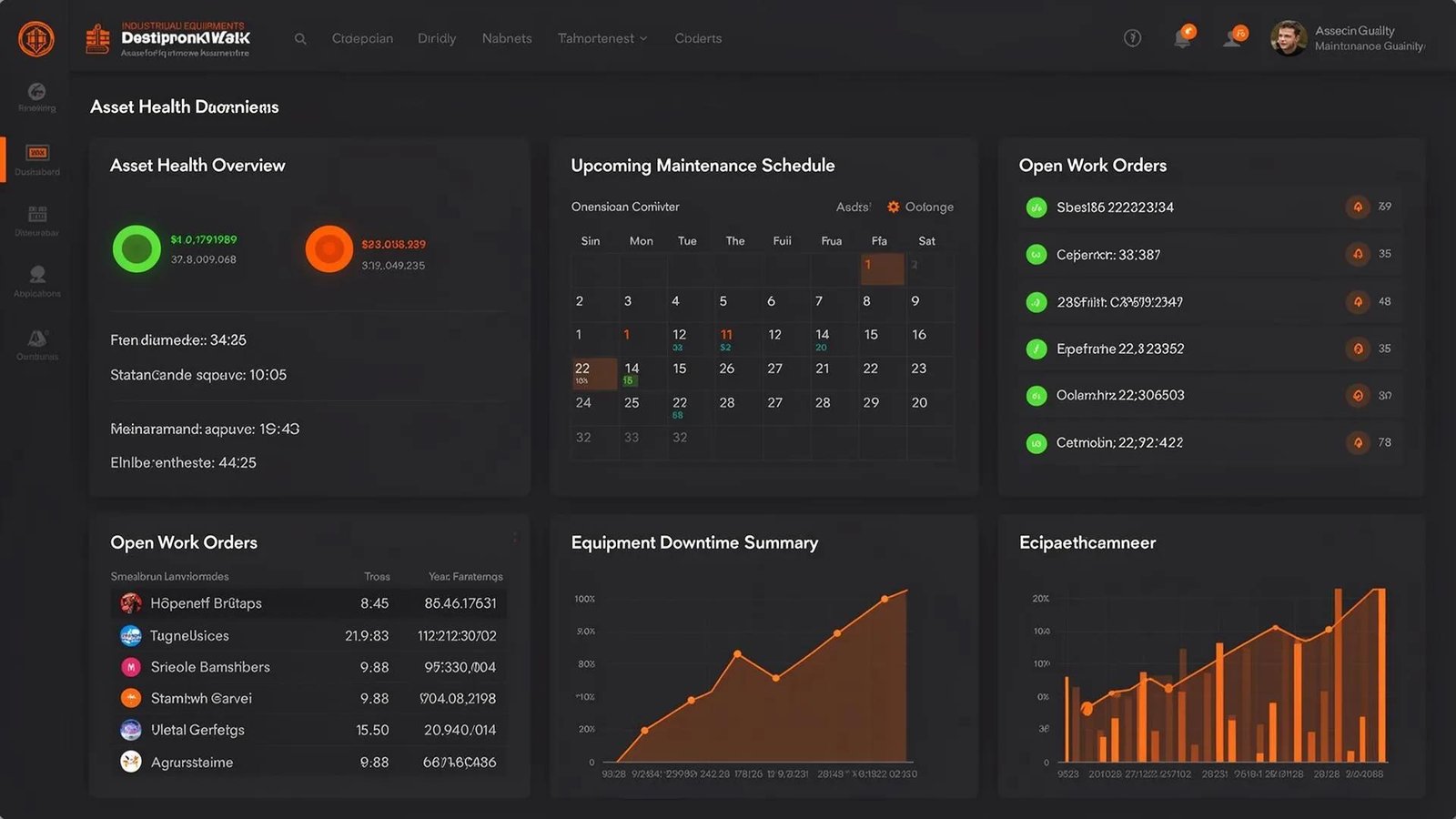
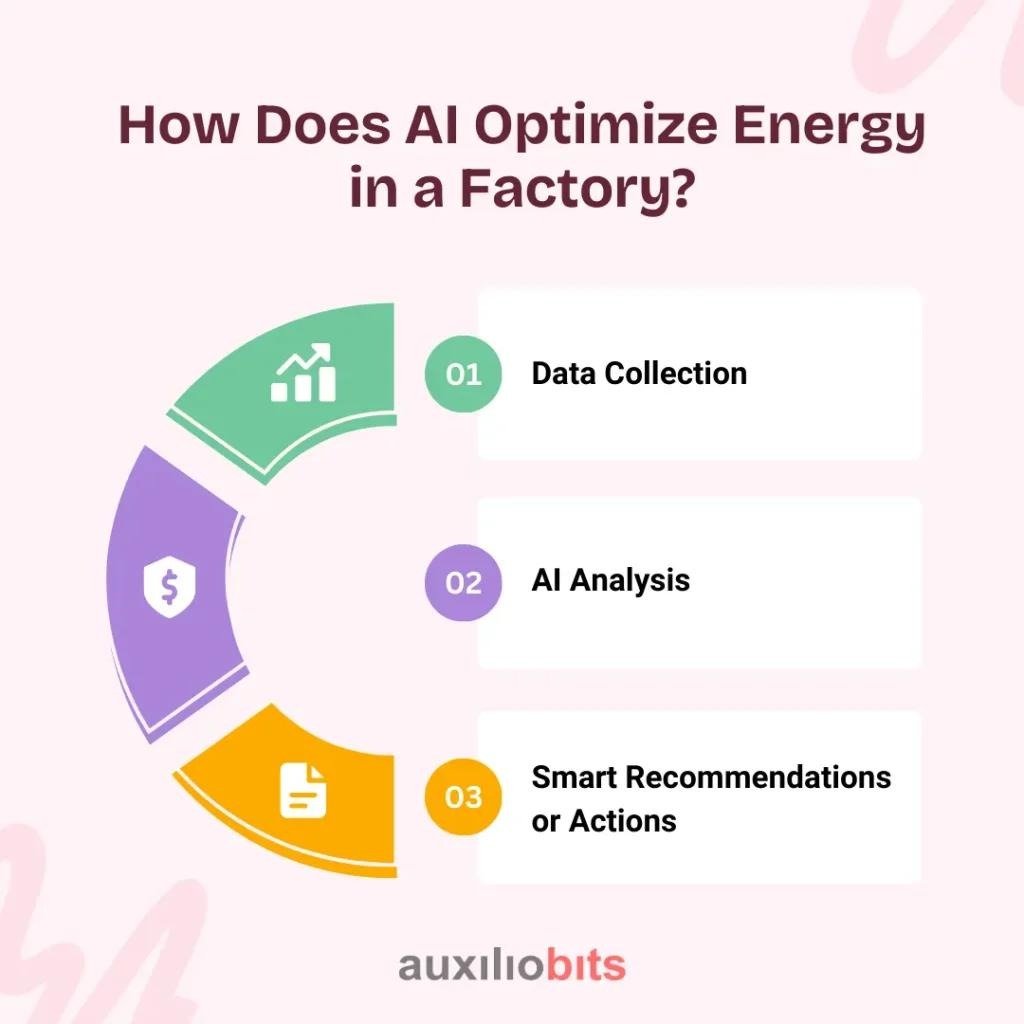
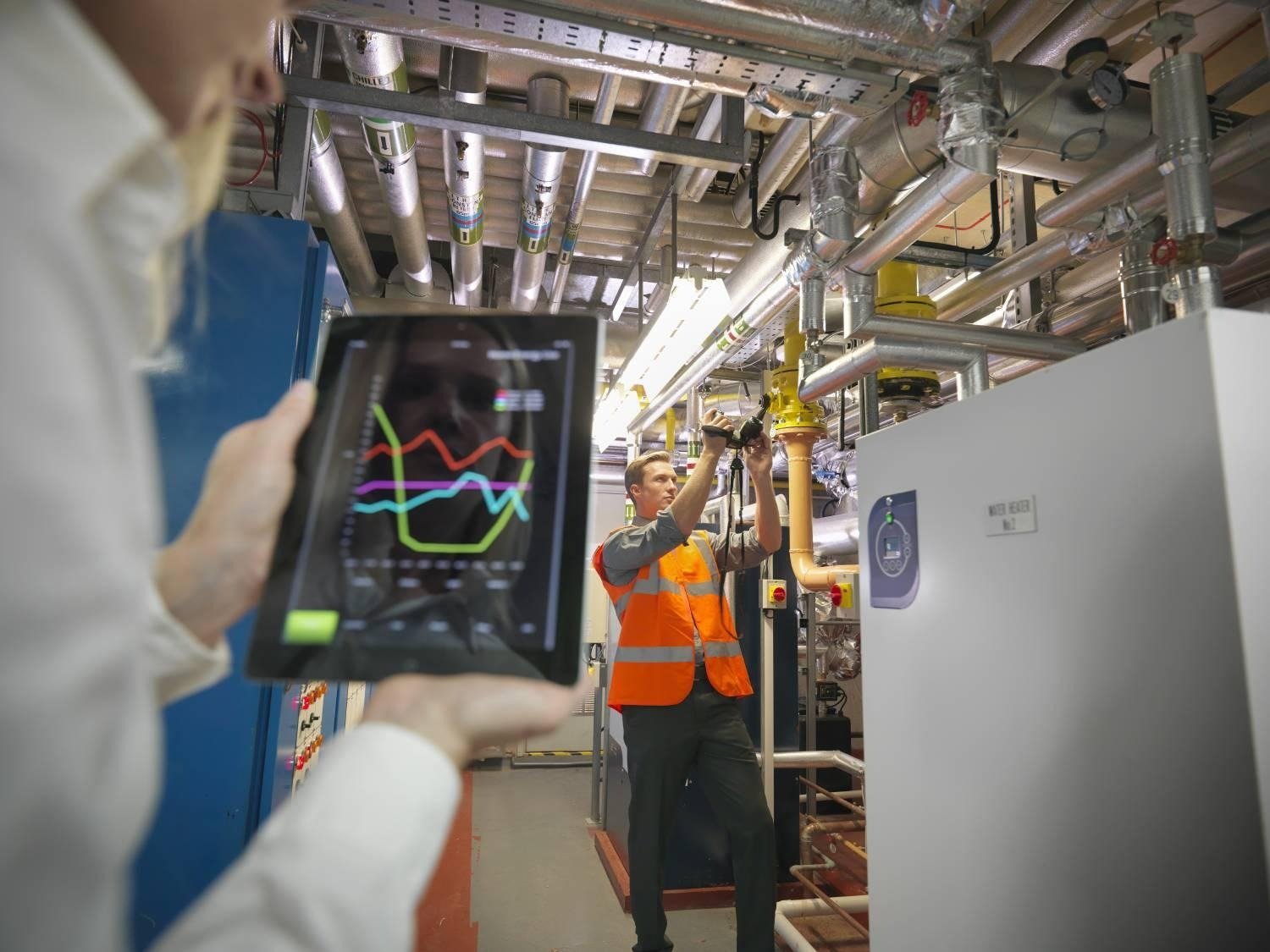
1. Real-Time Energy Monitoring

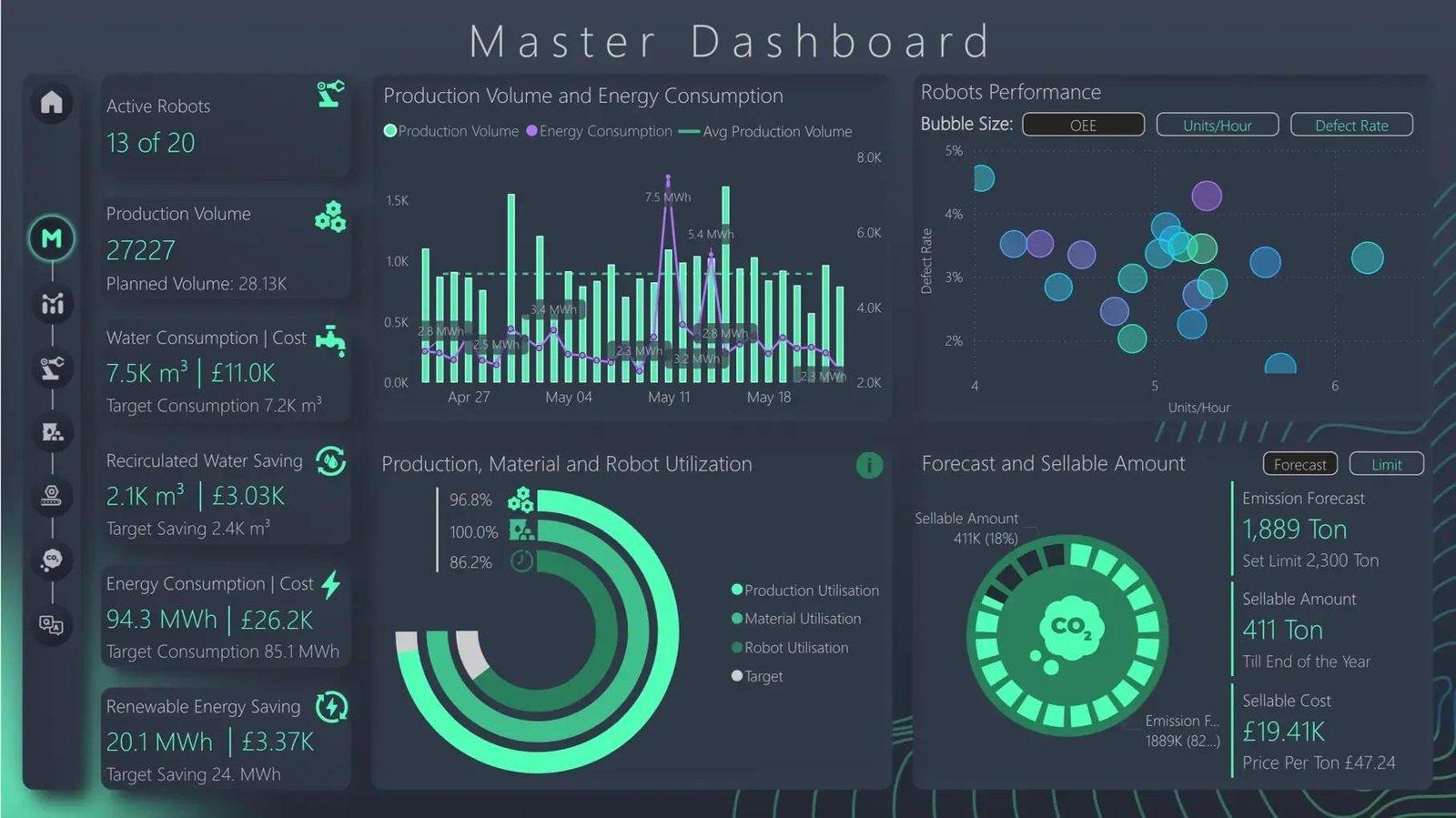
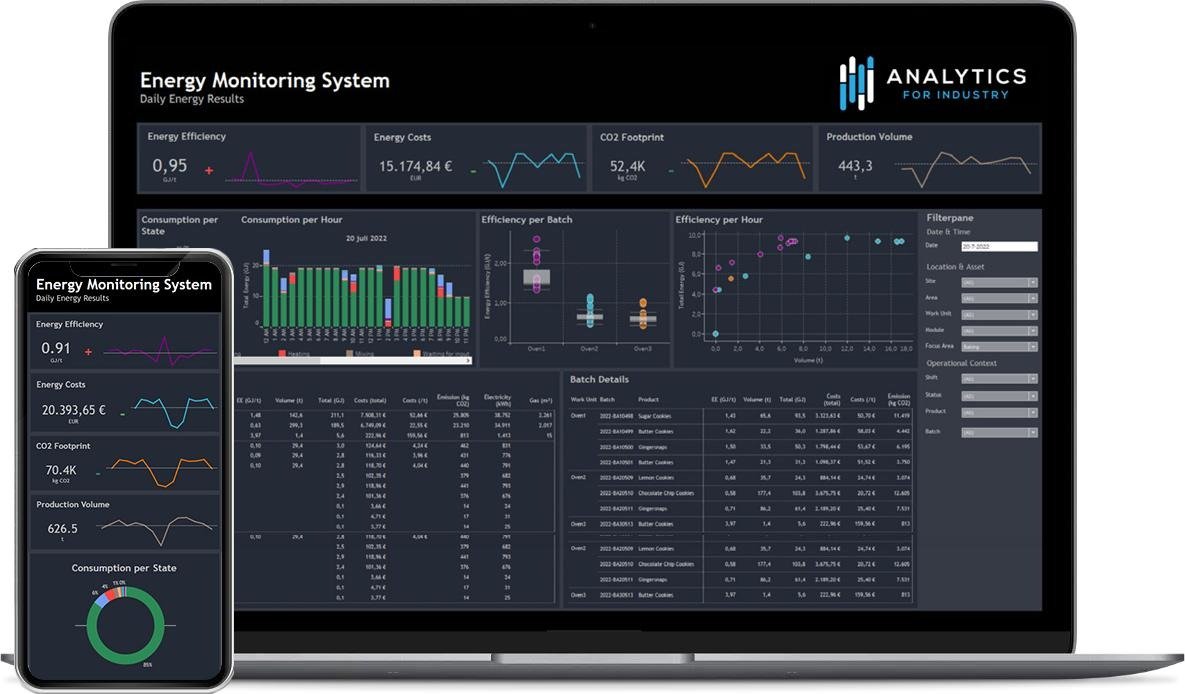
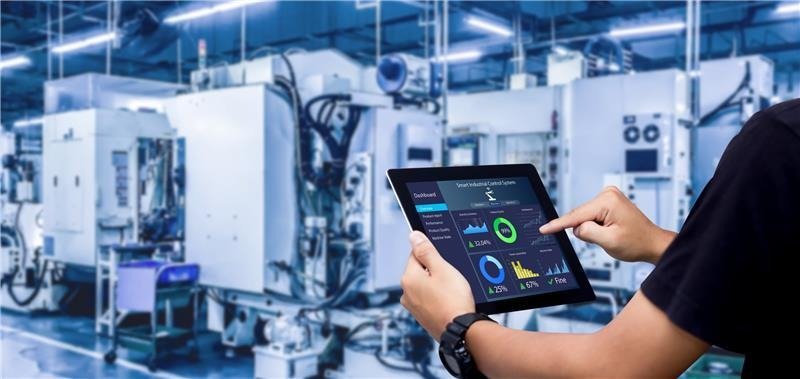
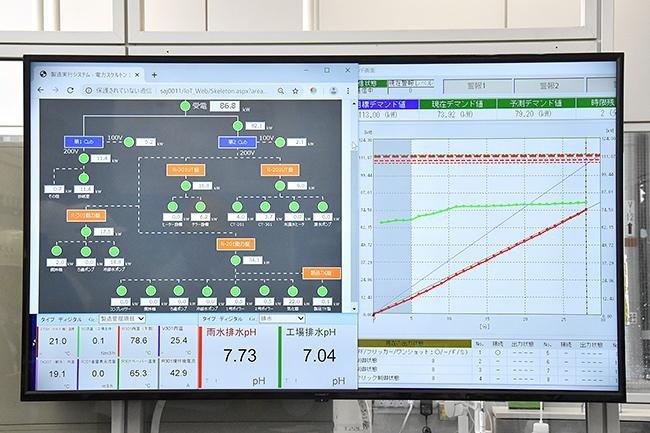
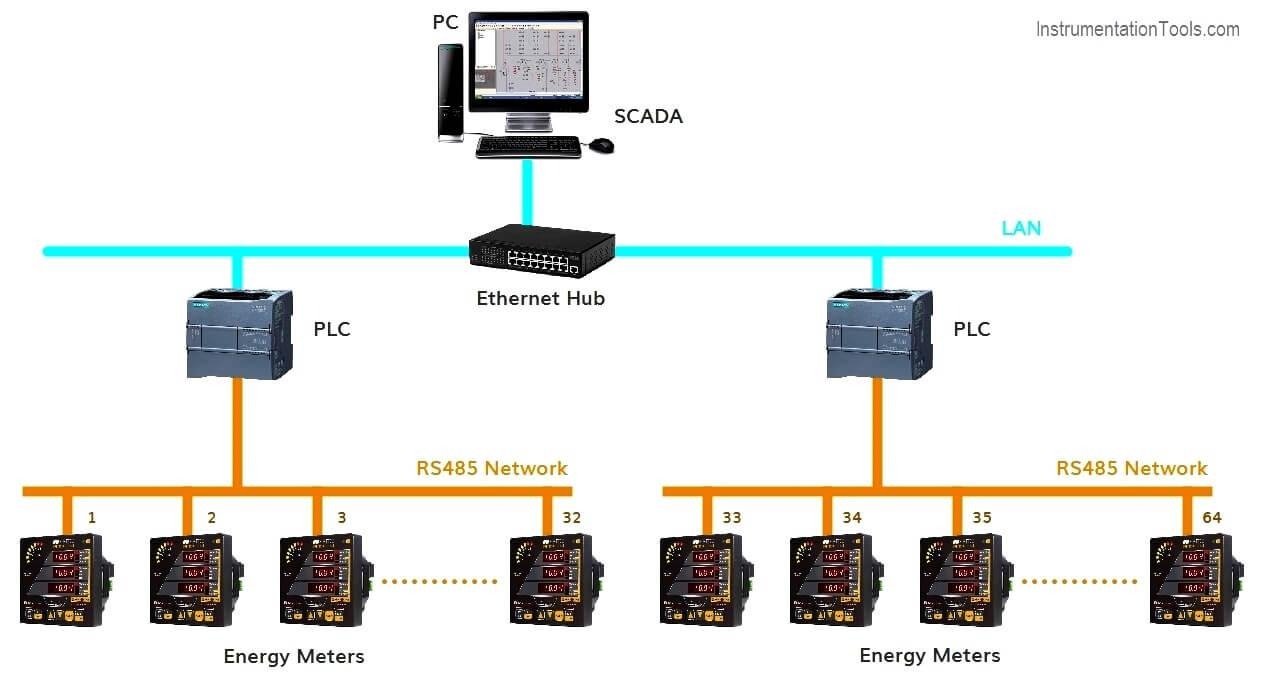
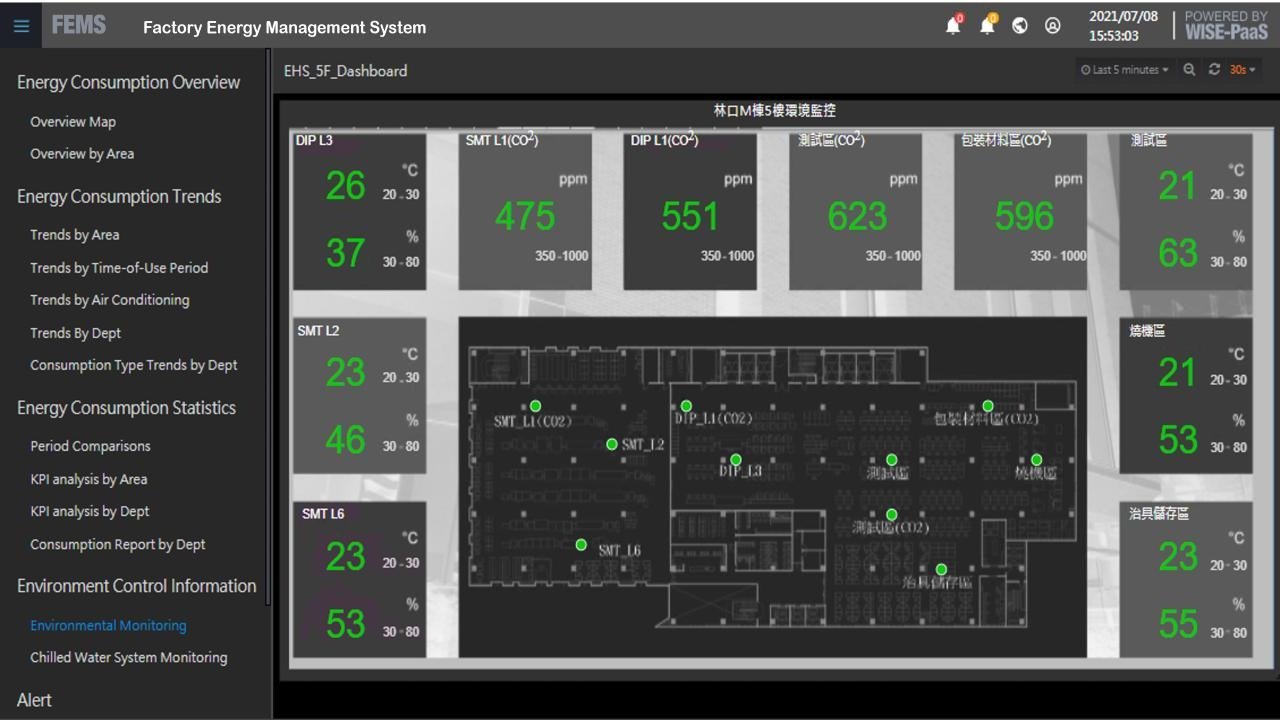
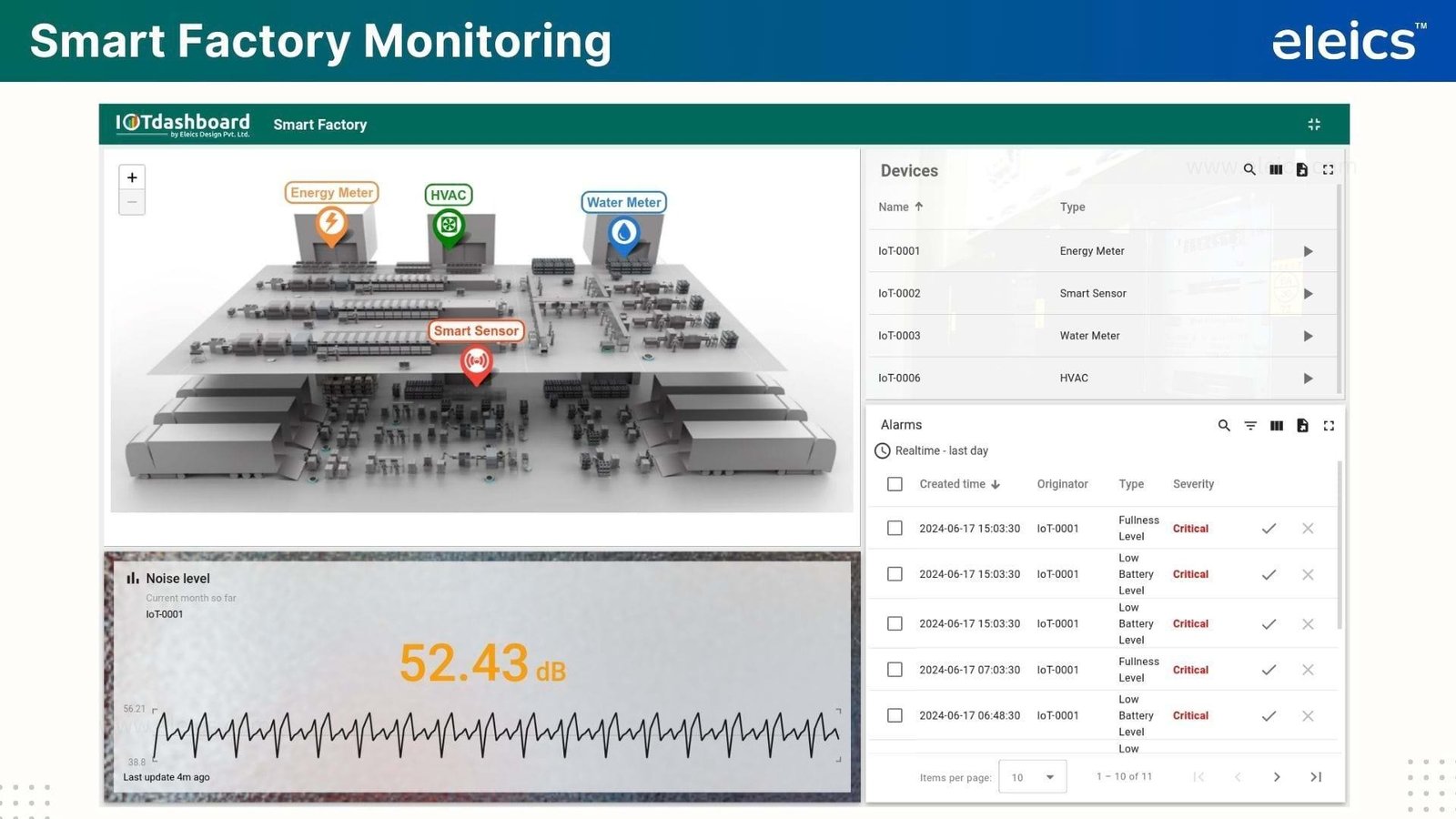
AI systems collect data from:
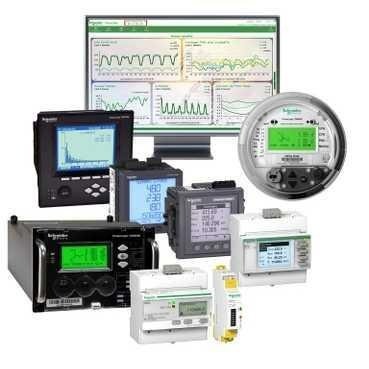
- Smart meters
- IoT sensors
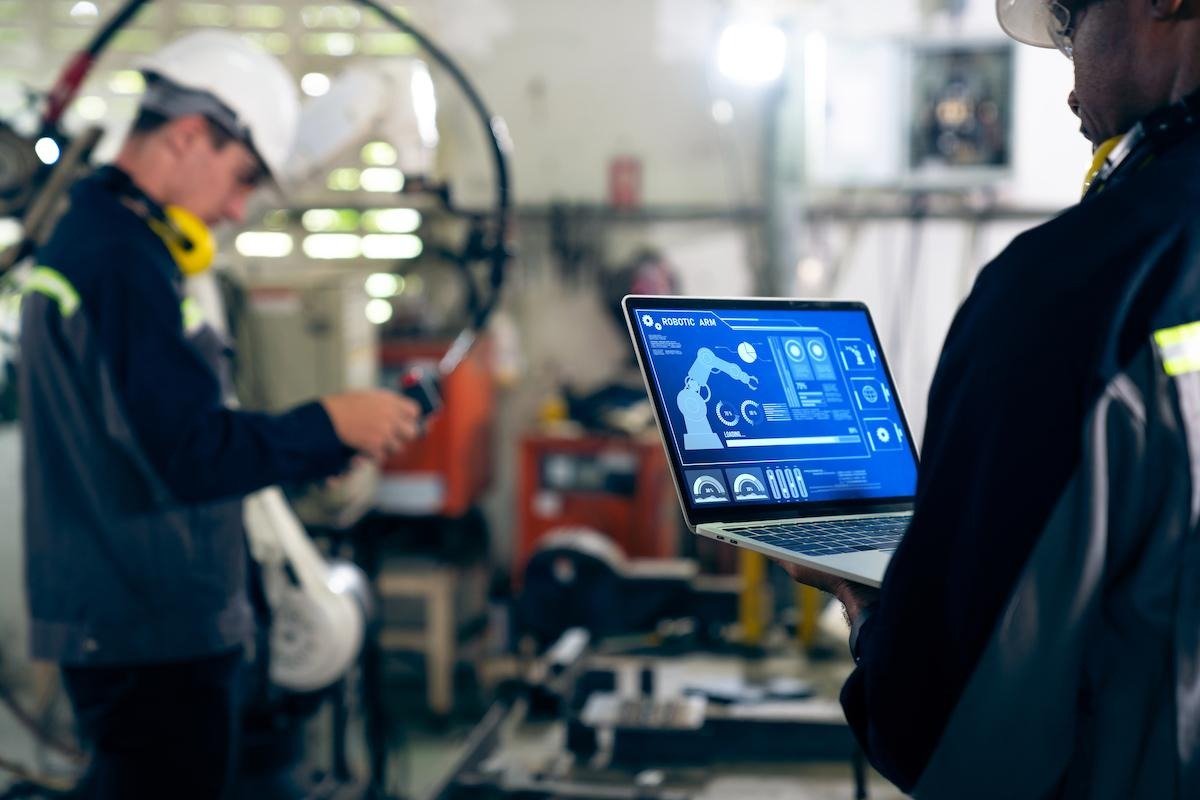
- PLC systems
- Machine controllers
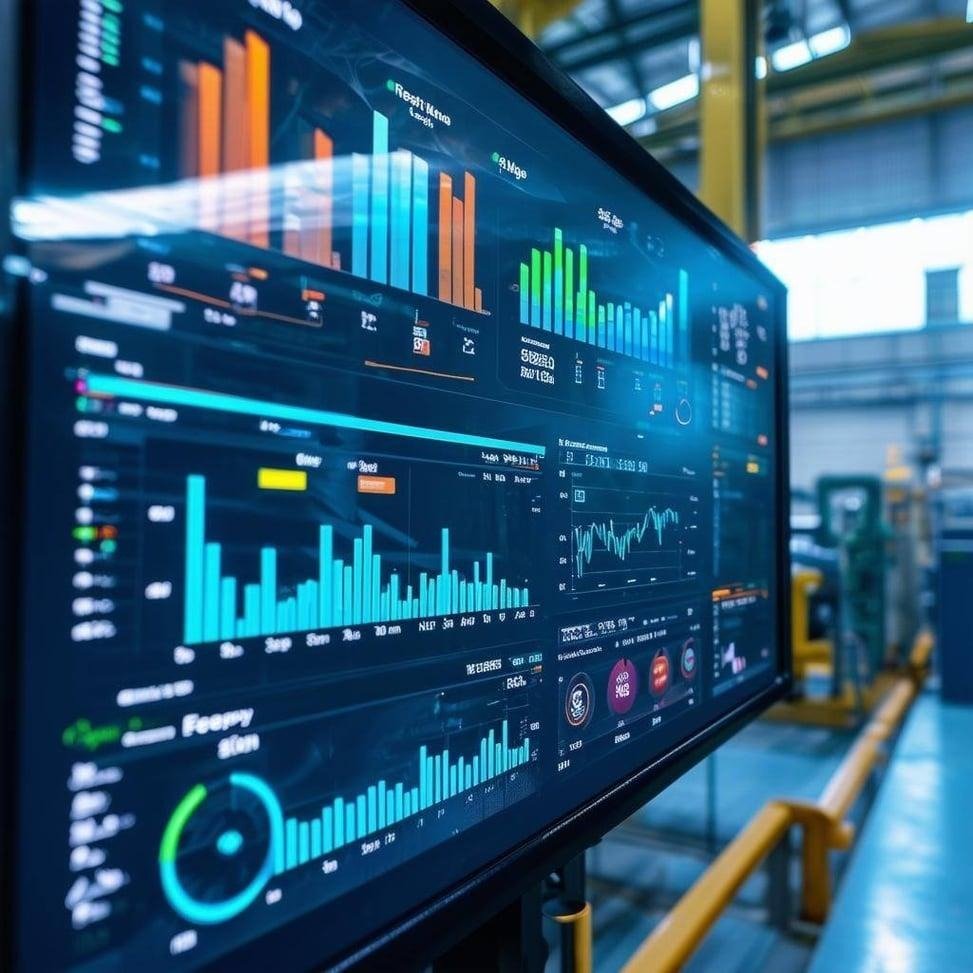
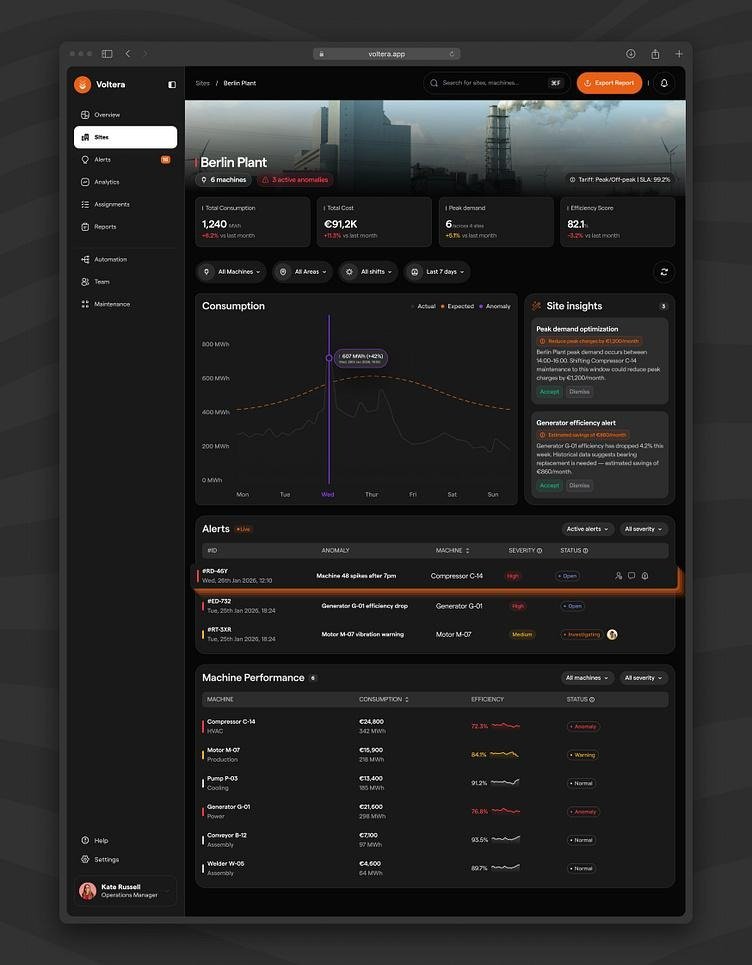
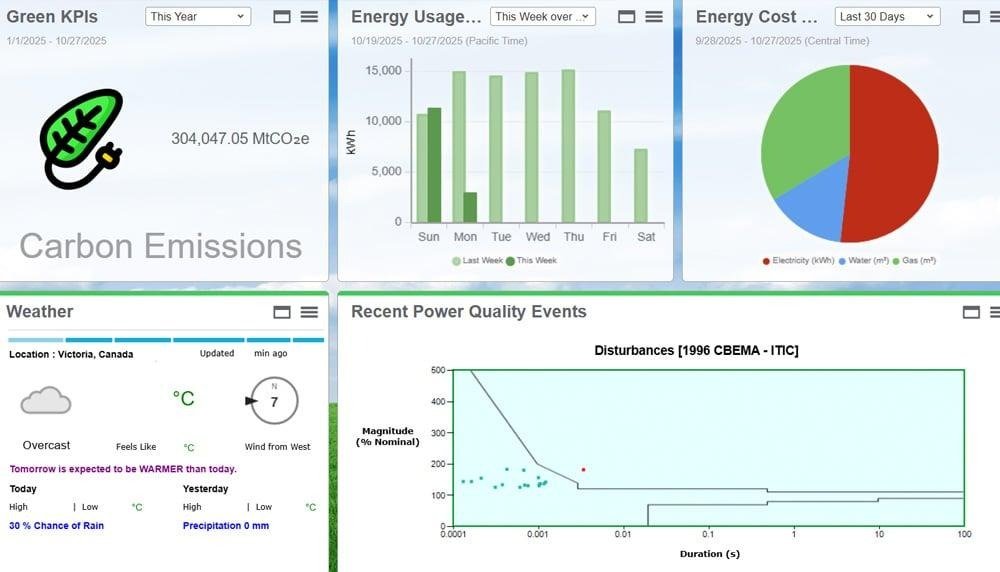
This enables manufacturers to monitor:
- Energy consumption by machine
- Power usage by production line
- Idle energy losses
- Peak demand periods
Real-time visibility helps identify where energy is being wasted.
For example:
- Machines running during non-production hours
- Compressors consuming excessive power
- Inefficient equipment operating outside optimal conditions
2. AI-Based Energy Optimization

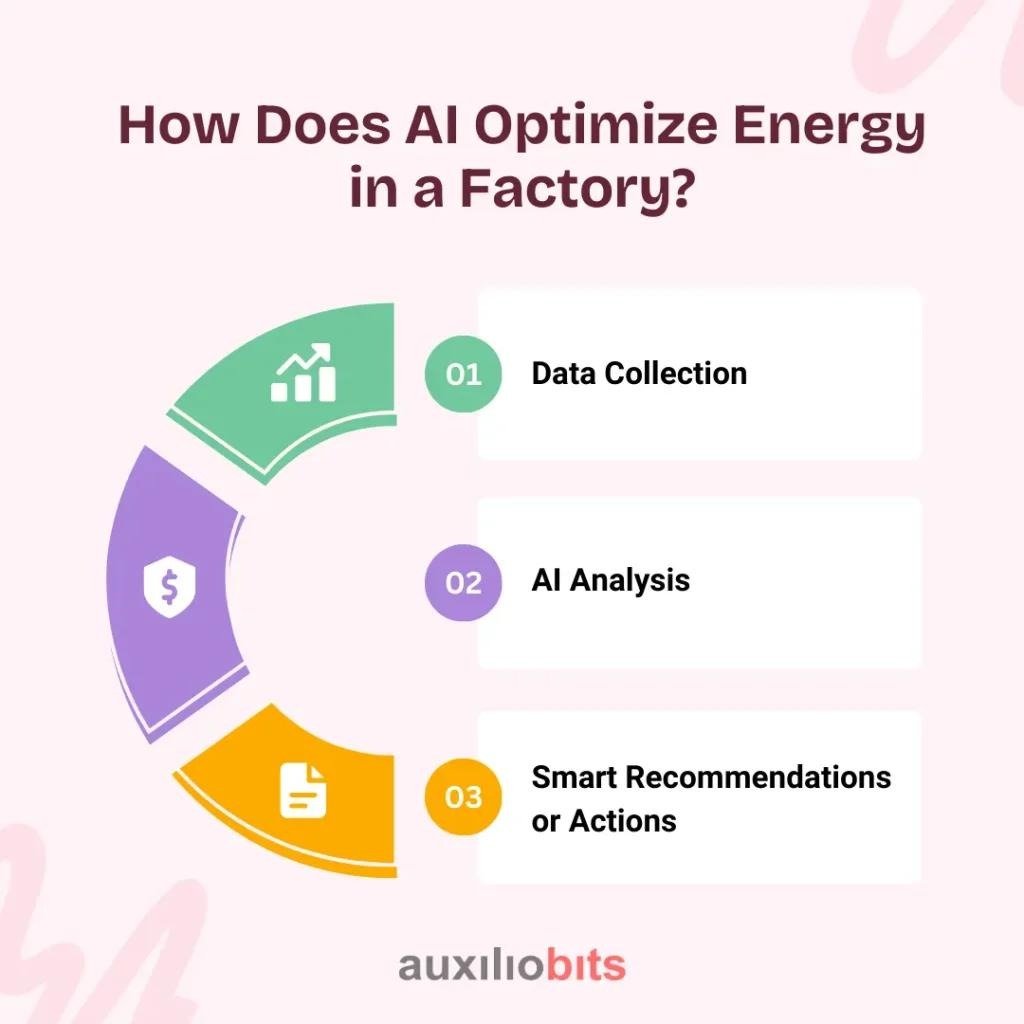

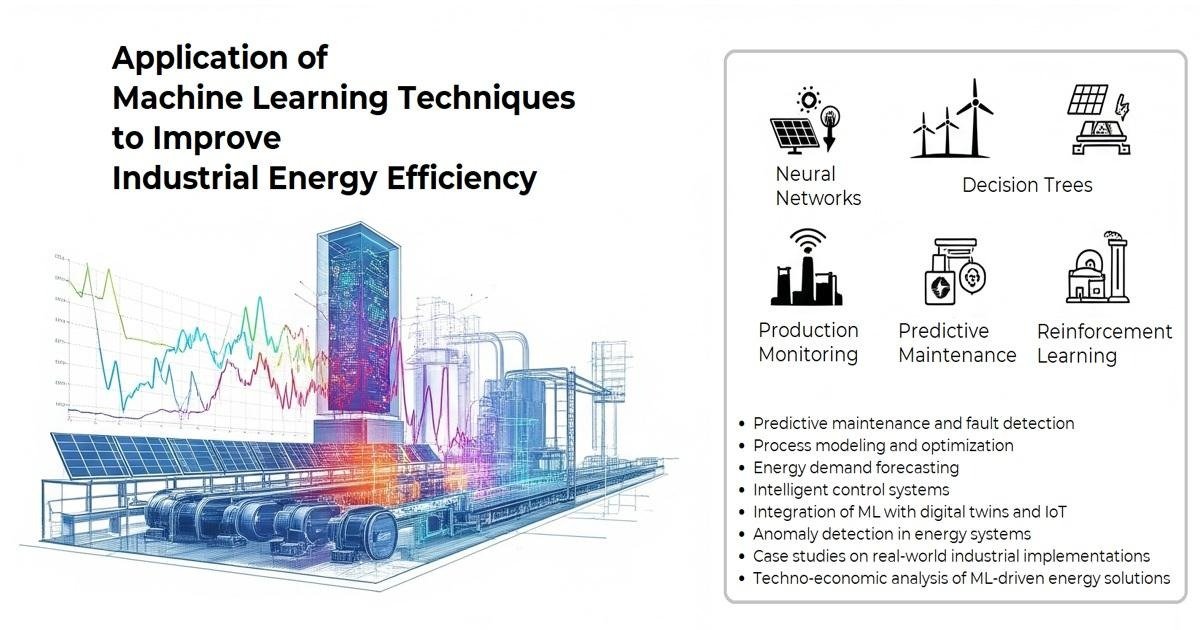
AI algorithms analyze operational data to recommend energy-saving actions automatically.
These systems can:
- Optimize machine operating schedules
- Balance production loads
- Reduce unnecessary power usage
- Suggest efficient operating parameters
Instead of static energy management, AI creates dynamic optimization based on actual plant conditions.
3. Predictive Maintenance for Energy Efficiency
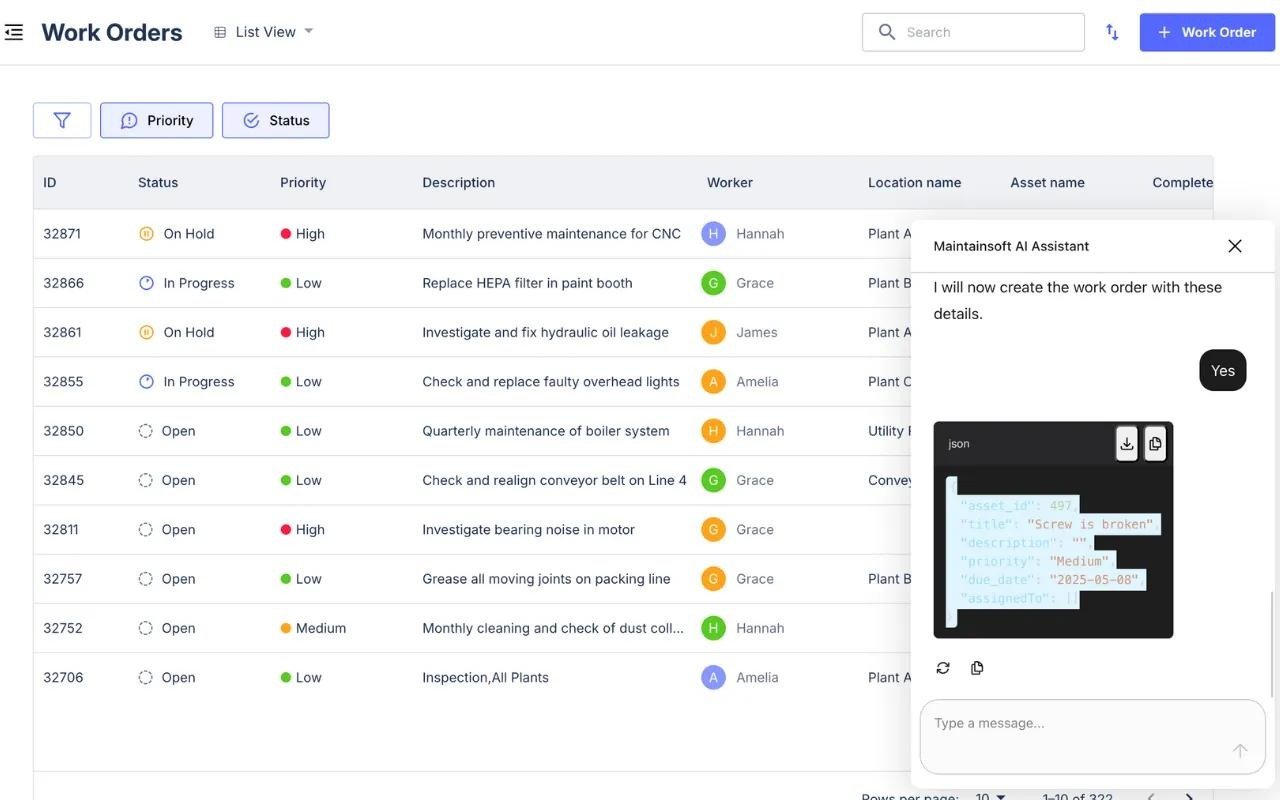
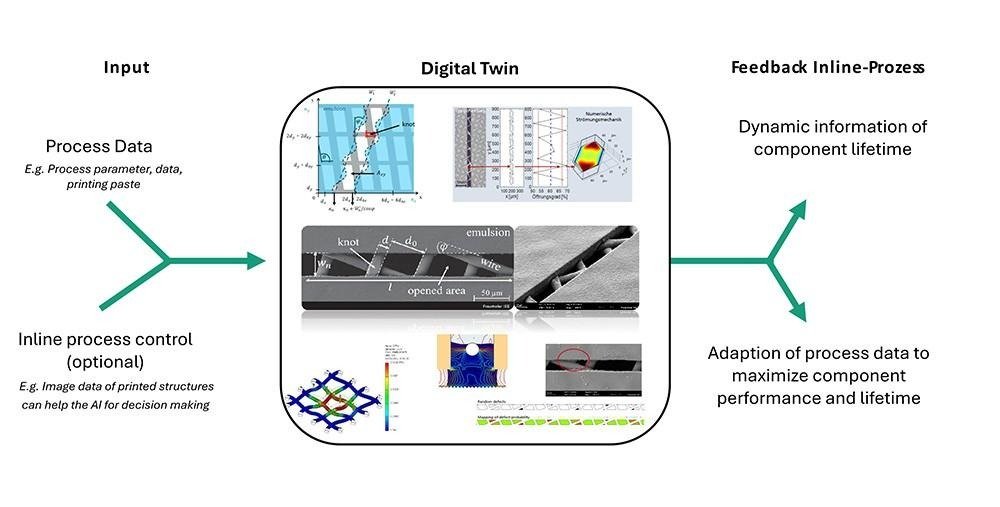
Poorly maintained equipment often consumes more power.
AI-powered predictive maintenance helps identify:
- Motor inefficiencies
- Bearing wear
- Abnormal vibration
- Overheating equipment
By maintaining machines at optimal performance levels, manufacturers can reduce unnecessary energy consumption while improving reliability.
For example:
- A misaligned motor may consume significantly more electricity than a properly maintained one.
4. Smart HVAC and Utility Management
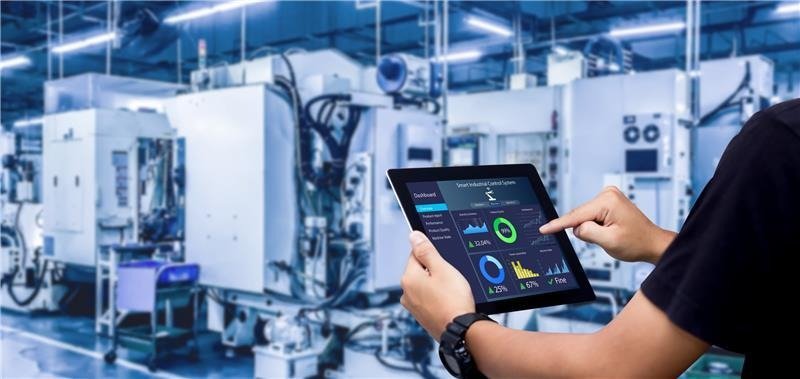
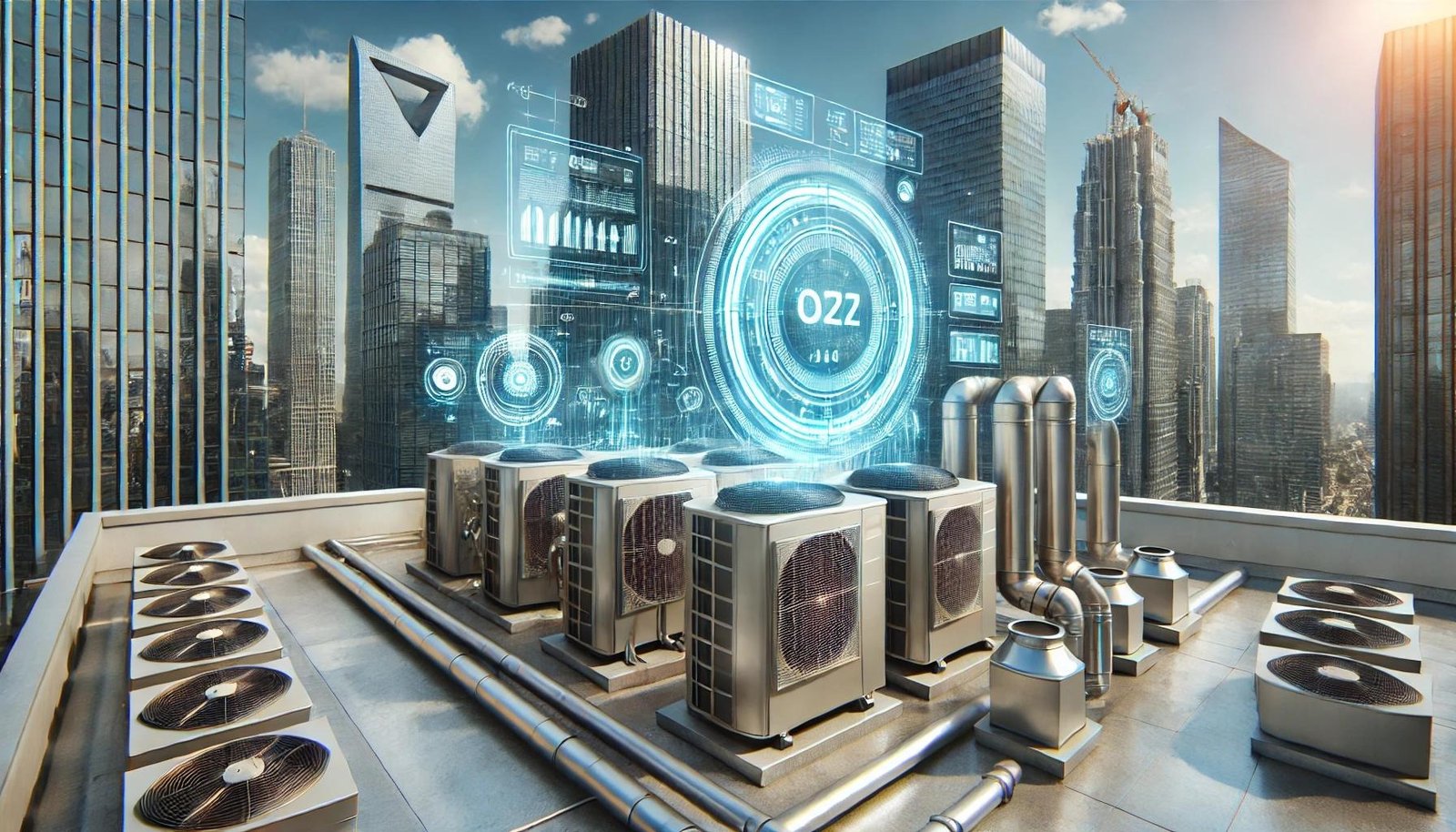
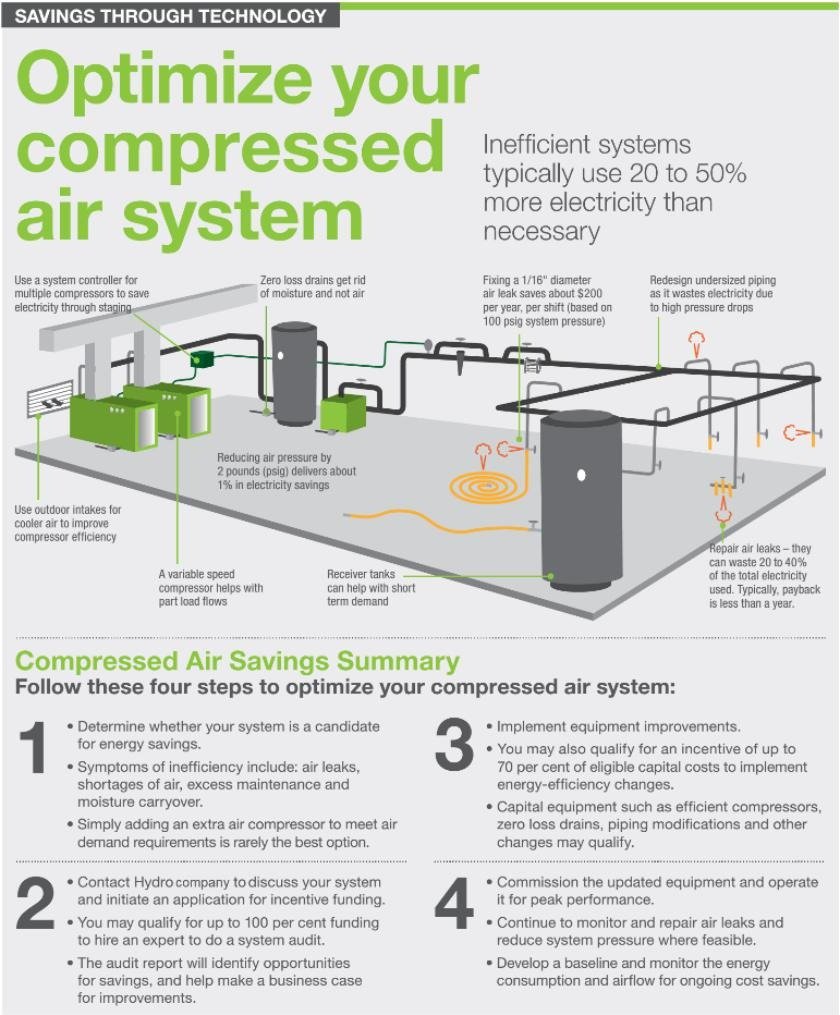
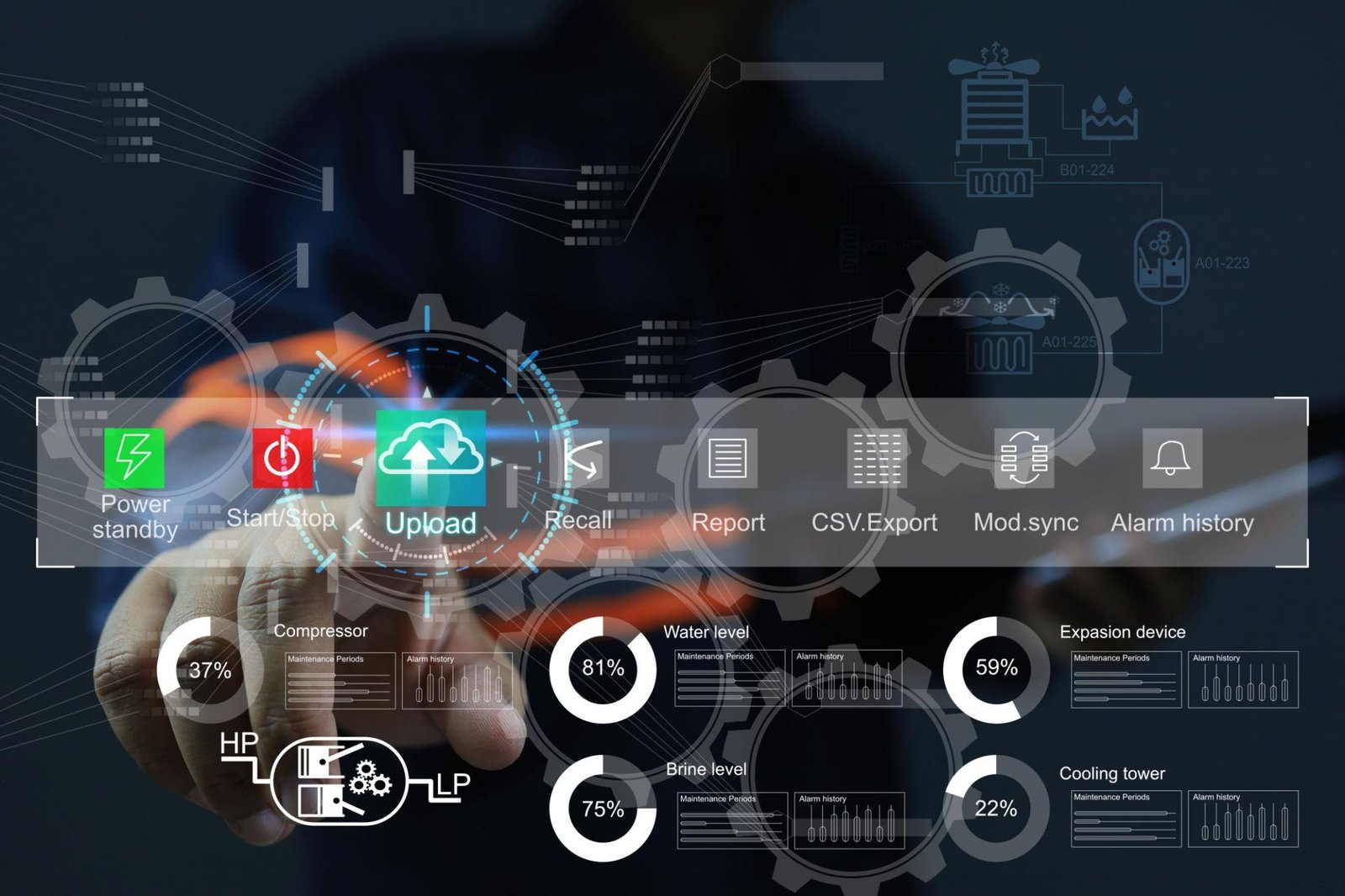
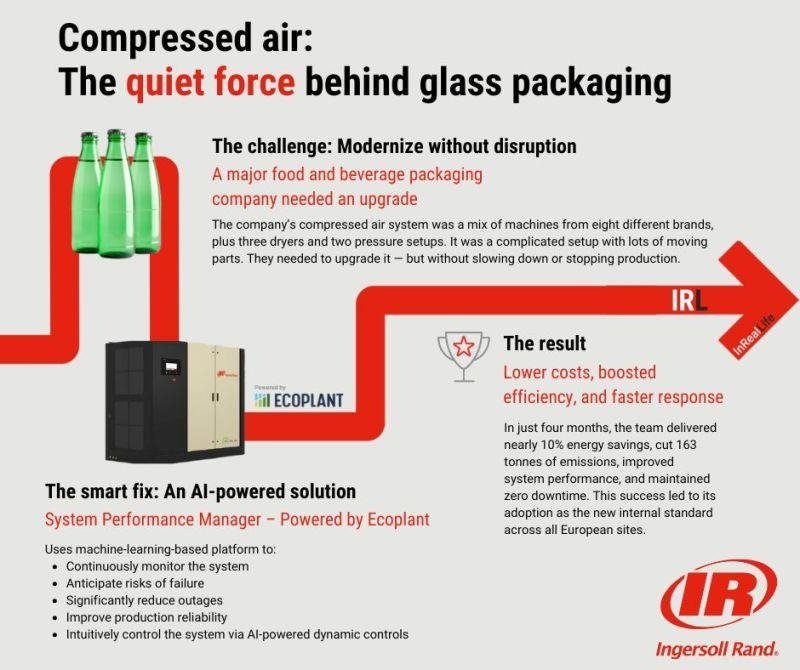
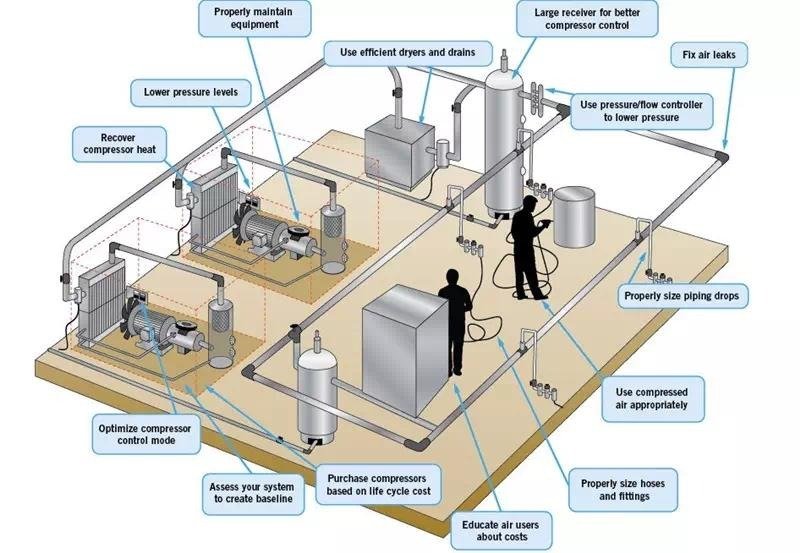
HVAC systems, compressed air systems, and industrial utilities are major contributors to plant energy costs.
AI can optimize these systems by:
- Adjusting settings based on occupancy and production demand
- Reducing unnecessary runtime
- Predicting peak cooling or heating requirements
This helps lower utility costs without impacting production performance.
5. Production Scheduling Optimization
AI can optimize production schedules to reduce energy-intensive operations during peak tariff periods.
Manufacturers can:
- Shift non-critical processes to off-peak hours
- Balance machine loads efficiently
- Reduce peak demand charges
This is particularly valuable in industries with variable electricity pricing.
6. Energy Consumption Forecasting
AI models can predict future energy usage patterns based on:
- Production plans
- Historical consumption
- Weather conditions
- Operational schedules
This helps manufacturers:
- Plan energy procurement better
- Avoid excessive peak loads
- Improve operational planning
Forecasting also supports sustainability and ESG reporting initiatives.
Benefits of AI-Driven Energy Optimization
Reduced Energy Costs
Manufacturers typically achieve:
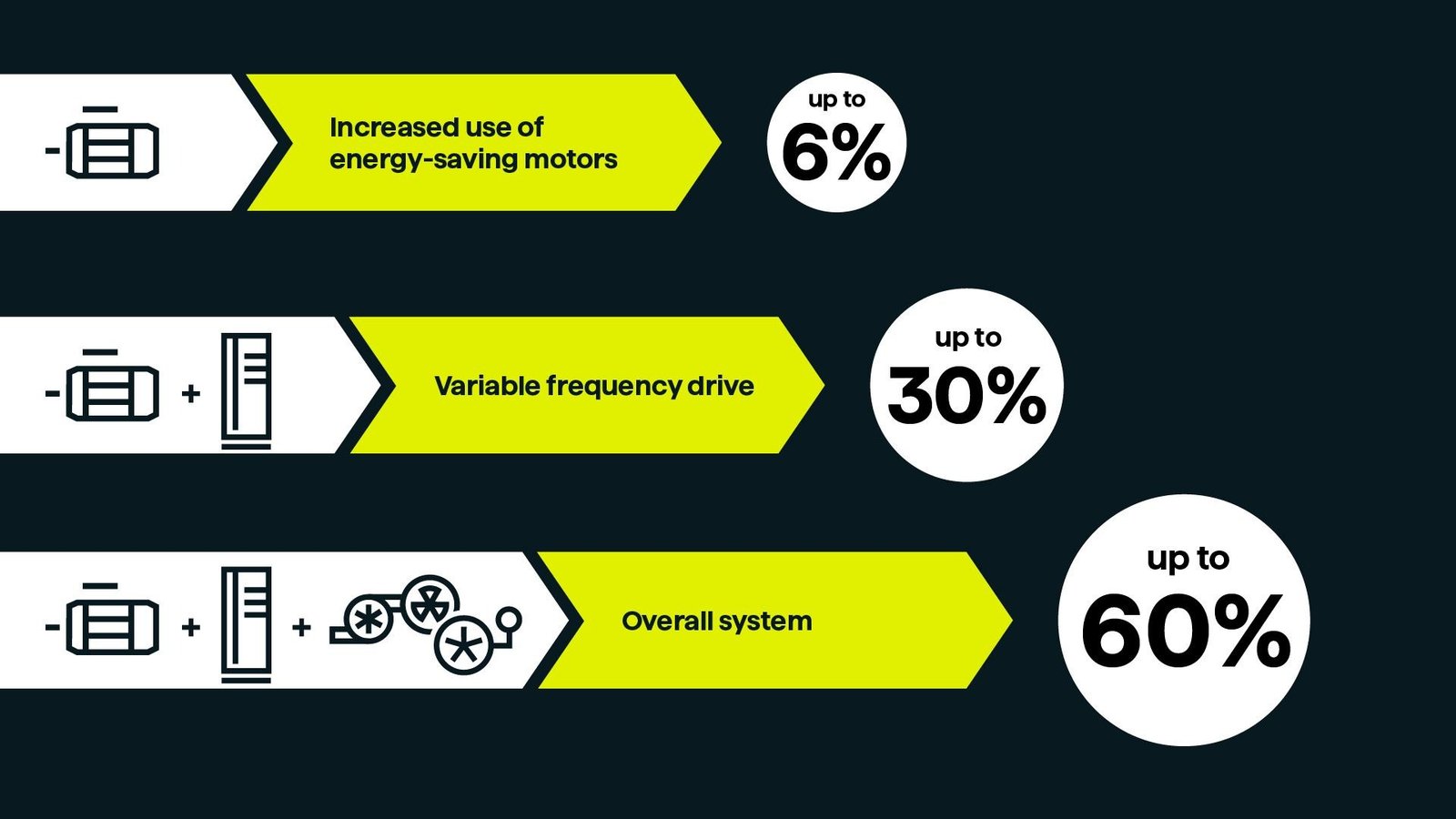
- 10–25% reduction in power consumption
- Lower peak demand charges
- Improved utility efficiency
Improved Equipment Performance
Energy optimization often improves machine health and operational stability.
Better Sustainability Performance
Reduced energy usage directly lowers:
- Carbon emissions
- Environmental impact
- Resource wastage
Increased Operational Visibility
AI provides detailed insights into:
- Energy-intensive operations
- Inefficient assets
- Hidden power losses
This improves decision-making across the plant.
Common Challenges in Energy Optimization
Limited Visibility into Energy Usage
Many plants still monitor only total electricity consumption rather than machine-level usage.
Legacy Equipment
Older machines may require retrofitting with sensors and monitoring devices.
Data Integration Challenges
Energy data is often fragmented across systems and departments.
Lack of AI and Energy Expertise
Many manufacturers struggle to identify:
- Which energy use cases to prioritize
- How to measure ROI effectively
The manAIhub Approach
At manAIhub, energy optimization is one of the six strategic AI tracks focused on helping manufacturers achieve measurable operational improvements.
The platform connects:
- Plant leaders
- Energy managers
- AI experts
- Solution providers
- Manufacturing engineers
Through collaborative problem-solving and real-world use cases, manAIhub helps manufacturers:
- Identify energy-saving opportunities
- Deploy AI-powered monitoring systems
- Learn from successful implementations
- Scale sustainability initiatives effectively
Final Thought
Reducing power consumption is no longer only about reducing costs – it is becoming a strategic requirement for competitiveness and sustainability.
AI enables manufacturers to move beyond reactive energy management toward intelligent, predictive, and optimized operations.
Bottom Line
AI can significantly reduce power consumption in manufacturing plants through:
- Real-time monitoring
- Predictive maintenance
- Smart scheduling
- Utility optimization
- Data-driven decision-making
Manufacturers that adopt AI-driven energy strategies will improve profitability, operational efficiency, and sustainability performance simultaneously.