

A manAIhub Perspective
One of the most common concerns manufacturers have before starting their AI journey is:
“Do we need to replace our ERP system before implementing AI?”
The answer is no.
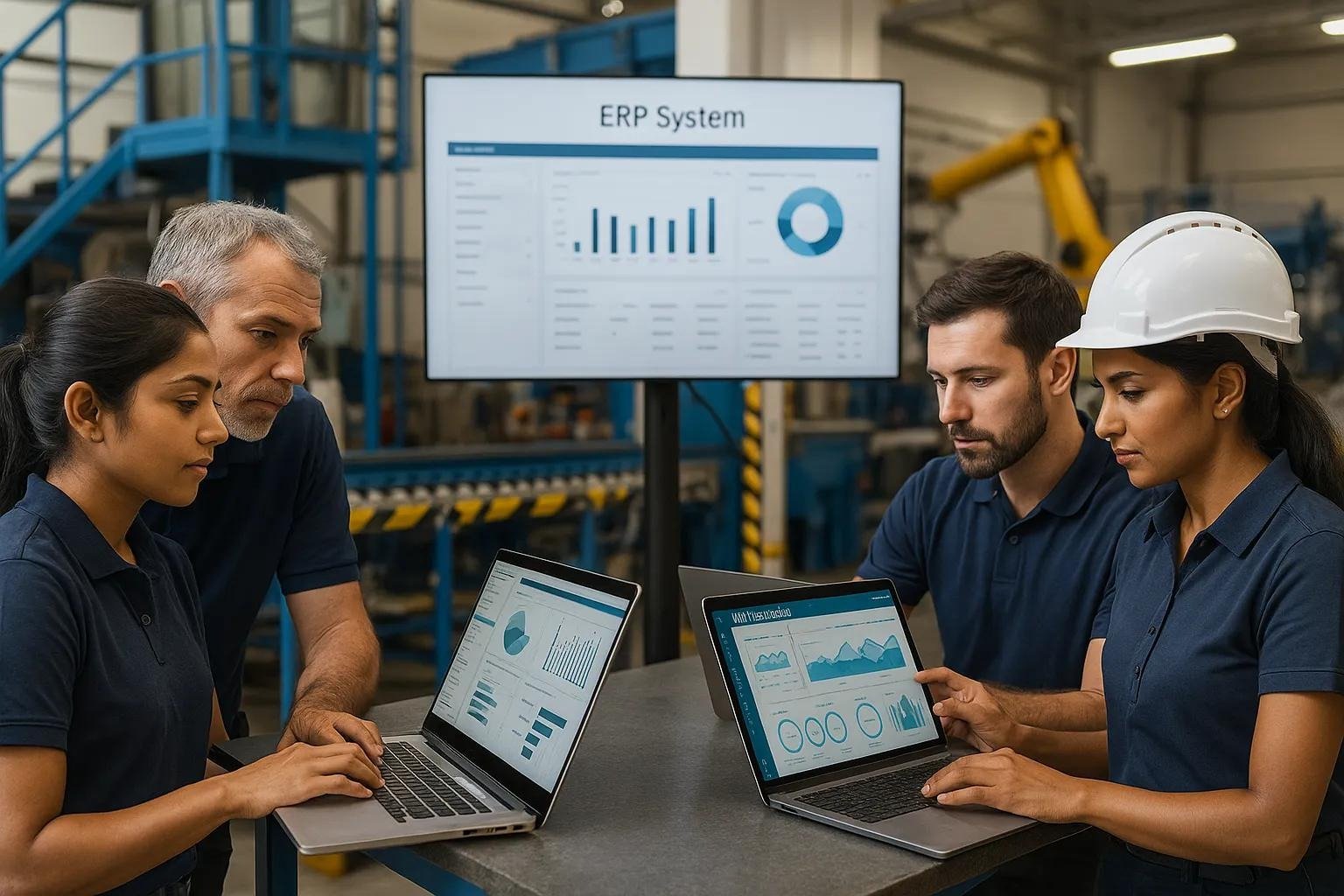
In most cases, AI can work with existing ERP platforms such as:
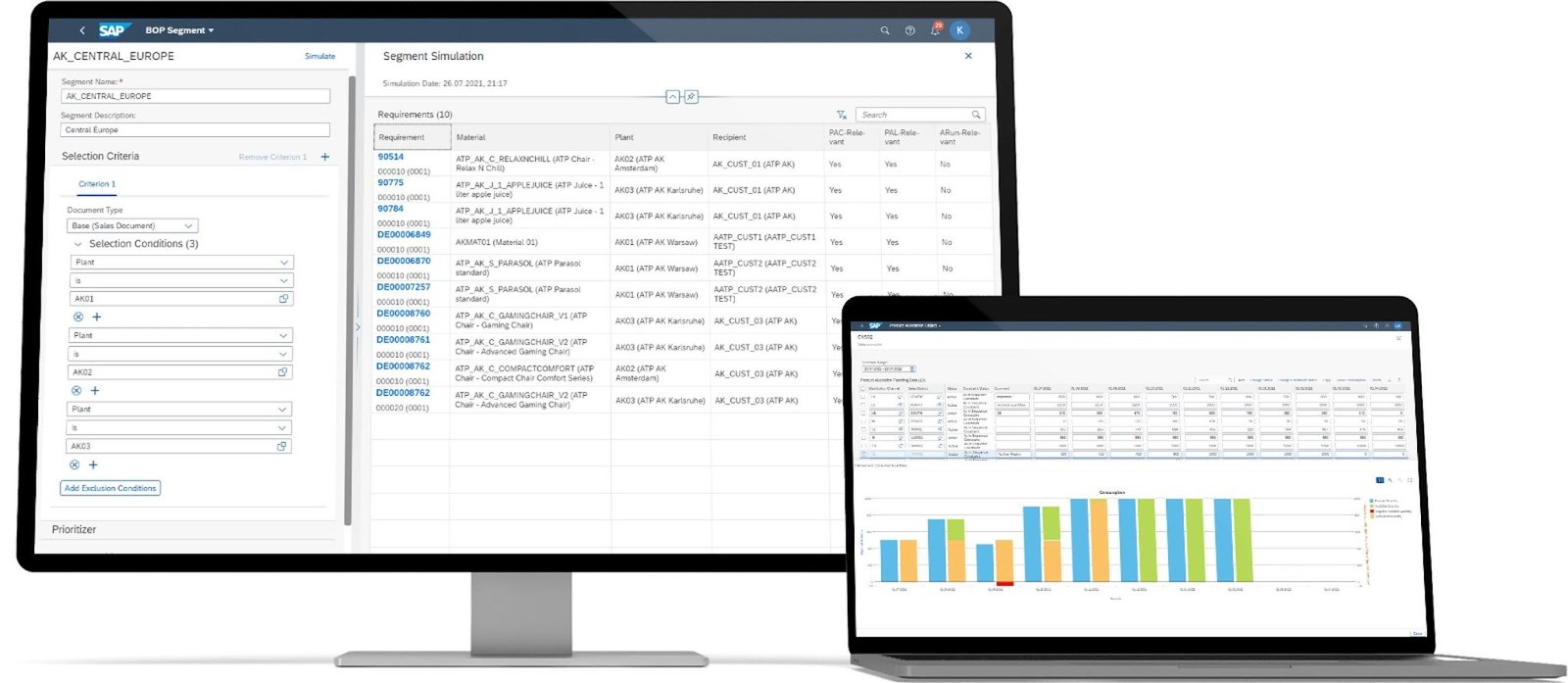
- SAP
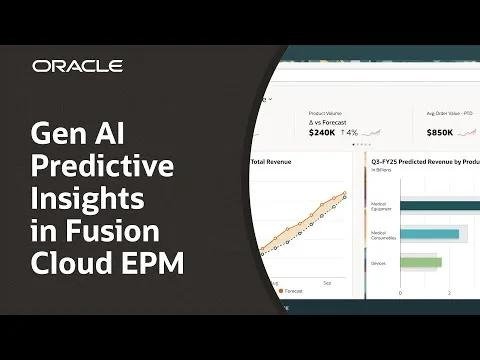
- Oracle ERP
- TallyPrime
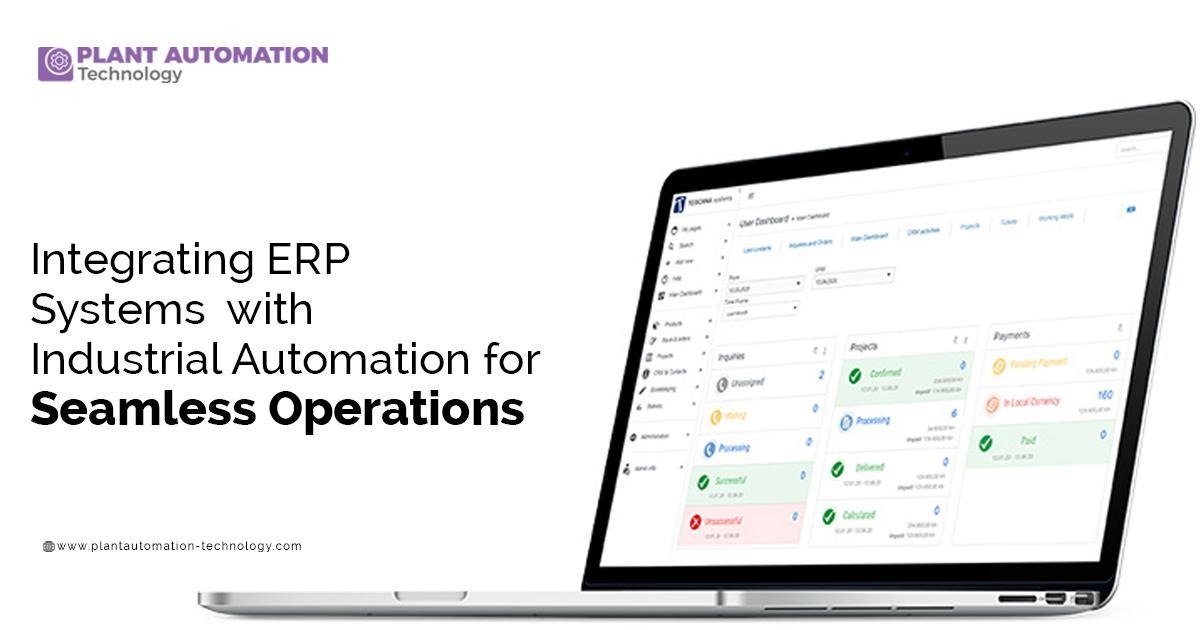
Modern AI solutions are increasingly designed to integrate with existing enterprise systems rather than replace them.
At manAIhub, we see ERP systems as a critical foundation for AI adoption because they already contain valuable operational and business data.
Why ERP Systems Matter for AI

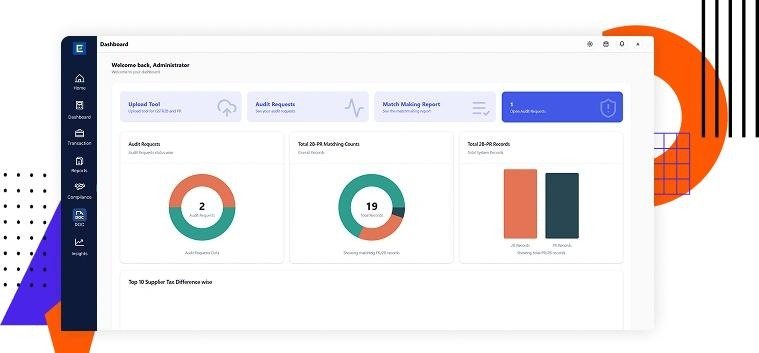
ERP systems manage core manufacturing and business processes such as:
- Production planning
- Inventory management
- Procurement
- Maintenance records
- Quality data
- Finance and operations
AI systems use this data to generate:
- Predictive insights
- Operational recommendations
- Automated workflows
- Real-time analytics
Without ERP integration, AI systems often lack the operational context needed to deliver meaningful business outcomes.
How AI Integrates with ERP Systems
1. Data Integration
AI systems connect to ERP platforms through:
- APIs
- Databases
- Middleware platforms
- Cloud connectors
This allows AI models to access operational data from:
- Production systems
- Inventory records
- Maintenance logs
- Supply chain transactions
The AI system then analyzes this information to identify patterns and optimization opportunities.
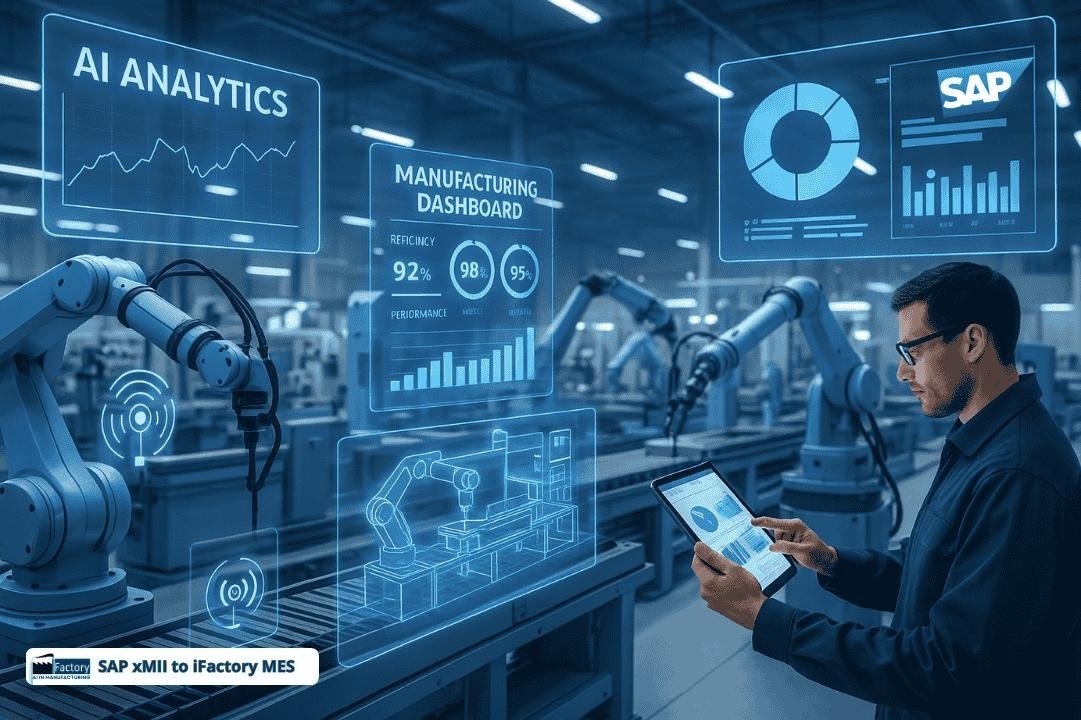
2. Real-Time Analytics and Dashboards
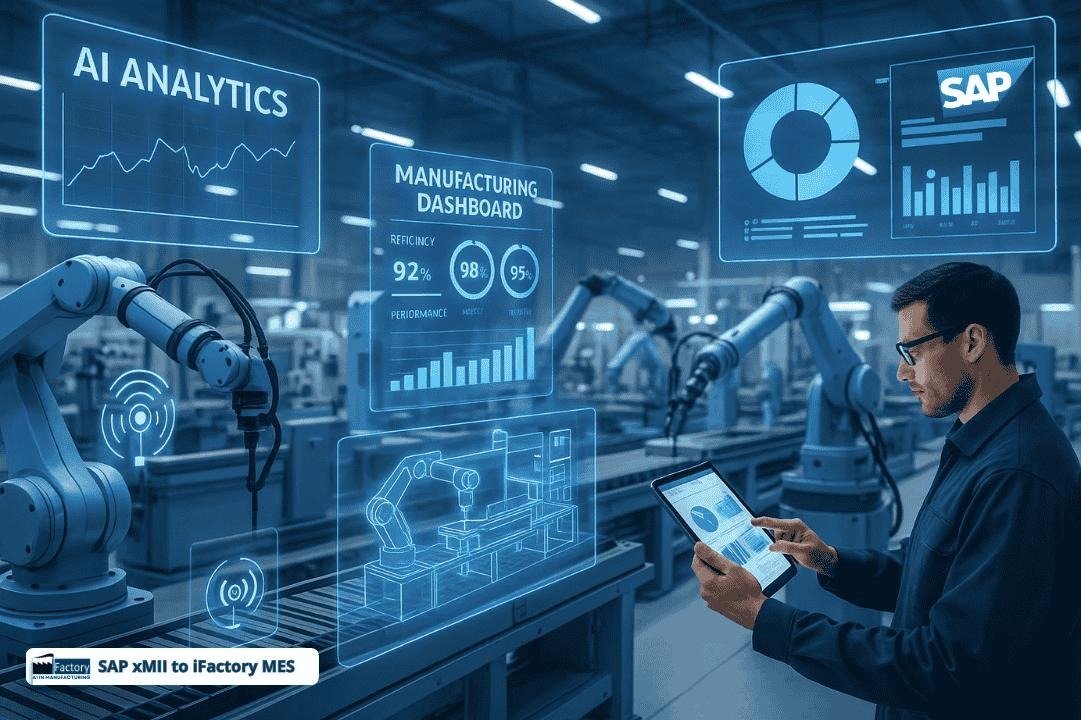
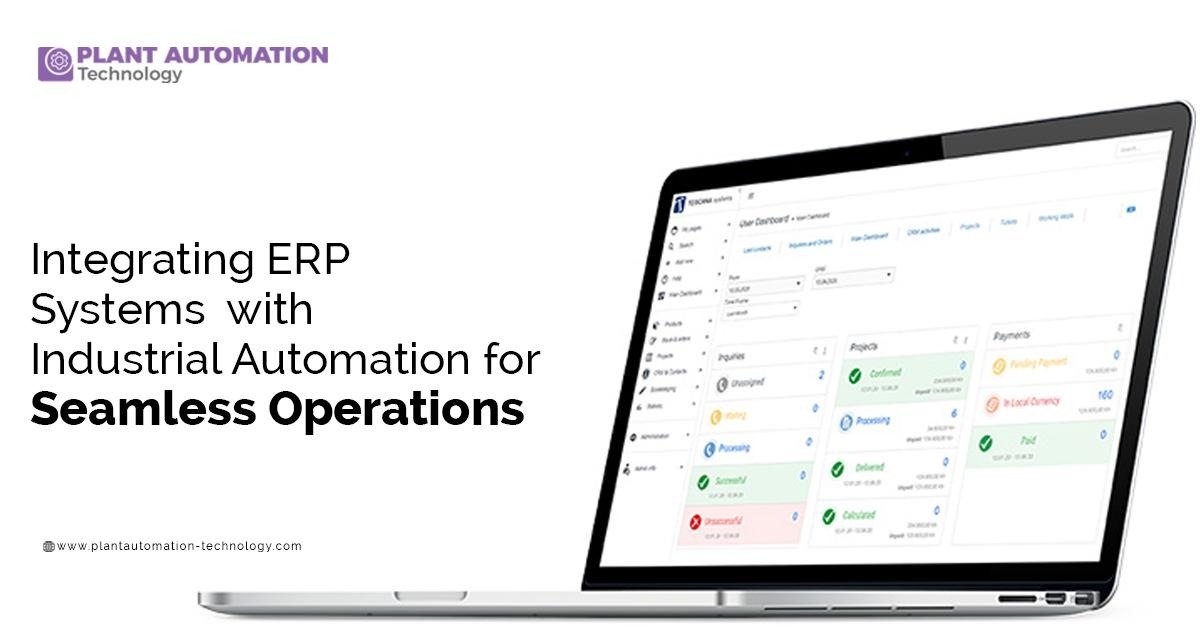
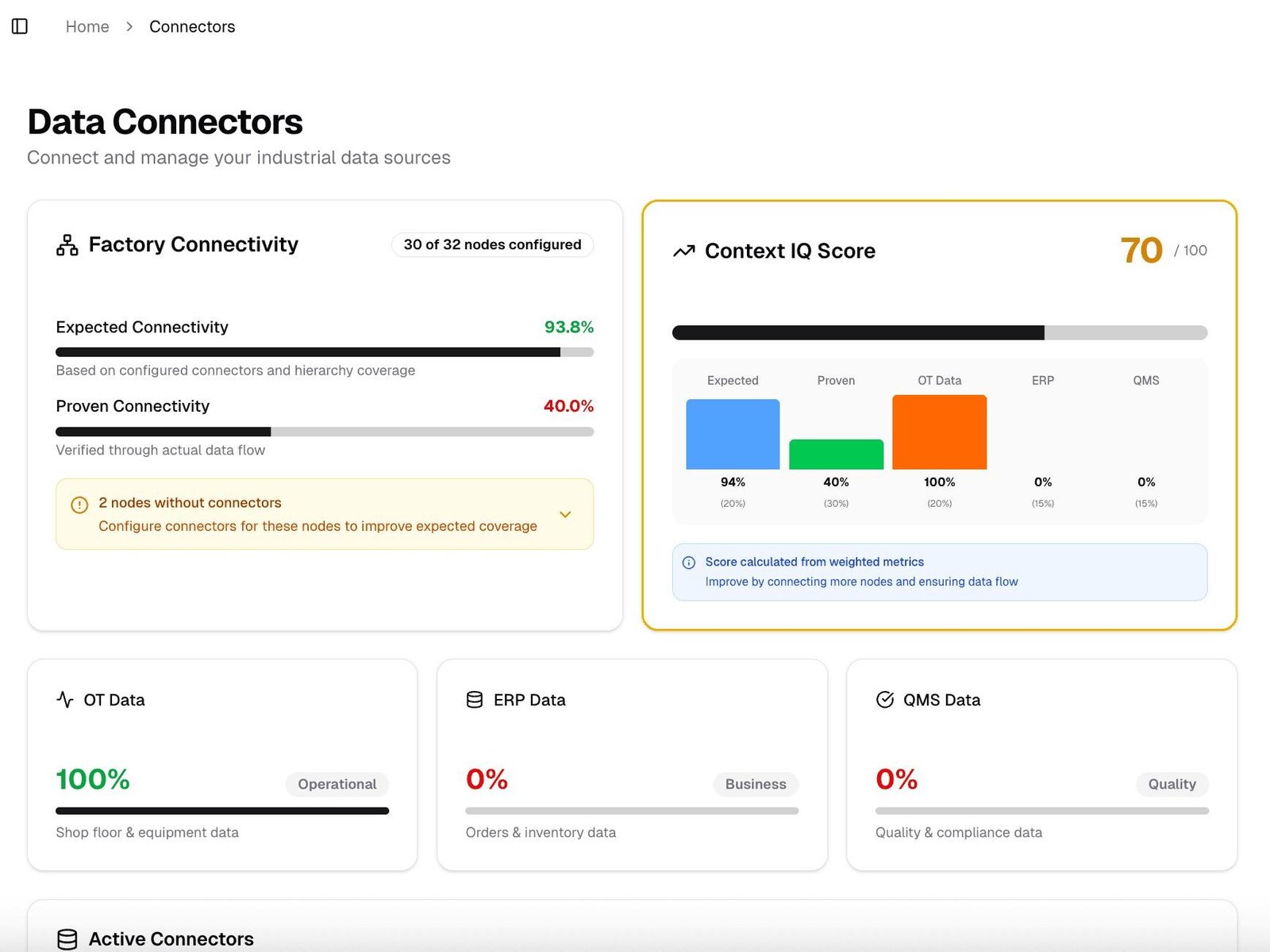
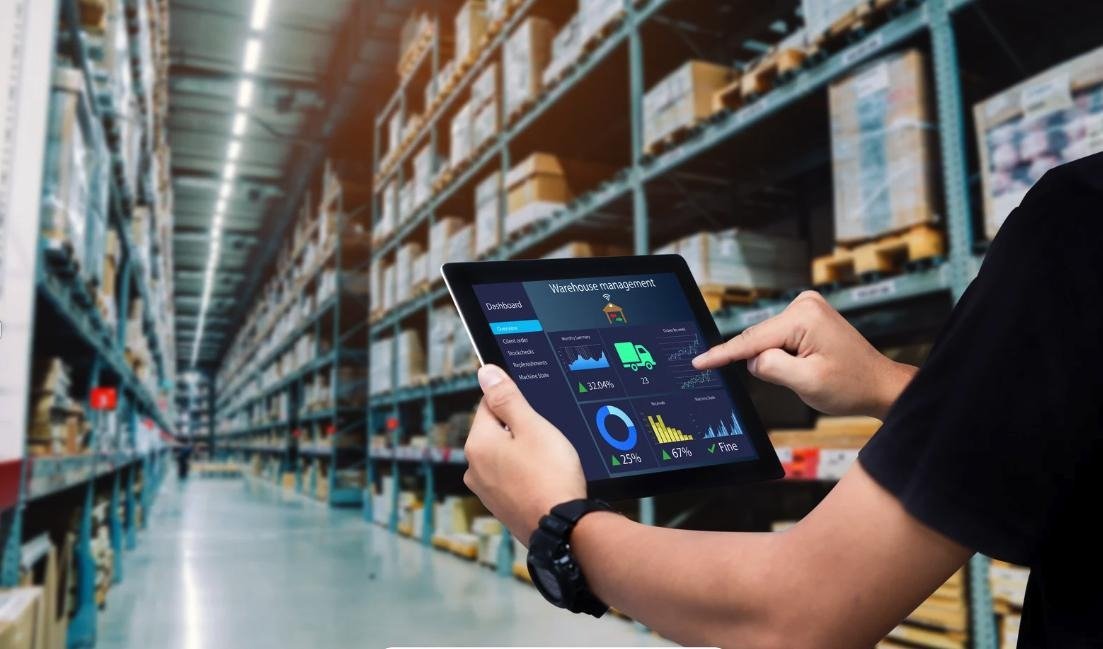
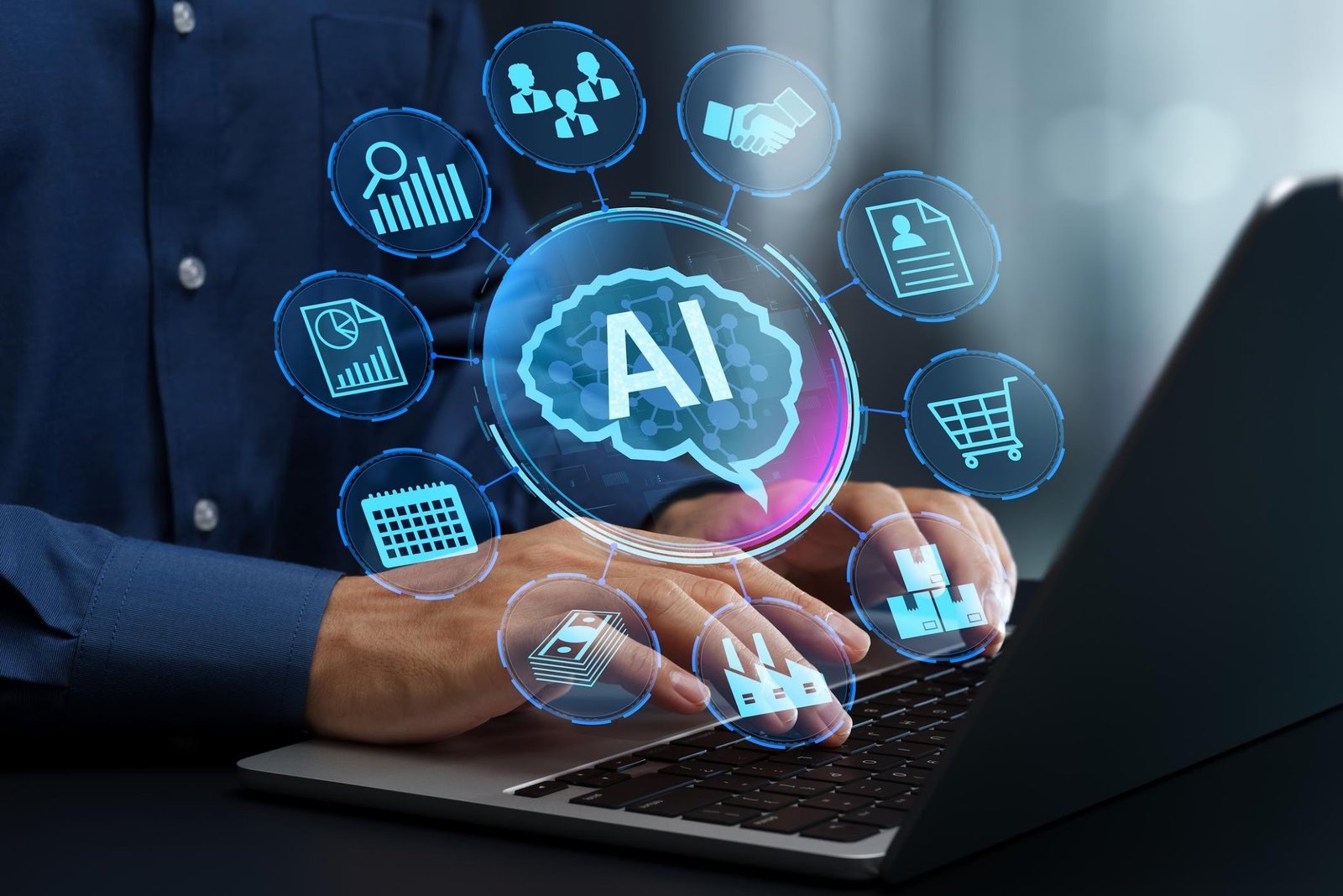

AI platforms can work alongside ERP systems to provide:
- Real-time operational insights
- Predictive alerts
- Performance dashboards
- Automated reporting
For example:
- AI can predict material shortages using ERP inventory data
- AI can identify production delays using planning and scheduling data
- AI can forecast maintenance requirements using ERP maintenance history
This enhances decision-making without changing the core ERP system.
AI Integration with SAP
SAP already includes multiple embedded AI capabilities and supports integration with advanced AI platforms.
Manufacturers using SAP can apply AI for:
- Predictive maintenance
- Supply chain forecasting
- Production optimization
- Financial analytics
- Intelligent automation
SAP’s cloud ecosystem and APIs make AI integration relatively mature and scalable.
Many smart factory initiatives today are being built on top of SAP-based manufacturing environments.
AI Integration with Oracle ERP
Oracle ERP also supports AI integration across manufacturing and supply chain operations.
AI applications integrated with Oracle ERP commonly include:
- Demand forecasting
- Inventory optimization
- Procurement analytics
- Manufacturing scheduling
- Operational performance monitoring
Oracle has increasingly embedded AI and machine learning capabilities directly into its enterprise applications.
Can AI Work with Tally?
TallyPrime is commonly used by MSMEs and smaller manufacturers across India.
While Tally is not as advanced as enterprise ERP platforms like SAP or Oracle, AI can still work with it.
Typical AI integrations with Tally include:
- Inventory analytics
- Sales forecasting
- Financial insights
- Automated reporting
- Business intelligence dashboards
However, manufacturers using Tally often require:
- Additional data collection systems
- IoT integrations
- External analytics platforms
to support advanced manufacturing AI use cases such as predictive maintenance or machine-level analytics.
Common AI Use Cases Connected to ERP Systems
Predictive Maintenance
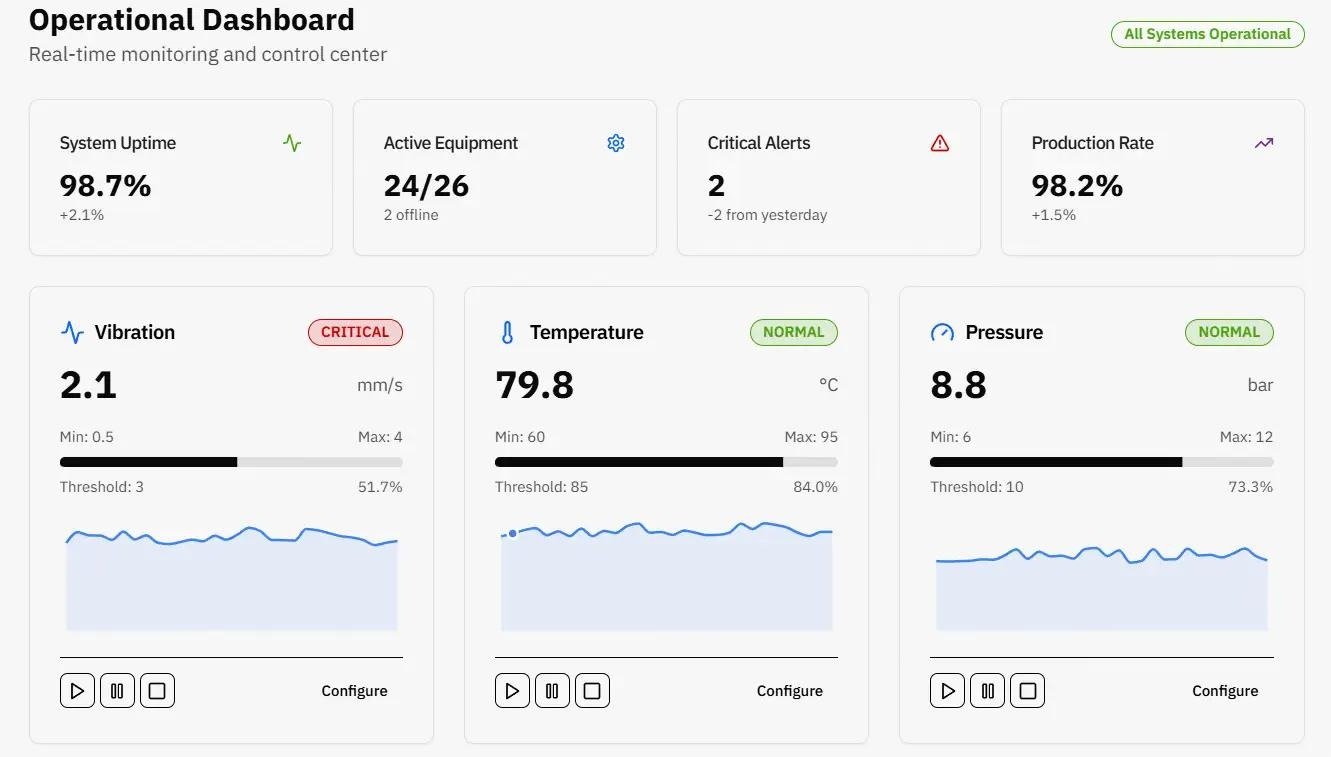
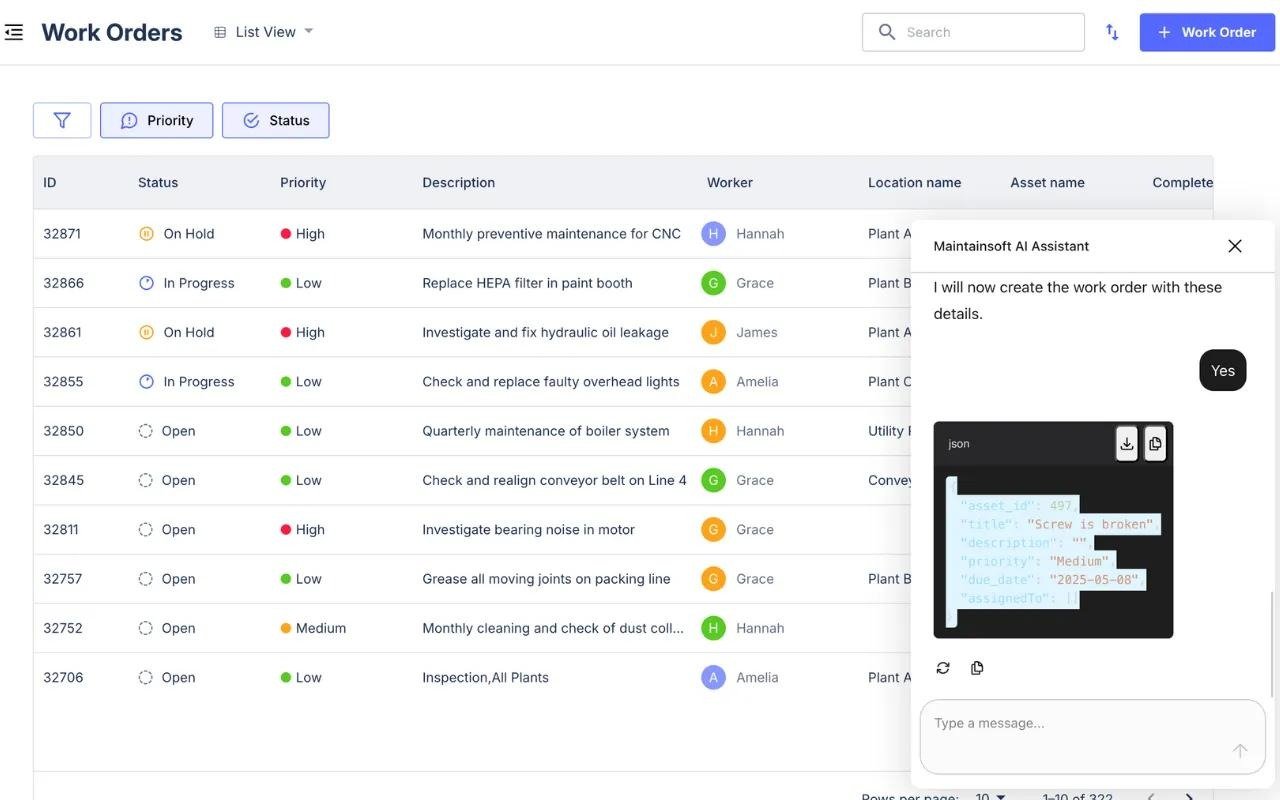
AI combines:
- ERP maintenance history
- Machine sensor data
- Production records
to predict equipment failures before breakdowns occur.
Supply Chain Optimization
AI analyzes ERP supply chain and inventory data to:
- Forecast demand
- Optimize procurement
- Reduce inventory costs
- Improve delivery planning
Quality Analytics
AI integrates with quality management systems to:
- Detect defect trends
- Analyze production quality patterns
- Improve process consistency
Production Planning and Scheduling
AI uses ERP production data to:
- Optimize scheduling
- Improve resource allocation
- Reduce production bottlenecks
Benefits of AI + ERP Integration
Better Decision-Making
AI transforms ERP data into actionable insights rather than static reports.
Increased Operational Visibility
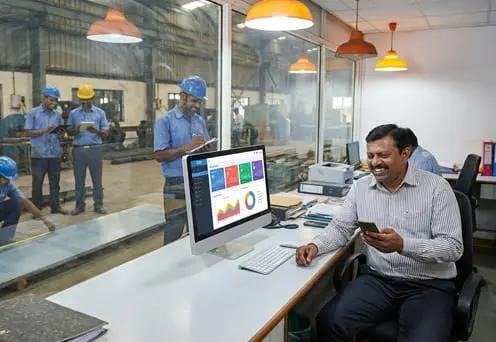
Manufacturers gain real-time visibility into:
- Production
- Maintenance
- Inventory
- Supply chains
- Energy usage
Faster Automation
AI enables intelligent workflow automation across operational processes.
Improved Forecasting
AI improves forecasting accuracy using historical and real-time ERP data.
Higher ROI from Existing Systems
Instead of replacing ERP systems, manufacturers maximize the value of their existing digital infrastructure.
Challenges Manufacturers Should Consider
Data Quality Issues
AI systems depend on accurate and structured ERP data.
Poor master data or inconsistent records can reduce AI effectiveness.
Legacy ERP Limitations
Older ERP deployments may require:
- Additional middleware
- Custom integrations
- Cloud migration strategies
Integration Complexity
Connecting AI systems with:
- ERP
- MES
- IoT platforms
- Production systems
requires proper architecture planning.
Workforce Readiness
Operational teams must understand how to use AI-generated insights effectively.
The manAIhub Perspective
At manAIhub, we help manufacturers understand that AI adoption does not always require a complete digital transformation from scratch.
Many organizations already have valuable operational data within existing ERP systems.
The key is learning how to:
- Unlock that data
- Integrate AI strategically
- Start with focused use cases
- Scale gradually
manAIhub connects manufacturers with:
- ERP experts
- AI solution providers
- Manufacturing technologists
- Industry practitioners
to accelerate practical AI adoption across operations.
Final Thought
ERP systems store the operational intelligence of a manufacturing organization.
AI helps manufacturers activate that intelligence by turning raw operational data into predictive, actionable, and real-time decision-making capabilities.
Bottom Line
Yes, AI can work with existing ERP systems like SAP, Oracle, and even Tally.
In fact, successful AI adoption in manufacturing often starts by leveraging the operational data already available inside these systems rather than replacing them entirely.