Artificial Intelligence (AI) is often surrounded by bold promises—massive cost savings, zero defects, fully autonomous factories. But for many manufacturing leaders, one question still dominates:
“What is the real ROI of AI—and is it worth the investment?”
The truth lies somewhere between hype and hesitation. Let’s break down the myths vs reality of AI in manufacturing, and what ROI actually looks like on the ground.
The Biggest Myths Around AI ROI
Myth 1: AI Delivers Instant Results
Many believe AI is a plug-and-play solution that delivers immediate gains.
Reality:
AI requires:
- Data readiness
- Model training
- Process integration
ROI is progressive, not instant—but it compounds over time.
Myth 2: AI is Only for Large Enterprises
There’s a common perception that AI is too expensive and complex for MSMEs.
Reality:
With cloud, edge devices, and modular solutions:
- AI is becoming affordable and scalable
- Even small manufacturers can start with focused use cases
Myth 3: ROI is Hard to Measure
Some leaders assume AI benefits are intangible.
Reality:
AI ROI in manufacturing is often highly measurable, especially in areas like:
- Downtime reduction
- Scrap reduction
- Energy savings
- Labor productivity
What Real ROI Looks Like in Manufacturing
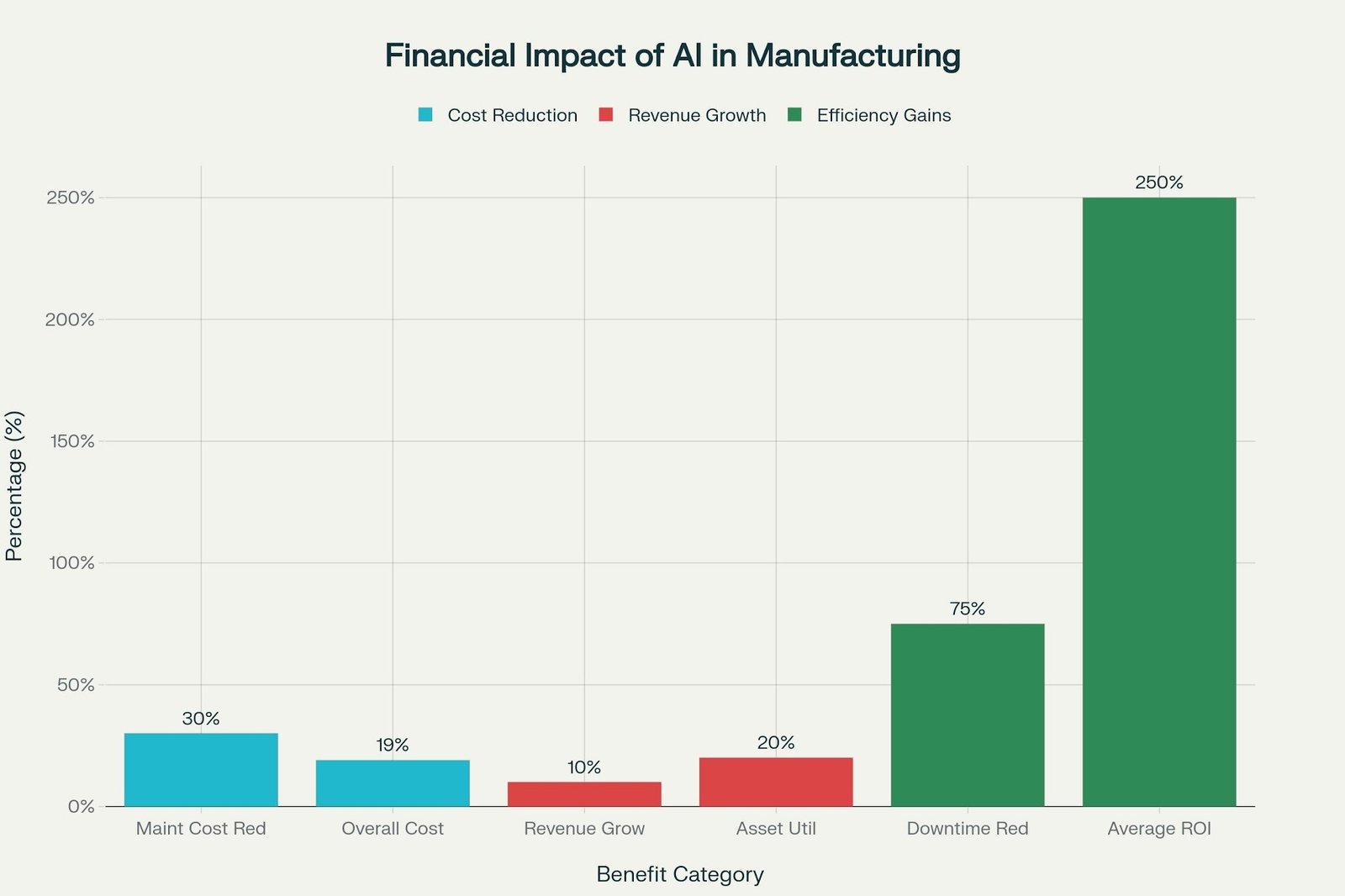
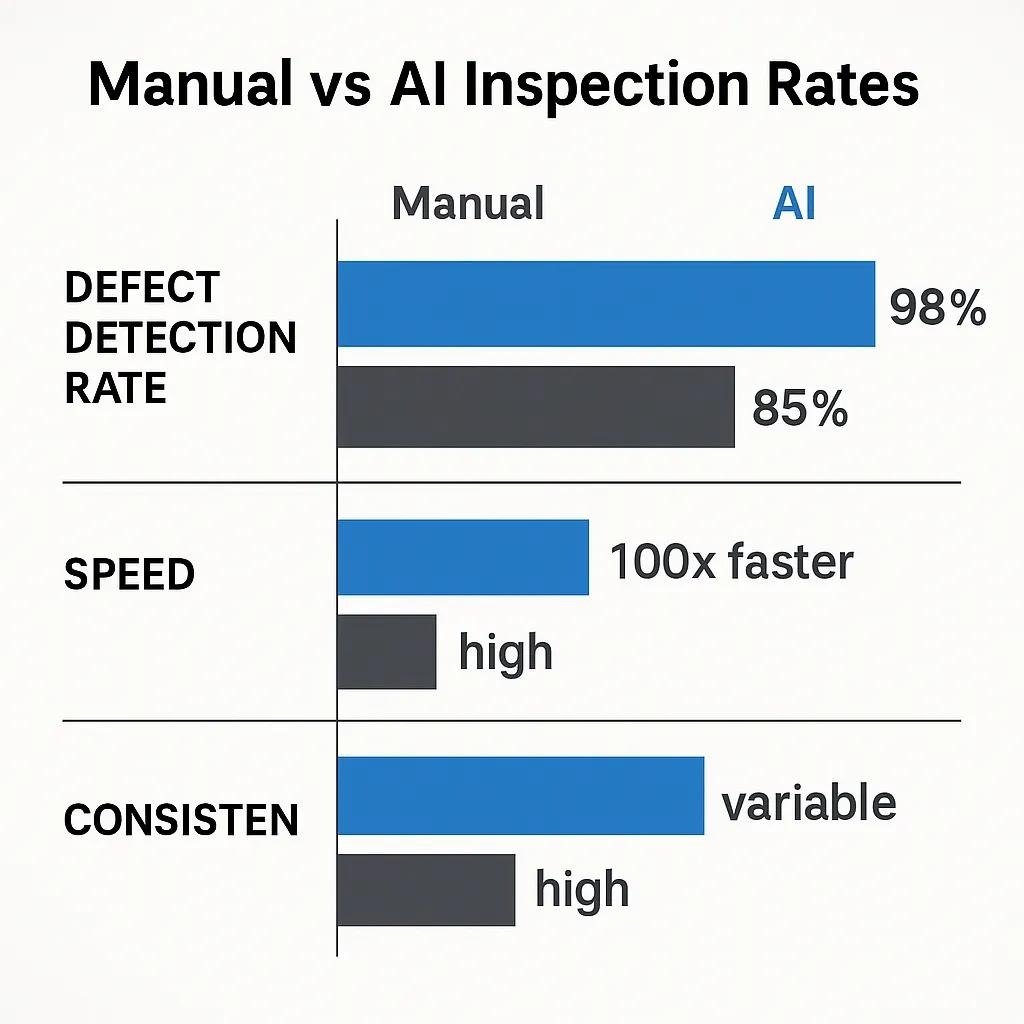
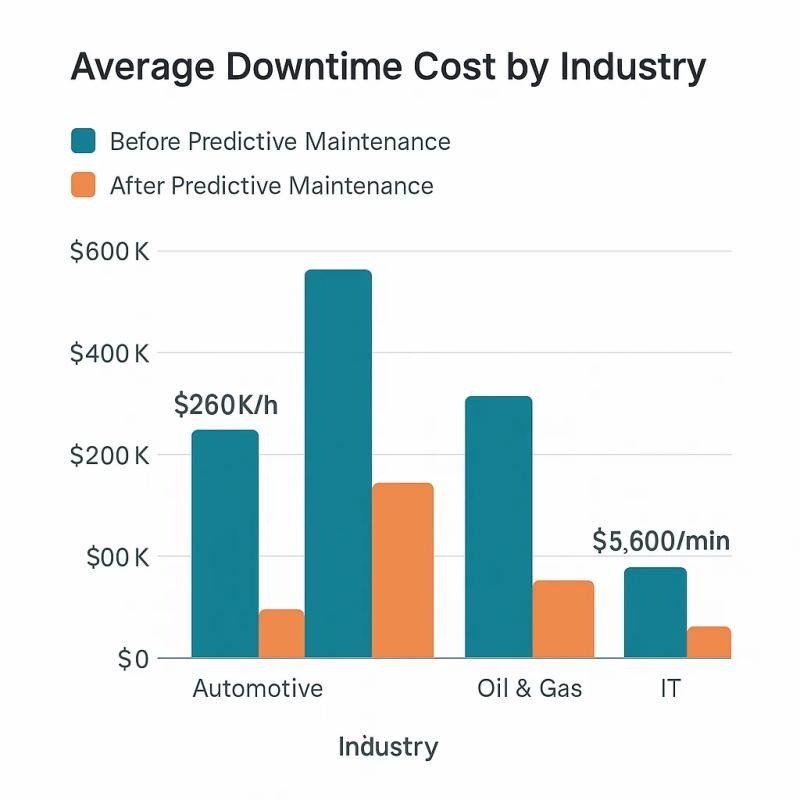
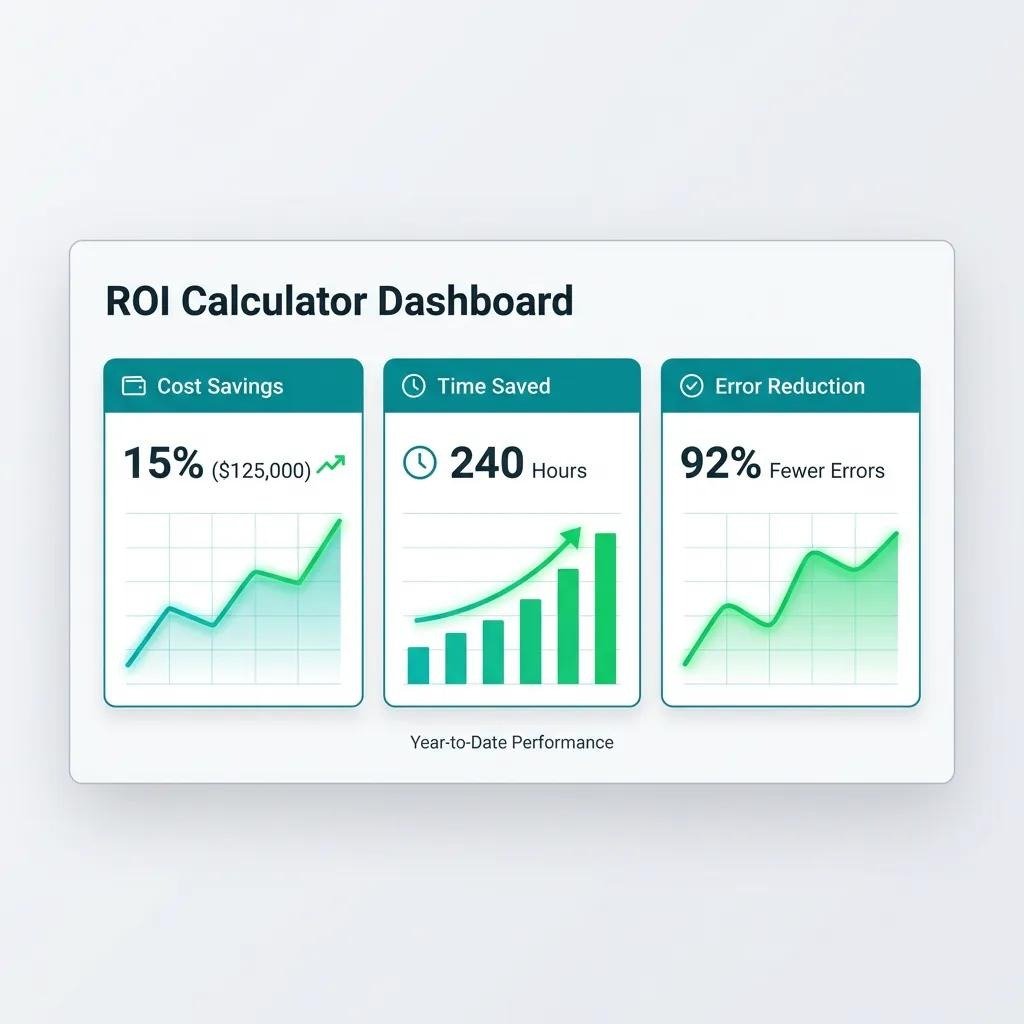
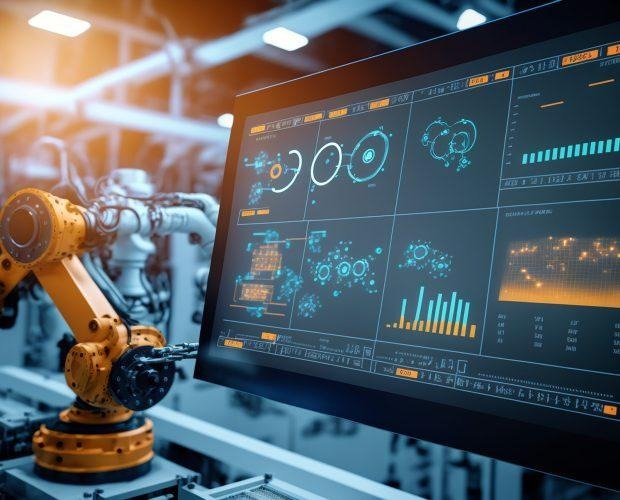
AI delivers ROI across multiple dimensions:
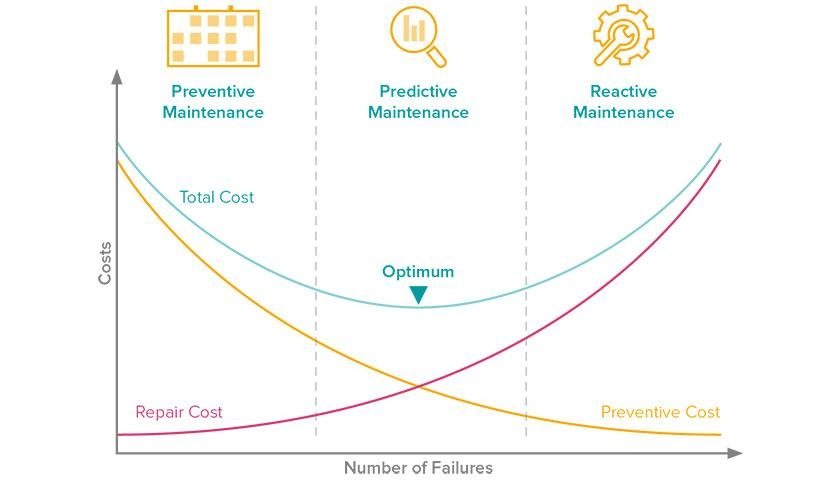
1. Downtime Reduction (Smart Maintenance)
- Predict failures before they occur
- Avoid costly unplanned shutdowns
Typical impact:
- 20–40% reduction in downtime
- Significant maintenance cost savings
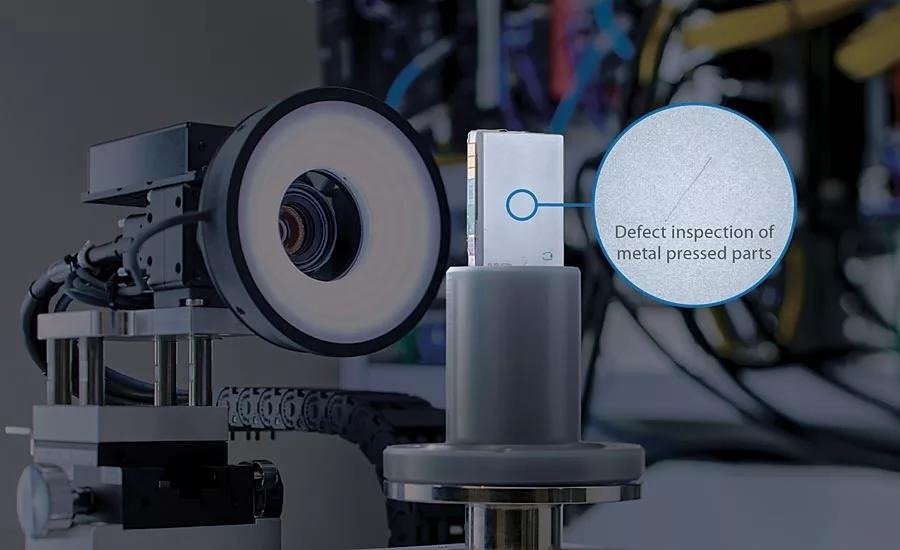
2. Quality Improvement (Inspection AI)
- Detect defects in real time
- Reduce human error
Typical impact:
- 30–50% reduction in defects
- Lower rework and scrap costs
3. Production Efficiency
- Optimize machine utilization
- Identify bottlenecks
Typical impact:
- 10–25% increase in throughput
- Better asset utilization
4. Inventory & Supply Chain Optimization
- Improve demand forecasting
- Optimize stock levels
Typical impact:
- Reduced inventory holding costs
- Fewer stockouts
5. Energy Savings
- Monitor and optimize energy usage
Typical impact:
- 10–20% reduction in energy consumption
The Hidden ROI Most People Miss
Beyond direct financial gains, AI delivers strategic ROI:
- Faster decision-making with real-time insights
- Improved customer satisfaction due to consistent quality
- Greater agility in handling demand fluctuations
- Competitive advantage in global markets
These benefits often outweigh the initial investment.
The Reality Check: What Impacts ROI
Not all AI projects succeed—and ROI depends on key factors:
1. Right Use Case Selection
Start with problems that:
- Have clear business impact
- Are measurable
Example: downtime, defects, energy
2. Data Availability & Quality
AI is only as good as the data it learns from.
3. Integration with Operations
AI must fit into:
- Existing workflows
- Decision-making processes
4. Change Management
People adoption is critical:
- Training teams
- Building trust in AI outputs
Why Some AI Projects Fail
Understanding failure helps maximize ROI:
- Trying to do too much too soon
- Lack of clear KPIs
- Poor data infrastructure
- No alignment between business and technical teams
AI is not just a tech project—it’s a business transformation initiative
How to Maximize AI ROI (Practical Approach)
- Start Small
→ Pilot a high-impact use case - Measure Clearly
→ Define KPIs before implementation - Scale Gradually
→ Expand to other areas after success - Collaborate with Experts
→ Avoid trial-and-error
The Role of Ecosystems Like manAIhub
One of the biggest challenges in achieving ROI is connecting the right pieces:
- Problems
- Data
- Experts
- Solutions
Platforms like manAIhub help:
- Identify high-ROI use cases
- Connect manufacturers with AI experts
- Accelerate implementation through collaboration
Final Thought
AI in manufacturing is neither magic nor myth—it’s a powerful tool that delivers real ROI when applied correctly.
The companies seeing the highest returns are not the ones investing the most—but the ones:
- Starting with the right problems
- Executing with clarity
- Scaling with confidence