
A manAIhub Perspective
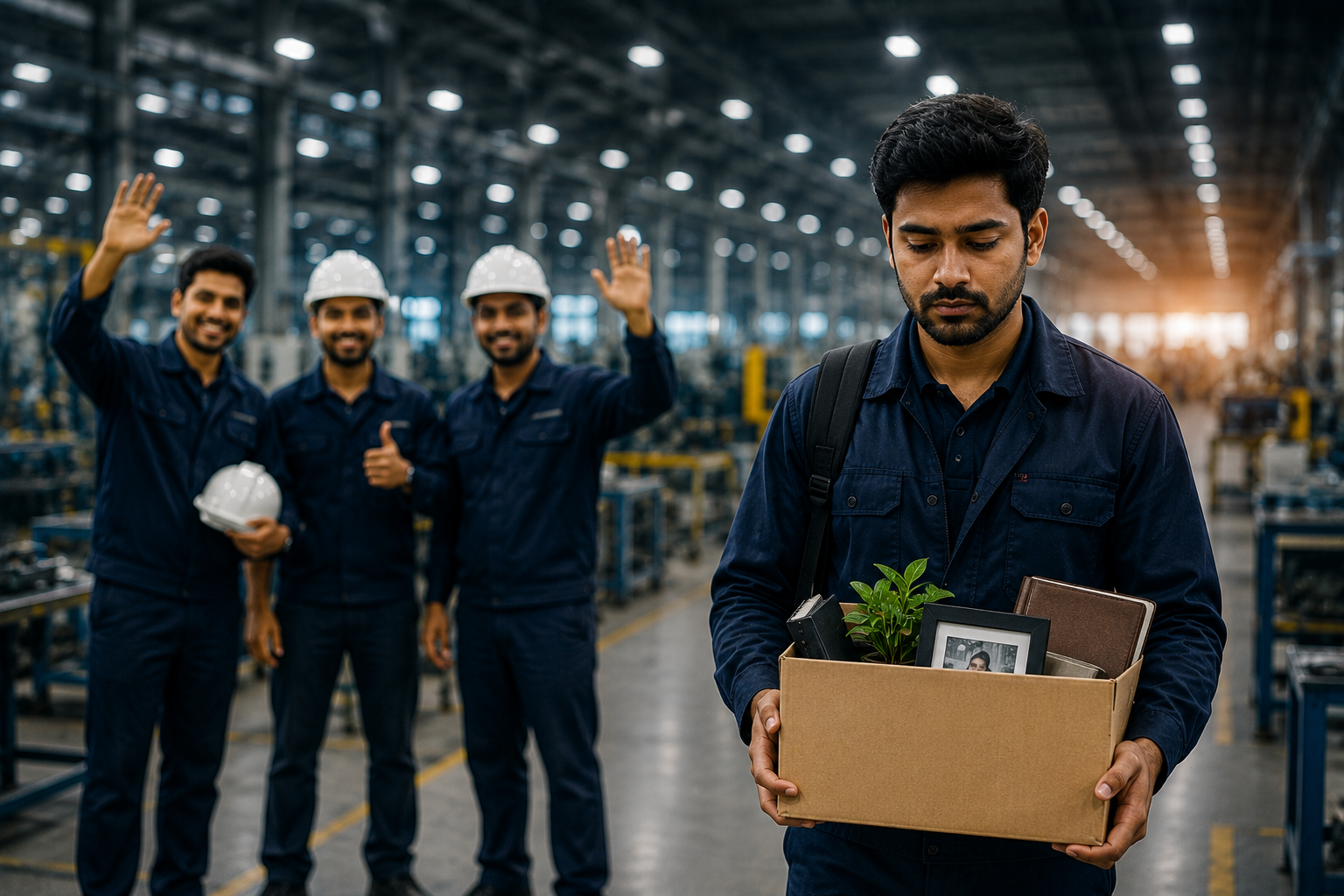
India produces hundreds of thousands of engineering graduates every year. Yet, despite manufacturing being one of the country’s most important sectors, many young engineers are choosing careers in IT, software, consulting, startups, and digital industries instead of manufacturing.
For manufacturing leaders, this creates a growing challenge.
While factories are investing in automation, AI, and Industry 4.0 technologies, many struggle to attract and retain the next generation of engineering talent.
The question is no longer just about hiring talent.
The real challenge is making manufacturing an industry where talented young engineers want to build long-term careers.
At manAIhub, we believe solving this talent challenge is just as important as solving challenges related to productivity, quality, and digital transformation.
Why This Matters

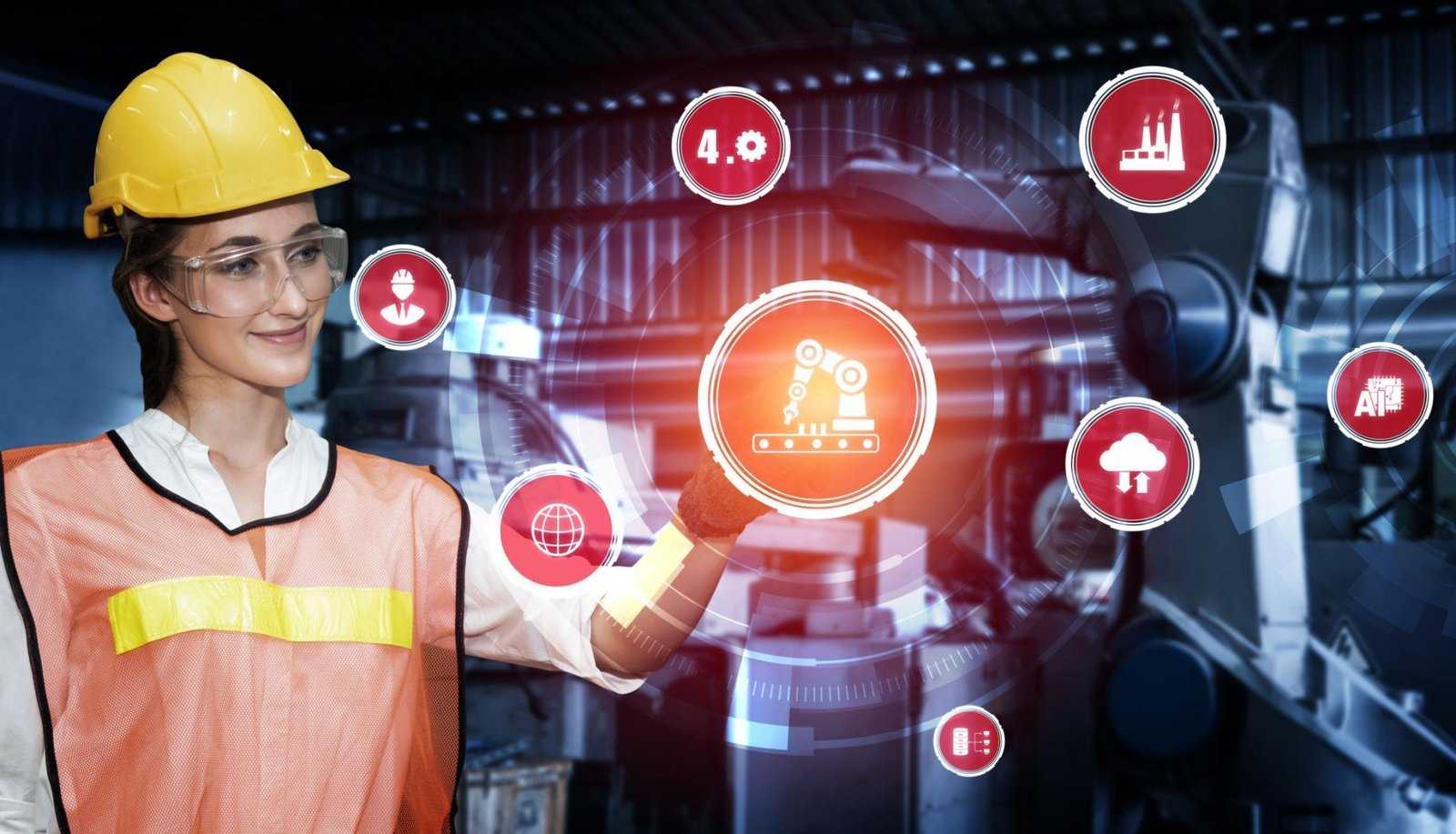
Indian manufacturing is entering a critical phase.
Factories are adopting:
- AI and analytics
- Automation systems
- Smart maintenance
- Digital quality systems
- Advanced supply chain technologies
These transformations require engineers who can combine:
- Technical knowledge
- Problem-solving skills
- Digital capabilities
- Operational understanding
Without attracting young talent, the industry’s ability to modernize will slow significantly.
Why Young Engineers Are Leaving Manufacturing
1. Manufacturing is Often Perceived as Less Attractive Than IT
Many engineering students view manufacturing as:
- Traditional
- Slow-moving
- Less innovative
- Limited in career growth
Meanwhile, industries such as software and technology are often perceived as offering:
- Faster career progression
- Better work environments
- More exciting projects
- Higher visibility
The reality is that modern manufacturing is becoming increasingly technology-driven, but the industry’s image has not always kept pace with this transformation.
2. Limited Exposure to Modern Manufacturing
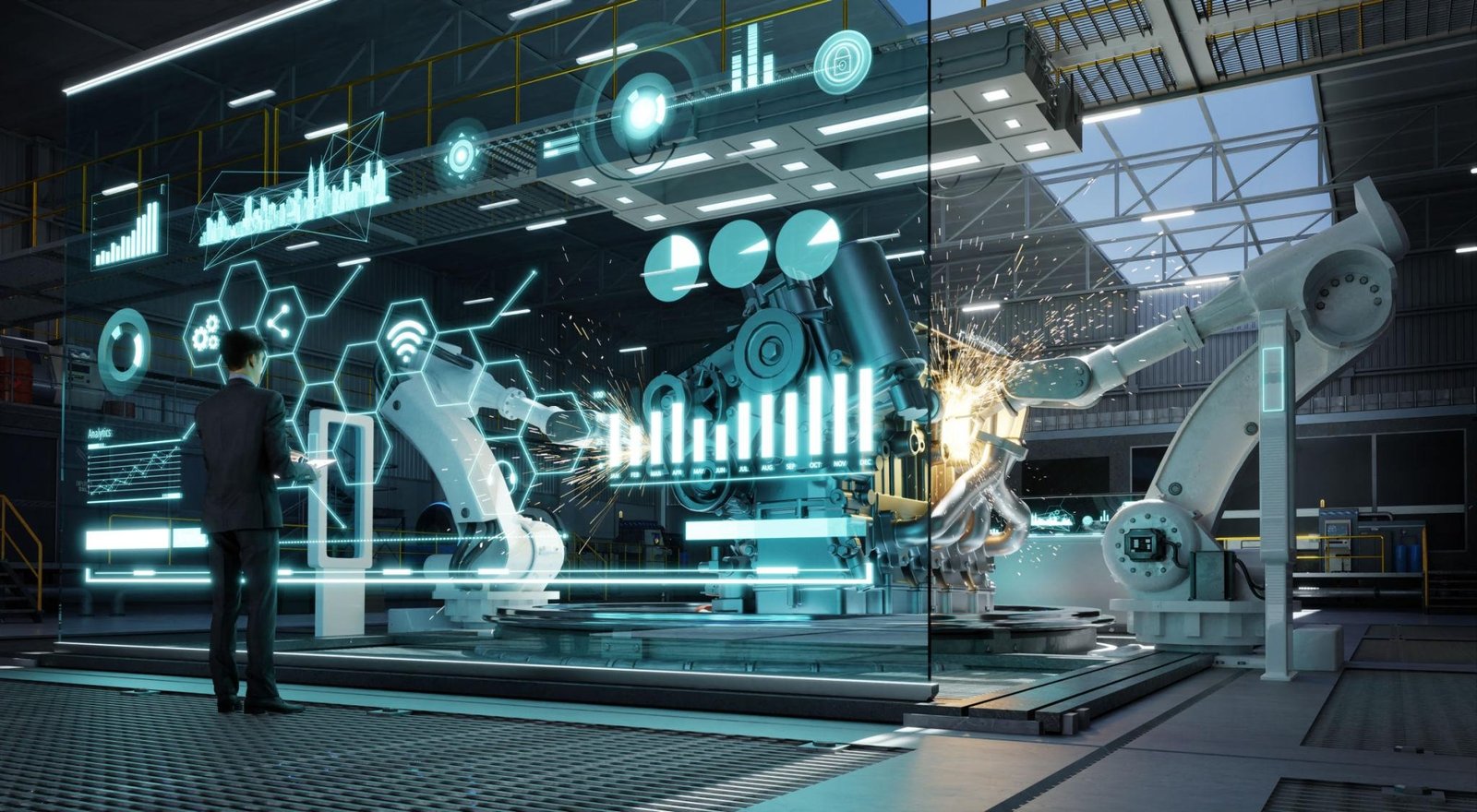
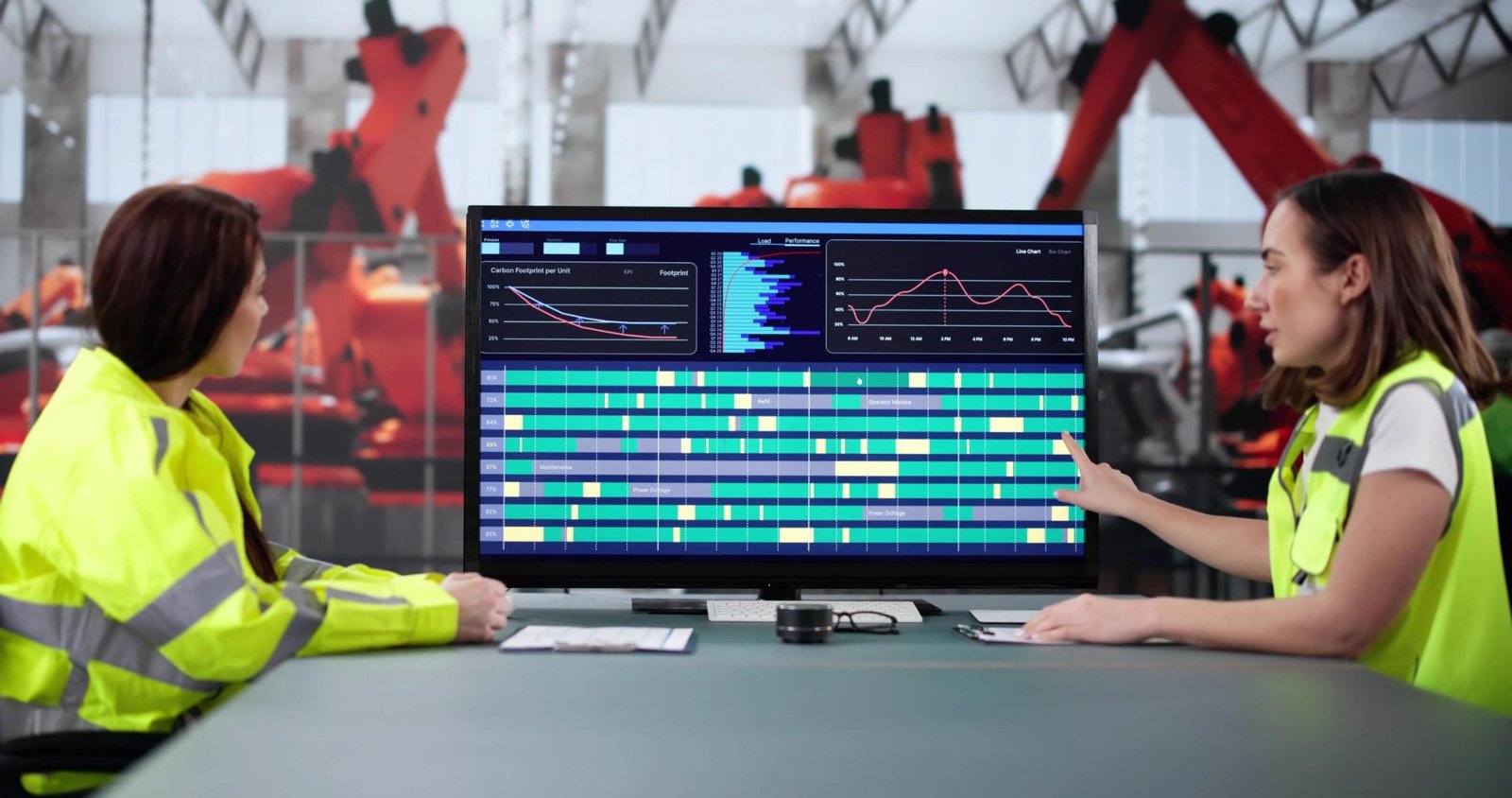
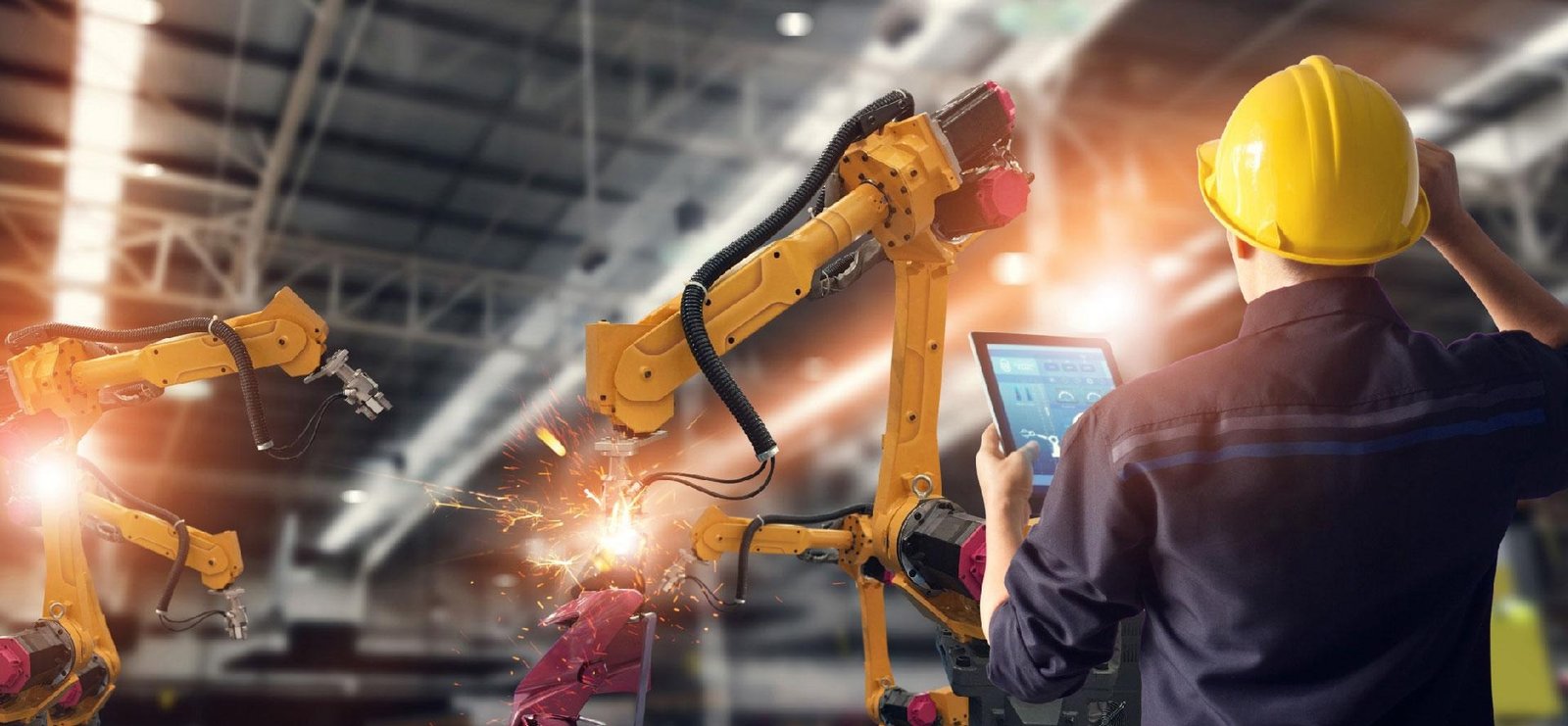
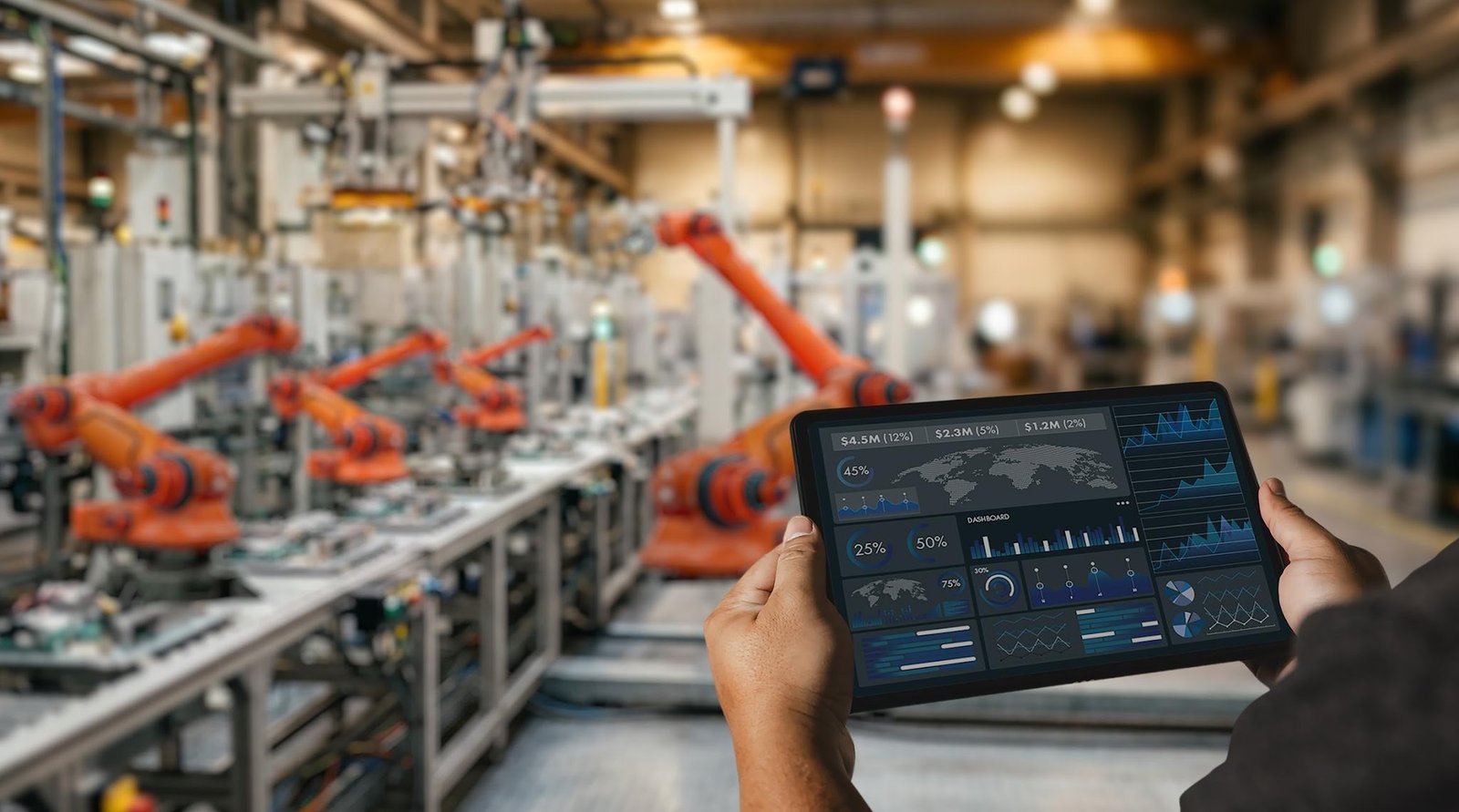
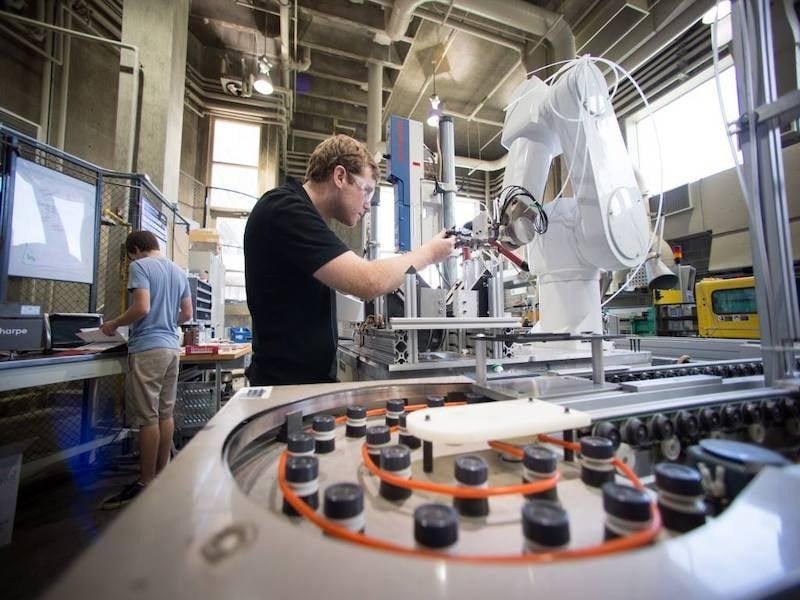

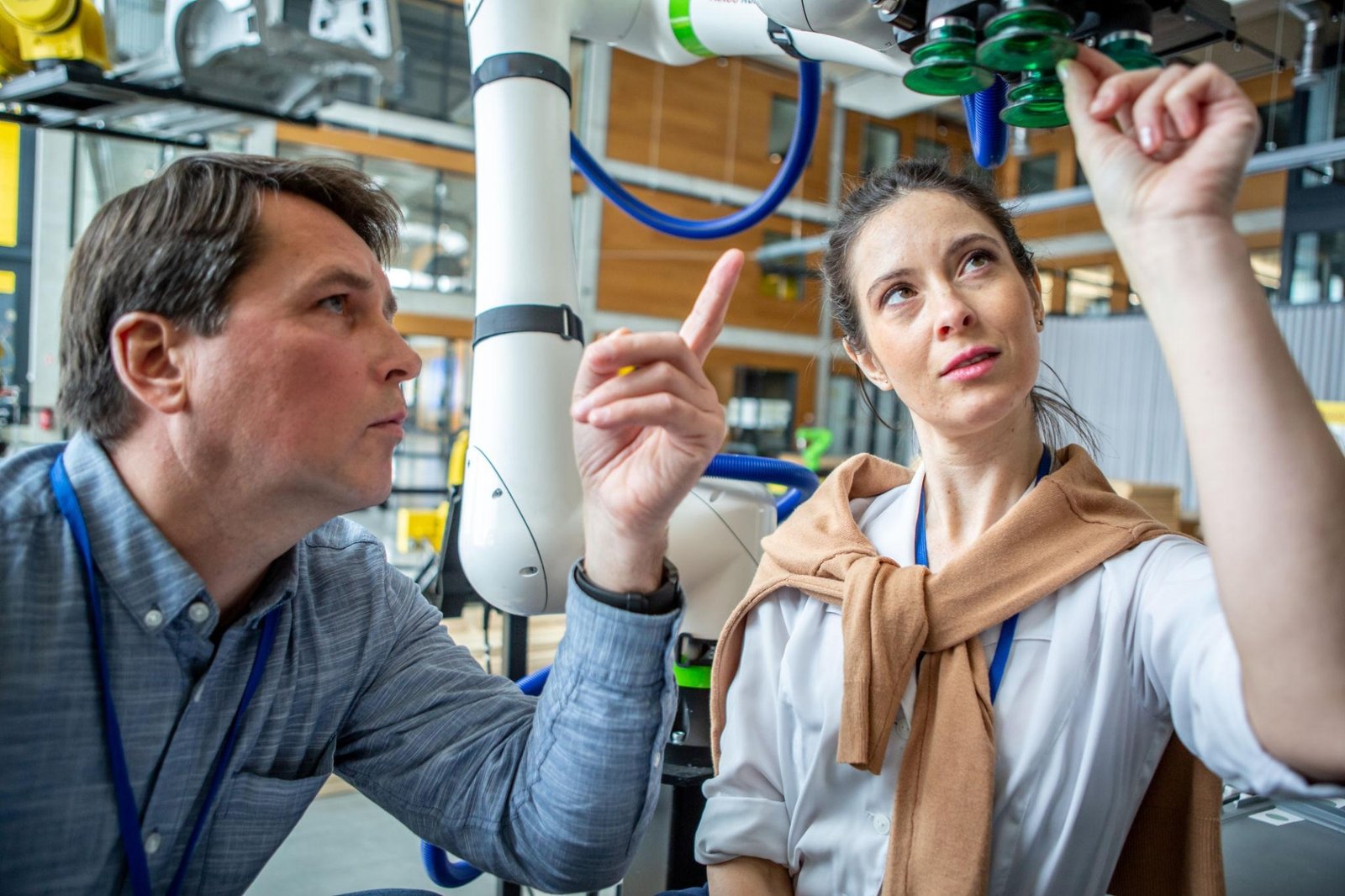
Many students still imagine factories as environments focused solely on machines and repetitive work.
They rarely see:
- AI-powered operations
- Robotics
- Digital twins
- Data analytics
- Smart manufacturing technologies
As a result, they underestimate the opportunities available within the sector.
Manufacturing often has a branding problem rather than a technology problem.
3. Lack of Clear Career Development Paths
Young professionals want visibility into their future.
They often ask:
- What skills should I develop?
- What does career growth look like?
- How can I become a plant leader?
- What opportunities exist beyond my current role?
When organizations fail to provide clear development pathways, talented engineers begin looking elsewhere.
4. Insufficient Learning Opportunities
Today’s engineers want continuous learning.
They want exposure to:
- Emerging technologies
- Cross-functional projects
- Digital transformation initiatives
- Leadership development
Factories that provide limited learning opportunities often struggle to retain ambitious talent.
The next generation values growth as much as compensation.
5. Disconnect Between Academia and Industry
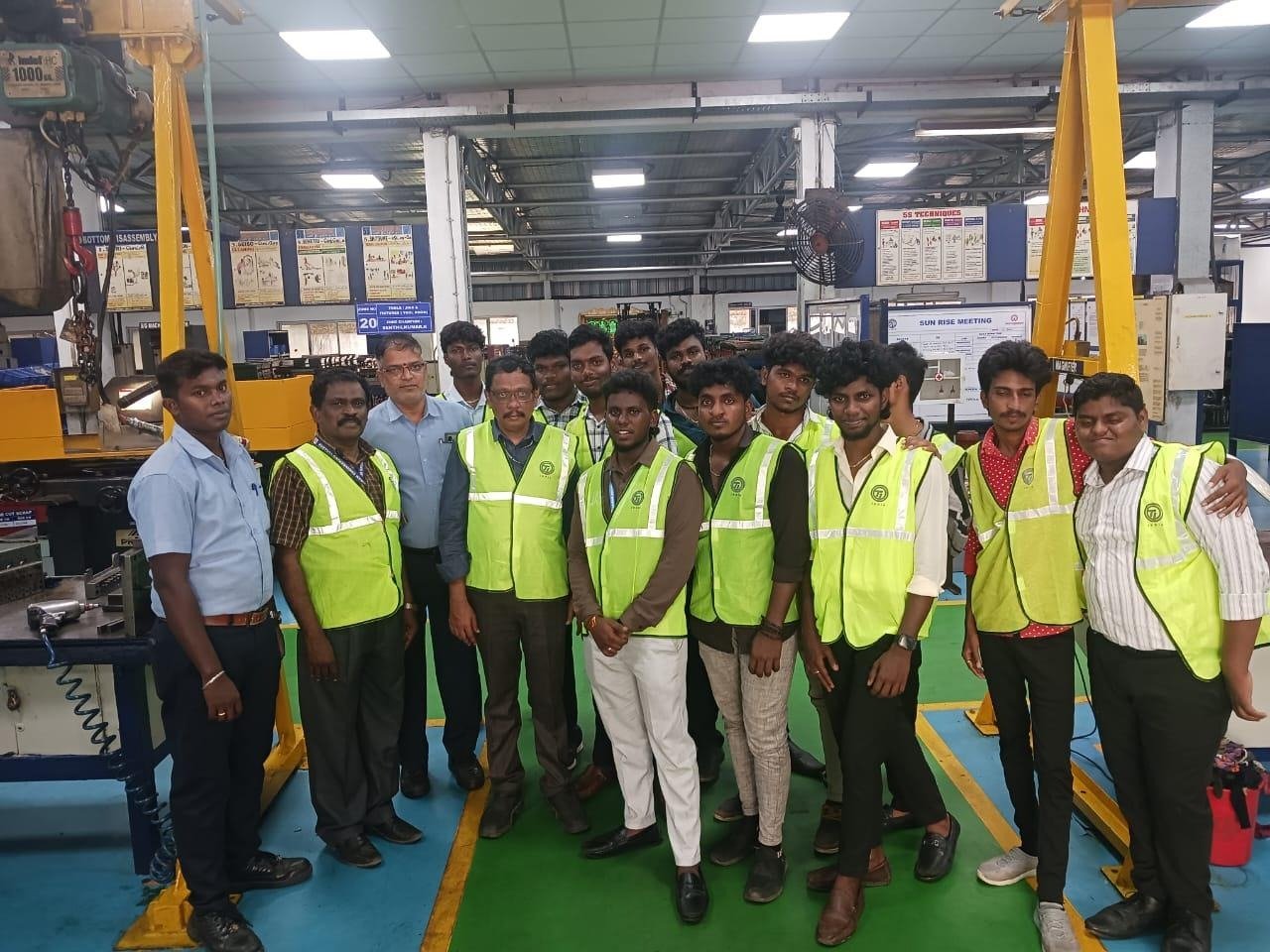
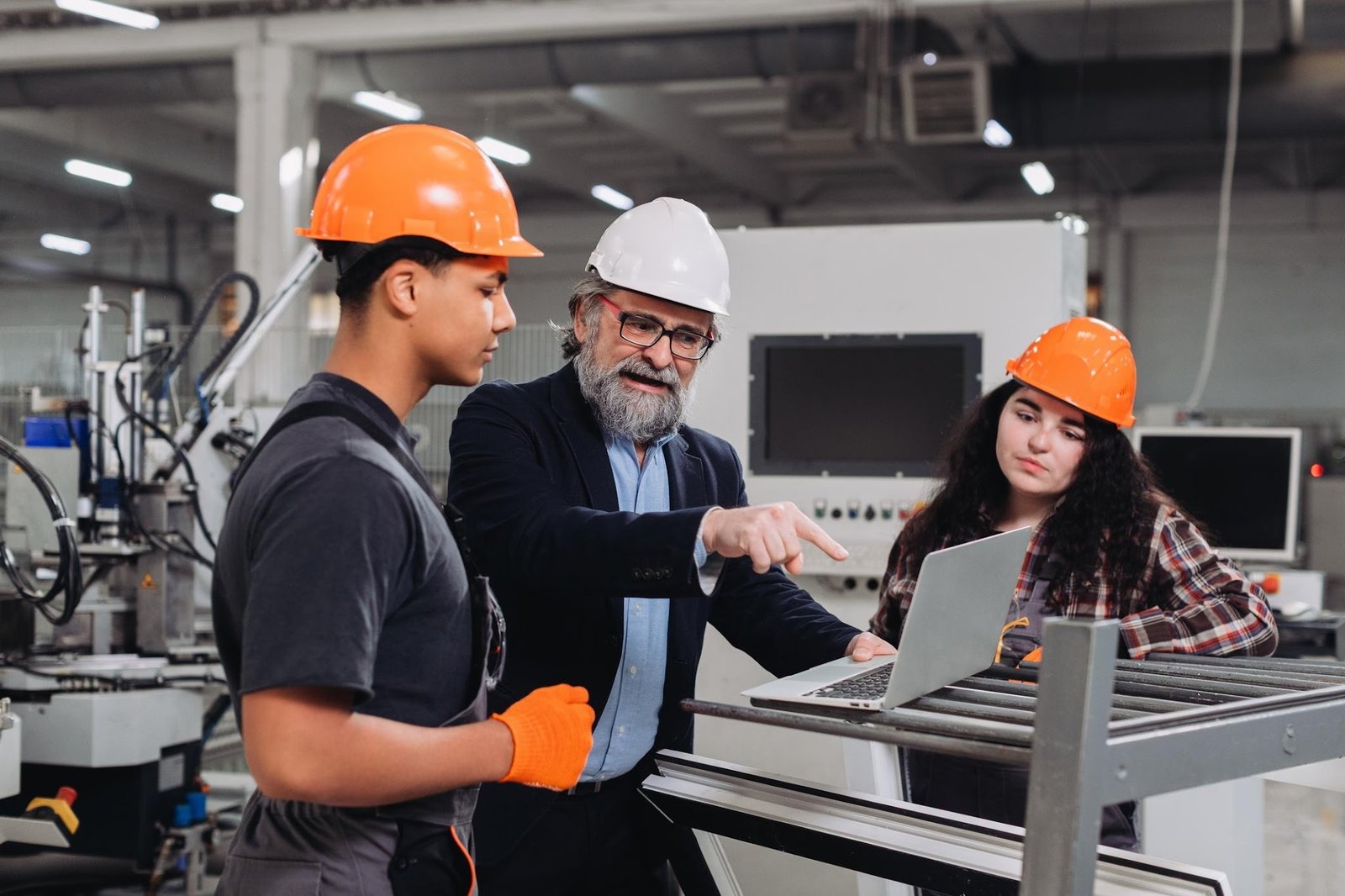

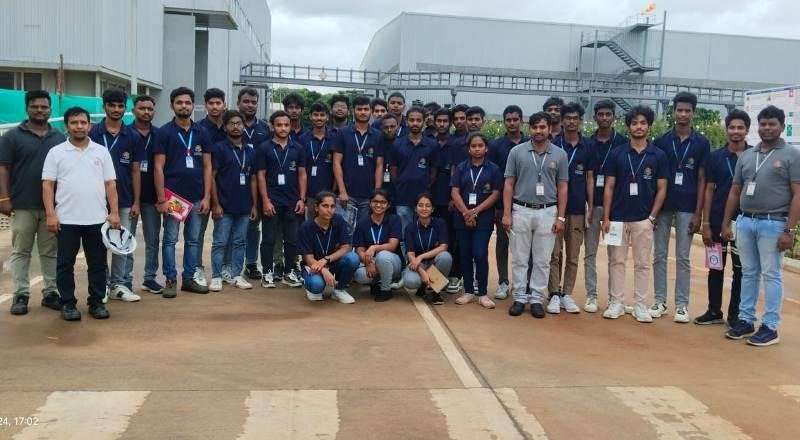
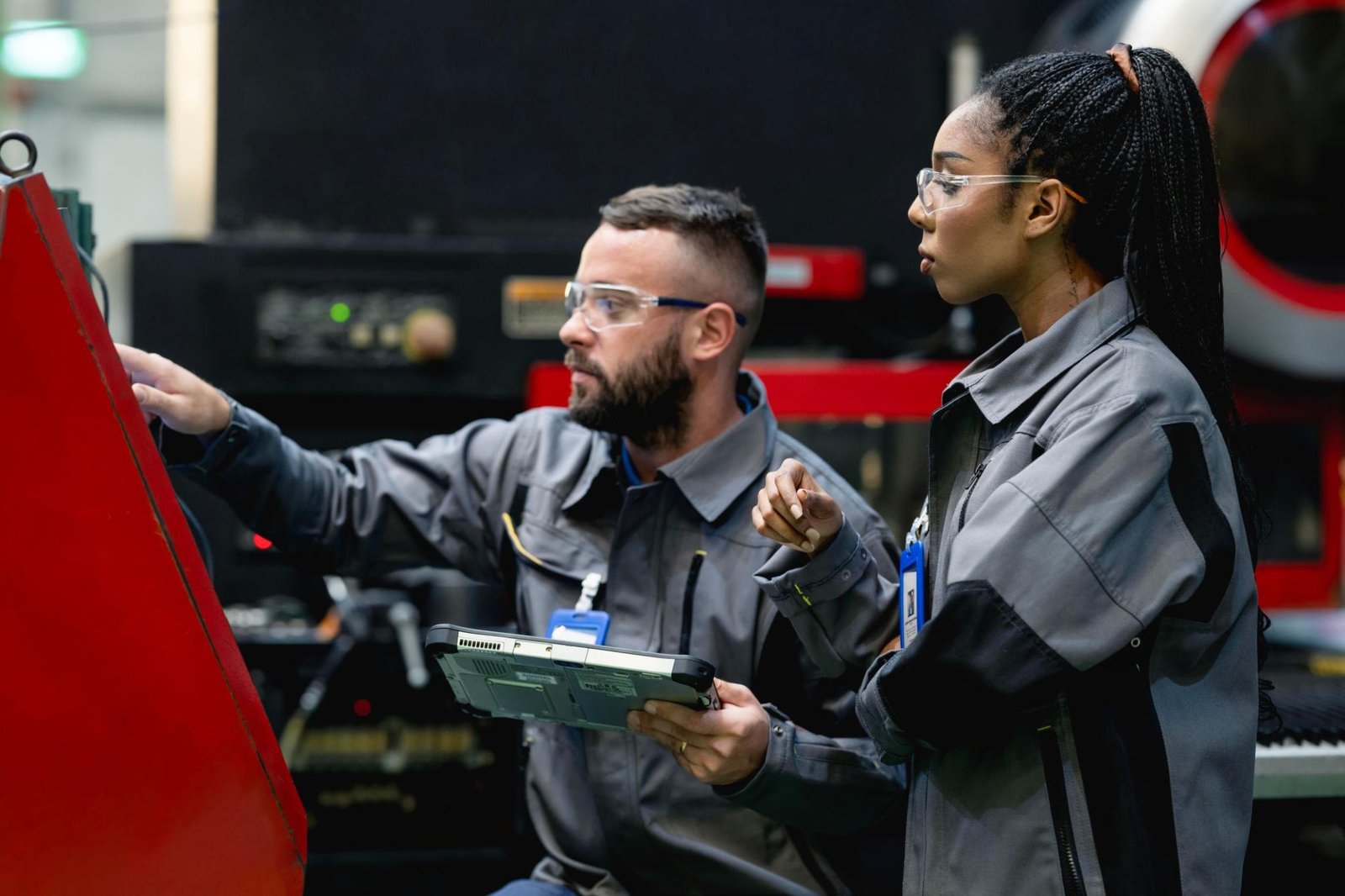

Many engineering graduates enter manufacturing without understanding:
- Real factory operations
- Industry challenges
- Emerging technologies
- Career opportunities
This gap creates unrealistic expectations and often leads to early career dissatisfaction.
Stronger collaboration between industry and academia is essential.
5 Ways Manufacturers Can Retain Young Engineers
Step 1: Showcase Manufacturing as a Technology Industry
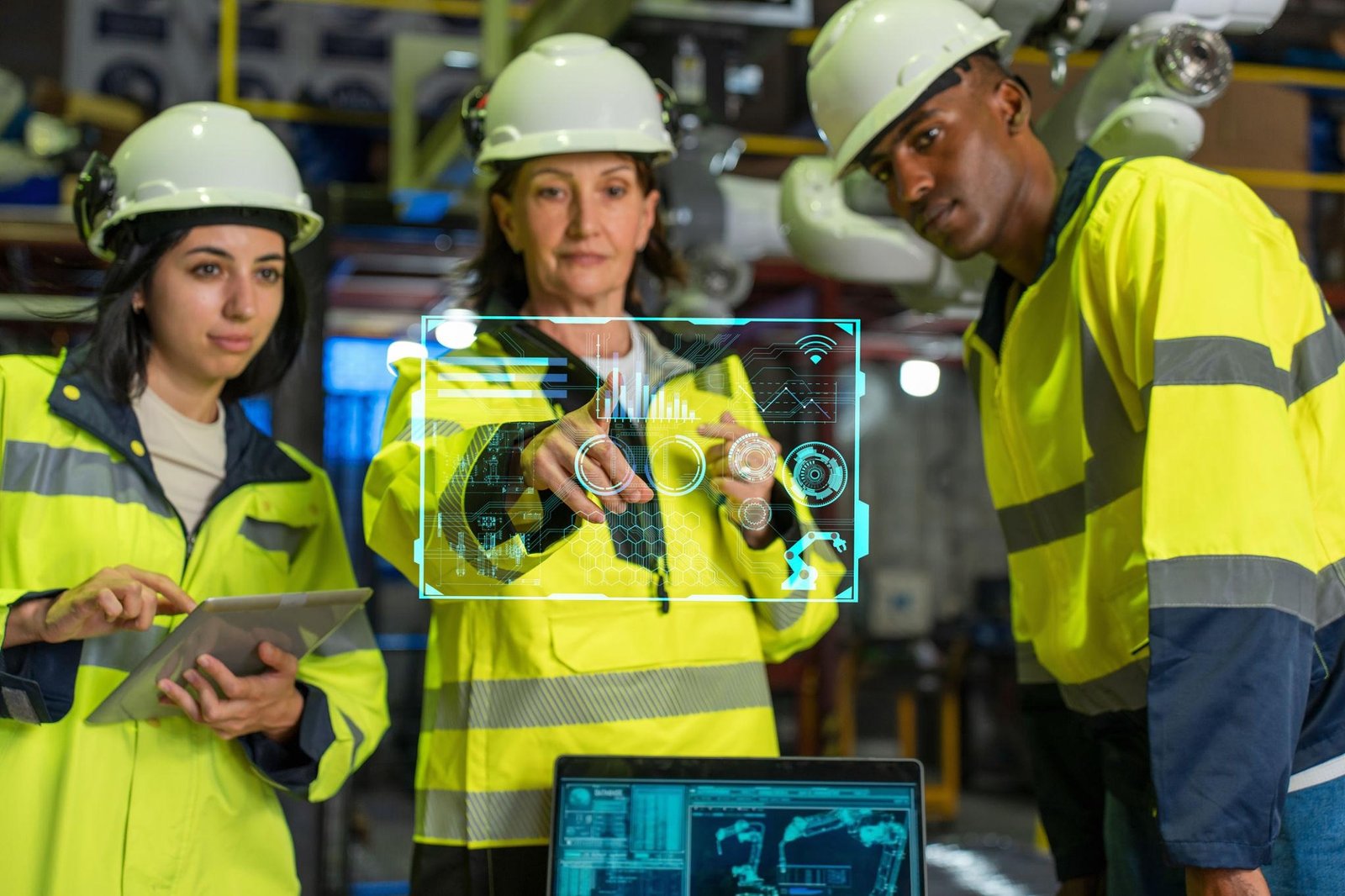
Manufacturing leaders need to actively communicate that modern factories are becoming technology-driven environments.
Highlight projects involving:
- Artificial Intelligence
- Computer Vision
- Robotics
- Digital Twins
- IoT and Industry 4.0
Young engineers are often excited by innovation.
The industry must do a better job of showcasing it.
Step 2: Create Structured Career Growth Paths
Young professionals want clarity about their future.
Organizations should provide:
- Career roadmaps
- Skill development frameworks
- Leadership programs
- Technical specialization tracks
When employees can see long-term growth opportunities, retention improves significantly.
Step 3: Invest in Continuous Learning
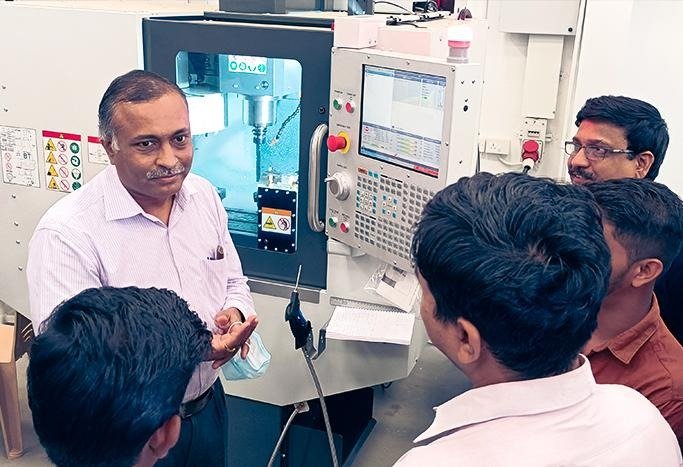
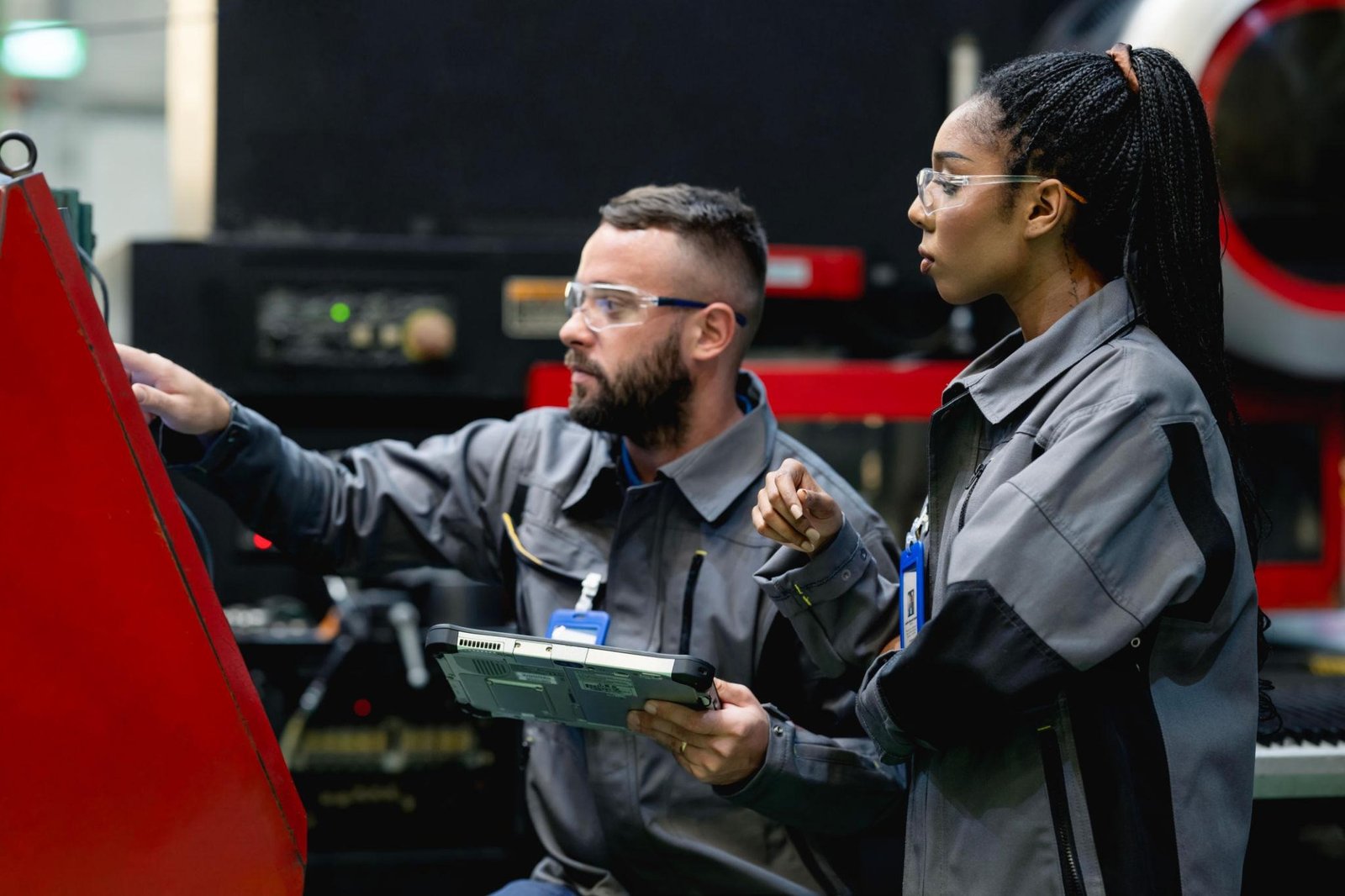
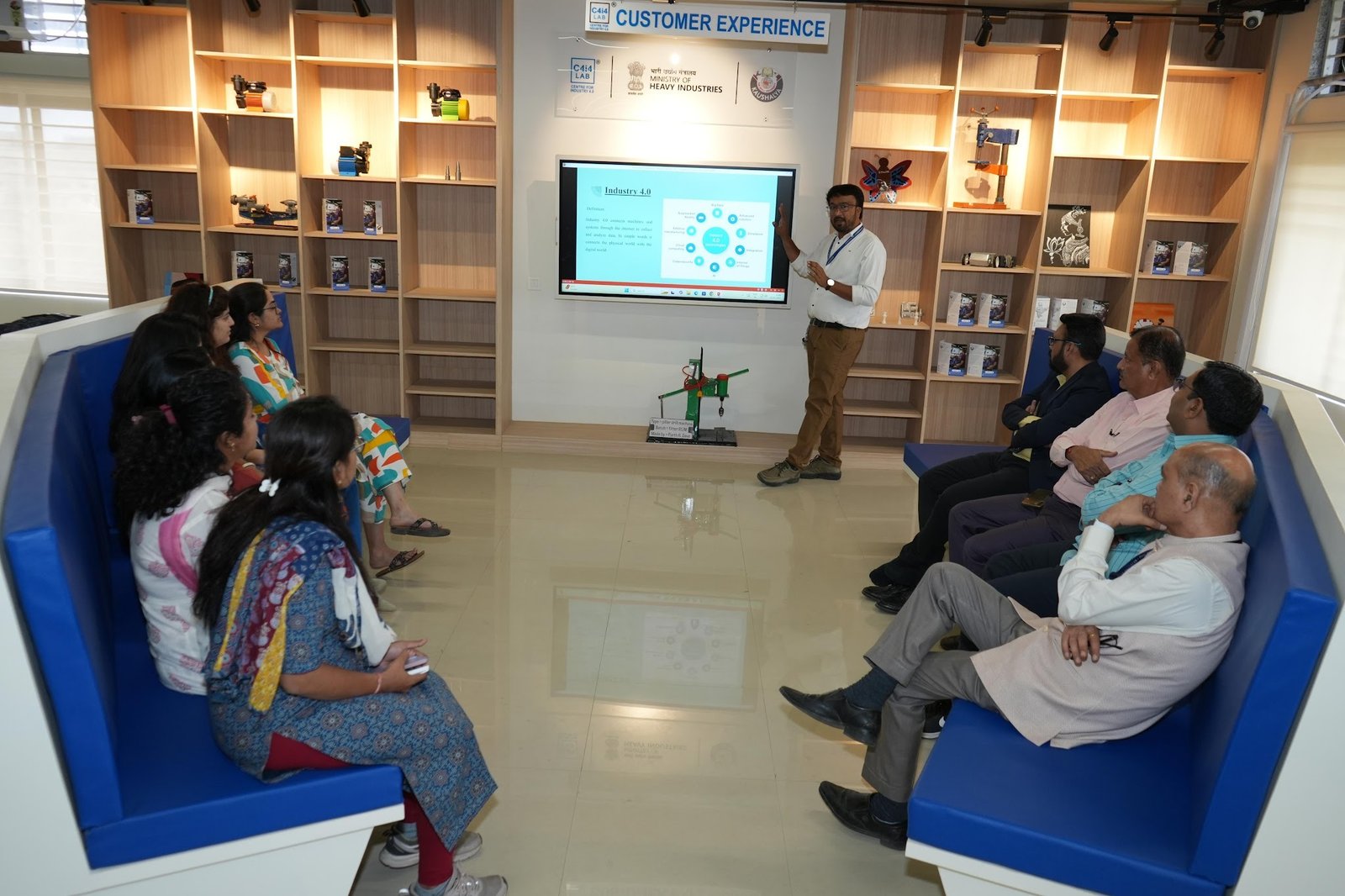
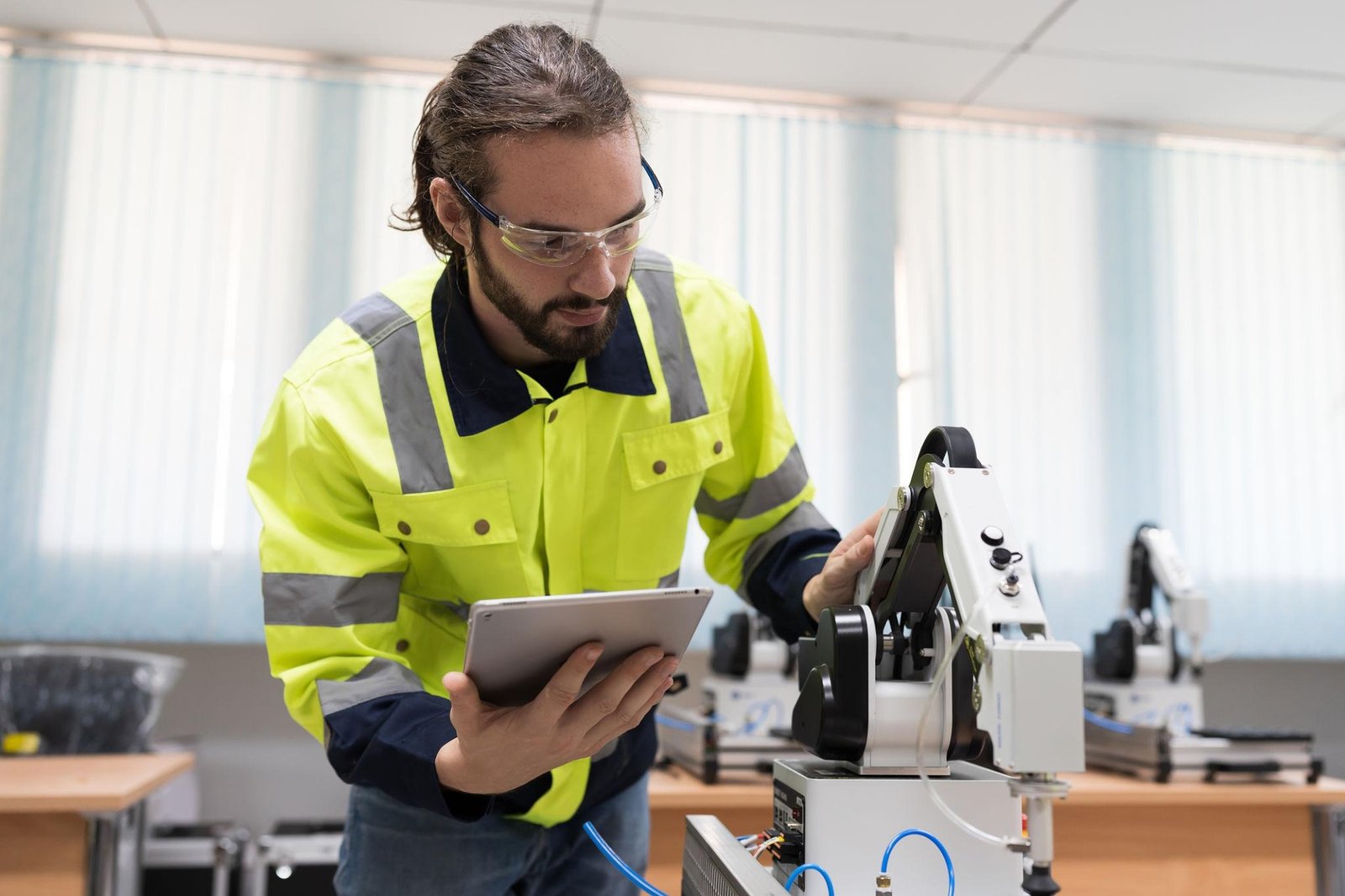
Learning should not stop after onboarding.
Manufacturers should provide opportunities to learn:
- AI and analytics
- Automation systems
- Quality technologies
- Supply chain optimization
- Leadership and management skills
Organizations that invest in people often see stronger engagement and loyalty.
Step 4: Give Engineers Ownership and Impact
One reason startups attract young talent is that employees feel connected to outcomes.
Manufacturing companies can create similar experiences by:
- Encouraging innovation projects
- Involving engineers in problem-solving initiatives
- Allowing ownership of improvement programs
- Recognizing contributions publicly
Young professionals are more likely to stay when they believe their work matters.
Step 5: Build Strong Industry-Academia Connections

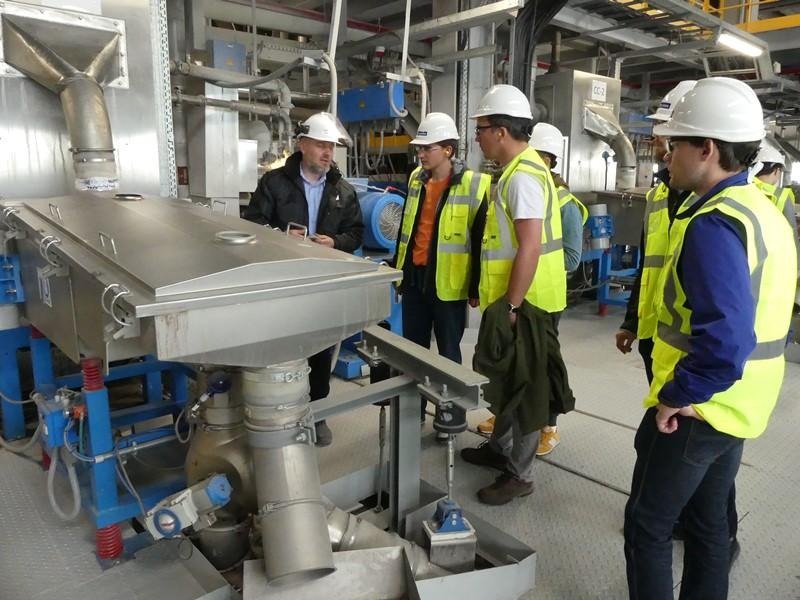
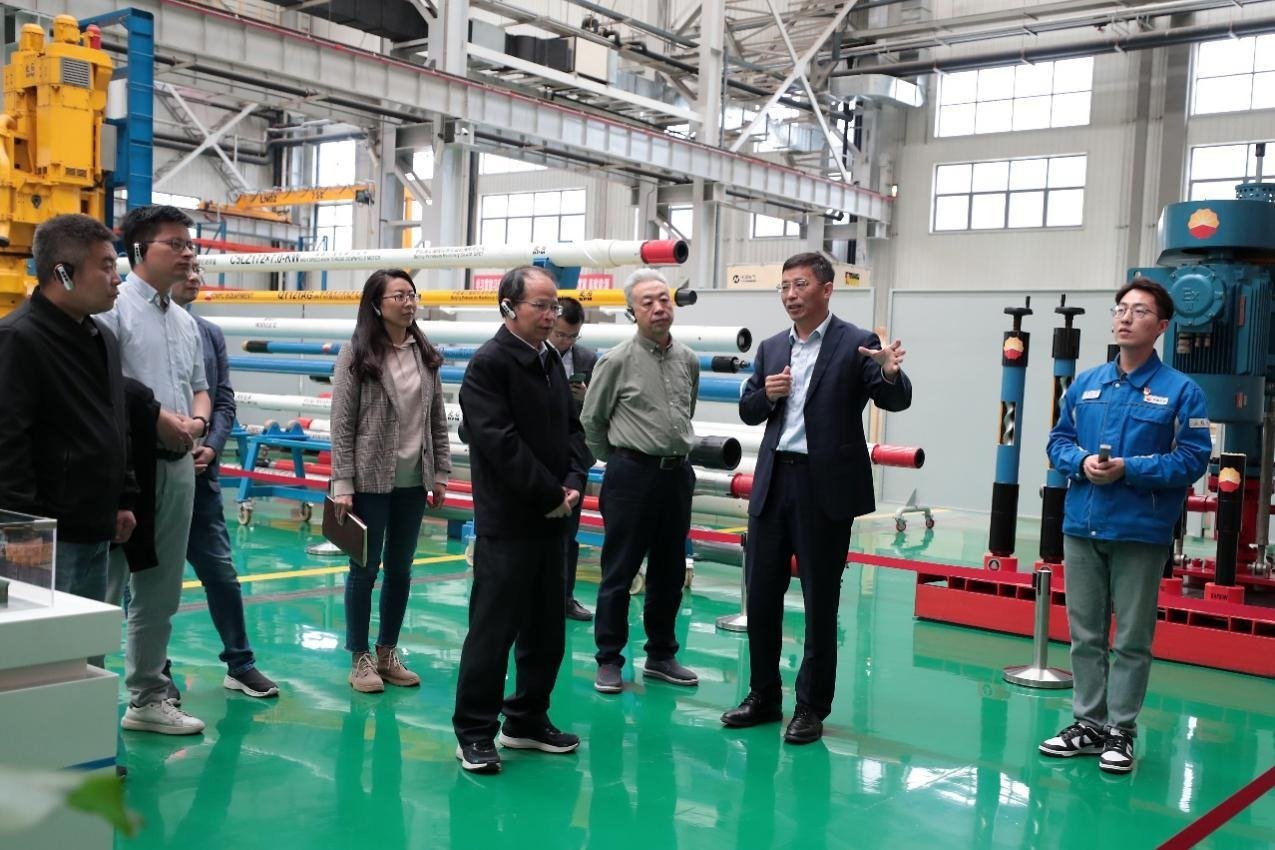
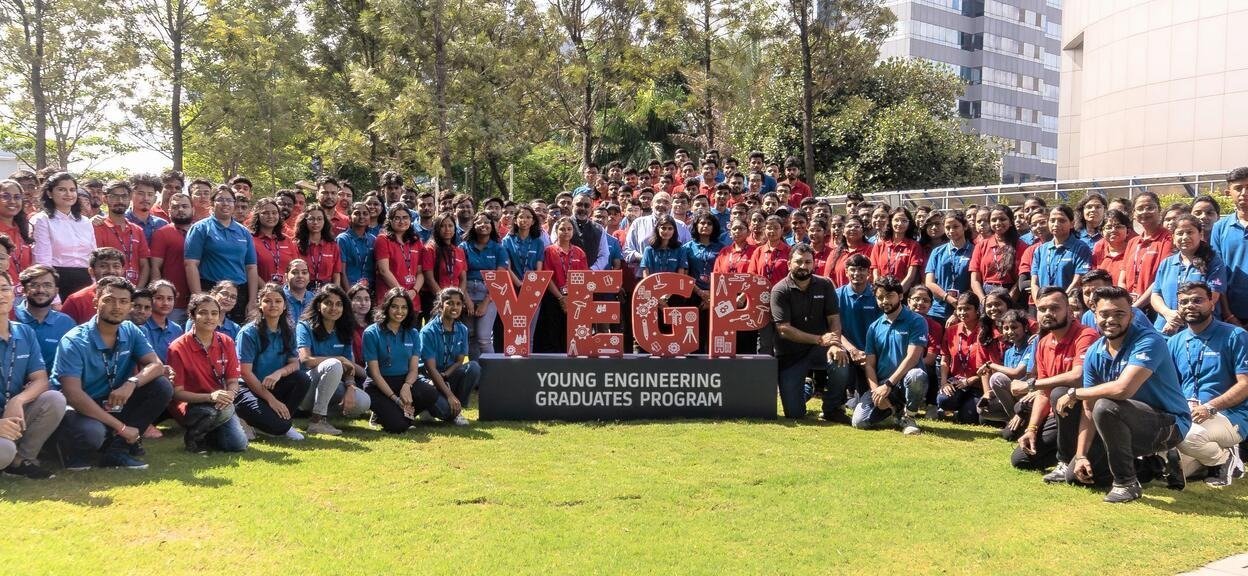
Manufacturers should engage with:
- Engineering colleges
- Universities
- Research institutions
- Technical training centers
Activities can include:
- Internships
- Plant visits
- Industry projects
- Guest lectures
- Innovation challenges
Early exposure helps students understand the opportunities available in modern manufacturing.
What Future Engineers Are Looking For
Today’s young engineers are not only looking for jobs.
They are looking for:
- Meaningful work
- Learning opportunities
- Modern technology exposure
- Career progression
- Innovation-driven environments
Manufacturing already offers many of these opportunities.
The challenge is communicating and delivering them effectively.
The manAIhub Approach
At manAIhub, workforce augmentation is one of the six key pillars of manufacturing transformation.
We believe attracting and retaining engineering talent requires collaboration between:
- Manufacturing leaders
- Industry experts
- Technology providers
- Academia
- Young professionals
By connecting these stakeholders, we can help create an ecosystem where manufacturing becomes an attractive destination for the next generation of engineers.
Because the future of manufacturing will not only depend on machines, AI, and automation.
It will depend on the people who build, operate, improve, and innovate those systems.
Final Thought
Indian manufacturing has a tremendous opportunity.
As factories become smarter, more connected, and more technology-driven, they can offer some of the most exciting engineering careers in the country.
But attracting young talent requires more than investment in technology.
It requires investment in people.
Bottom Line
Young engineers are leaving manufacturing not because the industry lacks opportunity, but because those opportunities are often invisible, under-communicated, or underdeveloped.
Manufacturers that provide learning, growth, technology exposure, and meaningful career paths will be far more successful in attracting and retaining the talent needed to lead the next generation of industrial transformation.