In today’s volatile business environment, supply chains are under constant pressure. Demand fluctuations, supplier disruptions, logistics delays, and rising costs have made traditional planning approaches insufficient.
Supply chains that once relied on static forecasts and manual coordination are now expected to operate with speed, accuracy, and adaptability.
Artificial Intelligence (AI) is enabling this shift by transforming supply chains into intelligent, data-driven systems that can anticipate change and respond proactively.
The Changing Nature of Supply Chains
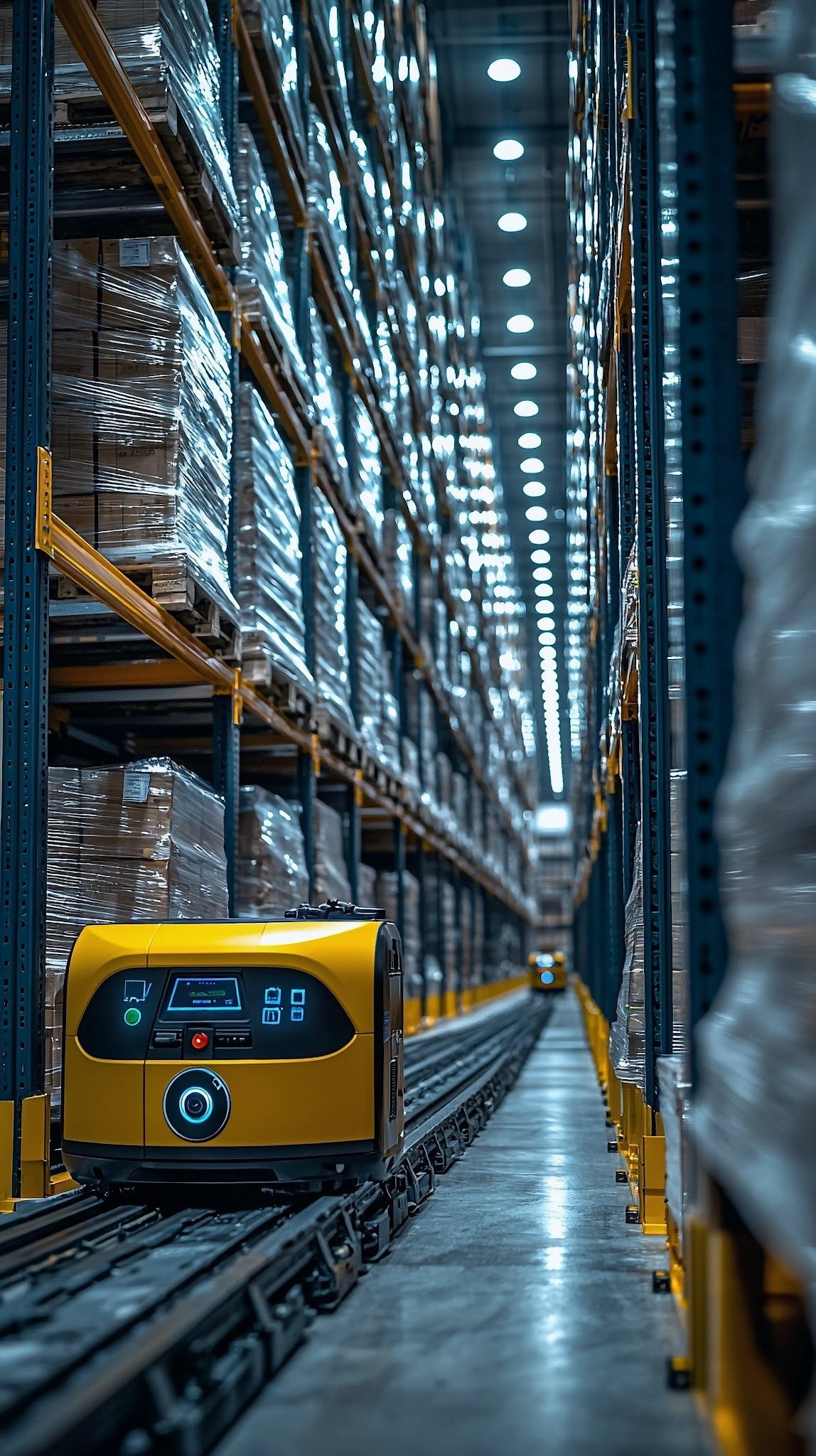

Modern supply chains are becoming increasingly complex due to:
- Unpredictable demand patterns
- Multi-tier supplier dependencies
- Global logistics challenges
- Increasing customer expectations
This complexity often results in limited visibility, delayed decision-making, and operational inefficiencies.
What Defines a Smart and Resilient Supply Chain
A smart supply chain uses data and advanced analytics to improve decision-making.
A resilient supply chain adapts quickly to disruptions and maintains continuity.
AI enables both by shifting operations from reactive to predictive and from fragmented to connected systems.
How AI is Transforming Supply Chains
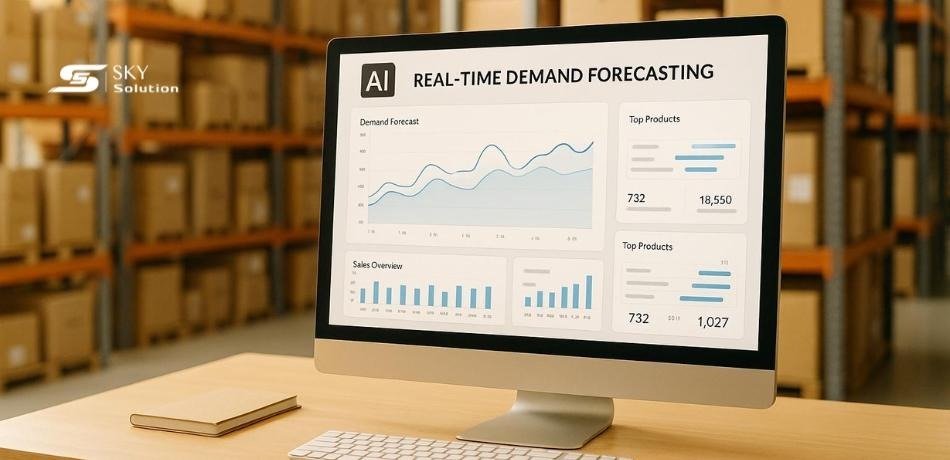
Demand Forecasting
AI models analyze historical data, seasonal trends, and external variables to generate more accurate forecasts.
This leads to reduced uncertainty and improved planning accuracy.
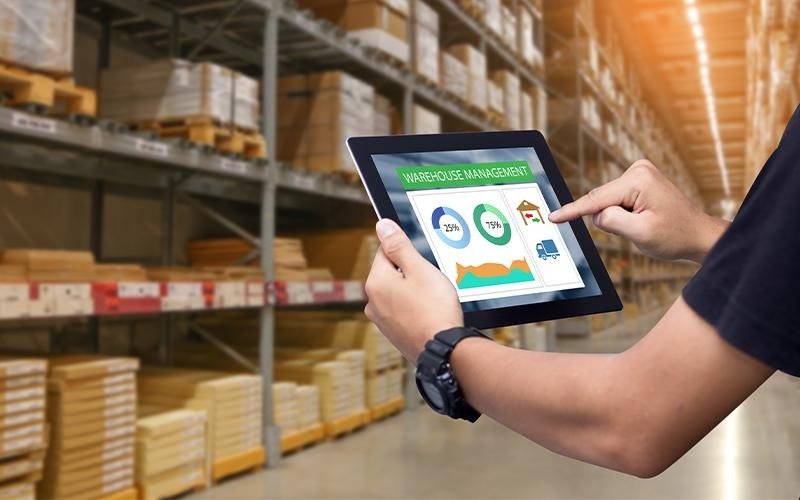
Inventory Optimization
AI helps balance inventory levels by minimizing both overstocking and stockouts.
This improves working capital efficiency and ensures product availability.
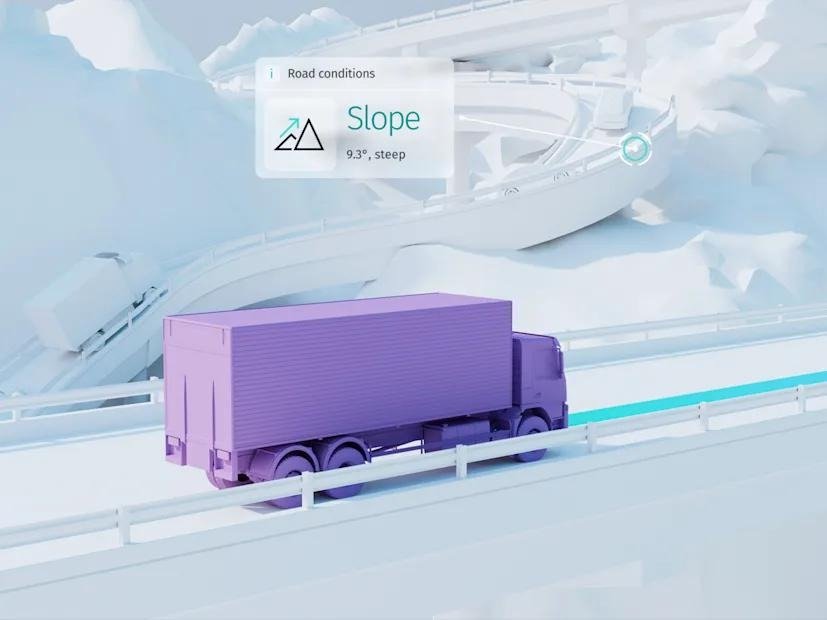
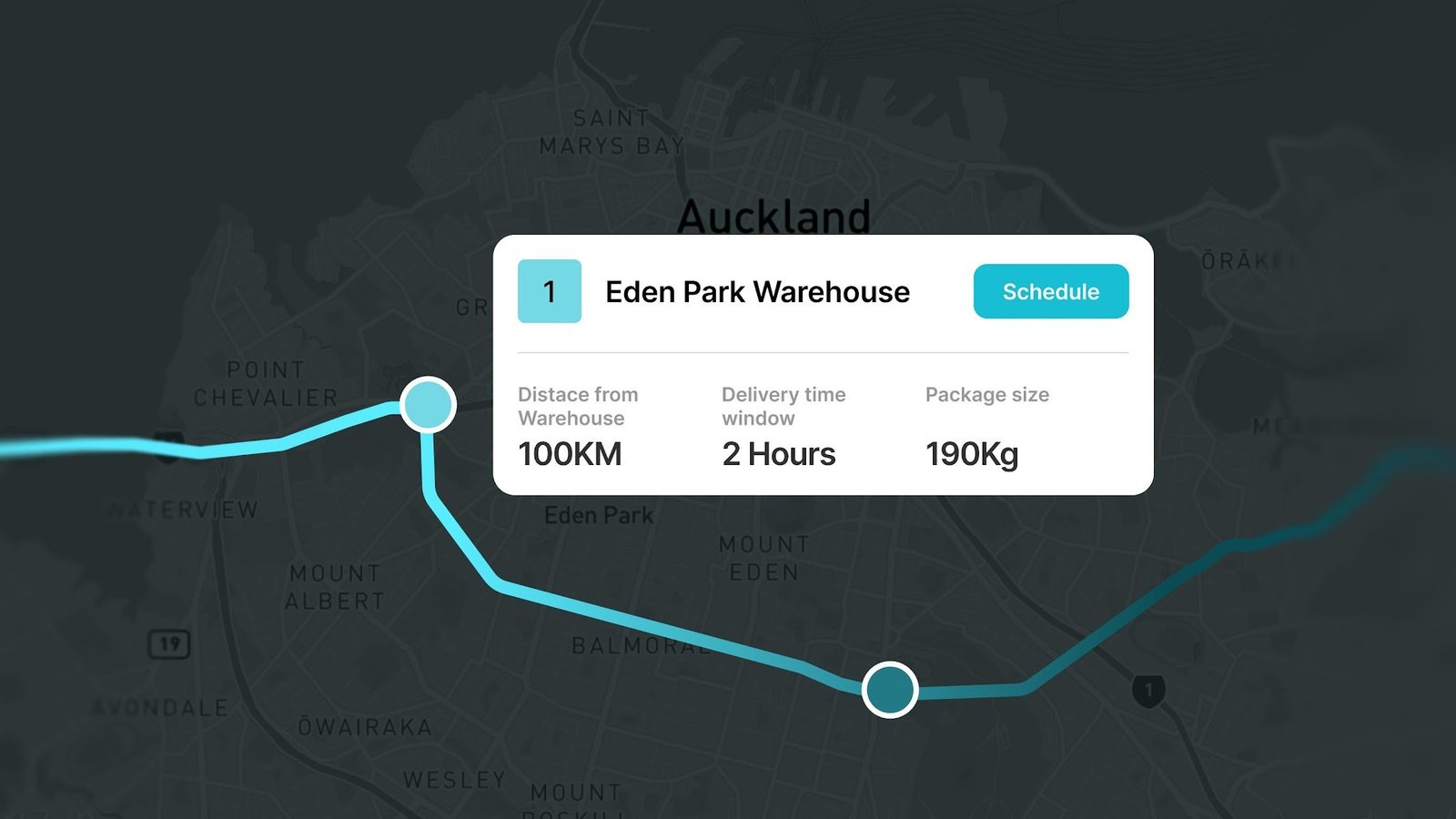
Logistics and Route Optimization
AI optimizes transportation routes, delivery schedules, and fleet utilization.
This reduces fuel costs, improves delivery timelines, and enhances operational efficiency.
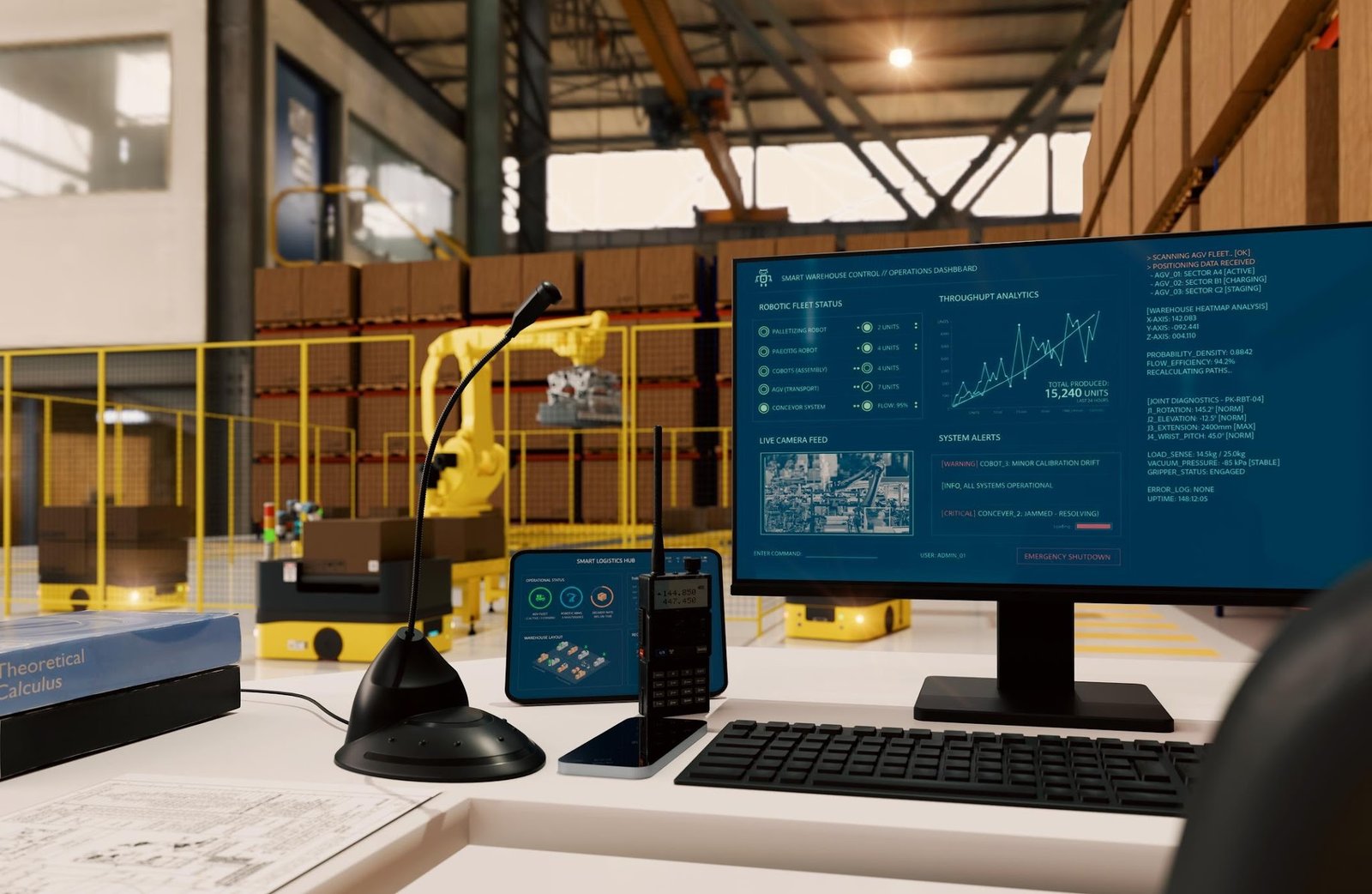
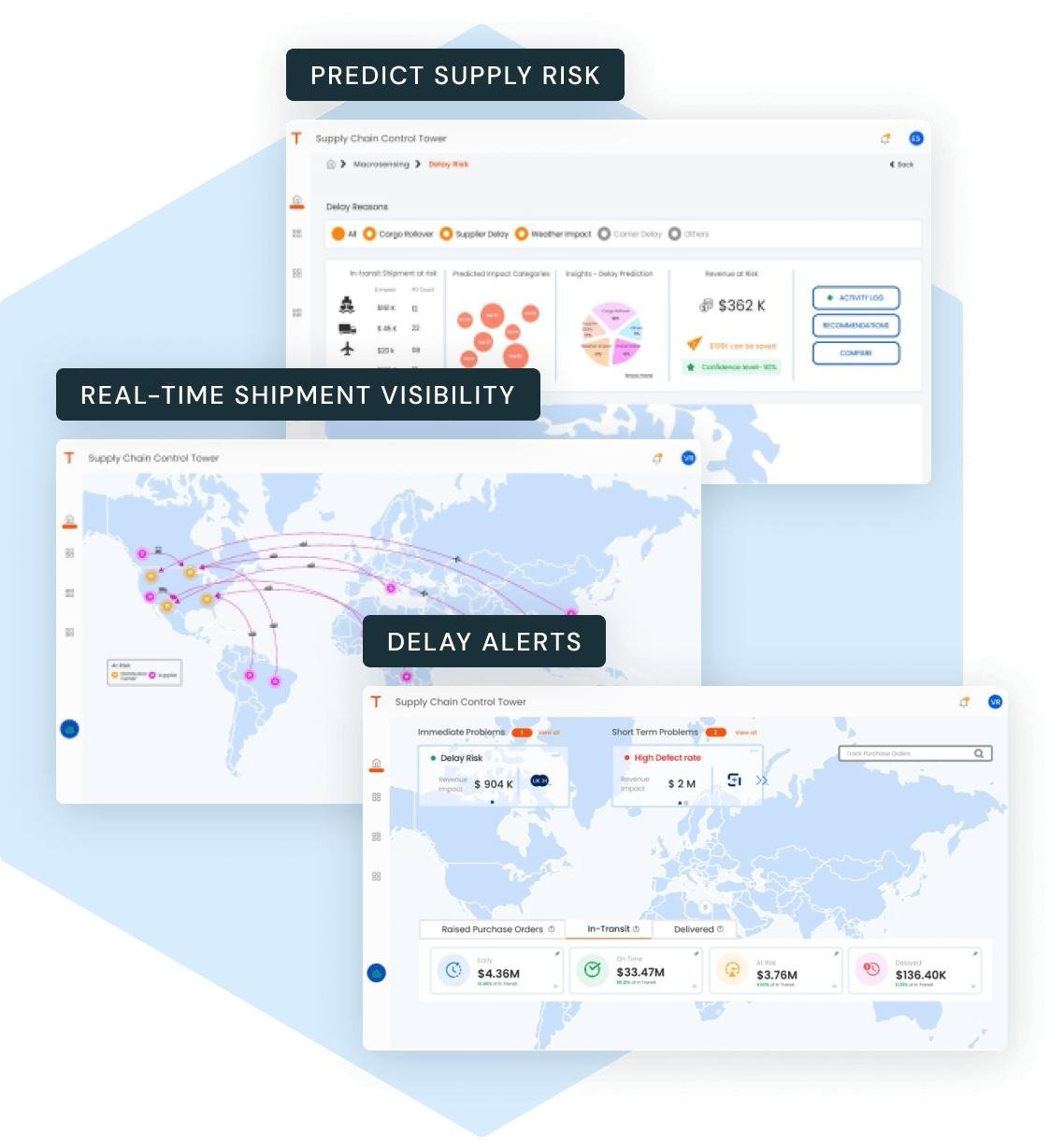
Real-Time Visibility
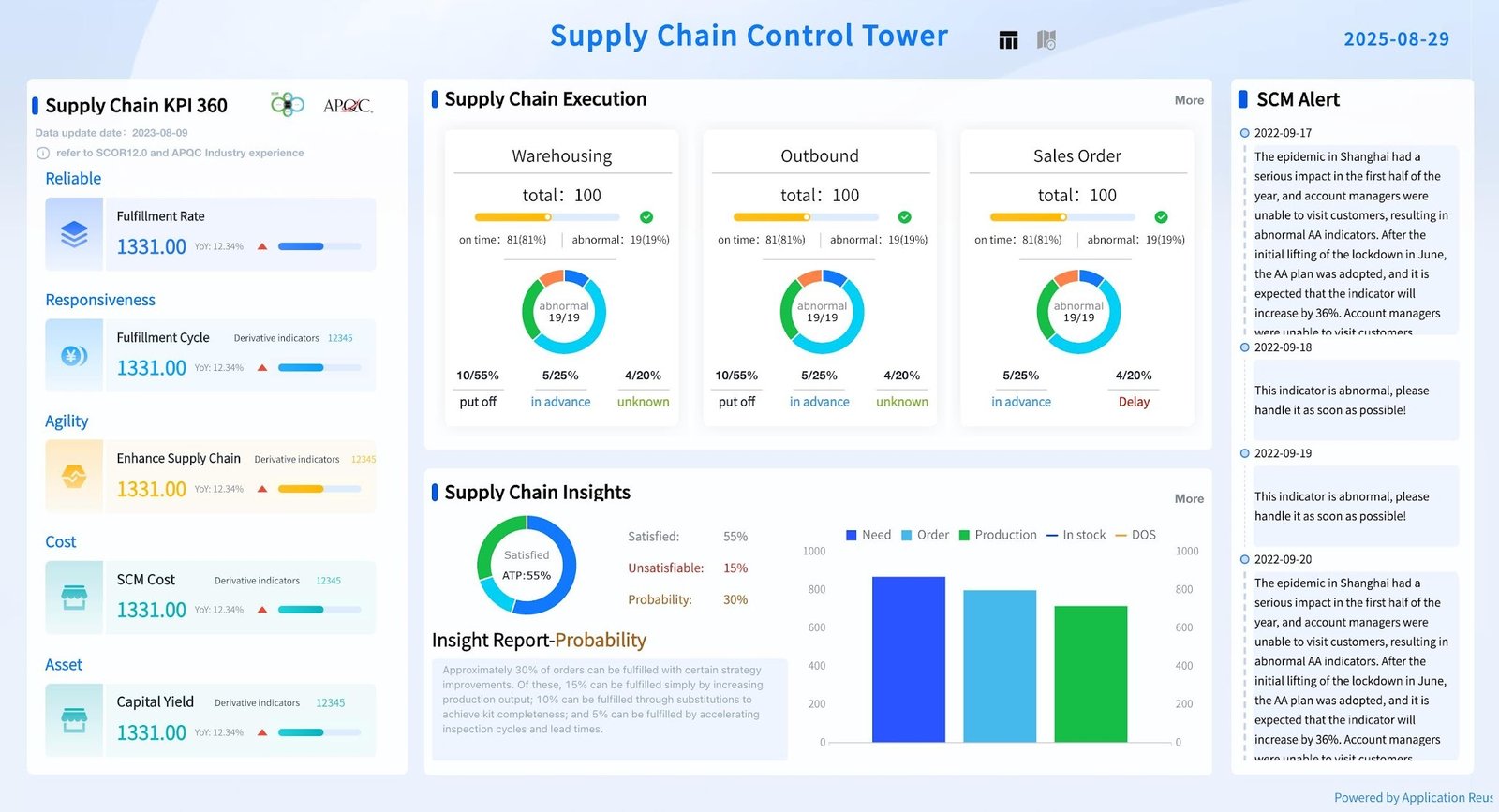
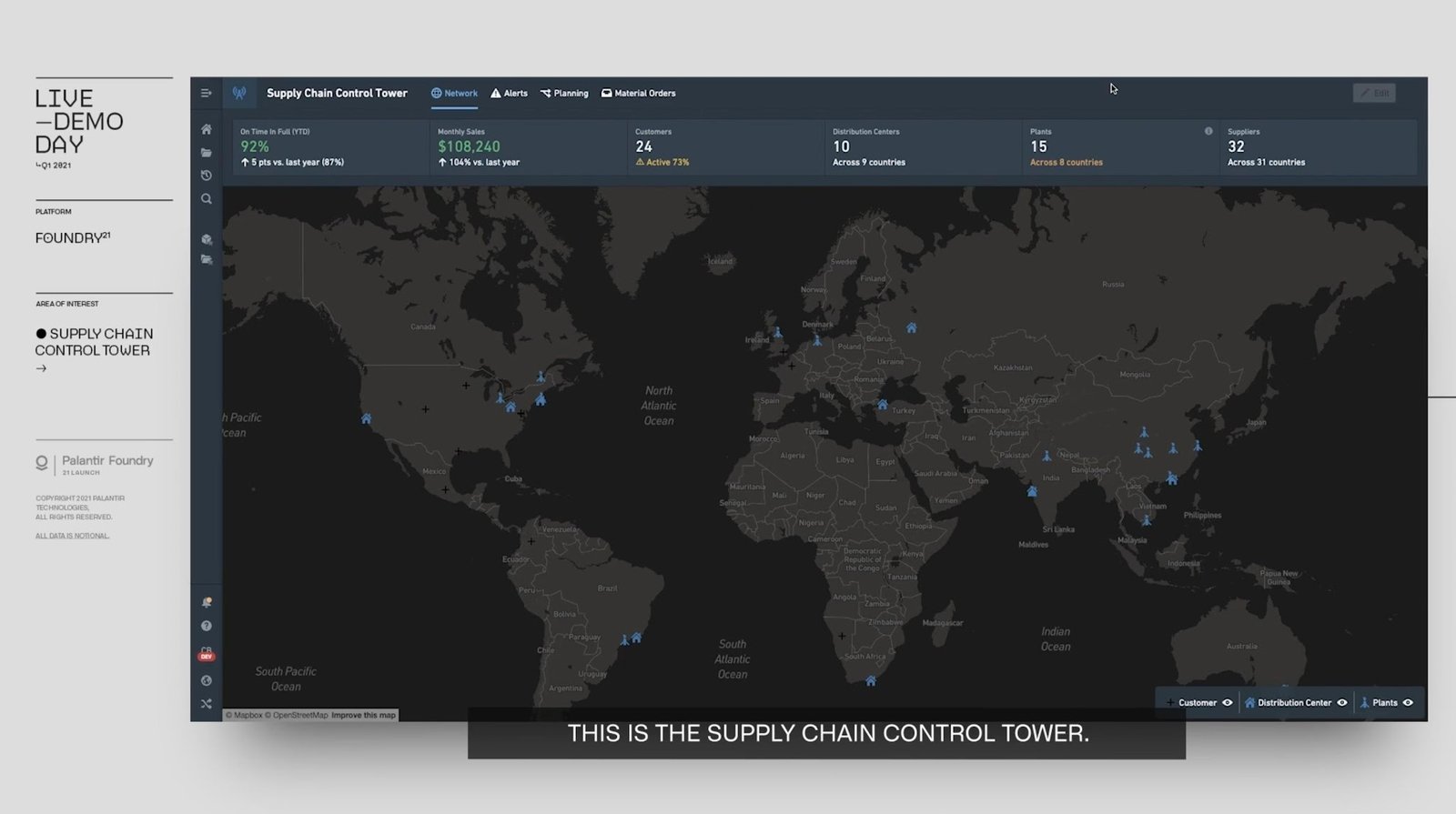
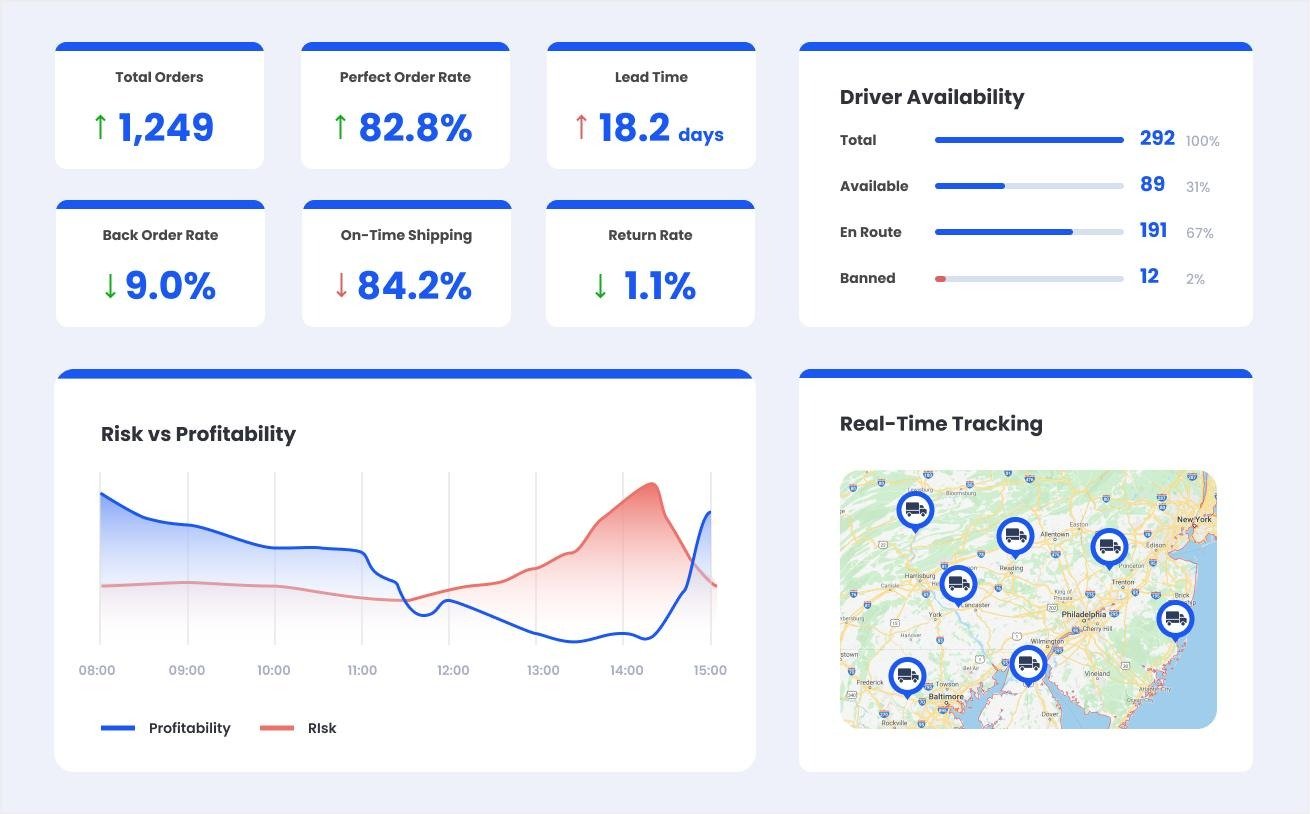
AI-powered control towers provide end-to-end visibility across the supply chain.
Organizations can monitor operations in real time and respond quickly to disruptions.
Risk Prediction and Disruption Management
AI identifies patterns that signal potential risks such as supplier delays or demand spikes.
This allows organizations to act proactively rather than reactively.
Business Impact of AI in Supply Chains
Organizations implementing AI in supply chain operations are seeing measurable improvements:
- Improved forecast accuracy
- Reduced inventory costs
- Faster response to disruptions
- Enhanced customer satisfaction
Supply chains are no longer just operational functions; they are becoming strategic differentiators.
Relevance for Indian Manufacturing
Supply chains in India are often fragmented and involve multiple stakeholders across regions.
AI can help address these challenges by:
- Improving coordination between suppliers and manufacturers
- Increasing transparency across the value chain
- Reducing inefficiencies in planning and execution
This is particularly important for MSMEs and export-oriented industries that operate with tighter margins.
Challenges in Adoption
Despite the benefits, organizations face several challenges:
- Data is often siloed across systems
- Limited integration between supply chain partners
- Lack of internal AI expertise
- Resistance to change within teams
Successful implementation requires not only technology but also alignment between business and operational teams.
The Role of Ecosystems
AI adoption in supply chains requires collaboration across multiple stakeholders, including manufacturers, technology providers, and domain experts.
Platforms like manAIhub play a critical role by:
- Connecting organizations with the right expertise
- Identifying practical use cases
- Accelerating implementation through structured collaboration
Final Thought
Supply chains are evolving from efficiency-focused systems to intelligence-driven networks.
AI enables organizations to anticipate disruptions, optimize operations, and respond in real time.