A manAIhub Perspective
Artificial Intelligence (AI) is no longer limited to large enterprises and global manufacturers. In 2026, Indian MSMEs are increasingly adopting AI-driven solutions to improve efficiency, reduce costs, and stay competitive in rapidly evolving markets.
One of the biggest questions manufacturers ask before starting their AI journey is:
“What kind of ROI can we realistically expect?”
The answer depends on the use case, operational maturity, and implementation approach. However, industry data from 2025–2026 shows that manufacturers are already seeing measurable and often significant returns from AI adoption.
What is ROI in Manufacturing AI?
In manufacturing, ROI (Return on Investment) is typically measured through improvements such as:
- Reduced downtime
- Lower maintenance costs
- Improved quality
- Higher productivity
- Energy savings
- Reduced waste and scrap
- Better inventory optimization
Unlike many digital initiatives, manufacturing AI often produces measurable operational outcomes directly linked to financial performance.
Average AI ROI Benchmarks in Manufacturing (2026)
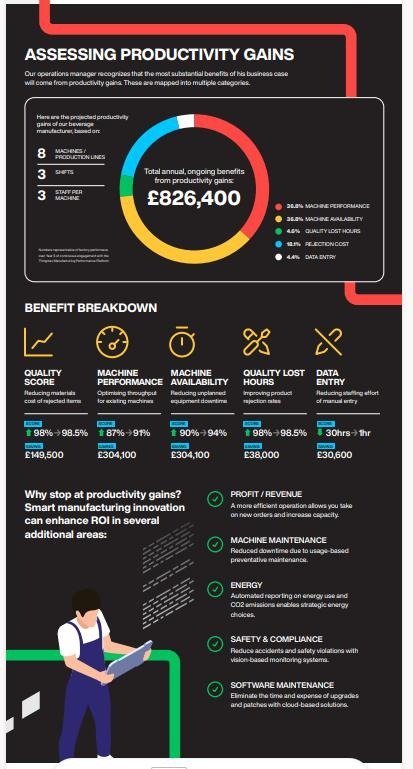
Industry studies and implementation reports suggest the following average returns:
| AI Use Case | Typical ROI Range | Typical Payback Period |
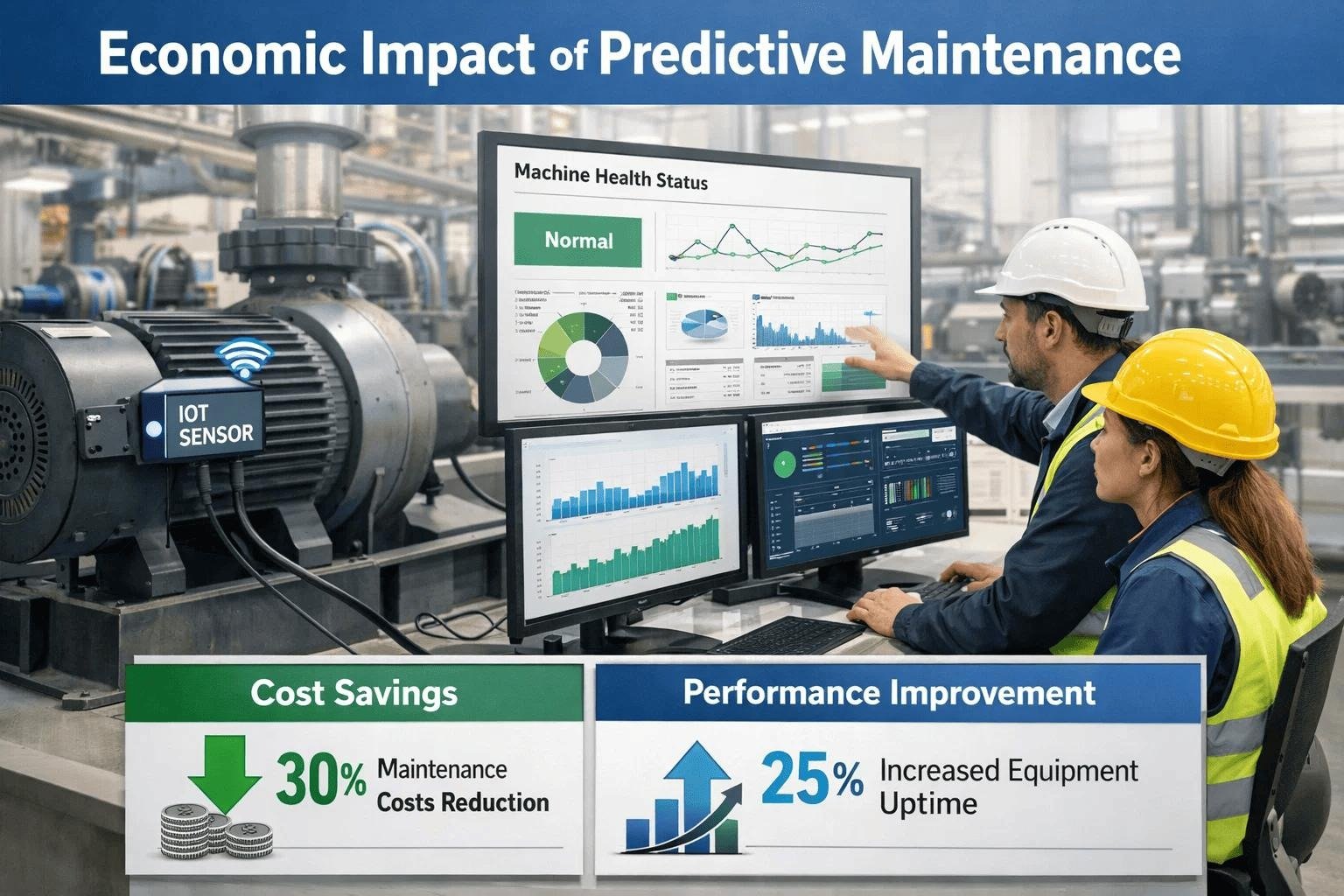
| Predictive Maintenance | 3x–10x ROI | 6–18 months |
| Quality Inspection (Computer Vision) | 2x–5x ROI | 6–12 months |
| Energy Optimization | 2x–4x ROI | 6–15 months |
| Production Scheduling Optimization | 2x–6x ROI | 9–18 months |
| Supply Chain & Inventory Optimization | 2x–5x ROI | 9–18 months |
Several industry reports in 2026 indicate that manufacturing AI projects are delivering average ROI levels between 170% and 200%, with predictive maintenance often generating the highest returns.
Why MSMEs Are Seeing Faster ROI
For MSMEs, AI adoption often produces faster operational impact because even small inefficiencies have a large effect on profitability.
1. Downtime Reduction Has Immediate Financial Impact
Many MSMEs still rely heavily on reactive maintenance.
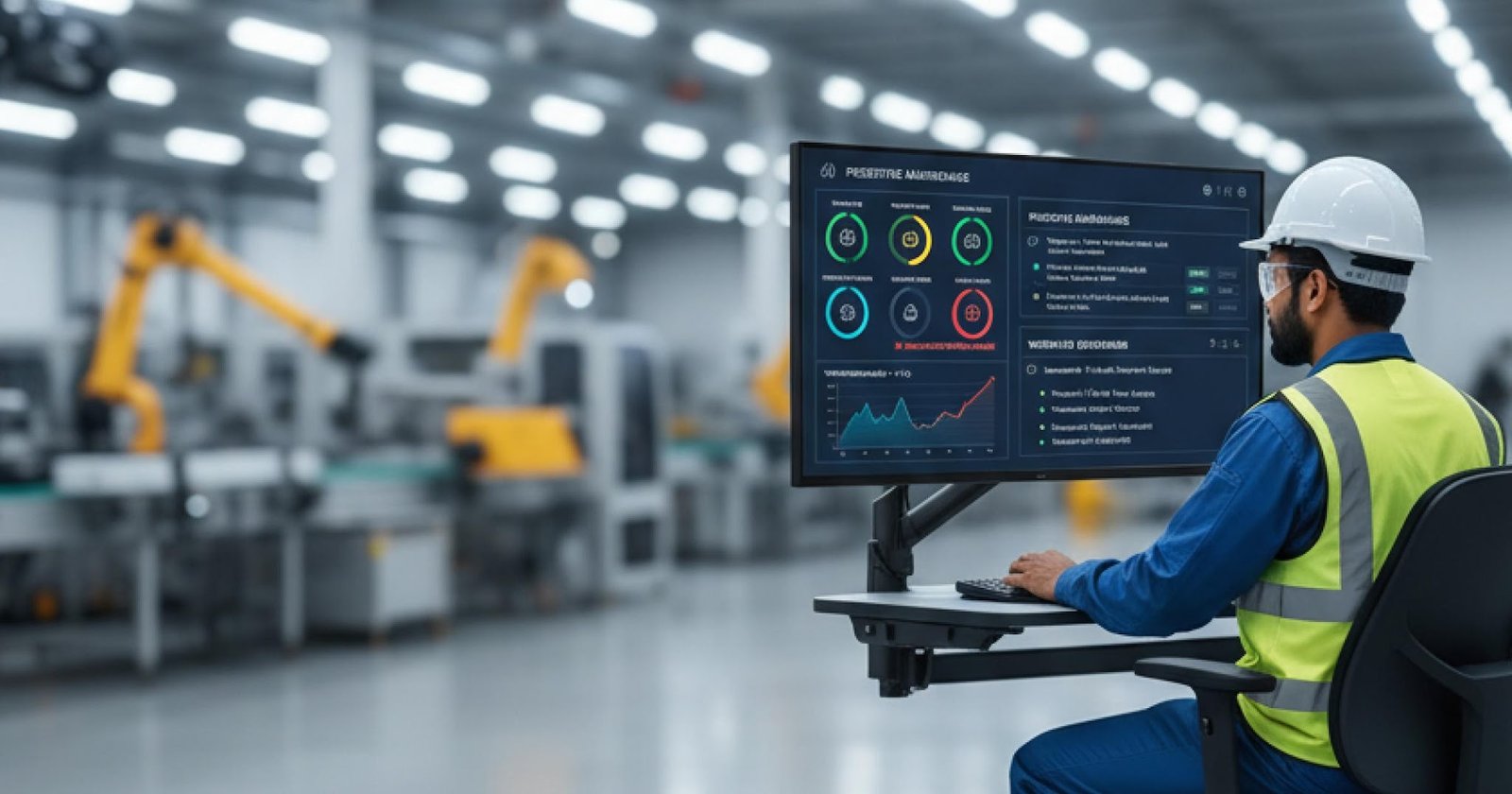
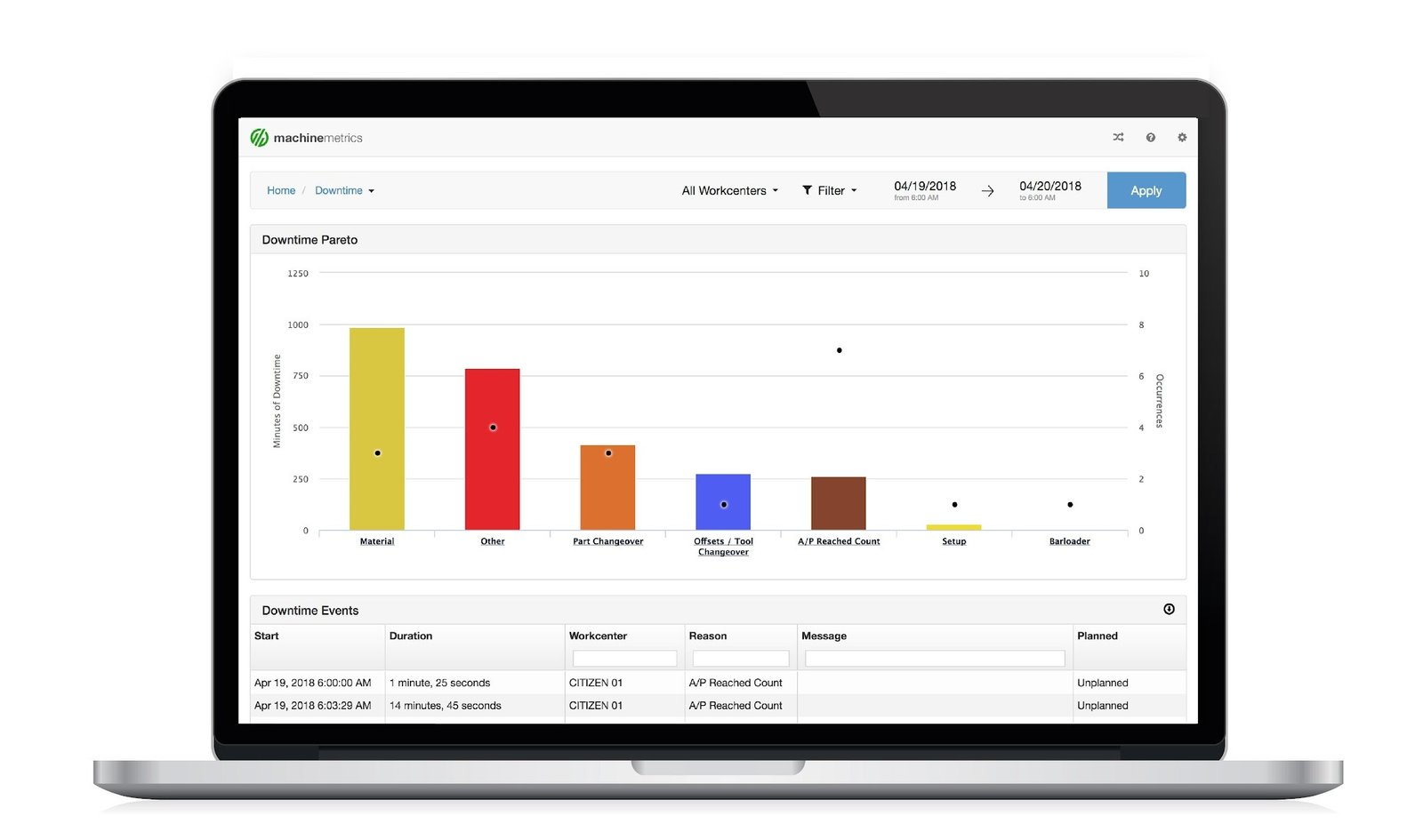
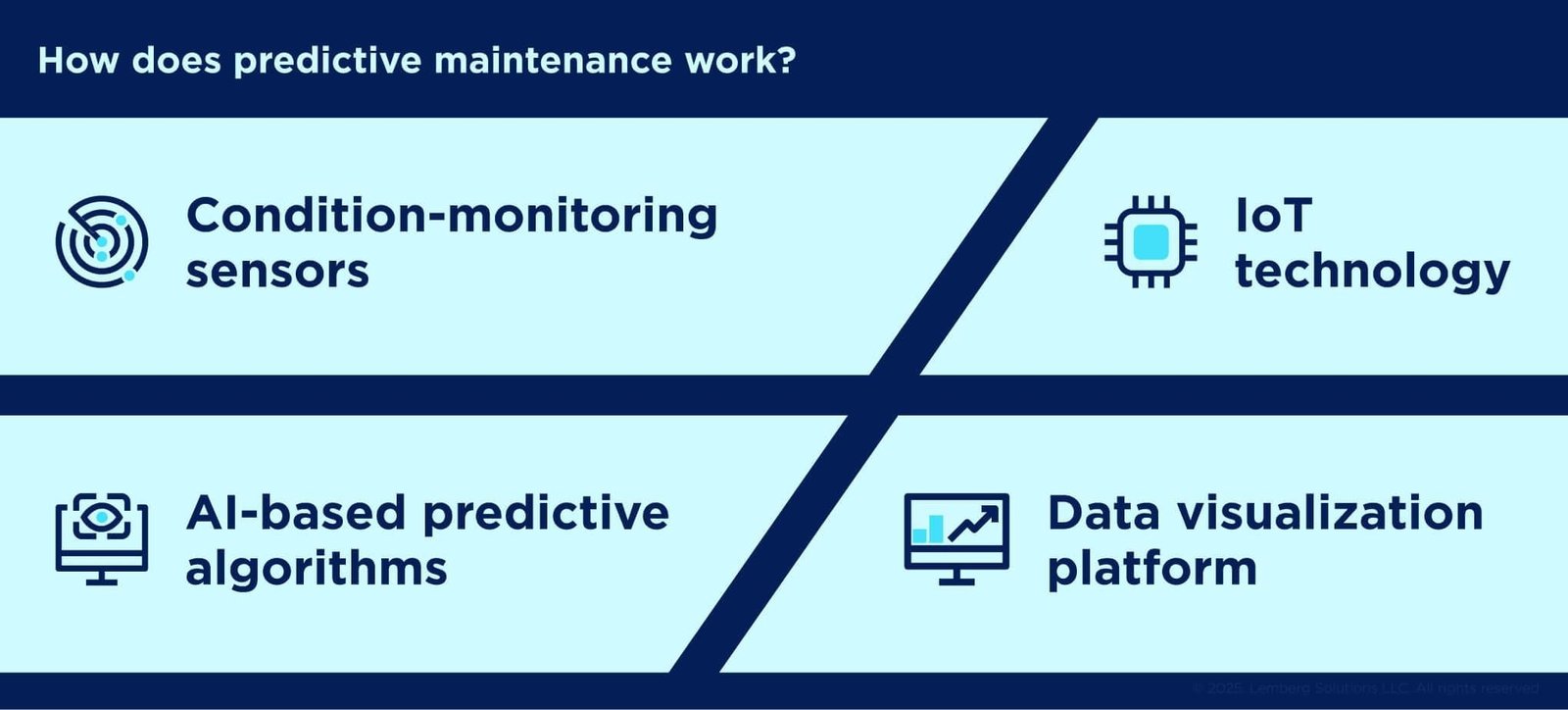
AI-powered predictive maintenance helps detect machine issues before failure occurs, reducing:
- Production stoppages
- Emergency repair costs
- Delivery delays
Recent implementations show MSMEs reducing unplanned downtime by 30–40% using affordable AI-based monitoring systems.
For smaller manufacturers, preventing even one major machine failure can recover the entire investment.
2. Quality Improvements Reduce Waste and Rework

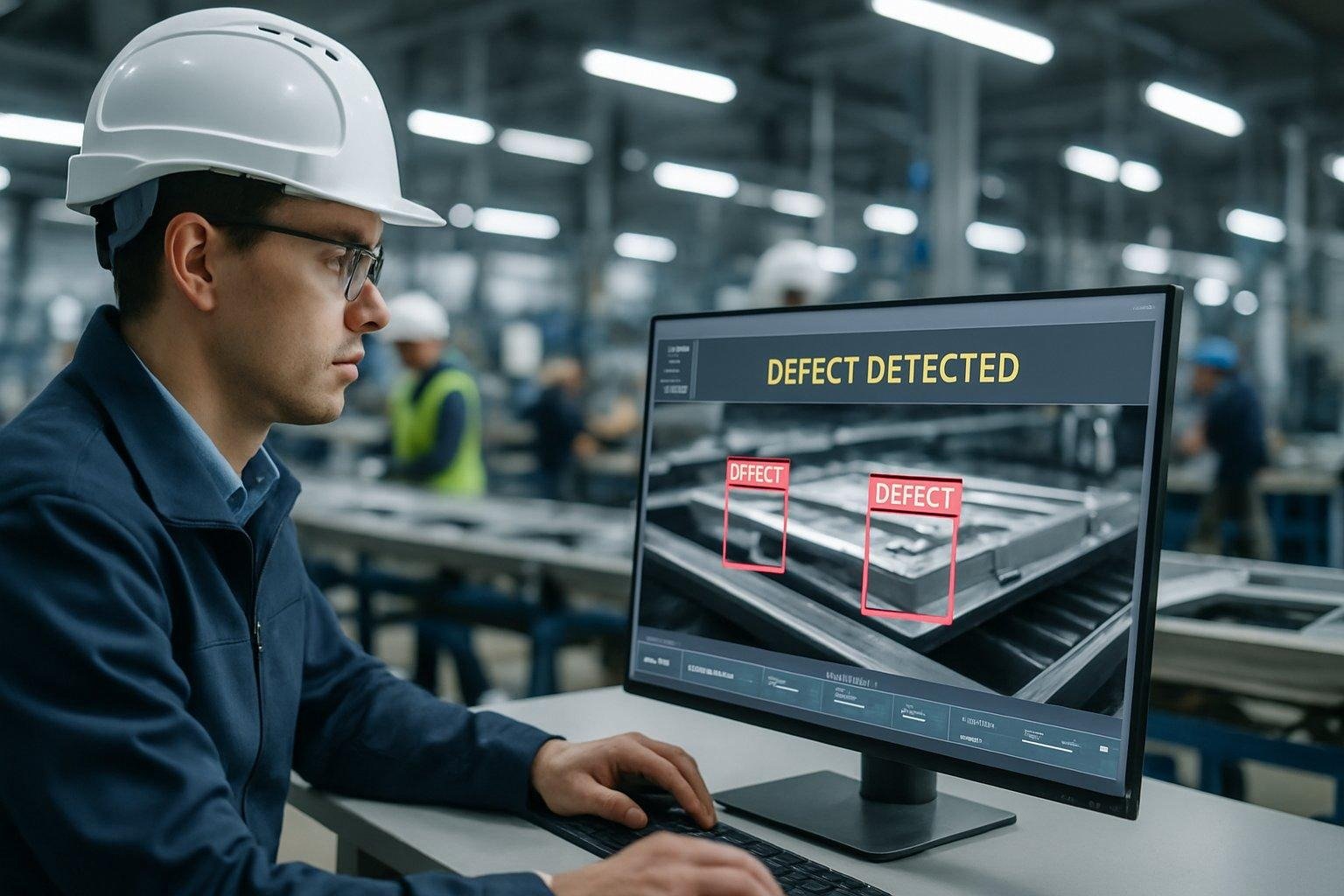
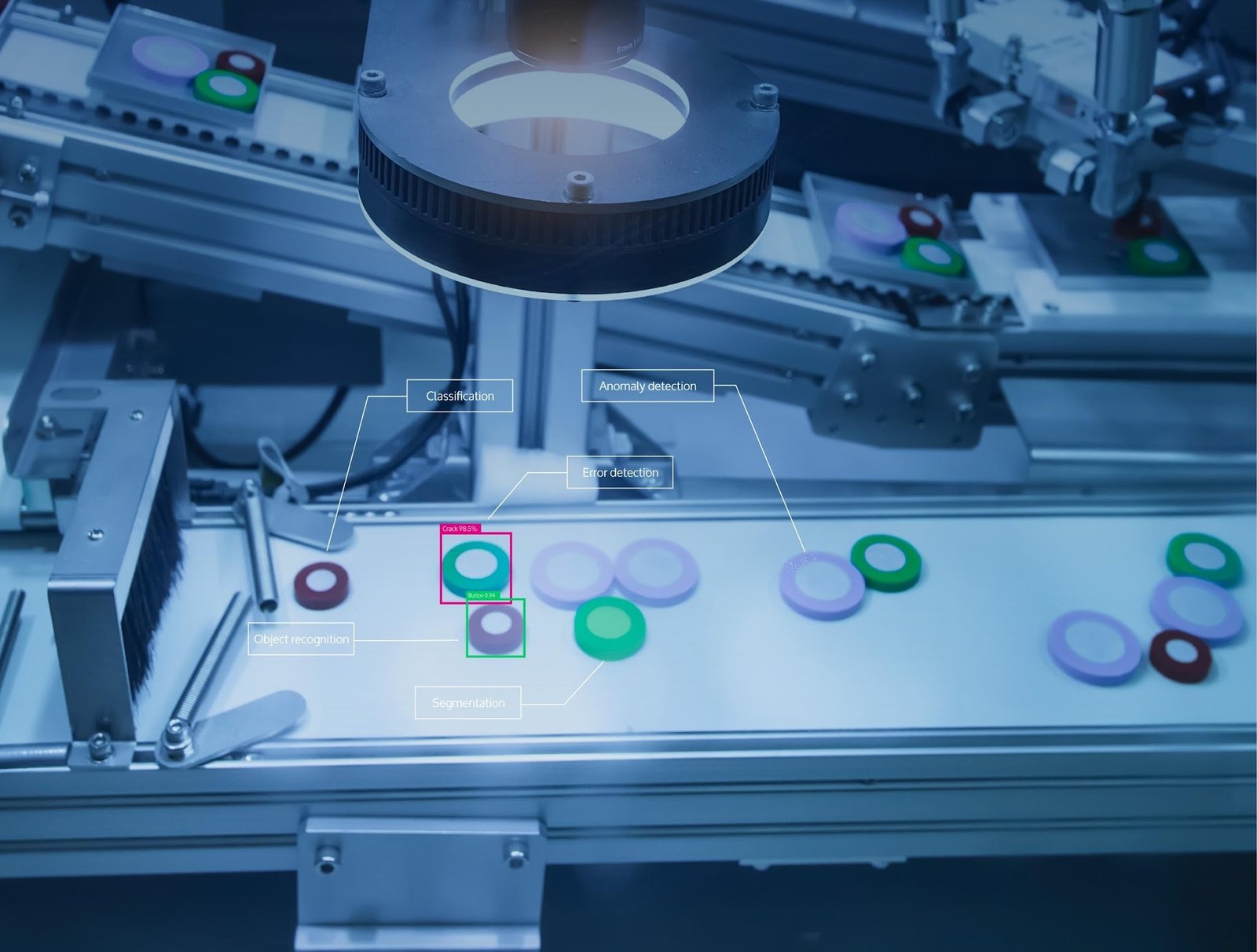

AI-powered visual inspection systems help manufacturers detect:
- Surface defects
- Dimensional variations
- Process inconsistencies
This improves:
- First-pass yield
- Product consistency
- Customer satisfaction
Reduced scrap and rework directly improve margins, especially in industries with tight profitability.
3. AI Improves Resource and Energy Efficiency
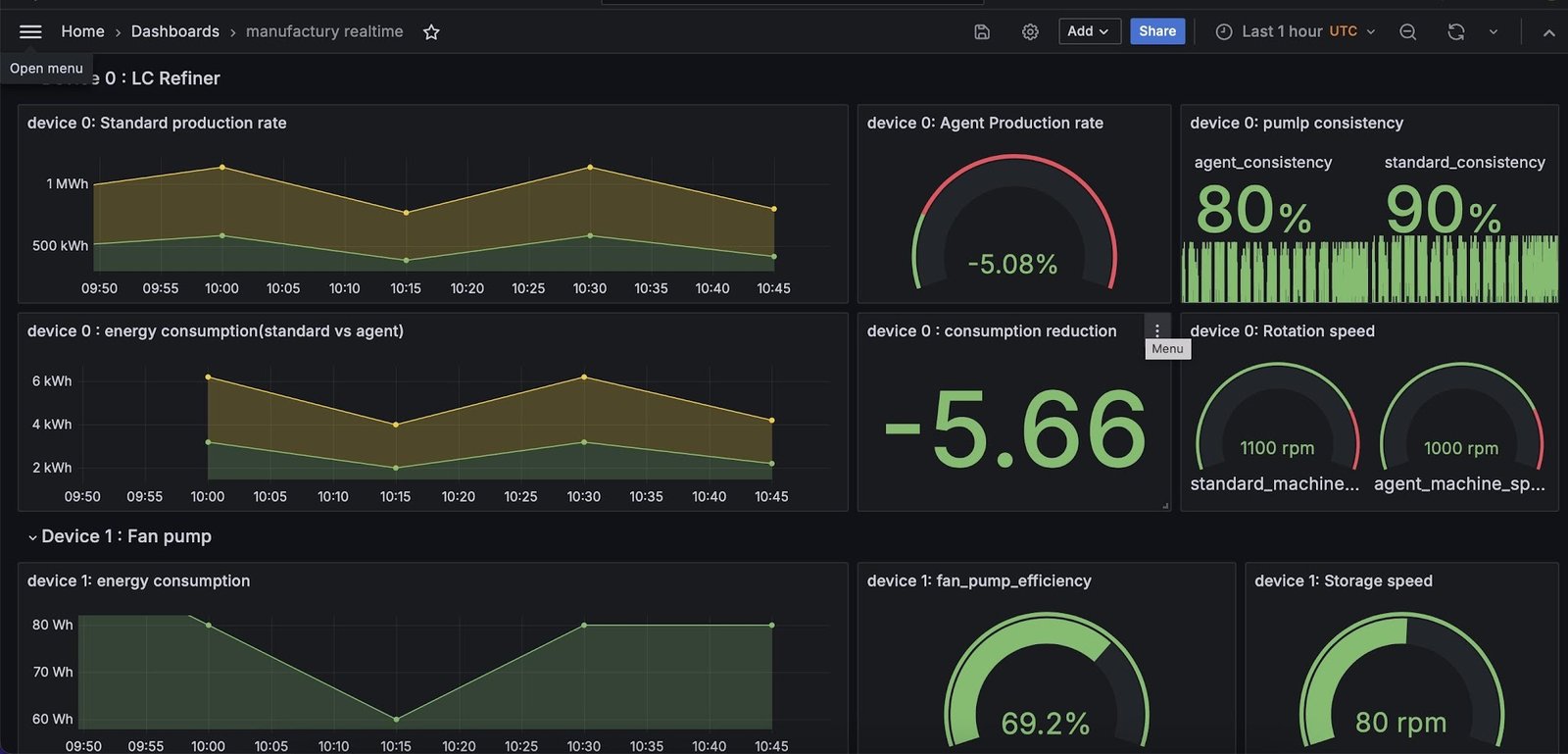
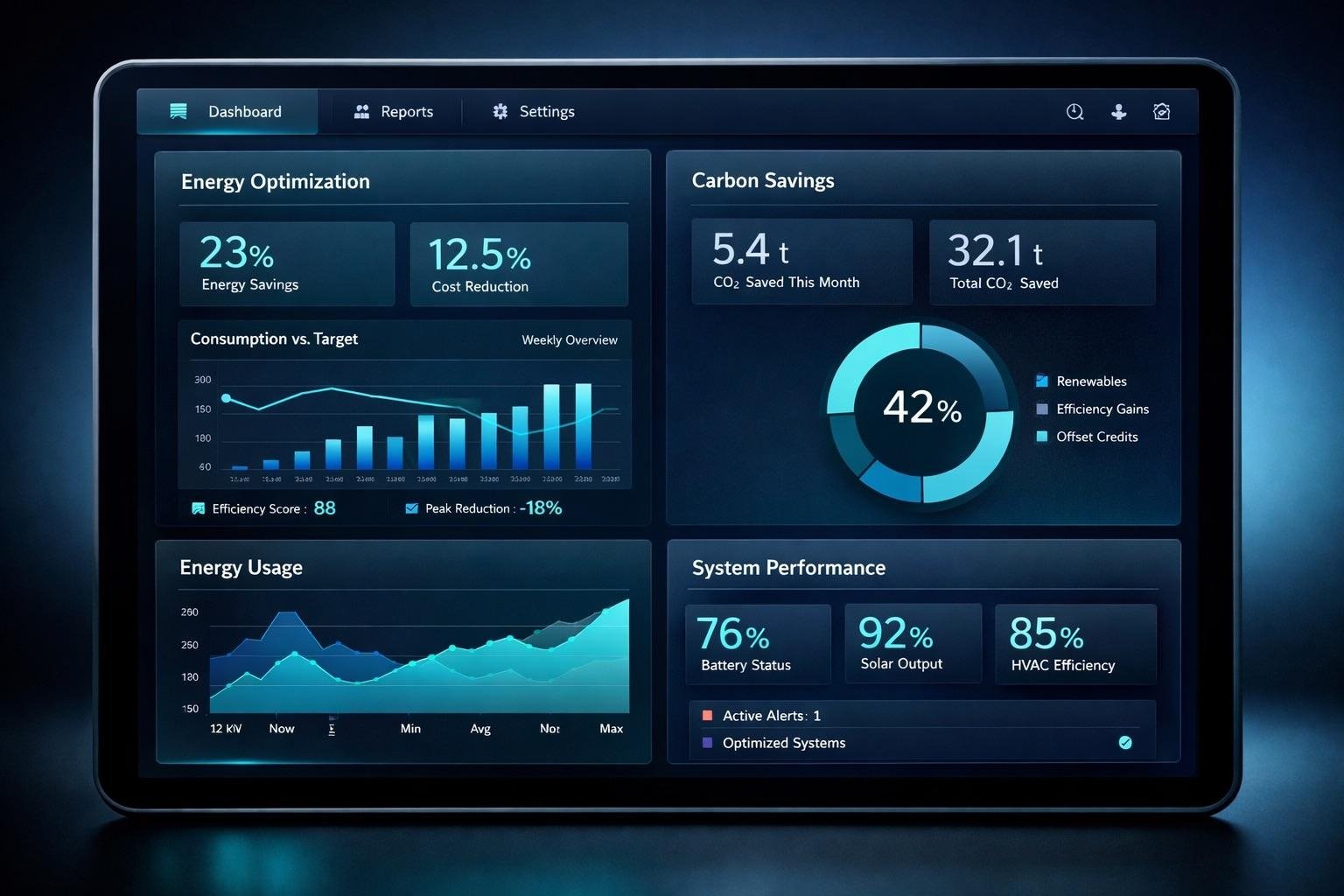
Energy costs continue to rise across manufacturing sectors.
AI systems help optimize:
- Machine utilization
- Power consumption
- HVAC systems
- Production scheduling
For MSMEs, even a 10–15% reduction in energy usage can significantly improve operational profitability.
4. Affordable AI Solutions Are Reducing Entry Barriers
One major shift in 2026 is the rise of:
- Cloud-based AI platforms
- Edge AI devices
- Low-cost sensor systems
- AI-as-a-service models
This makes AI accessible even for small and medium manufacturers without large IT budgets.
Industry examples now show MSMEs achieving payback periods as short as 3–6 months for focused AI implementations.
What Determines ROI Success?
Not every AI project delivers strong results. Successful ROI depends on several factors.
Data Availability
AI systems require operational data from:
- Machines
- Sensors
- Production systems
- Quality processes
The better the data foundation, the better the outcomes.
Starting with High-Impact Use Cases
Manufacturers that begin with focused problems such as:
- Downtime reduction
- Quality inspection
- Energy optimization
typically achieve faster ROI than organizations trying to transform everything at once.
Workforce Adoption
AI implementation succeeds when operational teams trust and use the insights generated by the system.
Training and change management remain critical.
Integration with Existing Operations
AI solutions must integrate effectively with existing manufacturing systems and workflows to deliver measurable value.
Challenges MSMEs Still Face
Despite growing ROI success stories, many MSMEs continue to face barriers such as:
- Limited awareness of AI use cases
- Data readiness challenges
- Legacy equipment limitations
- Skill gaps in AI and analytics
- Fear of high implementation costs
This is where ecosystem-driven support becomes important.
The manAIhub Approach
At manAIhub, the focus is on helping manufacturers move from AI curiosity to measurable business outcomes.
The platform connects:
- Plant leaders and CXOs
- Engineers and quality heads
- AI experts and data professionals
- Solution providers
- Academia and industry associations
manAIhub helps manufacturers:
- Identify high-ROI AI opportunities
- Learn from practical implementations
- Connect with the right technology ecosystem
- Scale successful use cases across operations
Final Thought
In 2026, AI adoption in manufacturing is no longer about experimentation alone – it is increasingly about measurable business value.
For MSMEs, AI is becoming a practical tool for:
- Improving productivity
- Reducing operational inefficiencies
- Increasing profitability
- Competing more effectively in global markets