A manAIhub Perspective
In many manufacturing plants, quality inspection teams are under increasing pressure to inspect more products, reduce defects, and maintain consistent quality standards while controlling operational costs.
This has led many manufacturers to ask an important question:
Is investing in AI-based quality inspection software cheaper than hiring more inspectors?
In most medium- to high-volume manufacturing environments, the answer is increasingly yes – over the long term.
However, the real answer depends on:
- Production scale
- Inspection complexity
- Defect criticality
- Labor costs
- Existing digital infrastructure
At manAIhub, we see AI quality inspection not as a complete replacement for people, but as a way to improve scalability, consistency, and operational efficiency.
Why Manual Inspection Becomes Expensive at Scale
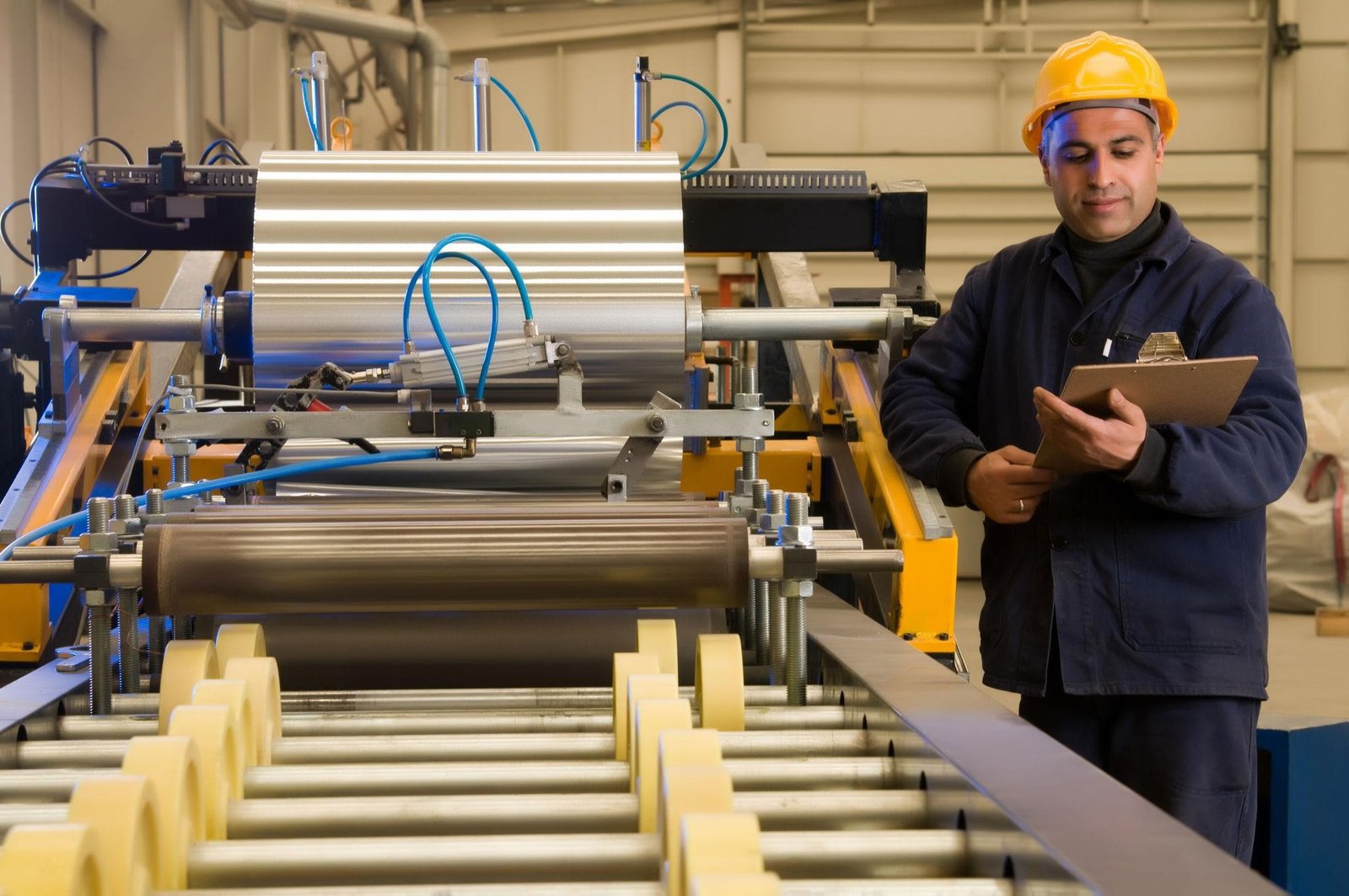
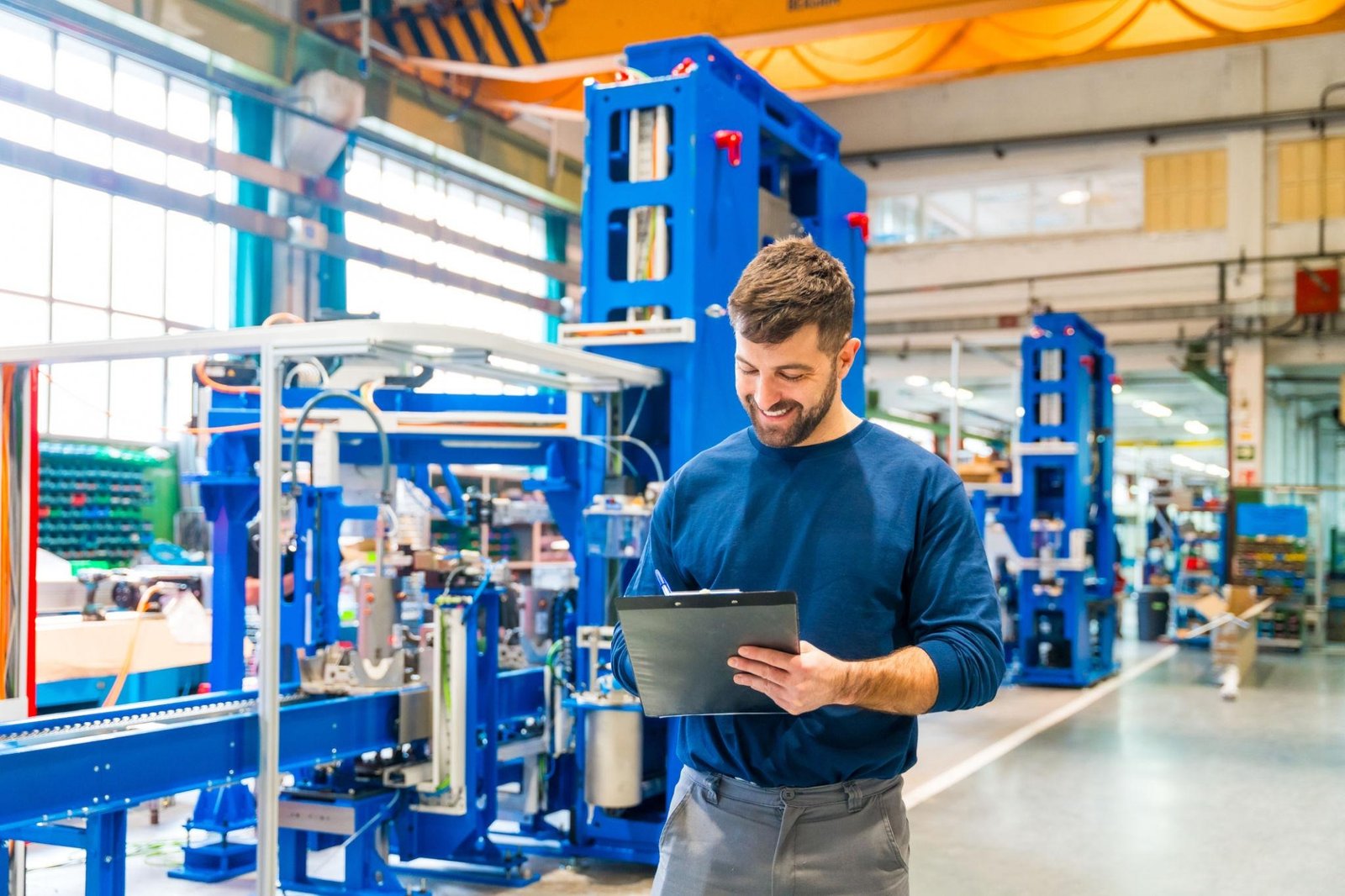
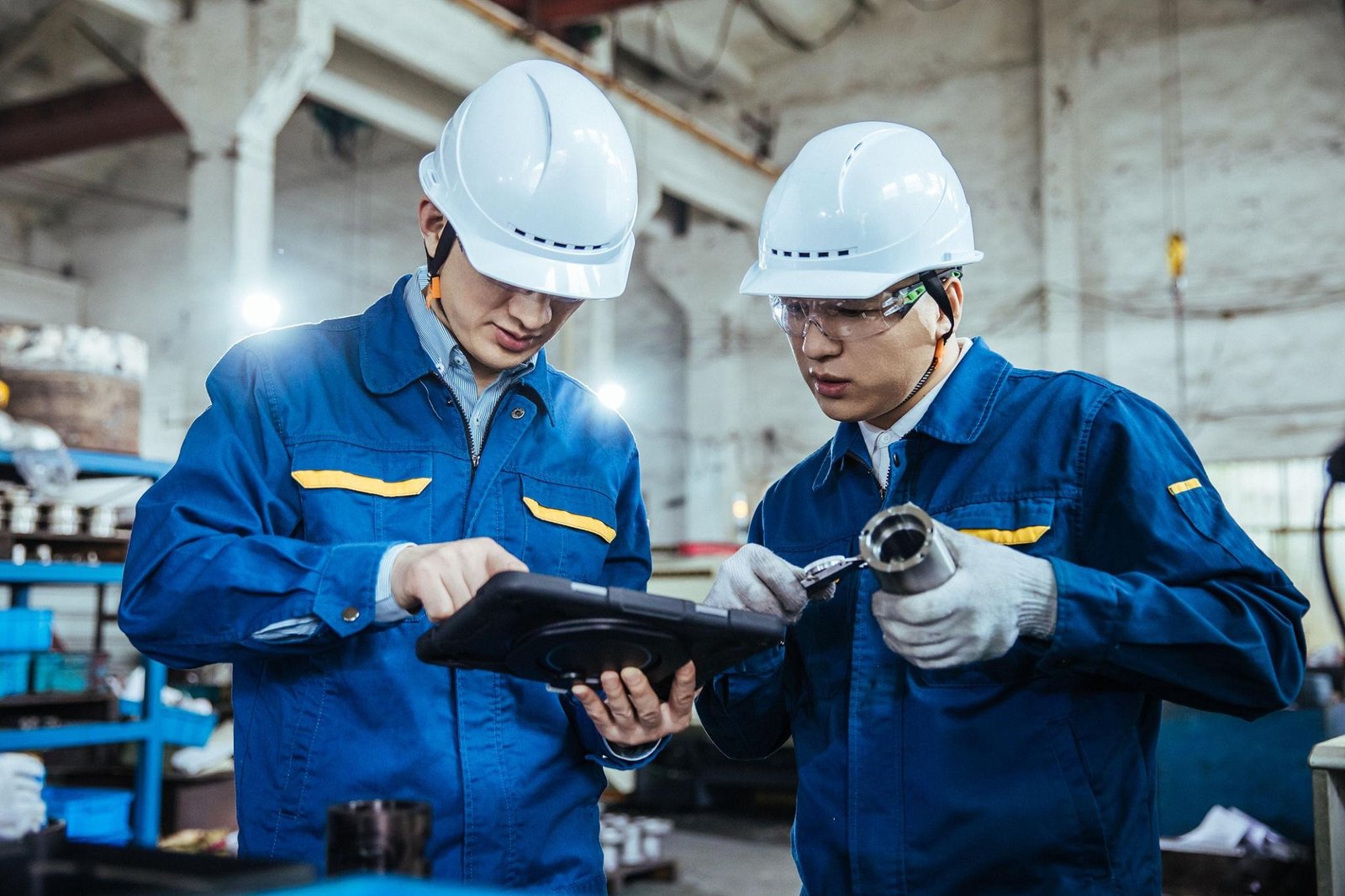
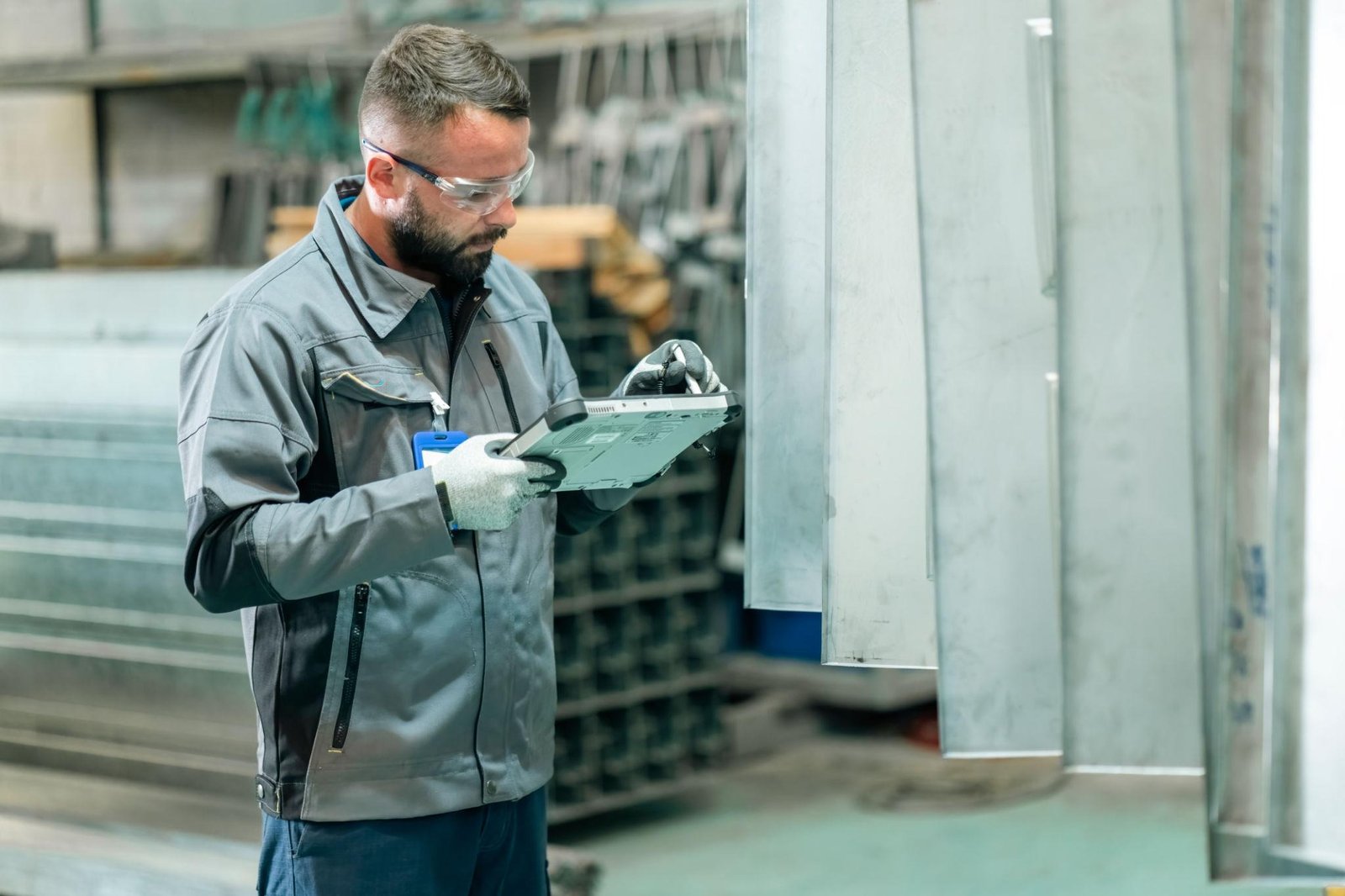

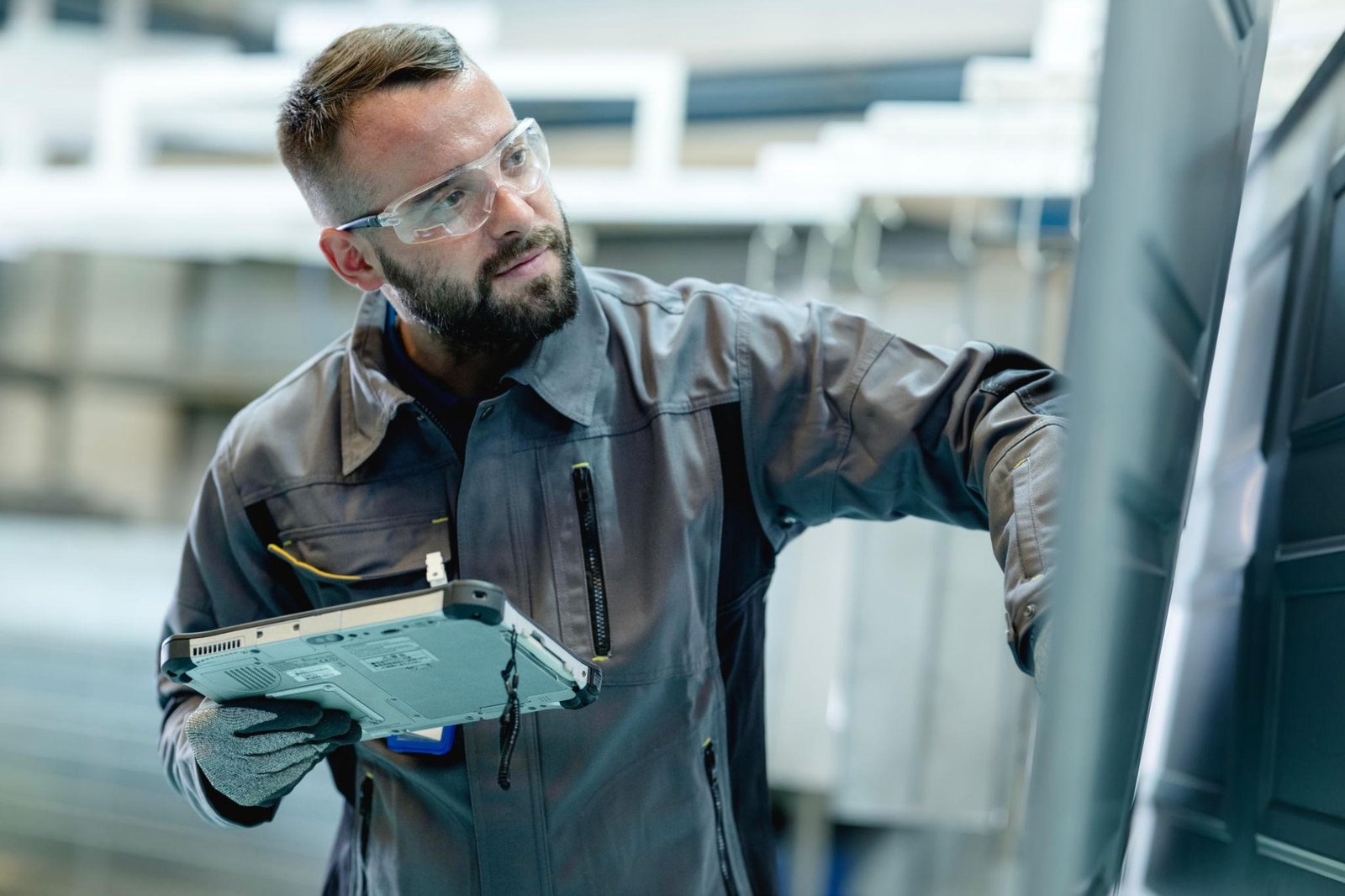
Manual inspection creates several operational challenges:
- Inspector fatigue over long shifts
- Inconsistent defect detection
- Increasing labor costs
- Training and retention issues
- Slower inspection speed at high production volumes
Human inspectors are highly valuable for judgment and process understanding, but repetitive visual inspection tasks become difficult to scale efficiently.
Studies show manual inspection accuracy often declines during repetitive work due to fatigue and attention loss.
How AI Quality Inspection Works
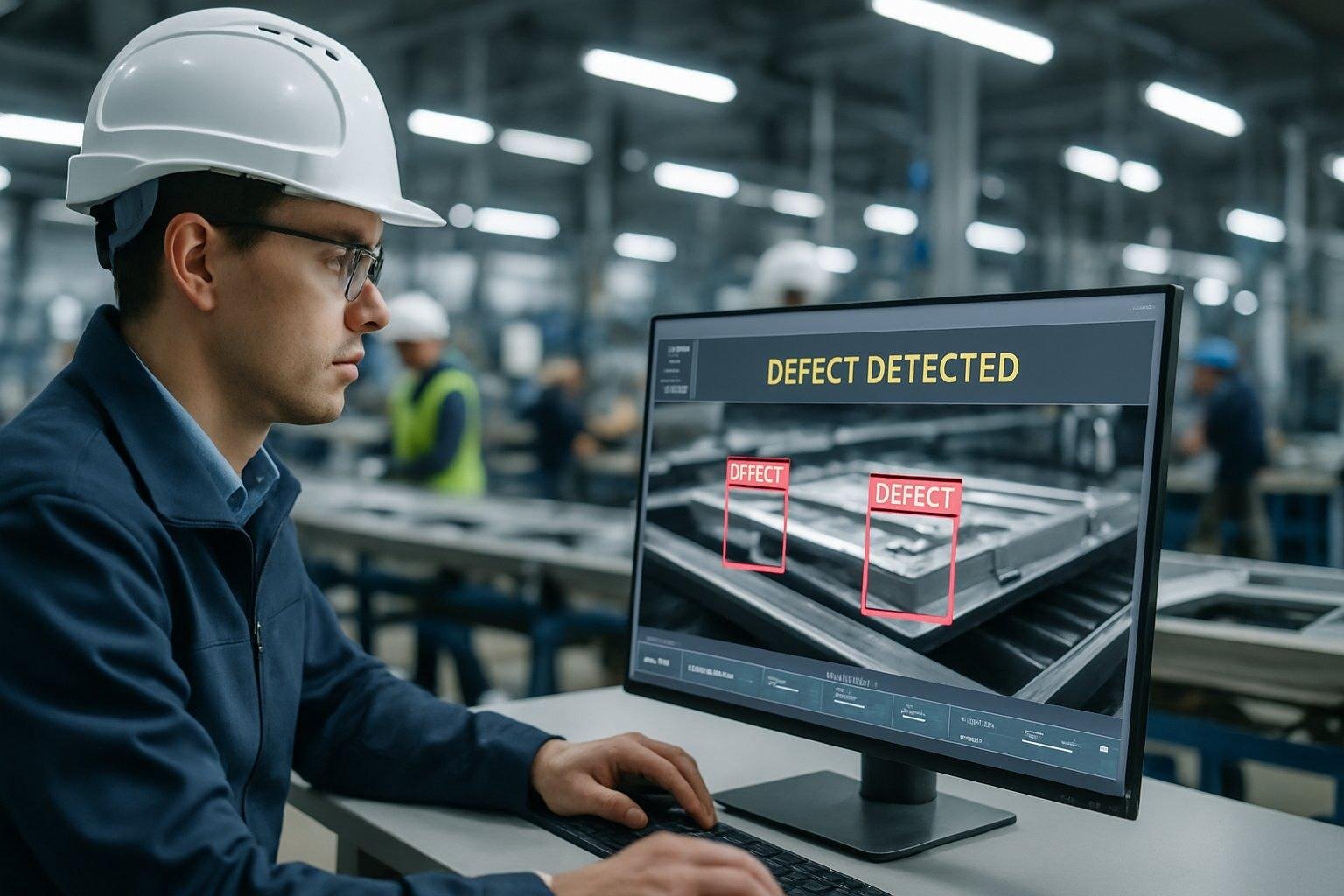
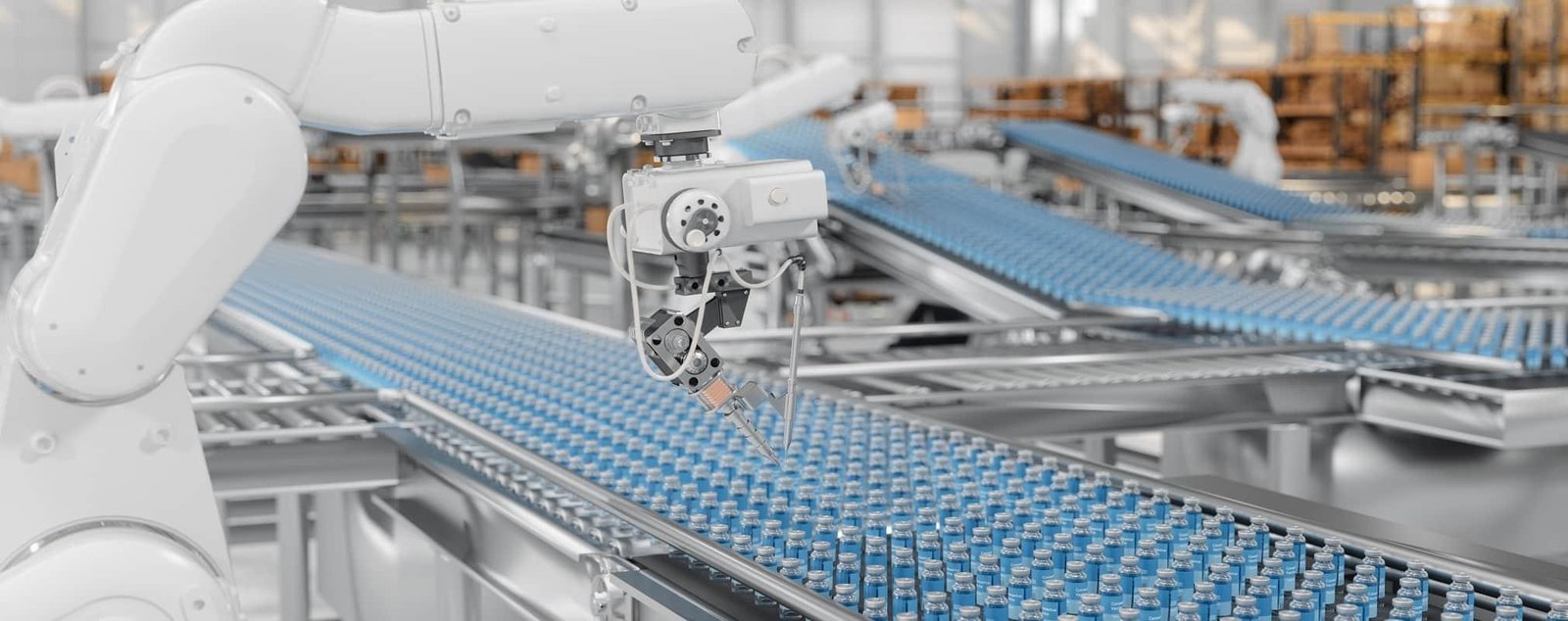
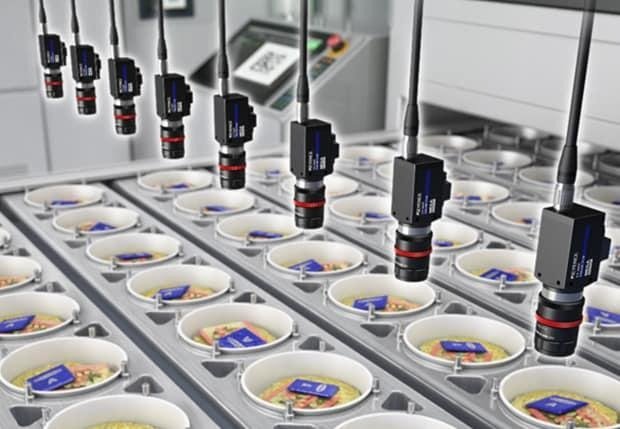
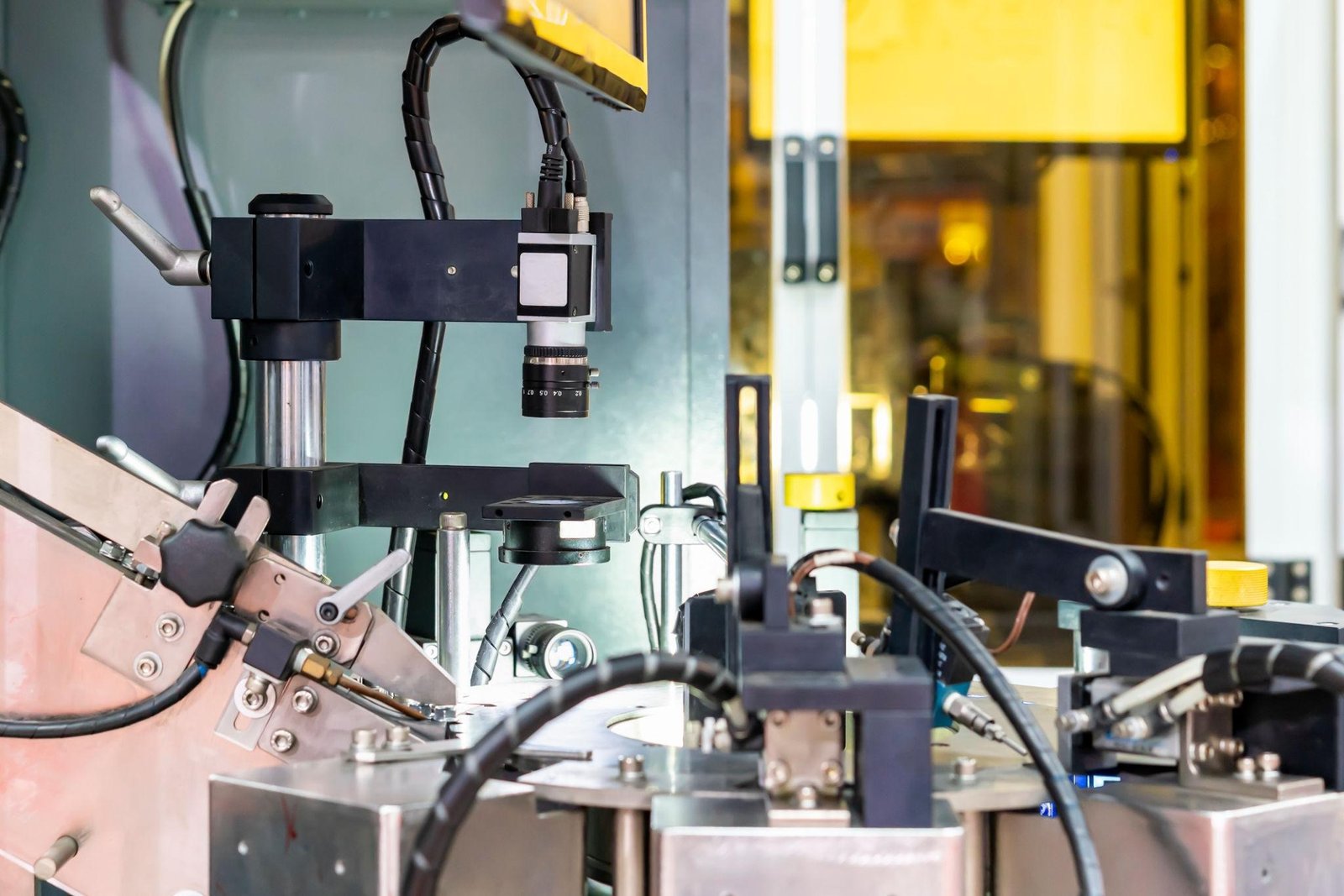
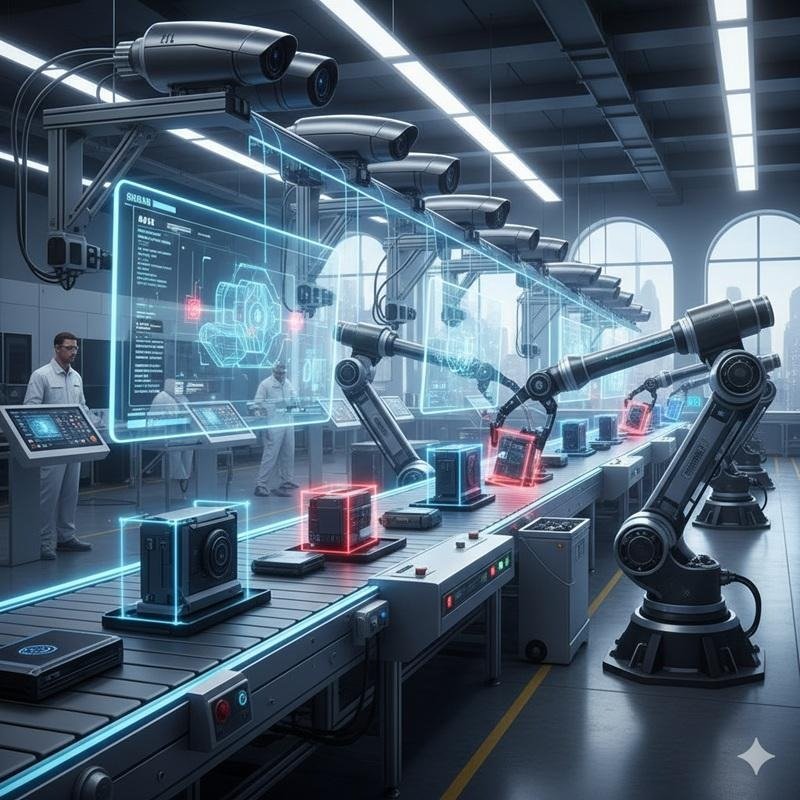
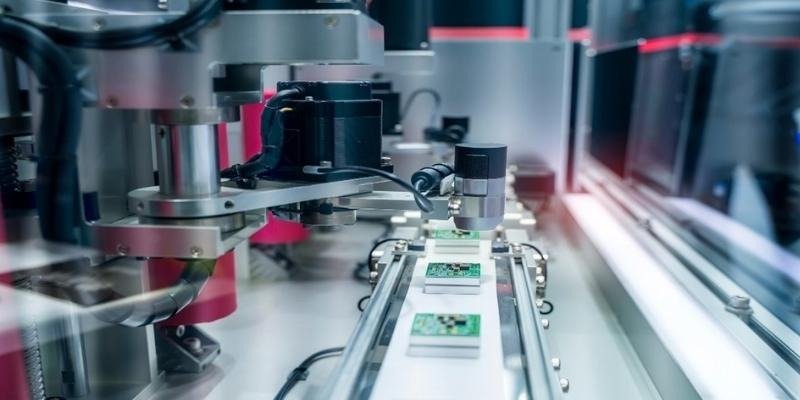
AI-based quality inspection systems use:
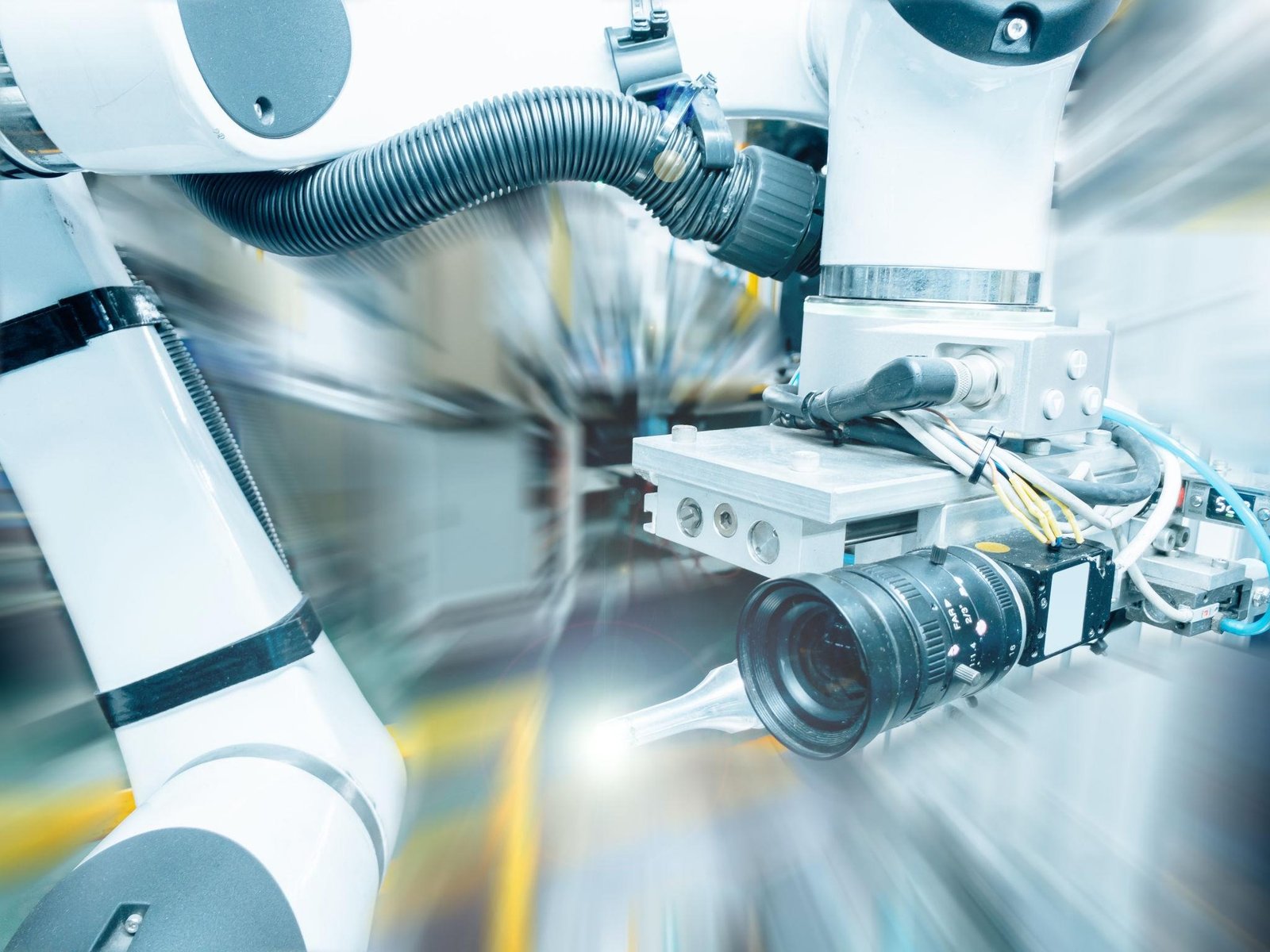
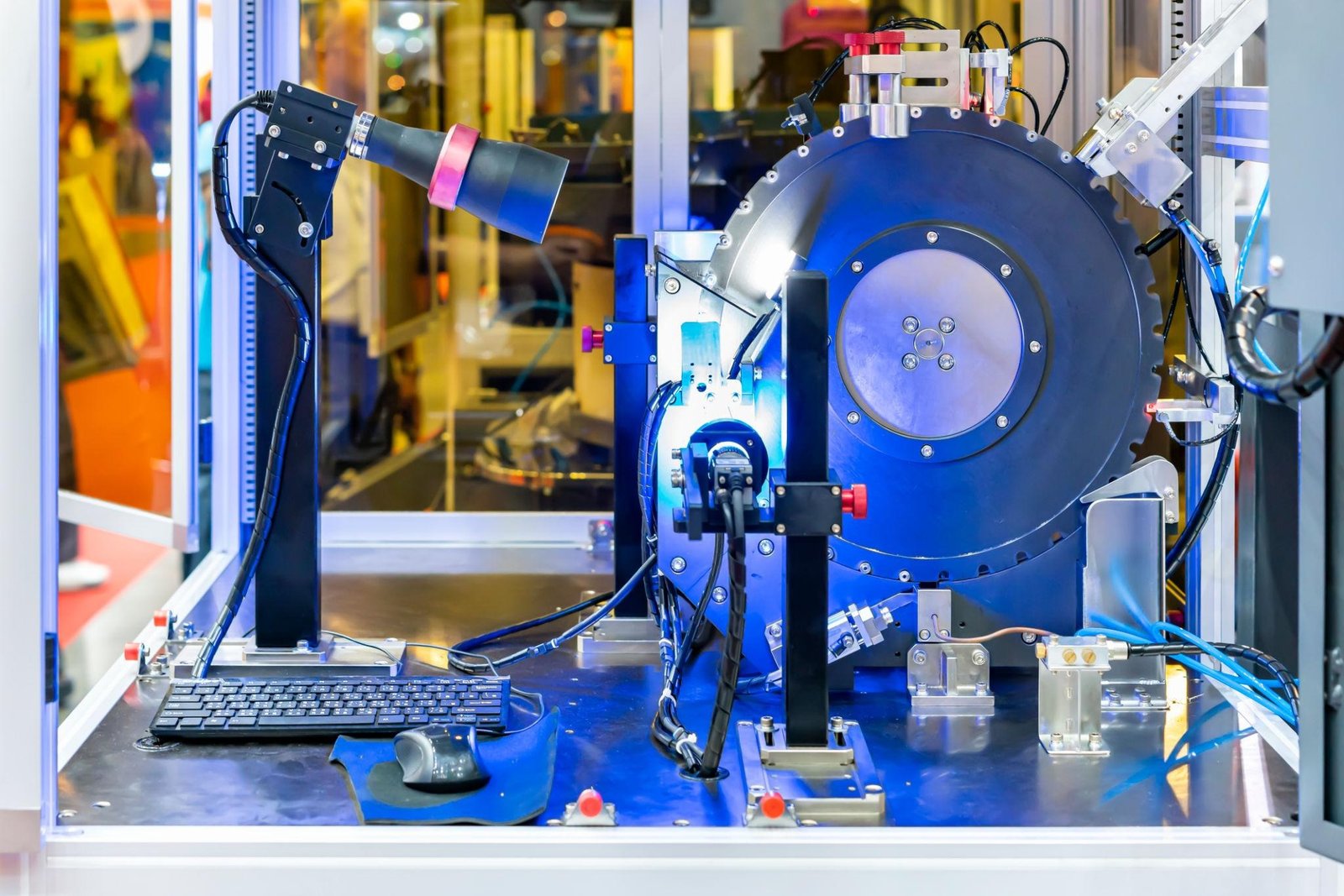
- Cameras and sensors
- Computer vision
- Machine learning algorithms
to inspect products automatically in real time.
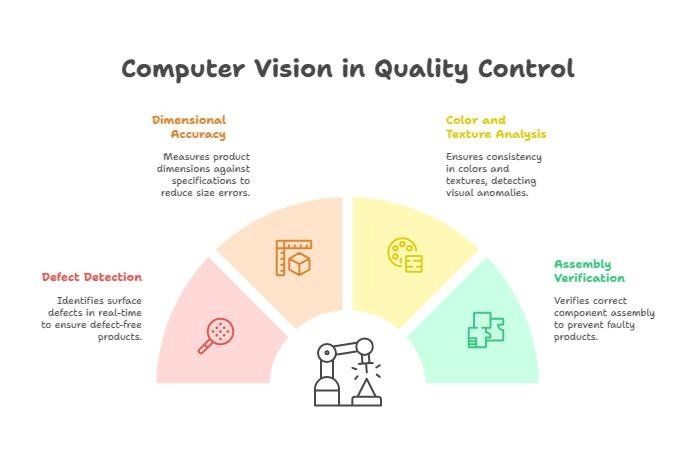
These systems can:
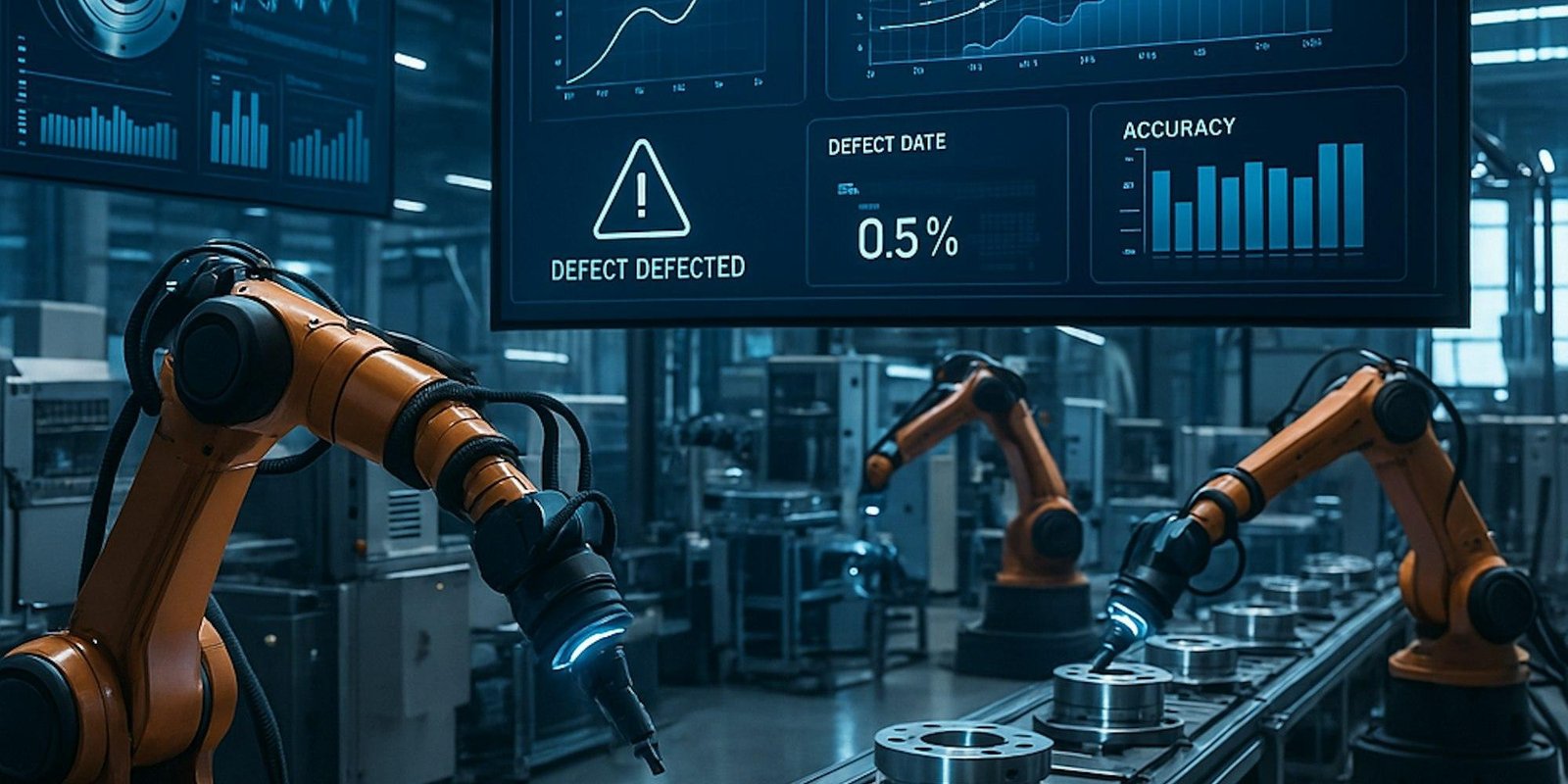
- Detect defects
- Identify dimensional variations
- Monitor assembly quality
- Maintain inspection consistency 24/7
Unlike humans, AI systems do not experience fatigue or variability between shifts.
Cost Comparison: AI vs Human Inspectors
Human Inspection Costs
Manual inspection costs include:
- Salaries and wages
- Overtime
- Shift staffing
- Training costs
- Turnover and hiring costs
- Human error and missed defects
In high-volume plants operating multiple shifts, these costs increase continuously over time.
One recent manufacturing analysis estimated that maintaining multiple manual inspection shifts can cost hundreds of thousands of dollars annually in labor alone.
AI Inspection Costs
AI systems typically involve:
- Upfront hardware investment
- Software licensing
- Integration and deployment
- Maintenance and upgrades
Unlike labor costs, AI inspection systems are largely fixed investments that scale more efficiently over time.
Most manufacturers implementing AI visual inspection report ROI within 8–12 months for high-volume production environments.
Where AI Becomes More Cost-Effective
High-Volume Manufacturing
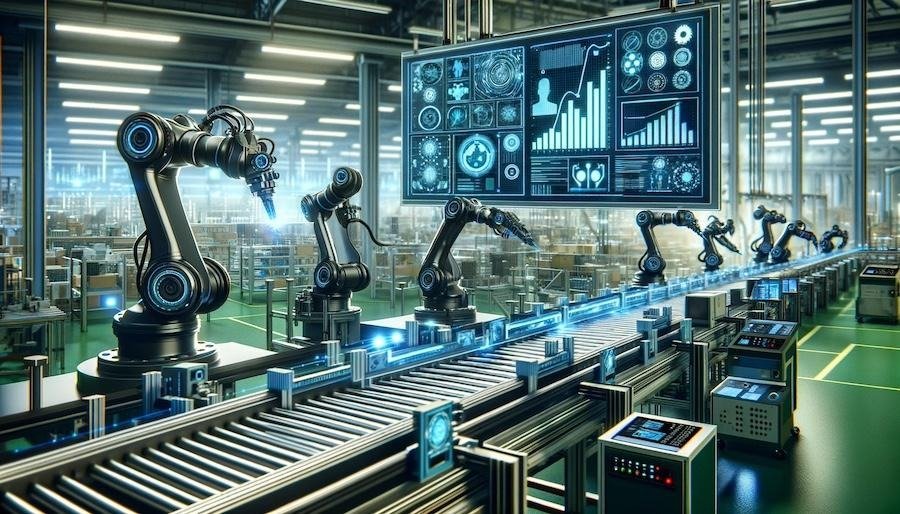
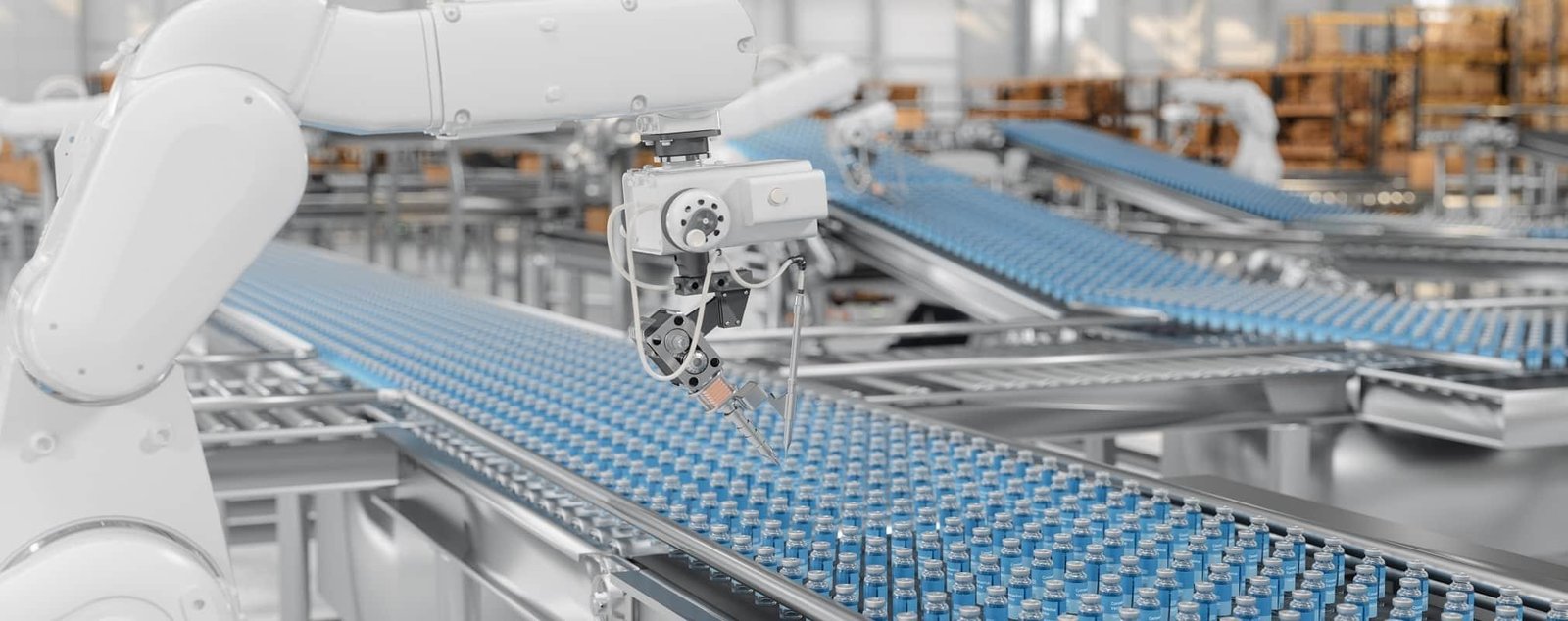
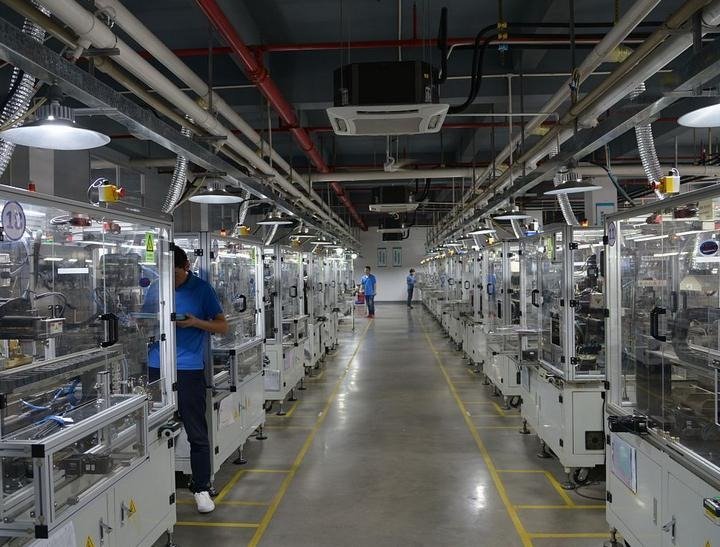
AI becomes significantly more economical when:
- Production runs continuously
- Inspection volumes are high
- Multiple shifts are required
- Defect consistency matters
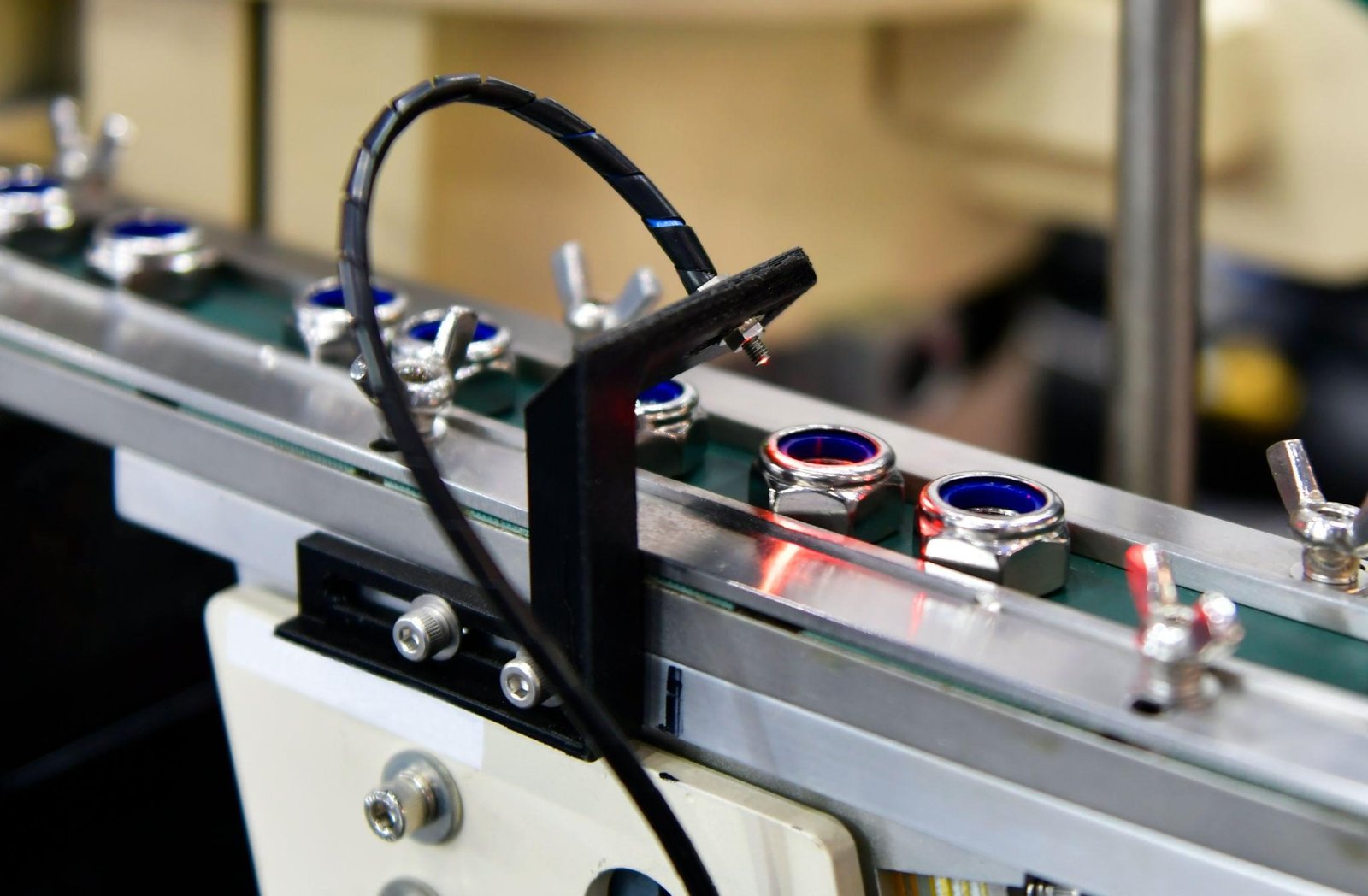
A single AI inspection system can often inspect thousands of parts per hour with consistent accuracy.
Repetitive Visual Inspection Tasks
AI performs best in repetitive and rule-based inspection environments such as:
- Surface defect detection
- Packaging inspection
- Label verification
- Assembly validation
In these scenarios, AI systems often outperform manual inspection in:
- Speed
- Accuracy
- Consistency
Industries with High Cost of Quality Failures
AI inspection creates strong ROI in industries where defects are expensive, including:
- Automotive
- Electronics
- Pharmaceuticals
- Aerospace
- Medical devices
Early defect detection reduces:
- Scrap
- Rework
- Warranty claims
- Customer complaints
Does AI Replace Quality Inspectors Completely?
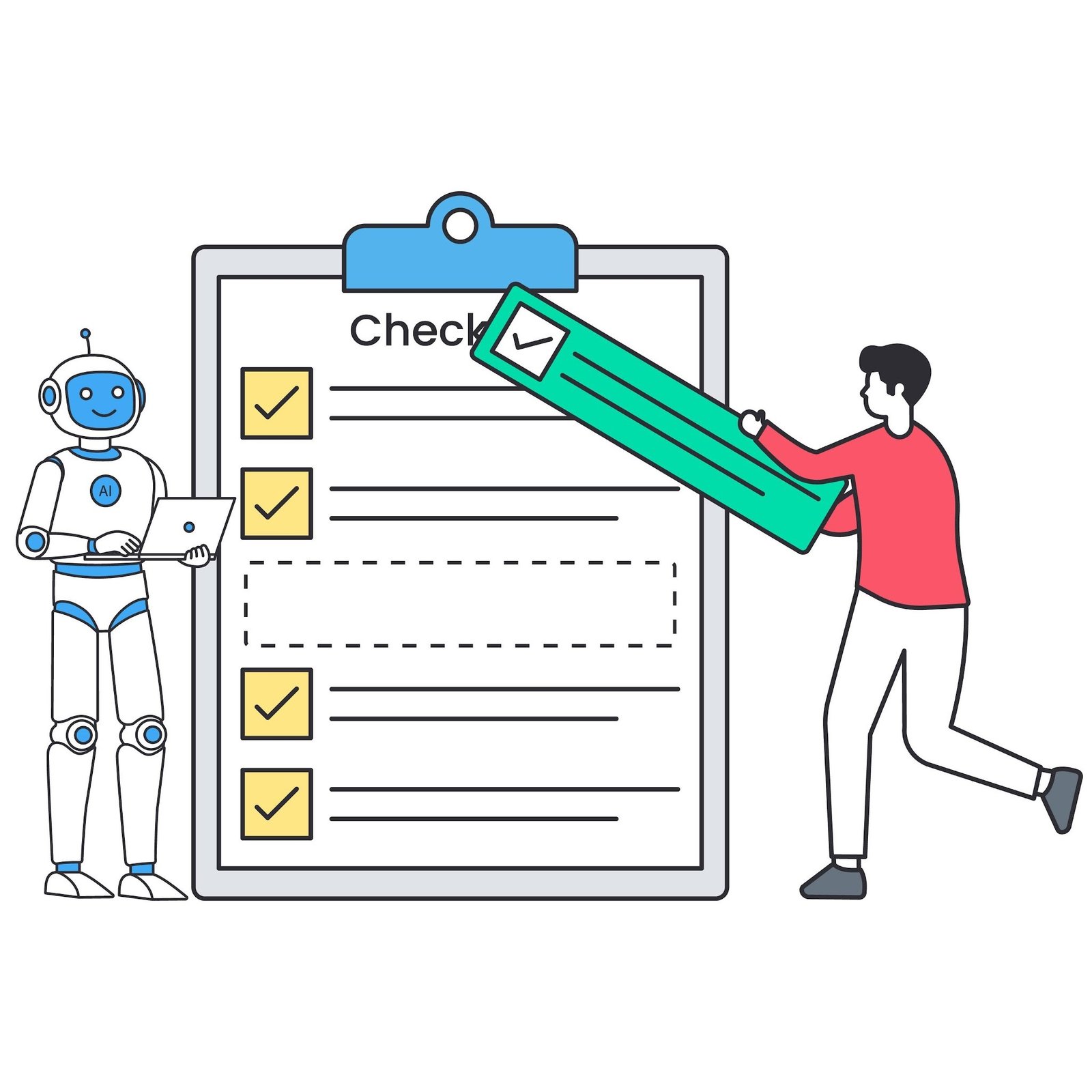
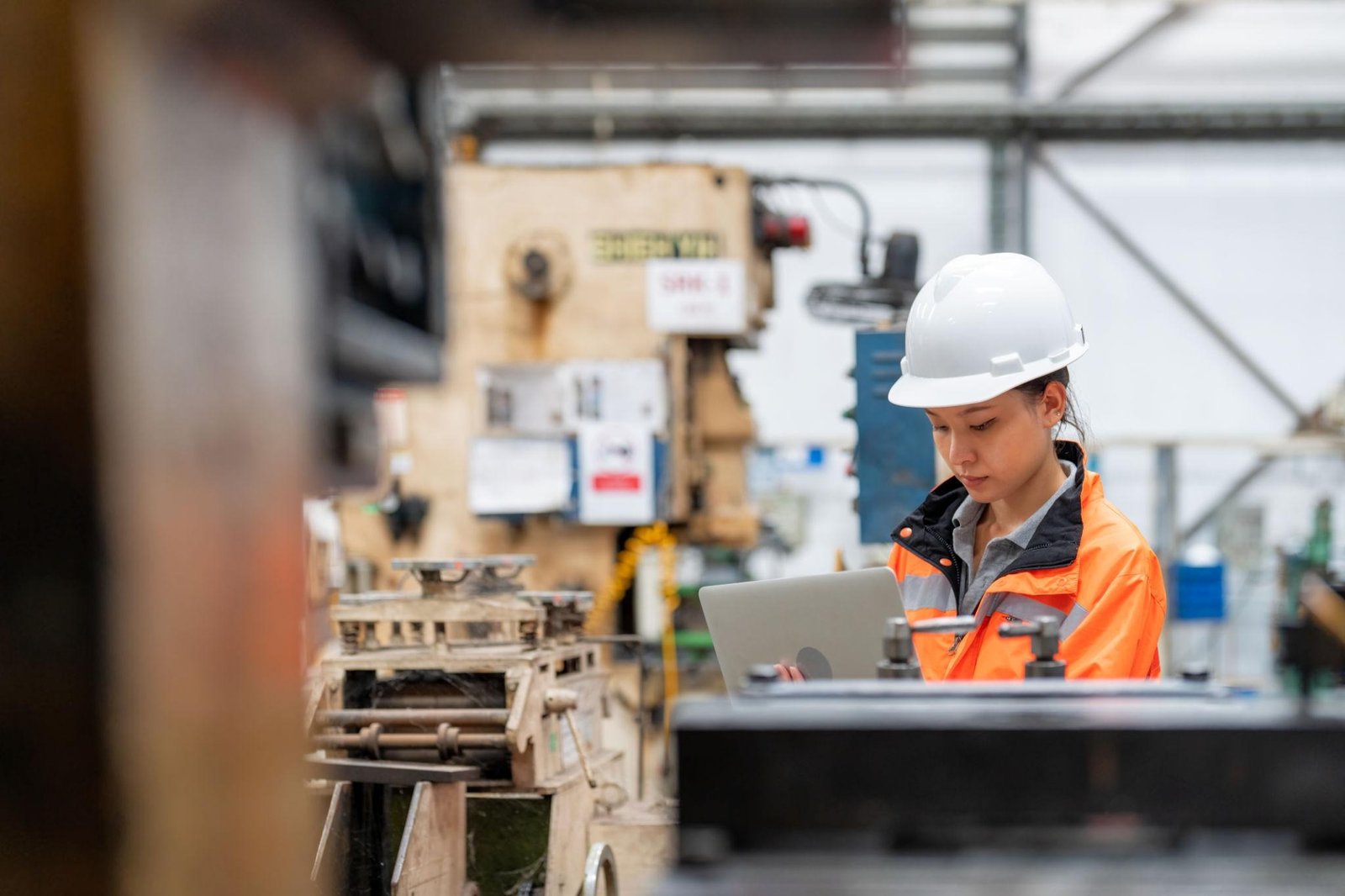
In most real-world factories, AI does not completely replace quality teams.
Instead, it changes their role.
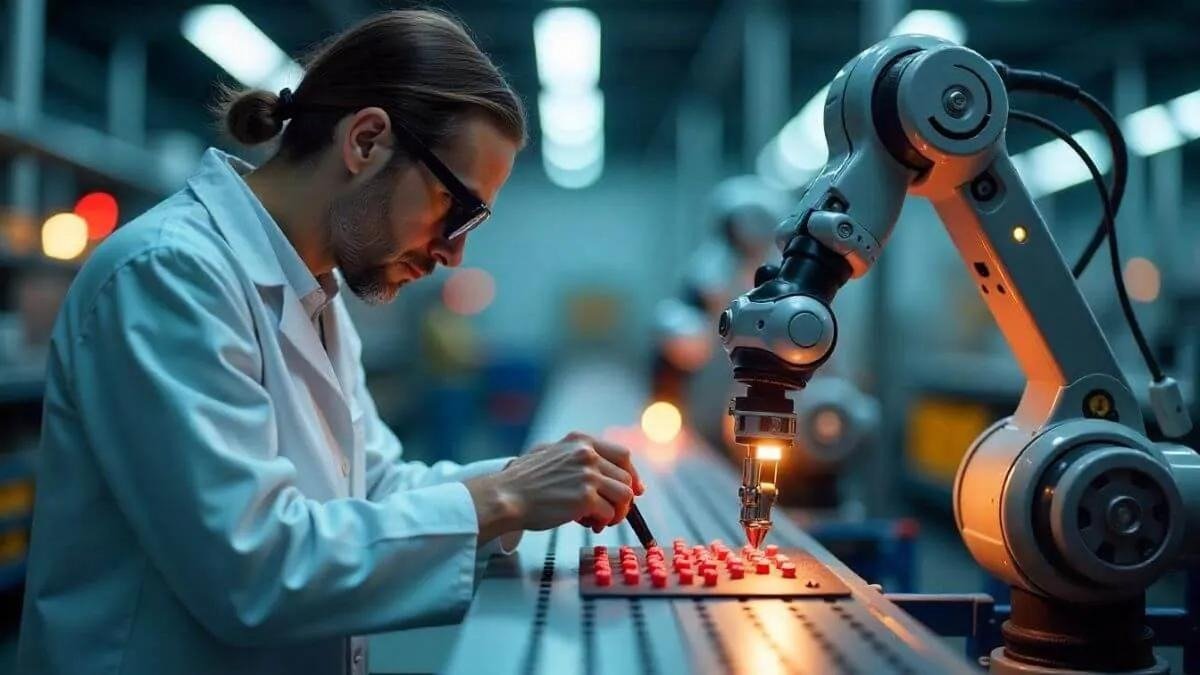
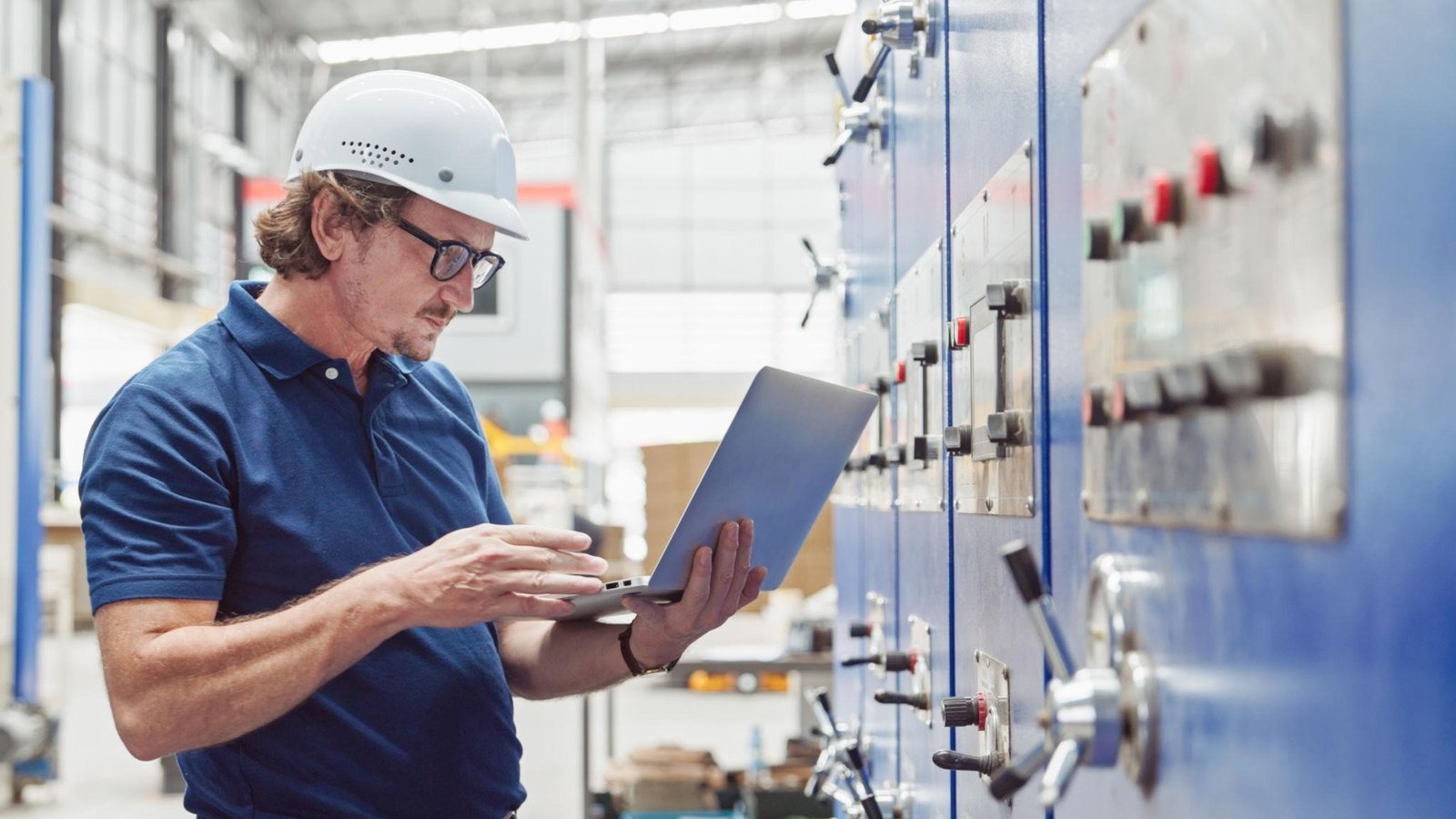
Human inspectors remain important for:
- Exception handling
- Root cause analysis
- Process improvement
- Auditing and compliance
- Complex judgment-based decisions
The most successful manufacturers use a hybrid model:
- AI handles repetitive inspection tasks
- Humans focus on higher-value quality activities
Research increasingly shows that combining AI with human expertise often delivers the best outcomes.
Benefits Beyond Cost Savings
AI inspection systems also provide advantages that manual inspection cannot easily deliver.
24/7 Consistent Inspection
AI systems maintain the same inspection accuracy across all shifts without fatigue.
Full Traceability
AI systems automatically store:
- Images
- Defect records
- Production timestamps
- Inspection history
This improves compliance and root-cause analysis.
Faster Production Speeds
AI enables inline inspection at high throughput rates without slowing production lines.
Data-Driven Quality Improvement
AI systems generate valuable operational data that manufacturers can use to improve:
- Process stability
- Defect prevention
- Production efficiency
Challenges Manufacturers Should Consider
Initial Investment
AI systems require upfront investment in:
- Cameras
- Infrastructure
- Software
- Integration
This can be challenging for smaller manufacturers without phased implementation strategies.
Training Data Requirements
AI inspection systems require sufficient defect data and training examples for accurate performance.
Integration with Existing Operations
Manufacturers must integrate AI systems with:
- Production lines
- MES systems
- Quality workflows
- Existing inspection processes
Change Management
Quality teams may initially resist automation unless organizations clearly position AI as a support tool rather than a workforce replacement initiative.
The manAIhub Perspective
At manAIhub, quality inspection is one of the six strategic AI tracks helping manufacturers adopt practical and scalable AI solutions.
The platform connects:
- Quality heads
- Manufacturing leaders
- AI experts
- Computer vision providers
- Academia and industry partners
manAIhub helps manufacturers:
- Identify high-ROI AI use cases
- Evaluate practical implementation strategies
- Learn from real industrial deployments
- Build scalable quality transformation programs
Final Thought
AI quality inspection is not simply about reducing labor costs.
It is about creating:
- More scalable operations
- More consistent quality
- Faster inspection cycles
- Better operational visibility
As production complexity and quality expectations increase, AI becomes increasingly valuable for modern manufacturing operations.
Bottom Line
In many manufacturing environments, AI inspection software becomes cheaper and more effective than continuously hiring additional quality inspectors – especially in high-volume, repetitive inspection scenarios.
However, the best results typically come from combining AI automation with human expertise rather than replacing people entirely.