

A manAIhub Perspective
Artificial Intelligence is one of the most discussed technologies in manufacturing today. Every week, manufacturers hear stories about predictive maintenance, computer vision, digital twins, and smart factories transforming operations.
Yet, despite growing interest, many AI projects never move beyond the pilot stage.
Some projects deliver impressive demonstrations but fail to create business impact. Others struggle with adoption, data quality, or implementation challenges. As a result, manufacturers often conclude that AI is expensive, complicated, or not ready for their operations.
At manAIhub, we believe AI itself is rarely the reason projects fail. More often, failure occurs because organizations approach AI as a technology initiative rather than a business transformation initiative.
The good news is that these challenges can be avoided.
The Reality of AI Adoption in Manufacturing





Many manufacturers begin their AI journey with enthusiasm. They invest in software, run pilot programs, and experiment with new technologies.
However, after a few months they often encounter challenges such as:
- Limited business impact
- Lack of quality data
- Resistance from operational teams
- Difficulty scaling pilots
- Unclear return on investment
The result is a growing number of AI pilots that never become production-scale solutions.
Why AI Projects Fail in Indian Factories
1. Starting with Technology Instead of Business Problems
One of the most common mistakes is beginning with the question:
“Which AI tool should we use?”
Instead of asking:
“Which business problem should we solve?”
AI is not a goal. It is a tool.
Successful manufacturers focus first on challenges such as:
- Excessive downtime
- High scrap rates
- Energy inefficiencies
- Production bottlenecks
- Inventory issues
When AI is applied to a clearly defined business problem, value becomes much easier to measure.
2. Poor Data Quality

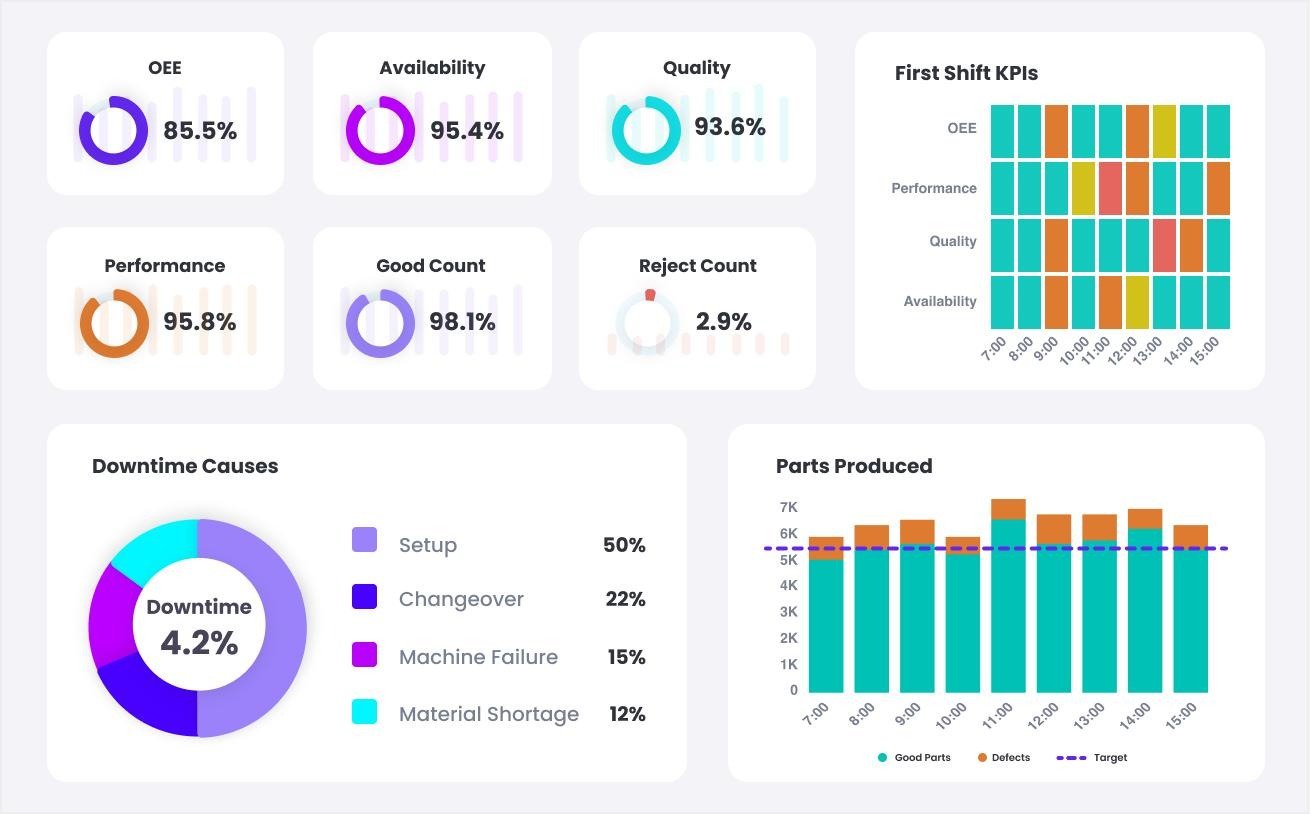



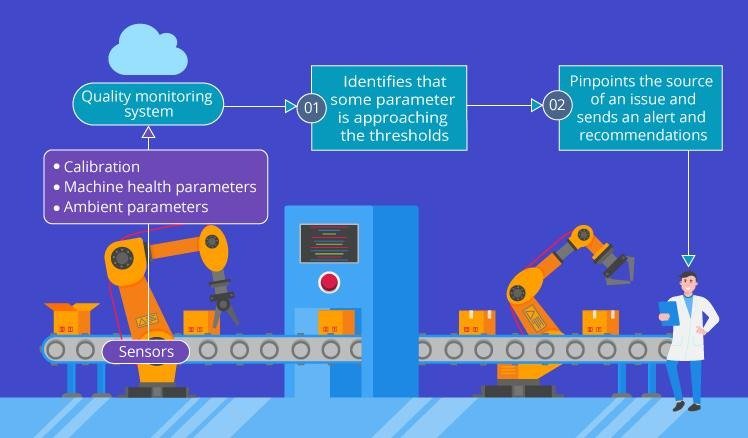

AI depends on data.
Unfortunately, many factories still struggle with:
- Manual data collection
- Incomplete records
- Disconnected systems
- Inconsistent reporting
Manufacturers often expect AI to solve data problems when, in reality, AI requires reliable data to perform effectively.
Without a strong data foundation, even the most advanced AI models will struggle to deliver meaningful results.
3. Lack of Shop Floor Involvement
Many AI initiatives are driven solely by:
- IT teams
- Consultants
- Technology vendors
Meanwhile, the people who understand the process best—the operators, supervisors, maintenance teams, and engineers—are often excluded from the project.
This creates a gap between technology and reality.
Successful AI projects involve shop-floor teams from the beginning because they understand:
- Operational challenges
- Process constraints
- Practical implementation requirements
4. Unrealistic Expectations
AI is often marketed as a solution that can instantly transform operations.
The reality is different.
AI is not magic.
It requires:
- Data preparation
- Process alignment
- Model training
- Continuous improvement
Organizations expecting immediate results often become disappointed before the solution has had time to mature.
5. Failure to Scale Beyond Pilot Projects
Many factories successfully complete proof-of-concept projects but fail to scale them.
Common reasons include:
- Lack of leadership sponsorship
- No integration with existing systems
- Unclear ownership
- Insufficient operational support
A pilot that works on one machine or production line does not automatically create value across an entire factory.
Scaling requires a structured roadmap and long-term commitment.
5 Steps to Make AI Projects Successful
Step 1: Start with a High-Impact Business Problem

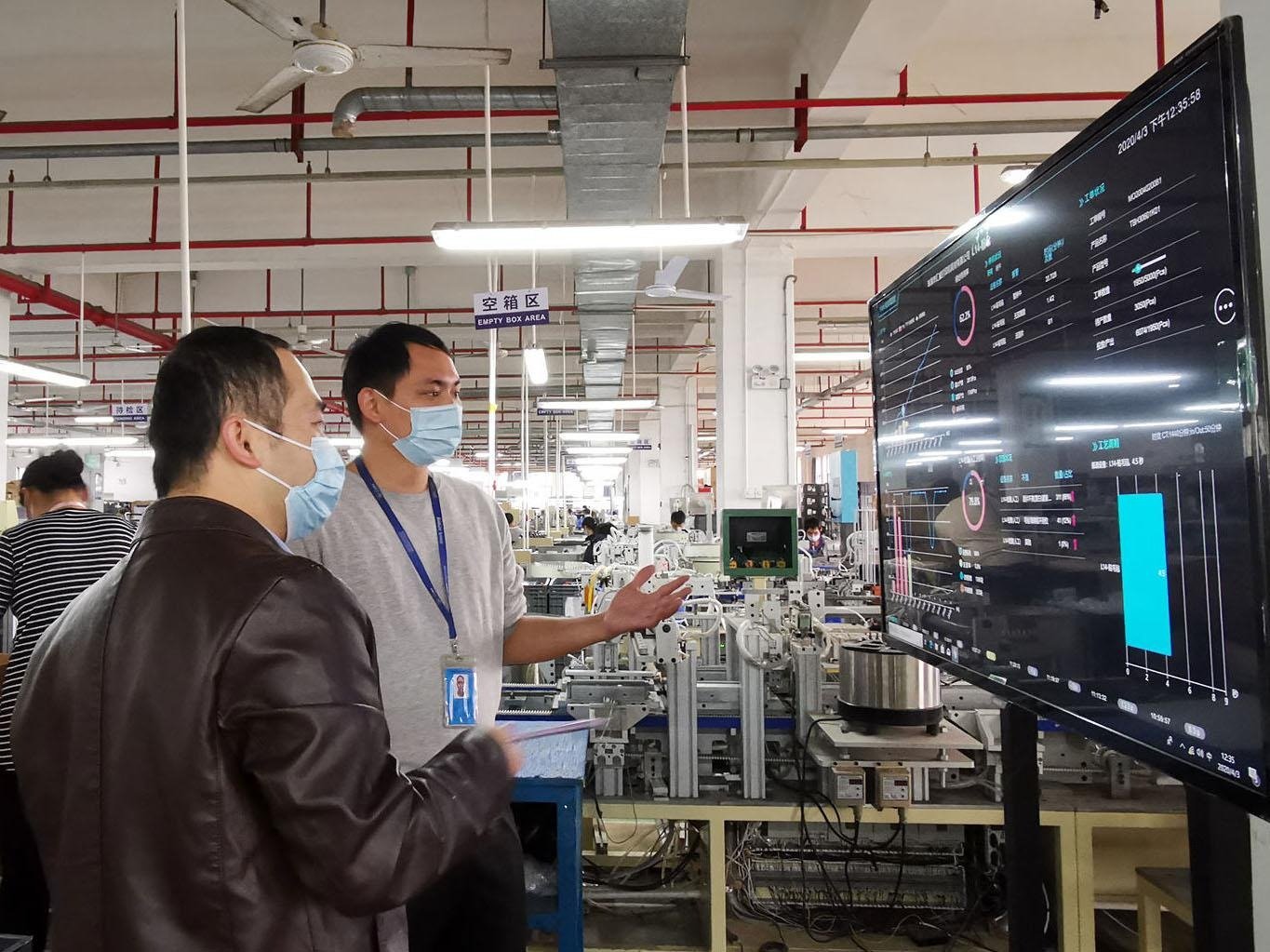

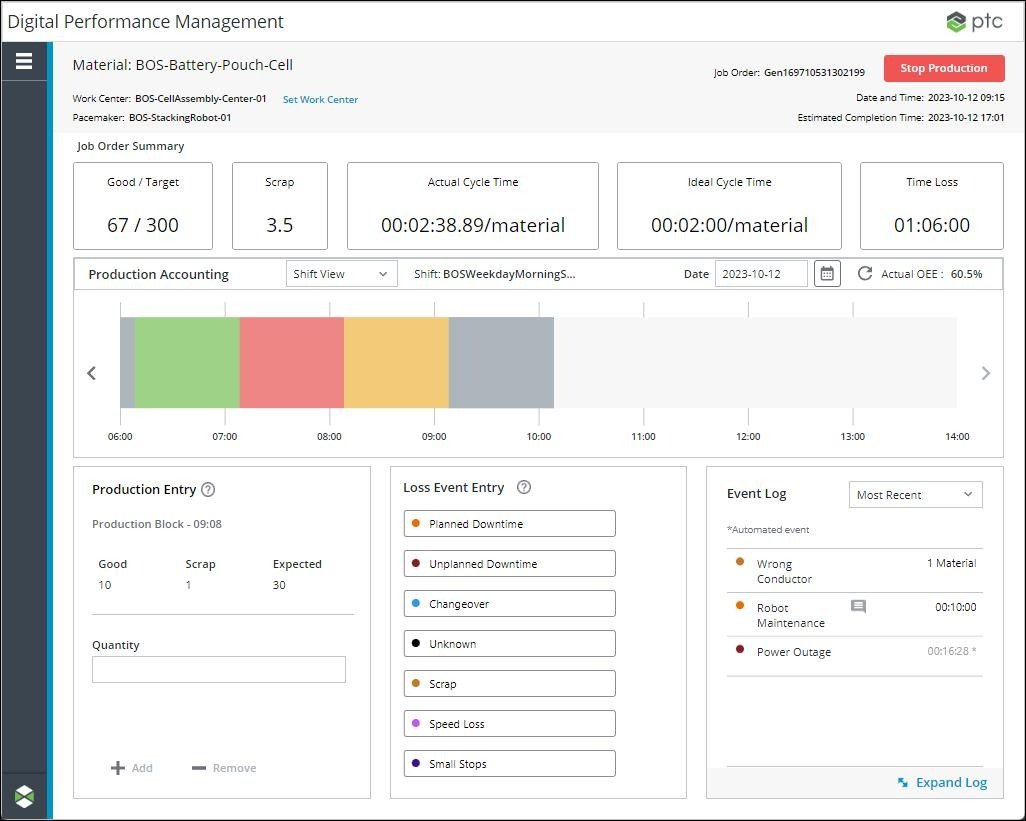

The most successful AI projects begin with a problem that already has measurable business impact.
Examples include:
- Reducing machine downtime
- Improving first-pass yield
- Lowering energy consumption
- Optimizing production schedules
When the problem is clearly defined, measuring success becomes much easier.
Step 2: Build a Strong Data Foundation
Before implementing AI, manufacturers should focus on:
- Data collection
- Data accuracy
- Sensor deployment
- System integration
A simple AI model supported by high-quality data often outperforms a sophisticated model built on poor data.
Think of data as the raw material for AI.
Without quality raw material, quality output is impossible.
Step 3: Involve Operational Teams Early
AI projects should never be treated as purely technology initiatives.
Operators, engineers, maintenance teams, and quality personnel should participate from the beginning.
Their knowledge helps:
- Define realistic objectives
- Validate AI recommendations
- Improve adoption
- Accelerate implementation
When people feel ownership, they are far more likely to support change.
Step 4: Focus on ROI, Not Technology
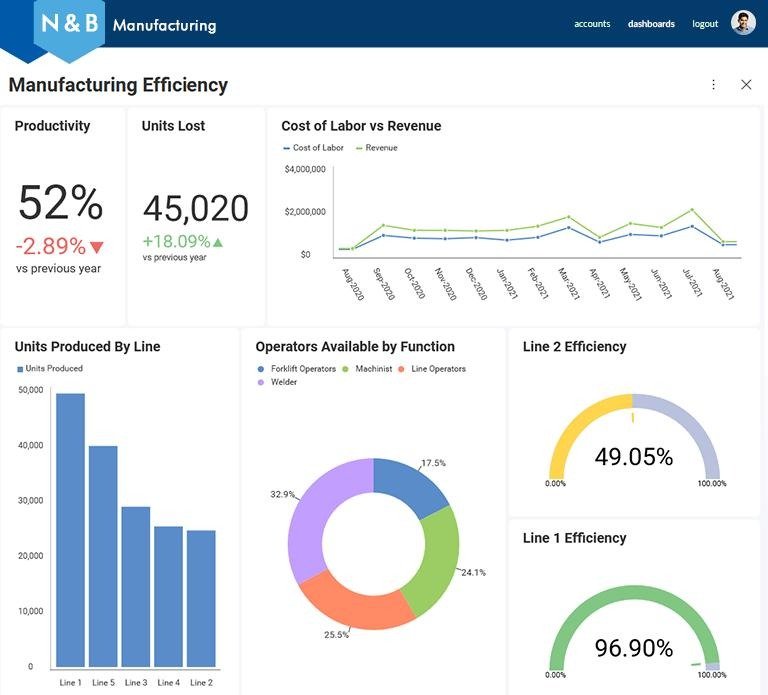
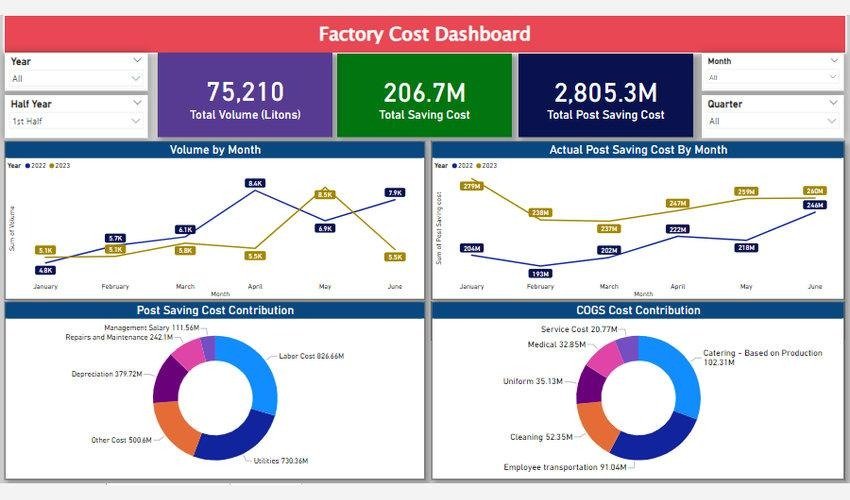
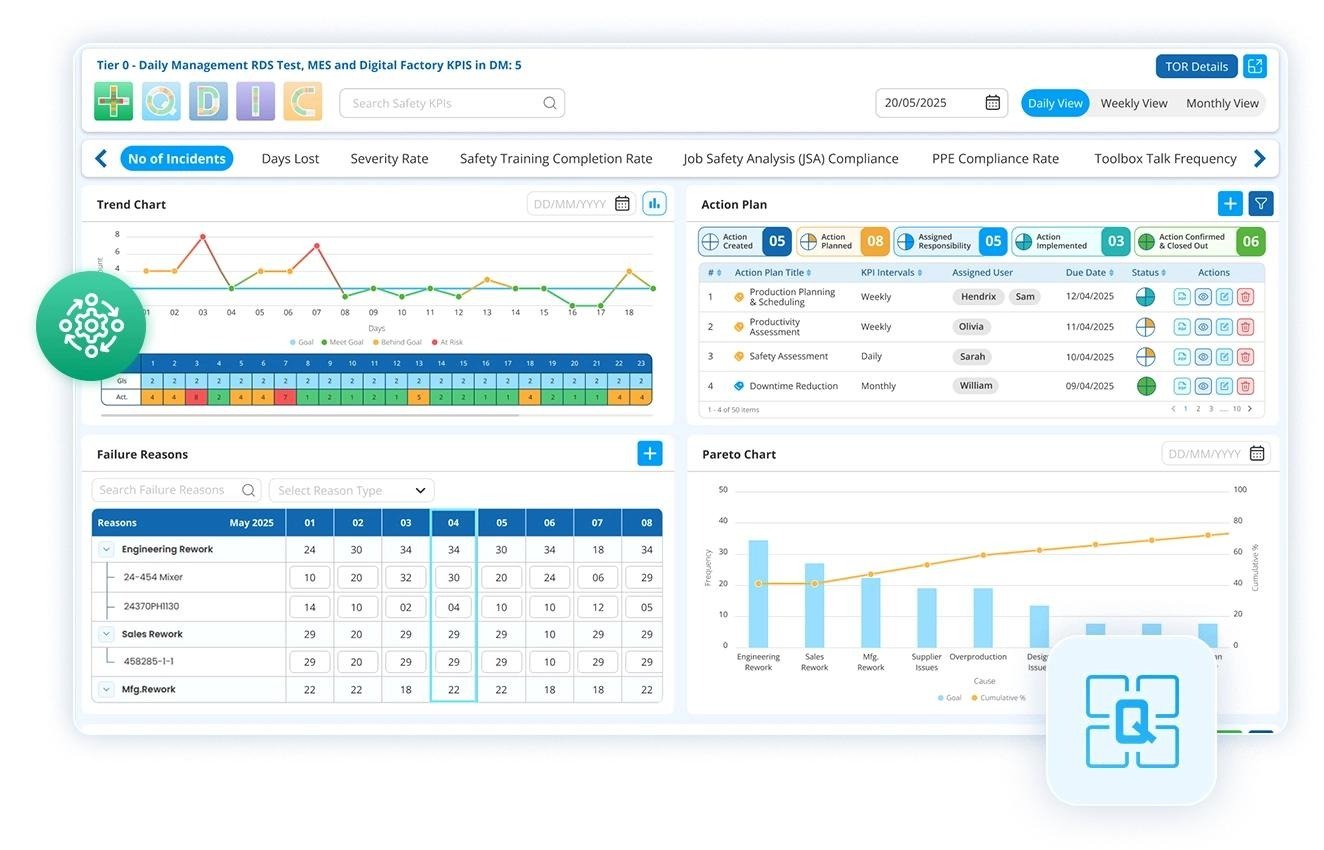

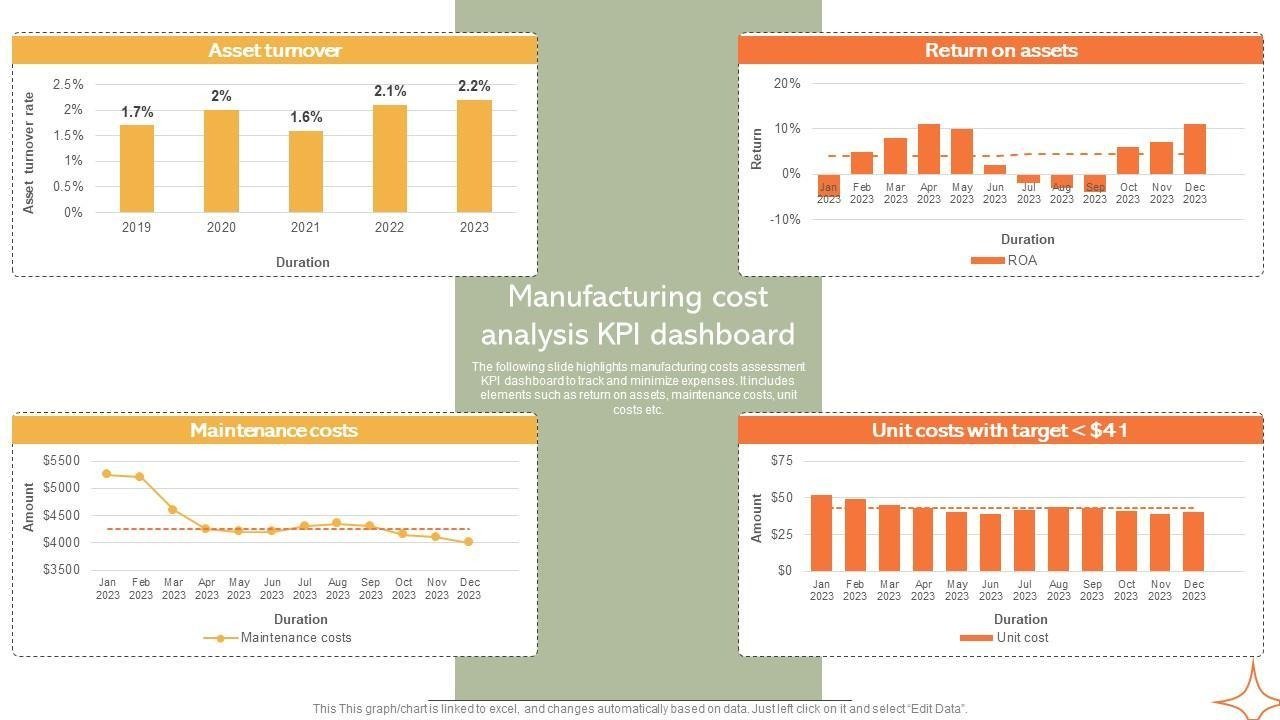
Manufacturers should measure success using business metrics such as:
- Downtime reduction
- Scrap reduction
- Energy savings
- Maintenance cost reduction
- Productivity improvement
The goal is not to implement AI.
The goal is to improve business performance.
Organizations that focus on outcomes achieve significantly higher returns from AI investments.
Step 5: Build an Ecosystem, Not Just a Project
Successful AI adoption requires collaboration between:
- Plant leaders
- Engineers
- Data scientists
- Solution providers
- Industry experts
- Academic institutions
No single team has all the expertise needed.
Organizations that leverage broader ecosystems often move faster and avoid common implementation mistakes.
This is precisely why manufacturing-focused communities are becoming increasingly important.
The manAIhub Approach
At manAIhub, we believe AI adoption succeeds when technology, people, and business objectives work together.
The platform brings together five critical stakeholder groups:
- Plant Leaders and CXOs
- Engineers and Quality Heads
- Data and AI Experts
- Solution Providers
- Academia and Trade Associations
Through collaboration across six manufacturing tracks:
- Smart Maintenance
- Quality & Inspection
- Production Optimization
- Supply Chain & Planning
- Energy & Sustainability
- Workforce Augmentation
manufacturers can learn from real-world experiences, discover proven use cases, and accelerate implementation.
Final Thought
Most AI projects do not fail because of technology.
They fail because organizations underestimate the importance of data, people, processes, and execution.
Manufacturers that approach AI strategically—and focus on solving real operational problems—are far more likely to achieve meaningful business outcomes.
Bottom Line
AI can deliver significant value in manufacturing, but success is not guaranteed.
The factories that succeed with AI are not necessarily the ones with the biggest budgets or the most advanced technology.
They are the ones that:
- Start with the right problem
- Build strong data foundations
- Engage operational teams
- Focus on measurable ROI
- Leverage the right ecosystem
In the coming years, the difference between successful manufacturers and struggling manufacturers may not be whether they adopt AI—but how effectively they implement it.