
A manAIhub Perspective
One of the biggest concerns surrounding automation and AI in manufacturing is the fear that technology will replace people.
As factories become more automated, many business leaders, supervisors, and workers ask the same question:
“Will automation eliminate jobs?”
The reality is more nuanced.
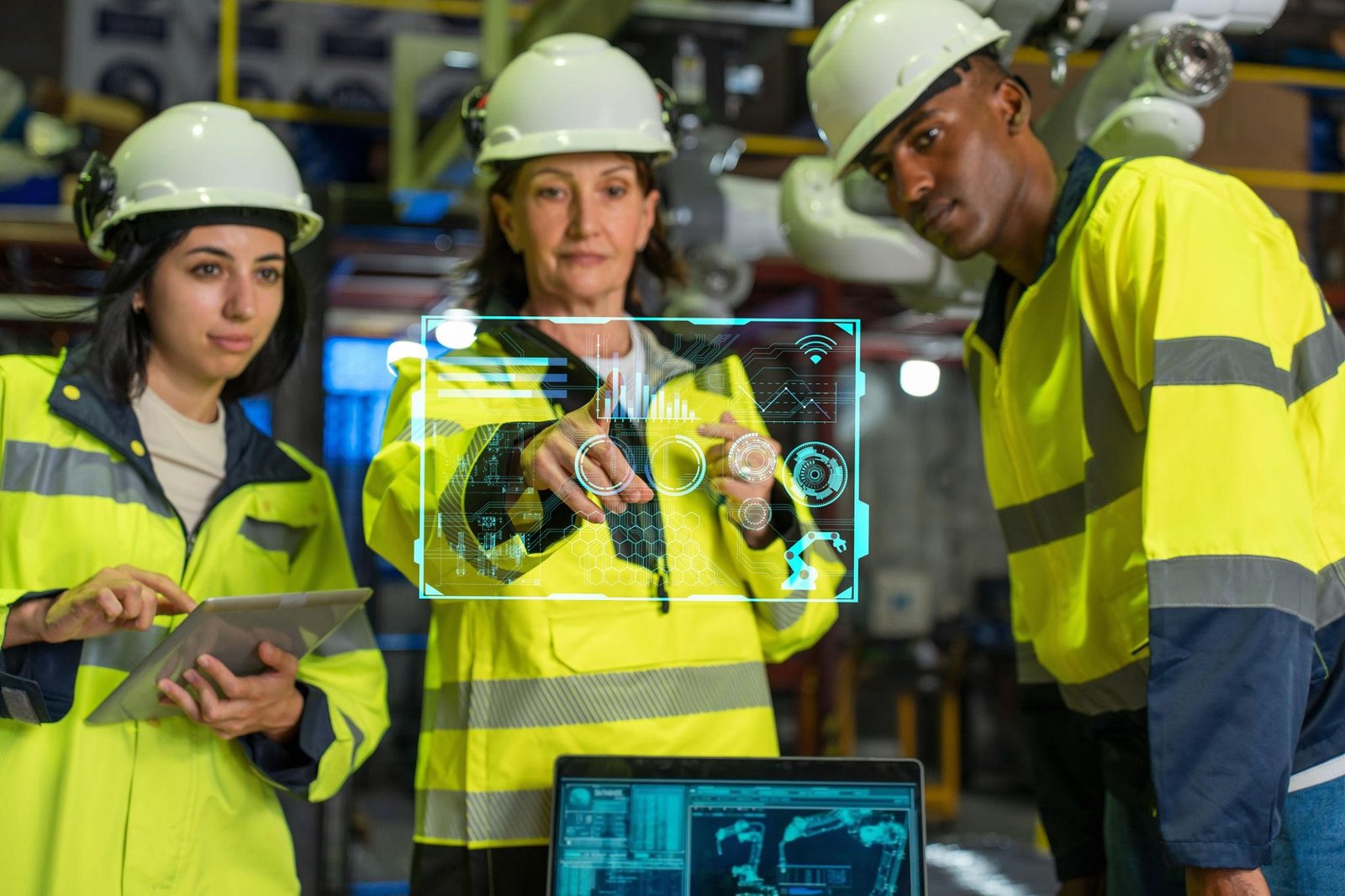
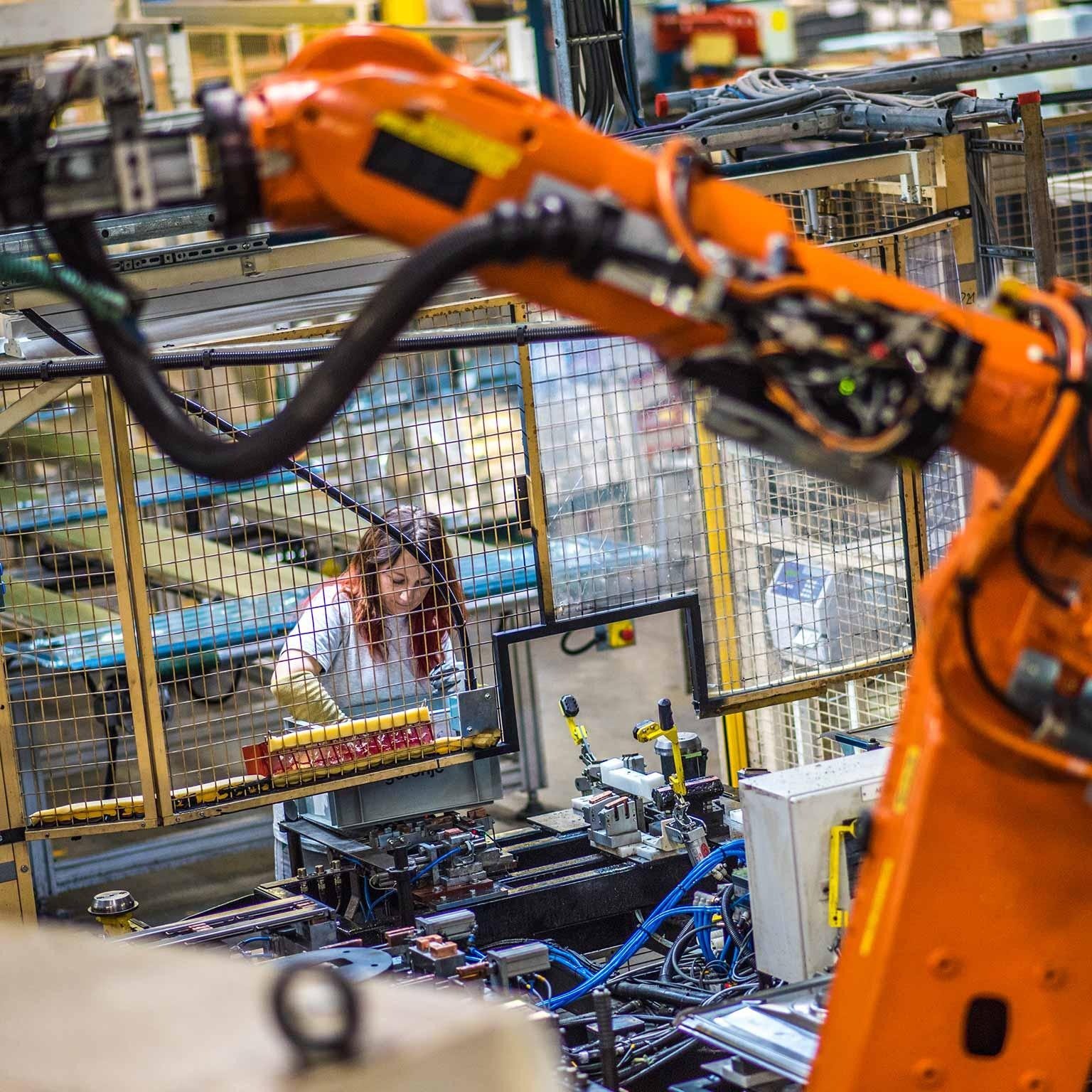
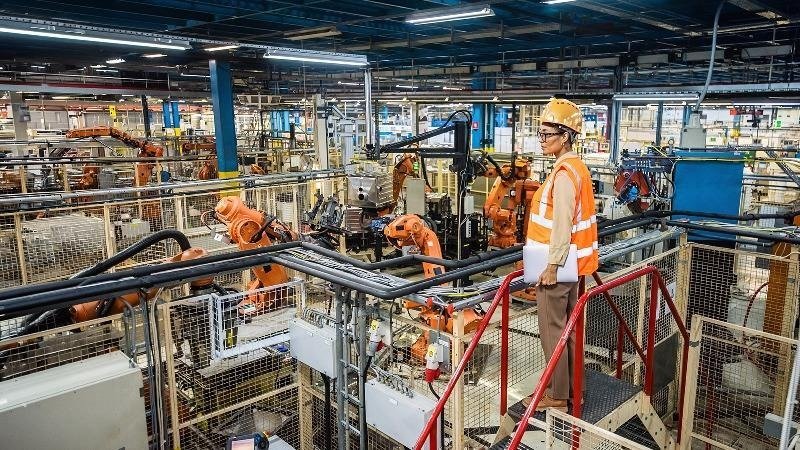
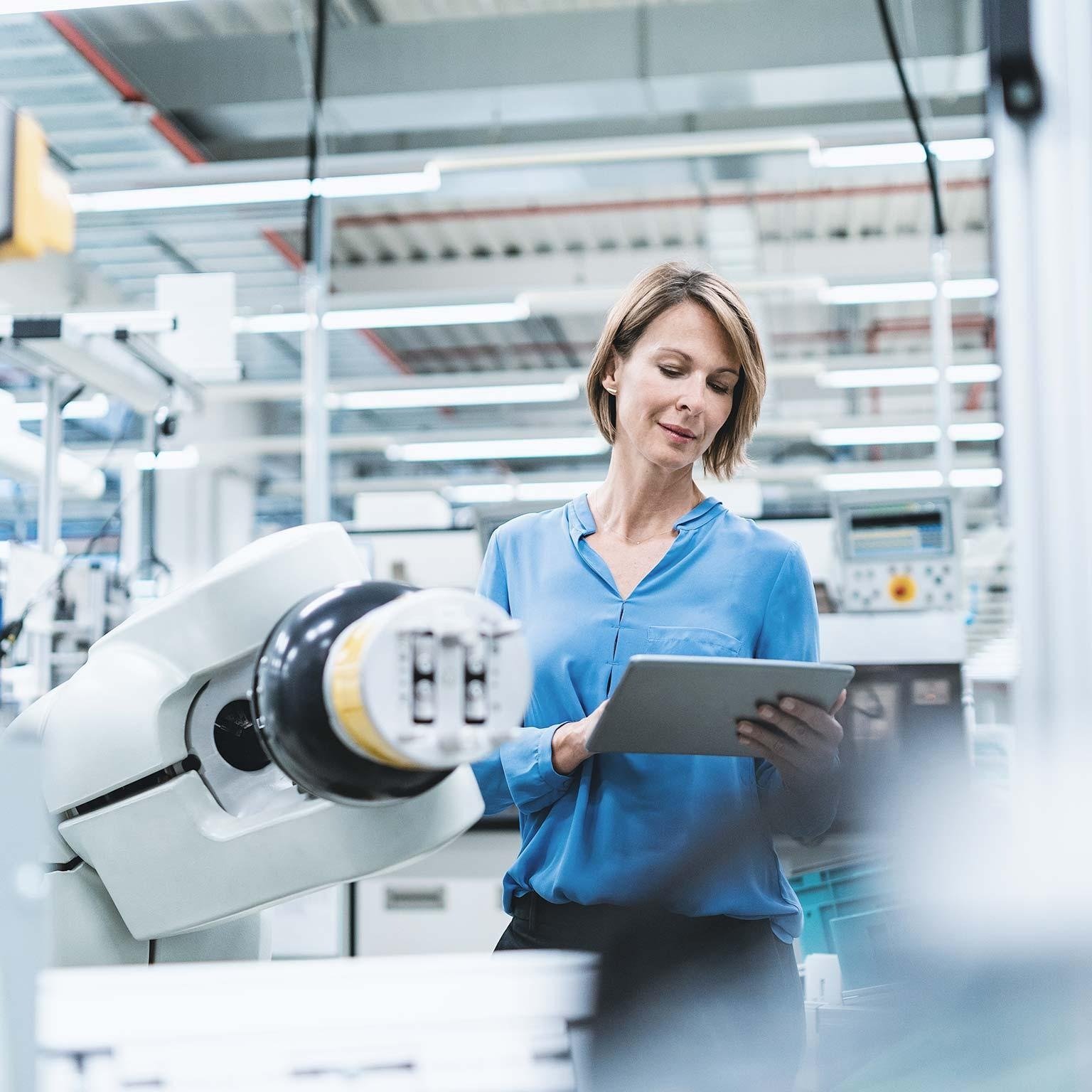
The most successful manufacturers are not choosing between people and technology. They are finding ways to make both work together.
At manAIhub, we believe the future of manufacturing is not about replacing workers with machines. It is about using automation to eliminate repetitive, dangerous, and low-value tasks while empowering workers to focus on activities that require judgment, problem-solving, creativity, and experience.
The factories that achieve this balance will be better positioned to improve productivity, attract talent, and remain competitive in the years ahead.
Why This Balance Matters
Indian manufacturing faces two major challenges simultaneously:
On one side, companies are under pressure to:
- Improve productivity
- Reduce costs
- Increase quality
- Compete globally
On the other side, they must:
- Retain skilled workers
- Build workforce trust
- Address skill shortages
- Create sustainable employment opportunities
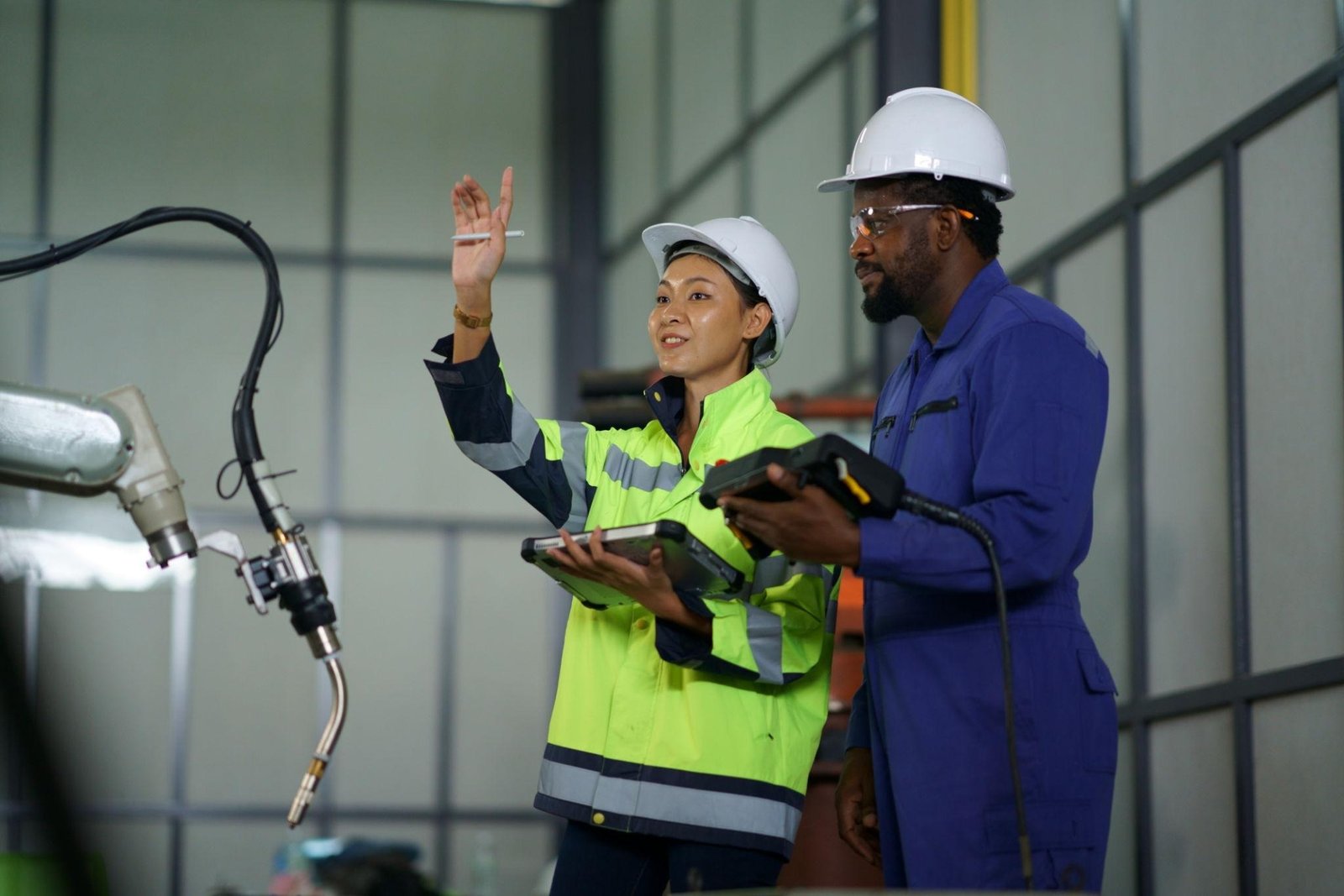
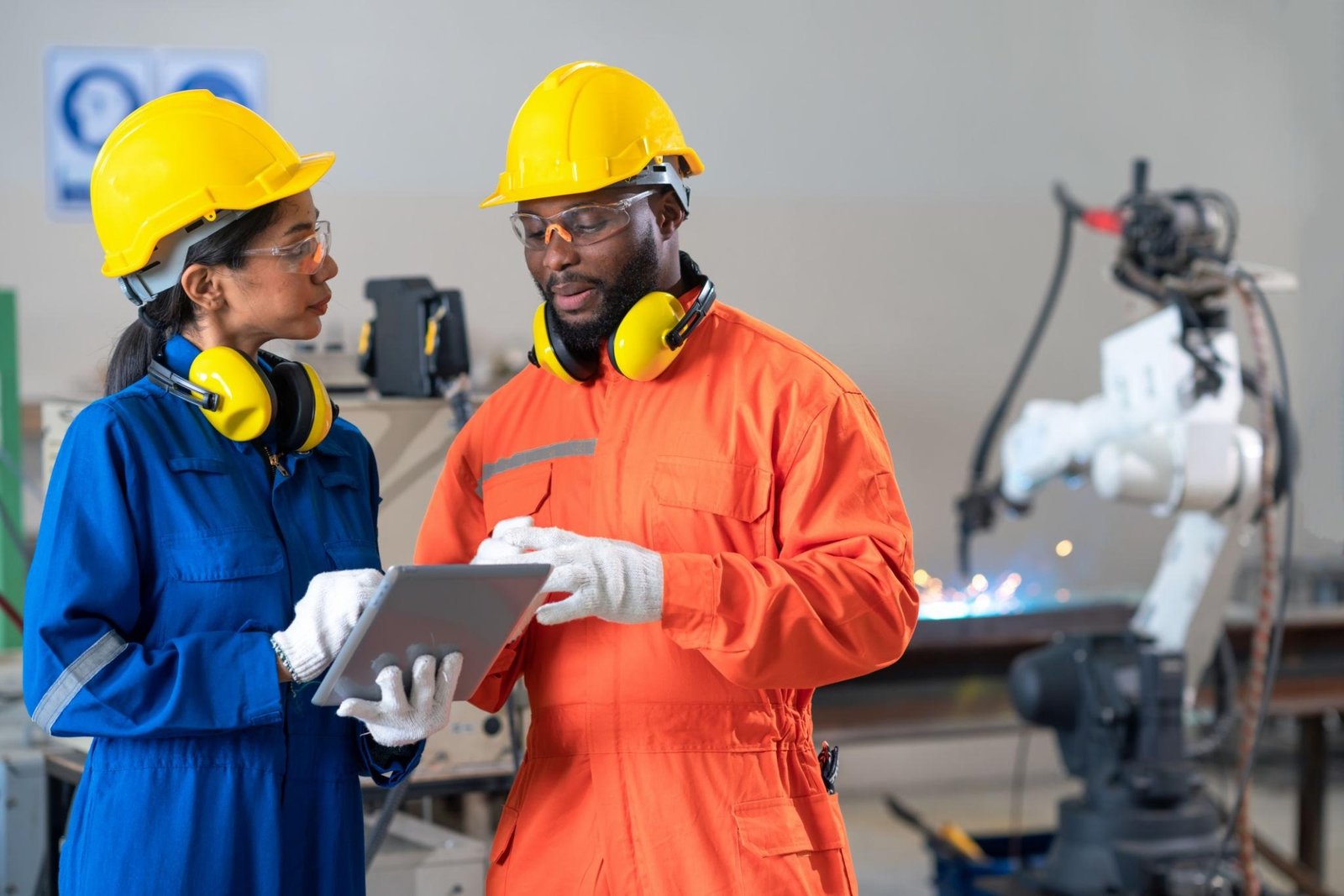
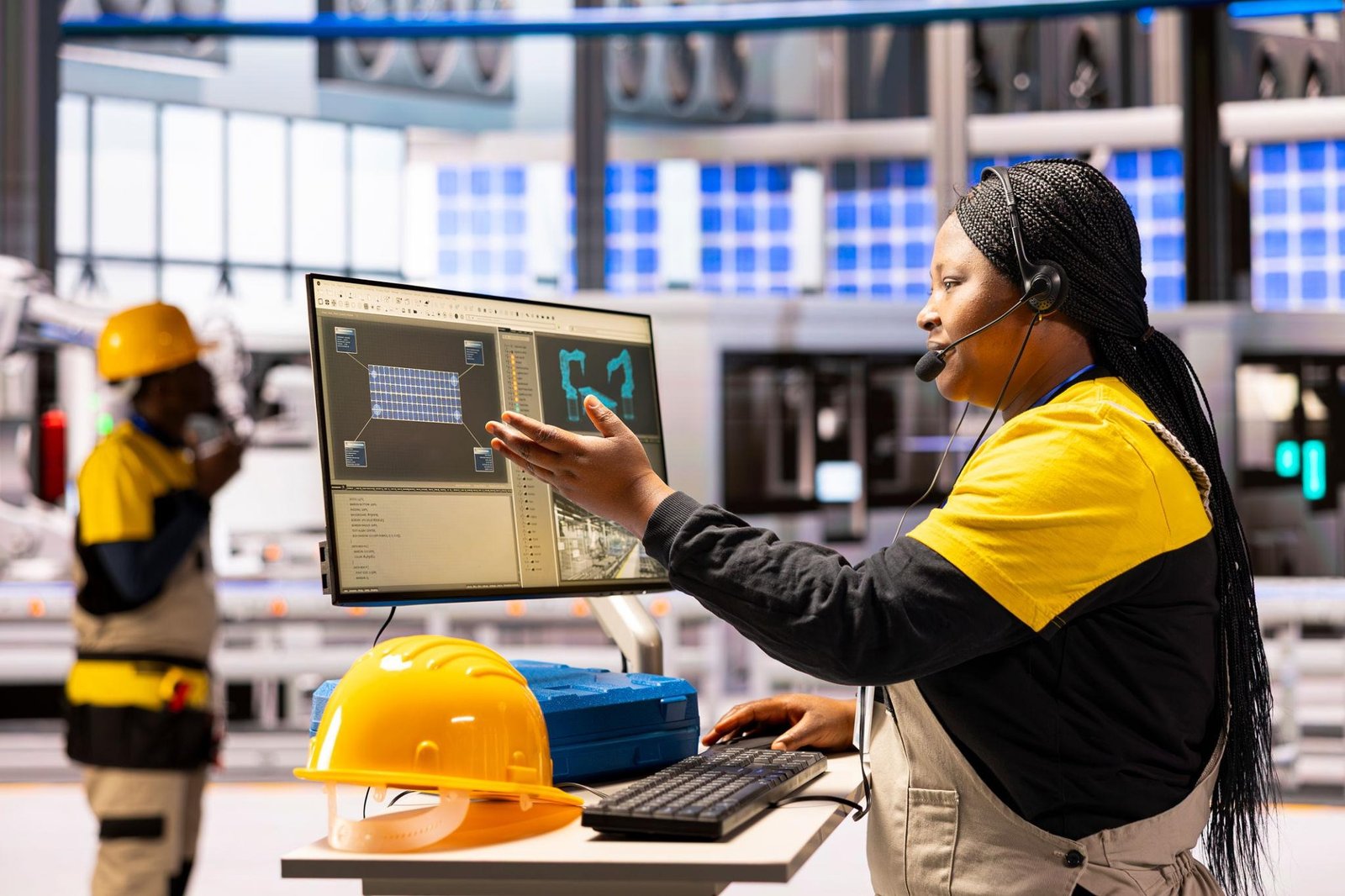
Automation can help solve operational challenges, but only when implemented with a people-first approach.
Step 1: Automate Tasks, Not Jobs
One of the biggest mistakes organizations make is viewing automation as a workforce reduction initiative.
Instead, manufacturers should focus on identifying tasks that are:
- Repetitive
- Time-consuming
- Physically demanding
- Prone to human error
For example:
A quality inspector spends several hours every day visually inspecting identical components.
AI-powered computer vision can automate repetitive inspection while allowing the inspector to focus on:
- Root cause analysis
- Process improvement
- Quality planning
The goal is not to eliminate the inspector’s role but to increase the value they contribute.
Step 2: Involve Workers Early in the Automation Journey

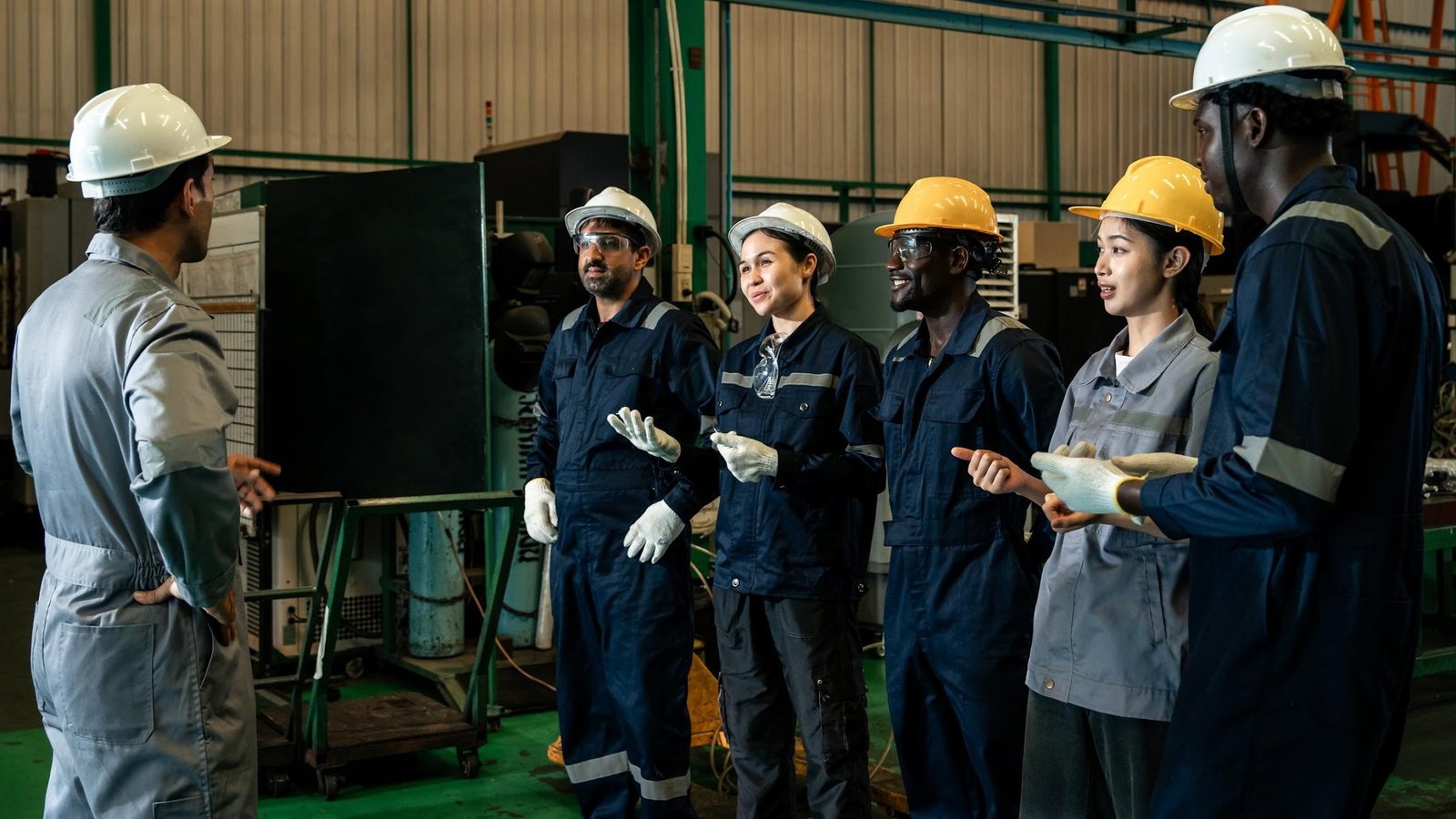

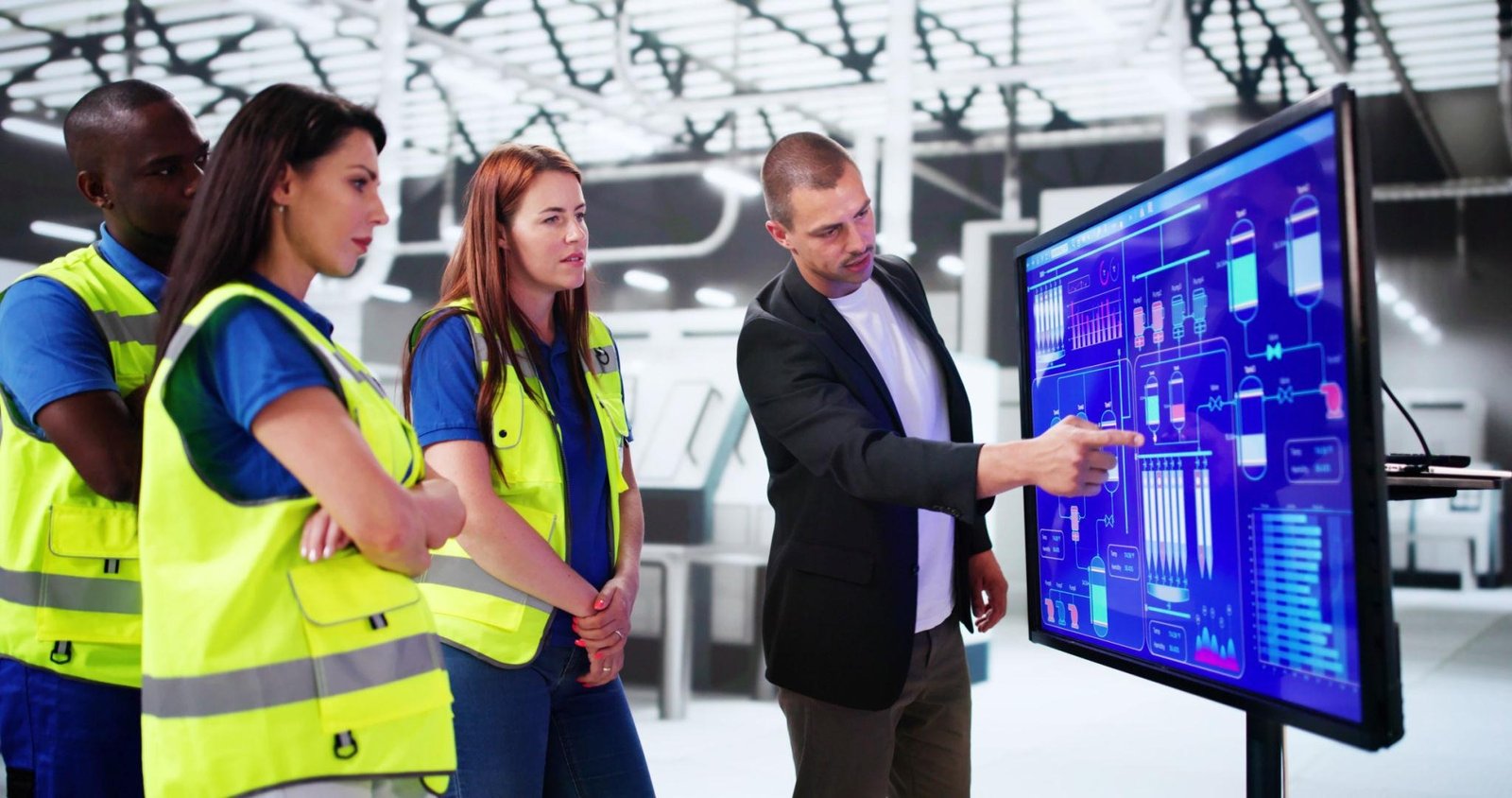

Many automation projects fail because employees see them as threats rather than opportunities.
Workers often worry about:
- Job security
- Changing responsibilities
- New technologies they do not understand
Manufacturers can address these concerns by involving employees from the beginning.
This includes:
- Explaining project objectives
- Demonstrating expected benefits
- Gathering feedback
- Including operators in pilot projects
When workers become participants rather than observers, adoption improves significantly.
Step 3: Invest in Upskilling and Reskilling
Automation changes jobs more often than it eliminates them.
As factories become smarter, demand increases for workers who can:
- Interpret data
- Operate digital systems
- Manage automated equipment
- Troubleshoot technology-enabled processes
Manufacturers should view workforce development as an essential part of automation strategy.
Training programs can focus on:
- Digital literacy
- AI-assisted decision-making
- Automation systems
- Advanced maintenance techniques
Organizations that invest in employee development often achieve higher technology adoption rates and stronger employee engagement.
Step 4: Use AI to Support Workers, Not Replace Them

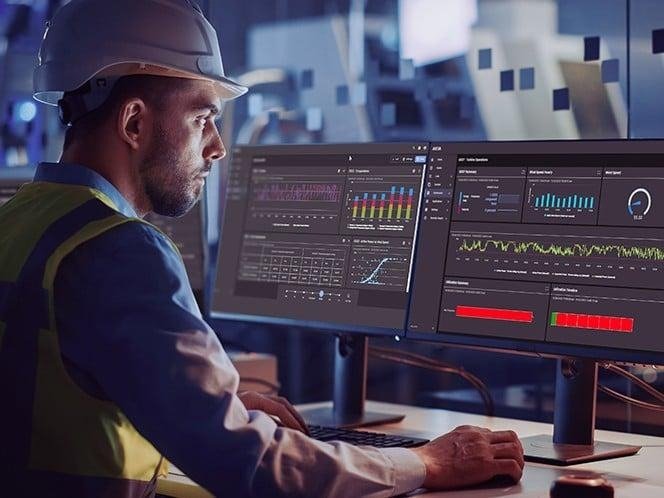
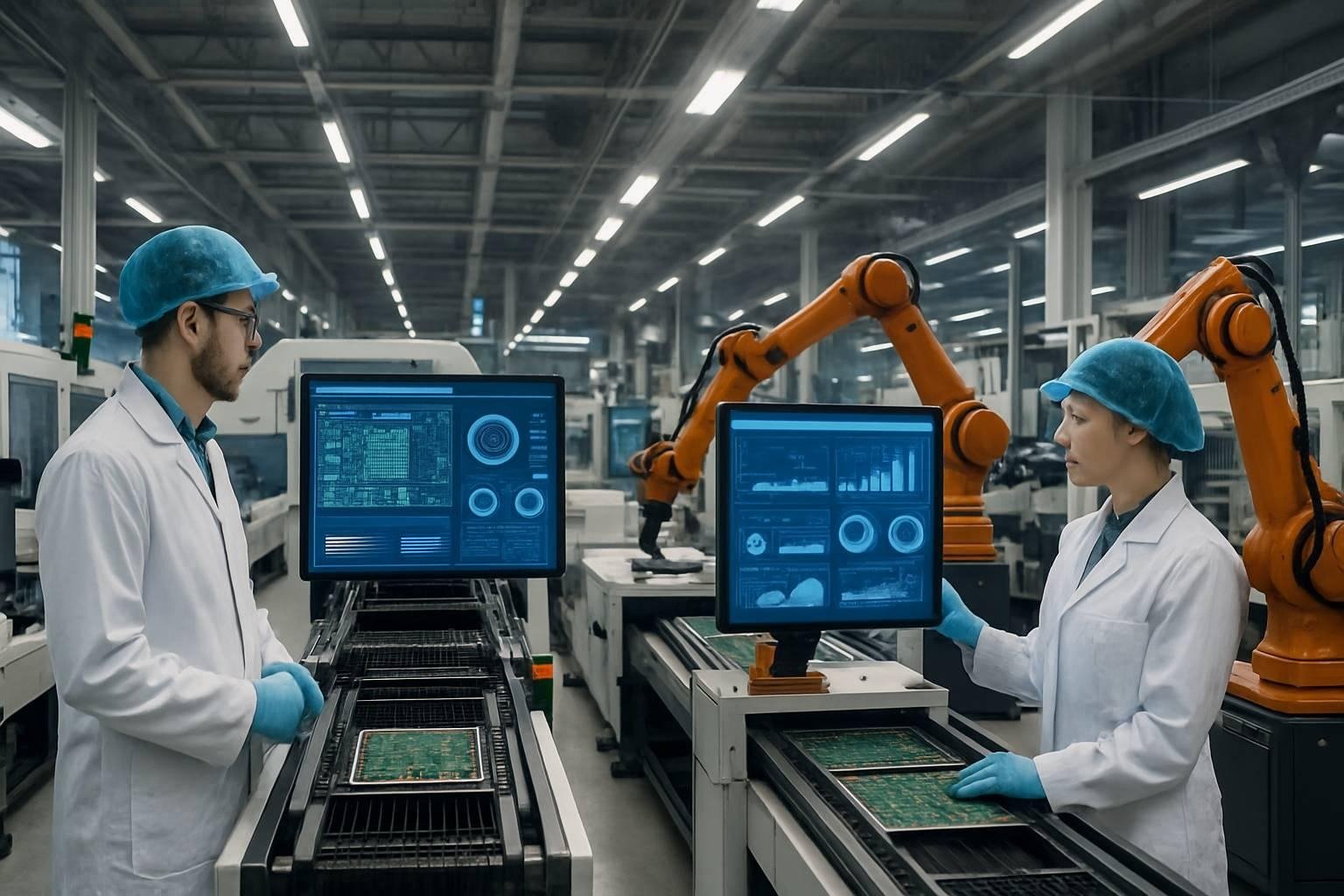
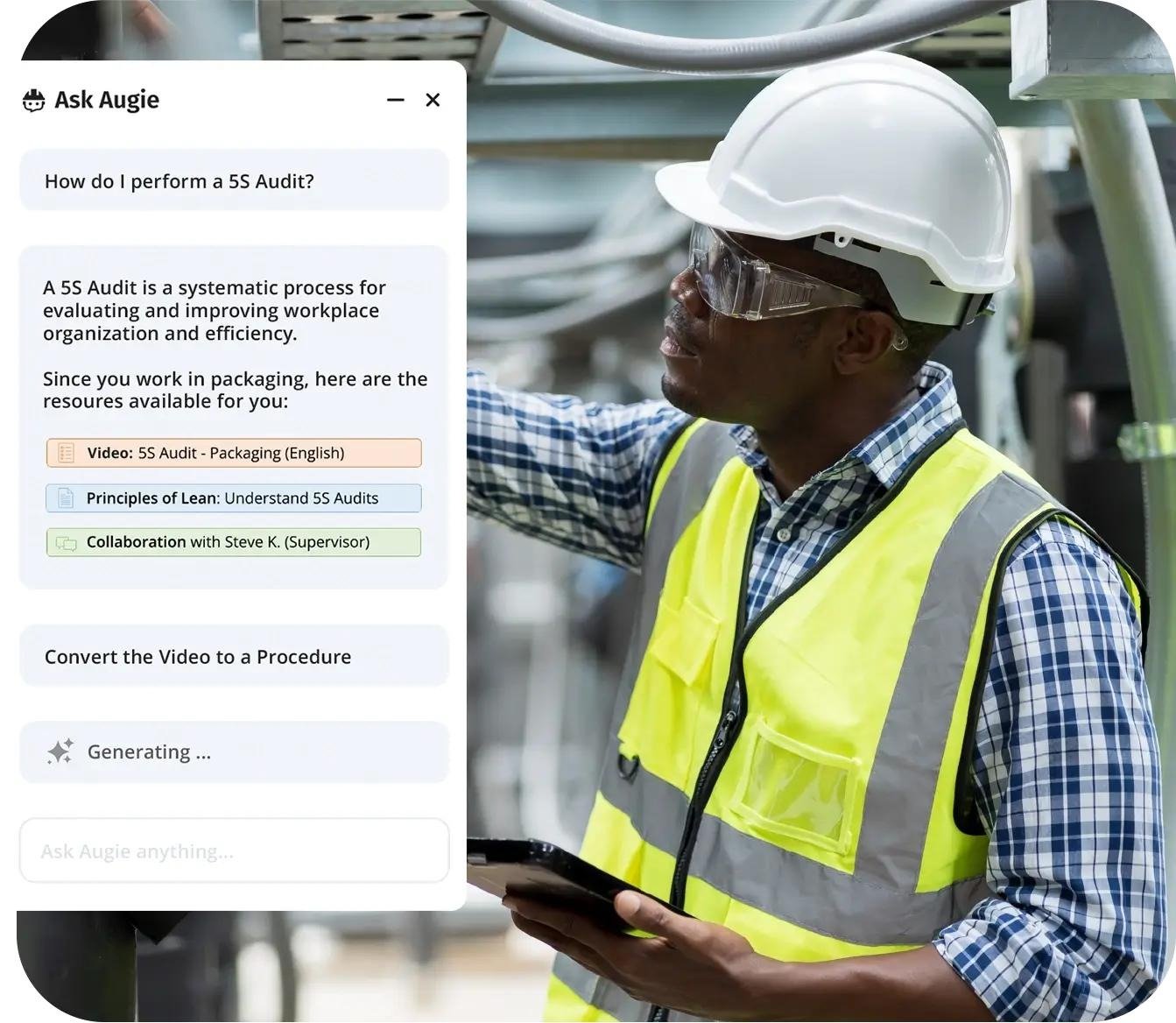
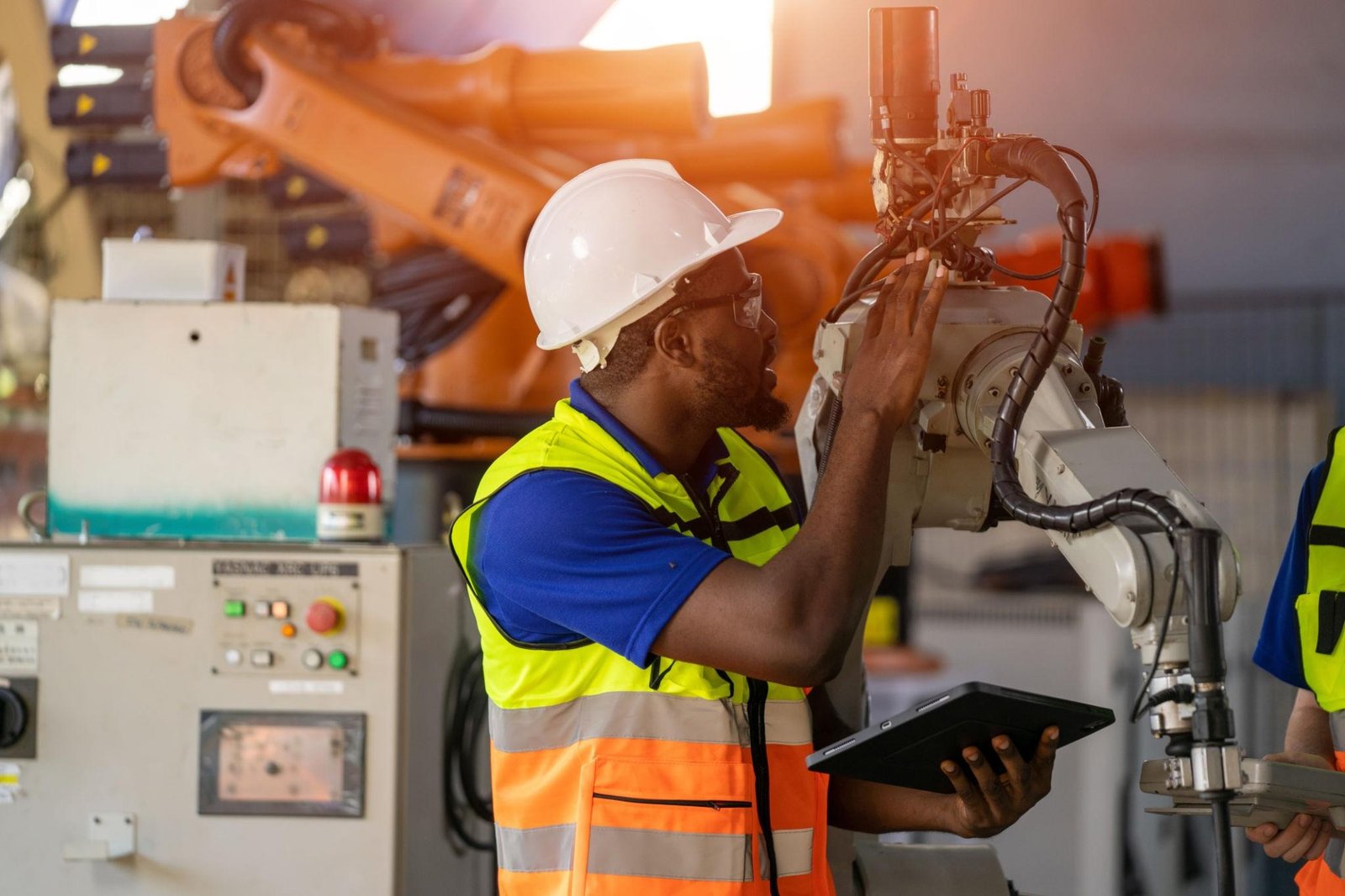
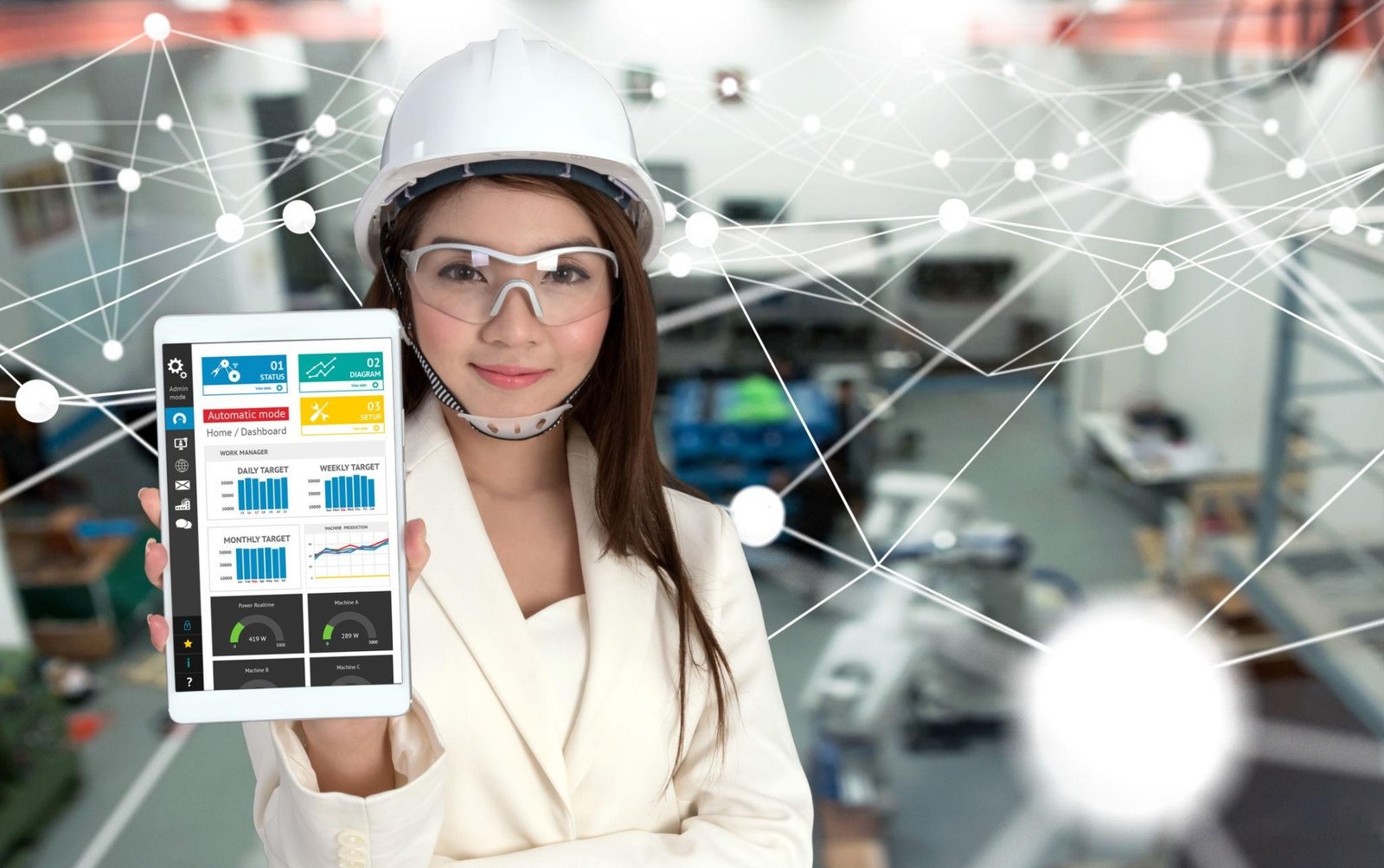
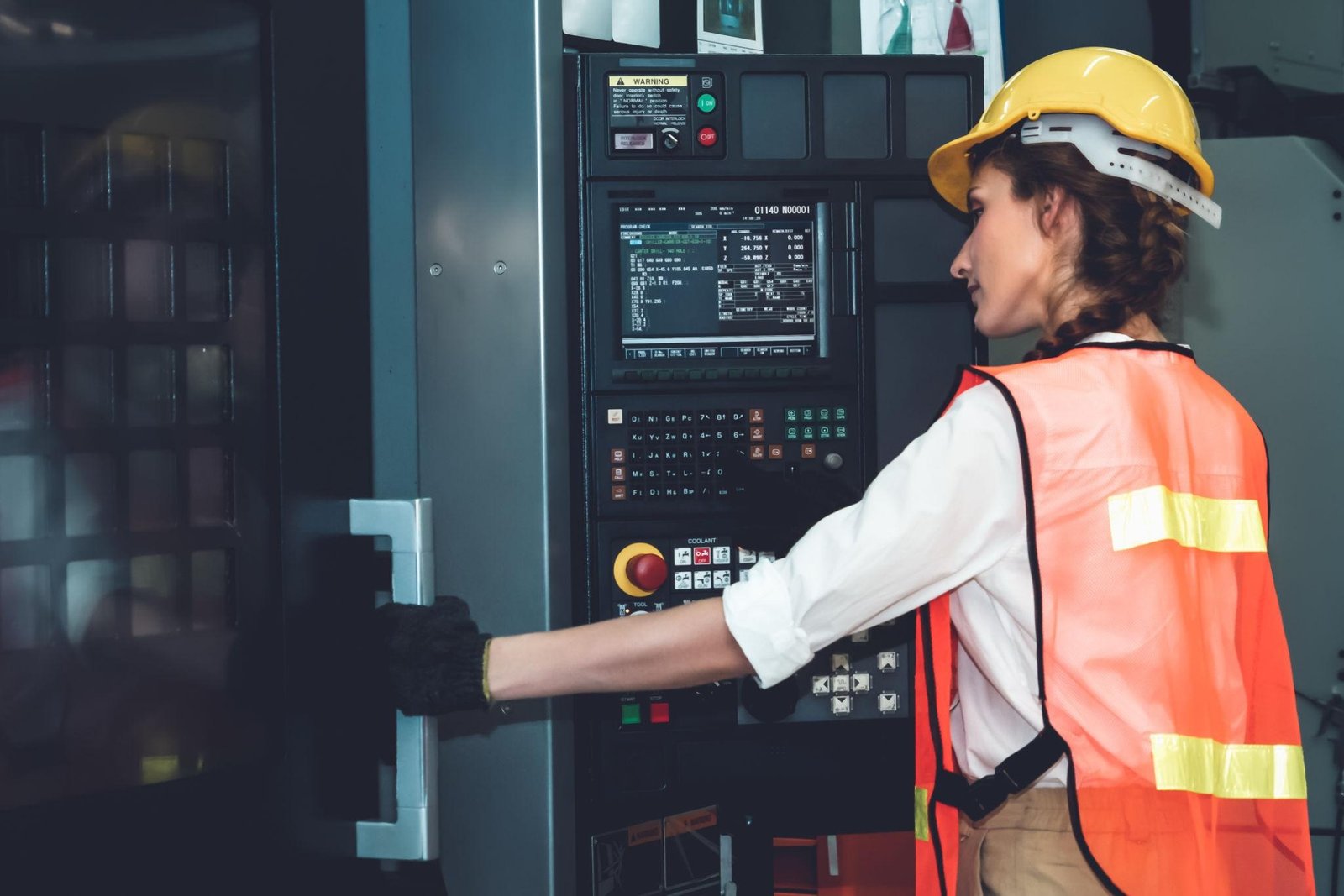
Some of the most successful AI implementations enhance human decision-making rather than automate it completely.
Examples include:
AI-Powered Maintenance Assistance
AI can alert maintenance teams to potential equipment failures before breakdown occurs.
The technician still makes the final decision, but now has better information.
Quality Recommendations
AI can identify quality trends and anomalies.
Quality engineers can then investigate and resolve root causes more effectively.
Production Insights
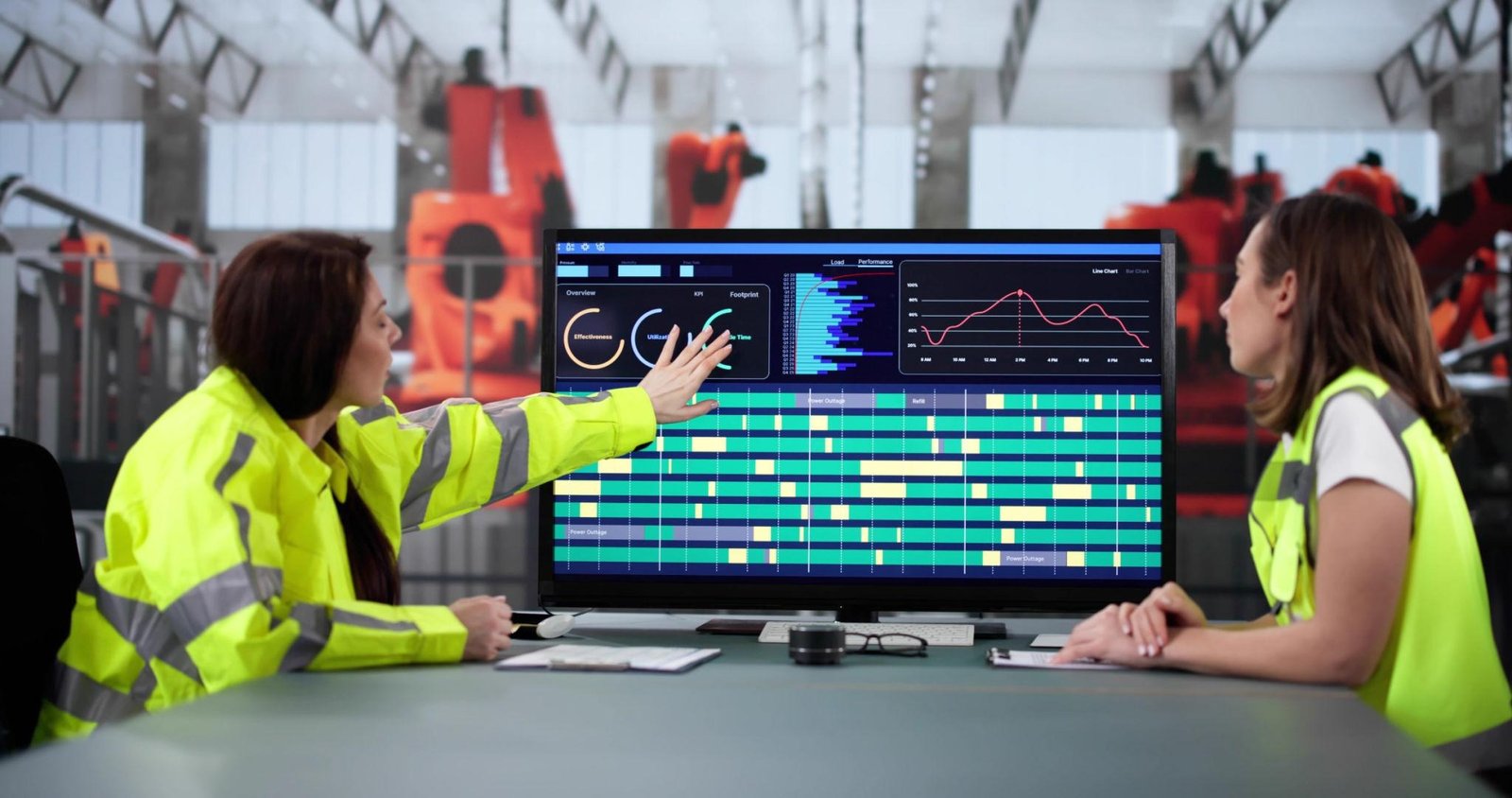
AI can analyze production data and provide recommendations to supervisors.
Managers retain control while benefiting from faster and more accurate insights.
This human-plus-AI approach often delivers better results than fully autonomous systems.
Step 5: Measure Success Beyond Cost Savings
Many automation projects focus only on labor cost reduction.
This approach often creates resistance and misses larger opportunities.
Manufacturers should also evaluate:
- Productivity improvements
- Quality enhancements
- Safety improvements
- Employee satisfaction
- Skill development
- Reduced turnover
For example:
A collaborative robot may not reduce headcount, but it may:
- Improve worker safety
- Increase output
- Reduce fatigue
- Improve product consistency
These outcomes often generate far greater long-term value.
What Successful Factories Are Doing Differently
Leading manufacturers increasingly view automation as a workforce transformation strategy rather than a workforce replacement strategy.
They are using technology to:
- Remove repetitive work
- Improve safety
- Enhance decision-making
- Increase productivity
- Create higher-skilled roles
As a result, they are building more resilient and future-ready organizations.
Common Mistakes to Avoid
Treating Automation as a Cost-Cutting Exercise
When automation is positioned solely as a cost-reduction initiative, workforce resistance often increases.
Ignoring Change Management
Technology adoption requires communication, training, and leadership support.
Without these elements, even good technology can fail.
Underestimating Workforce Knowledge
Operators and technicians often possess valuable process knowledge.
Excluding them from automation initiatives can lead to poor implementation decisions.
Failing to Invest in Skills
Automation without workforce development creates capability gaps that limit long-term success.
The manAIhub Approach
At manAIhub, workforce augmentation is one of our six strategic manufacturing tracks.
We believe technology should enhance human capability rather than replace it.
Through collaboration between:
- Plant Leaders and CXOs
- Engineers and Quality Heads
- Data and AI Experts
- Solution Providers
- Academia and Trade Associations
manufacturers can develop practical strategies that balance productivity improvements with workforce empowerment.
The goal is not simply smarter factories.
The goal is smarter factories powered by empowered people.
Final Thought
The future of manufacturing will not be built by humans alone or machines alone.
It will be built through effective collaboration between the two.
Factories that successfully combine automation with workforce development will create stronger operations, better employee engagement, and sustainable competitive advantages.
Bottom Line
Balancing automation and workers is not about choosing one over the other.
It is about using technology to eliminate repetitive work, improve safety, enhance decision-making, and create opportunities for employees to contribute at a higher level.
The manufacturers that master this balance will be the leaders of the next industrial era.