
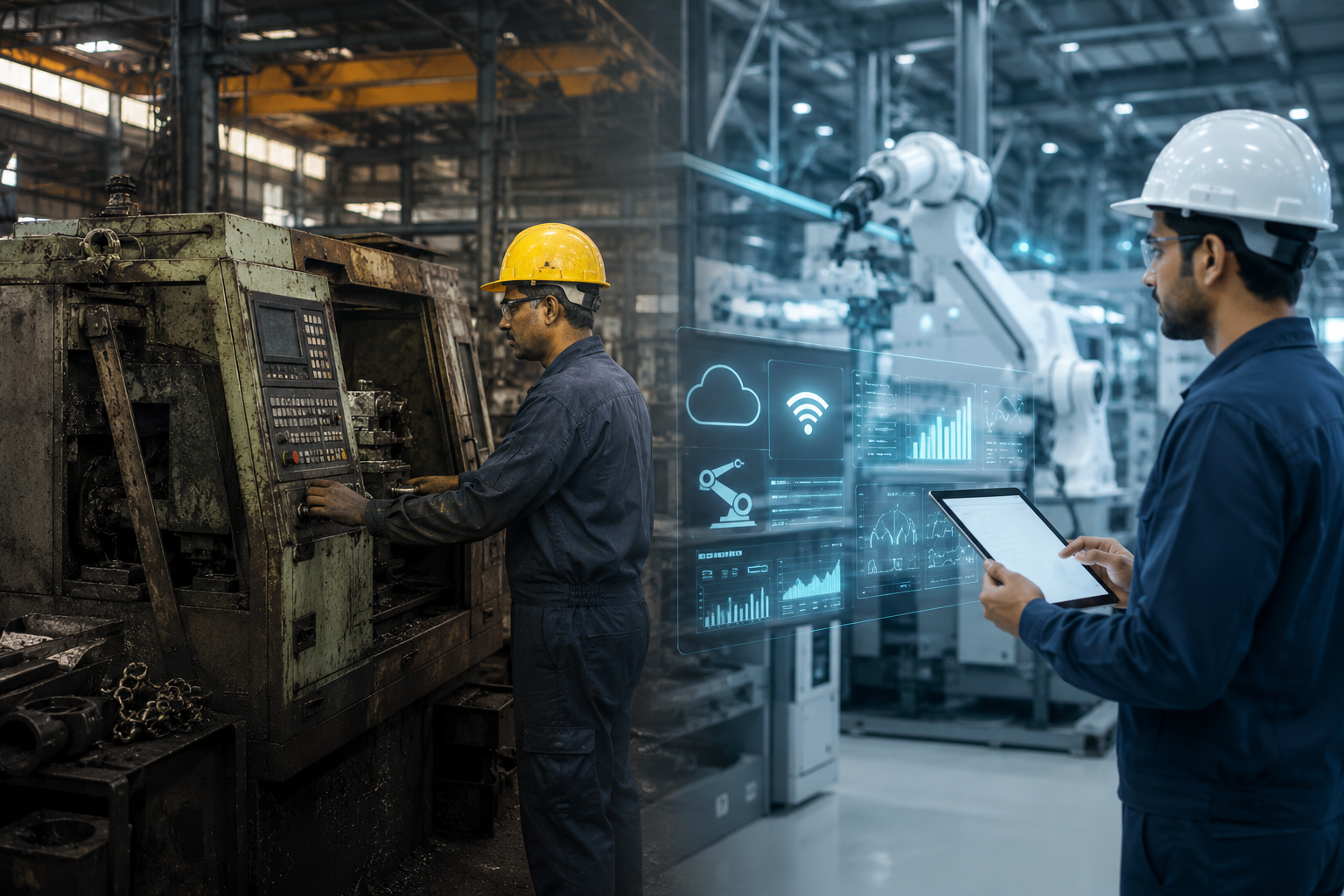
A manAIhub Perspective
Artificial Intelligence is transforming manufacturing worldwide. From predictive maintenance and quality inspection to production optimization and energy management, AI is helping factories become more efficient, productive, and competitive.
However, there is one concern we hear repeatedly from manufacturing leaders across India:
“Our machines are 10, 15, or even 20 years old. Can AI still work for us?”
The good news is that the answer is yes.
Many Indian factories operate with legacy equipment that was installed long before Industry 4.0, IoT, or AI became mainstream. Replacing entire production lines is often financially impractical, especially for MSMEs.
The challenge is not the age of the machine.
The challenge is finding the right way to connect old equipment with modern technologies.
At manAIhub, we believe AI adoption should be practical, scalable, and aligned with the realities of Indian manufacturing.
Why Legacy Machines Are Common in Indian Manufacturing
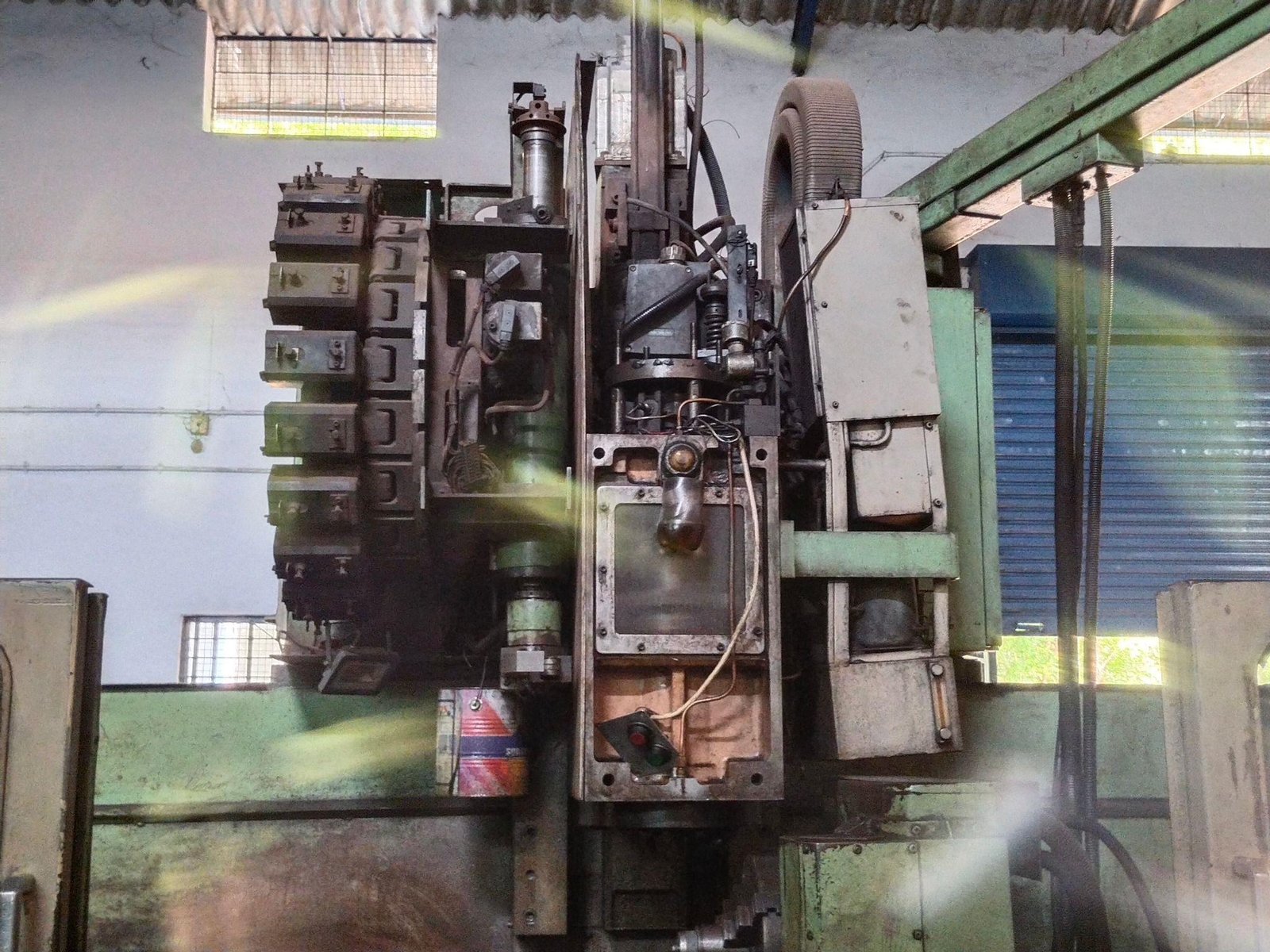
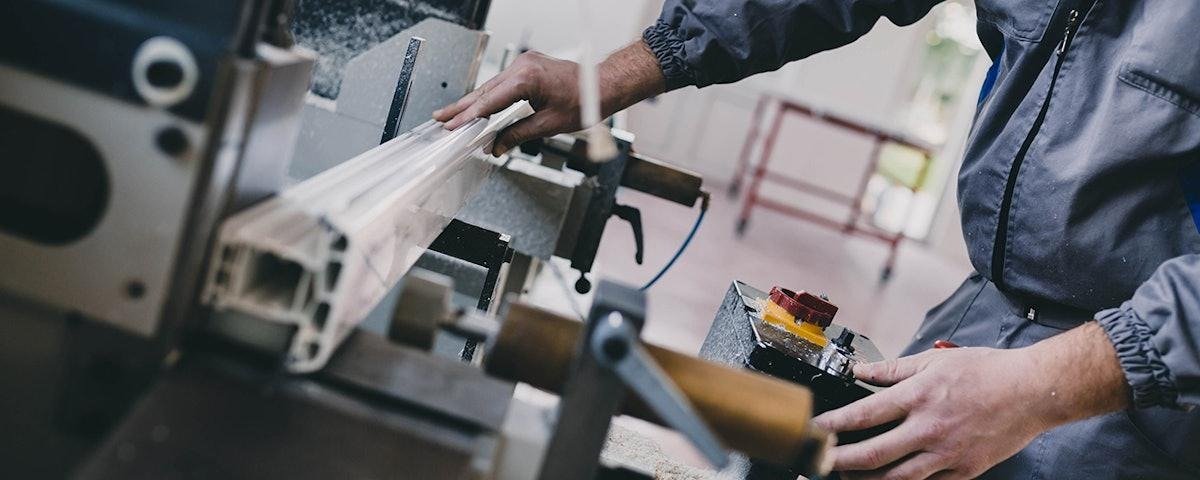
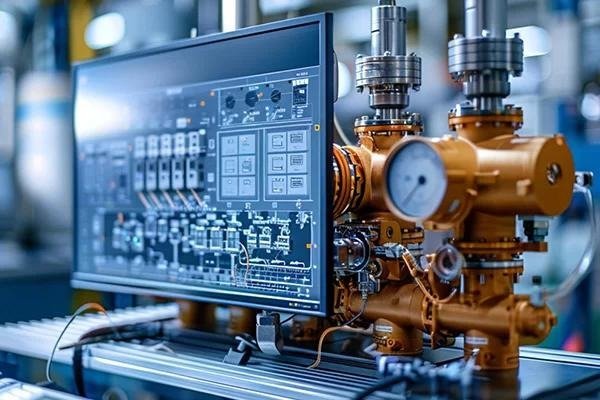
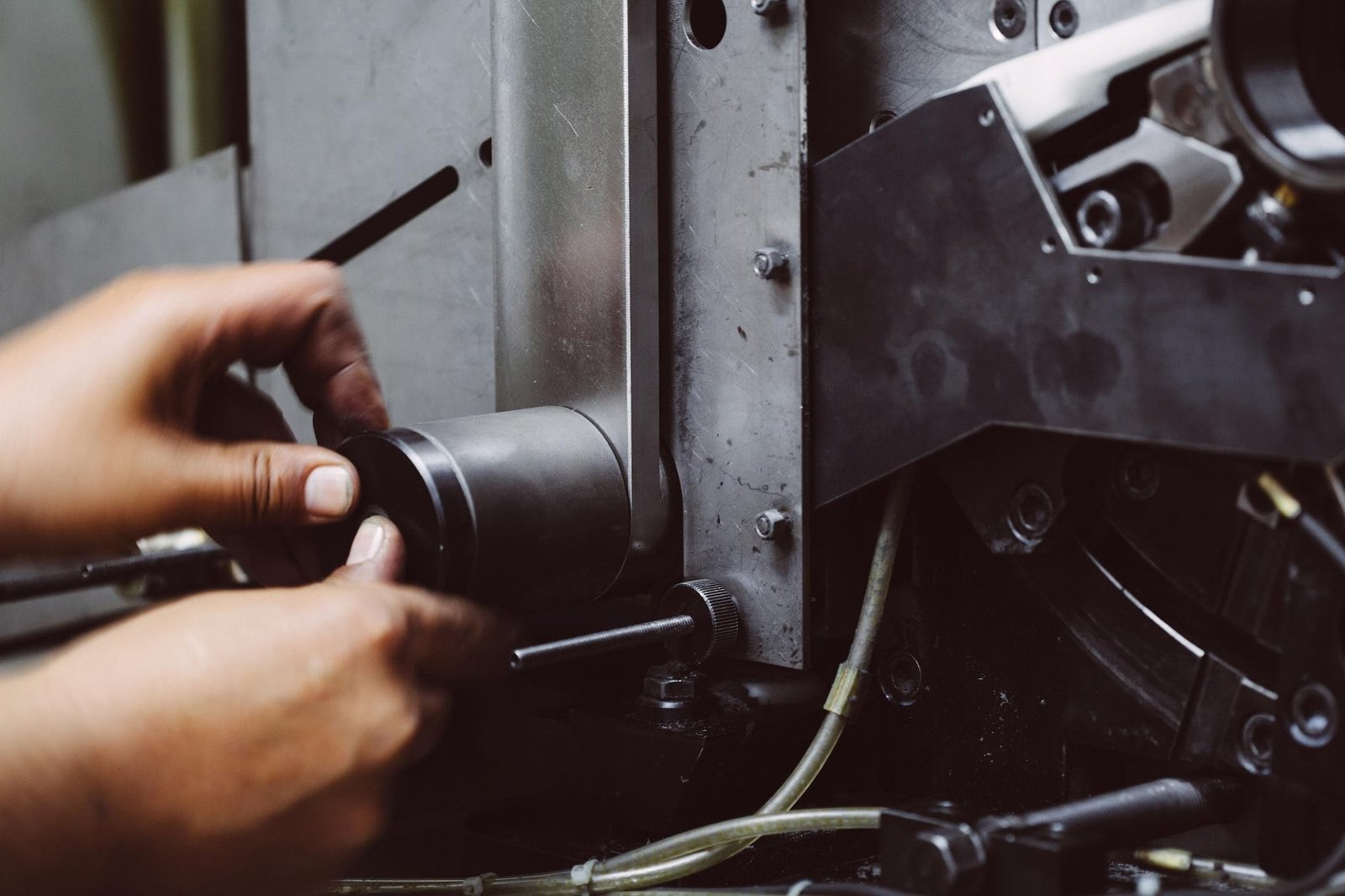
Many factories continue using older equipment because:
- Machines are still operational and productive
- Replacement costs are extremely high
- Production cannot be interrupted for long periods
- Equipment has years of useful life remaining
- Capital expenditure budgets are limited
For many manufacturers, extracting more value from existing assets makes better business sense than replacing them entirely.
The Biggest Challenges of Applying AI to Old Machines
1. Lack of Digital Data
Most older machines were never designed to generate digital information.
Unlike modern equipment, they often lack:
- Sensors
- Connectivity modules
- Built-in monitoring systems
- Network interfaces
Without operational data, AI has little information to analyze.
This is one of the biggest barriers to AI adoption in legacy environments.
2. Machines Cannot Connect to Modern Systems
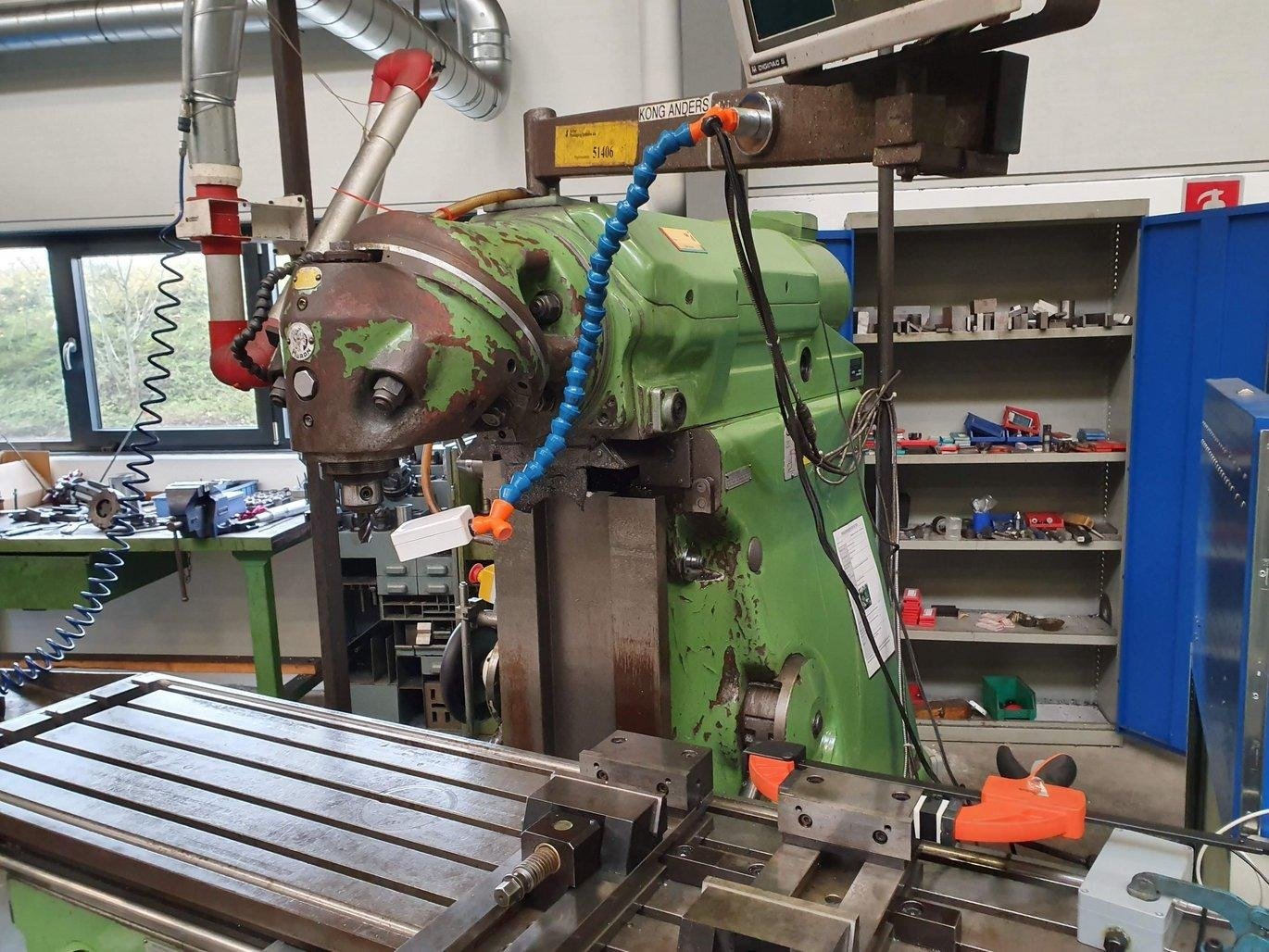
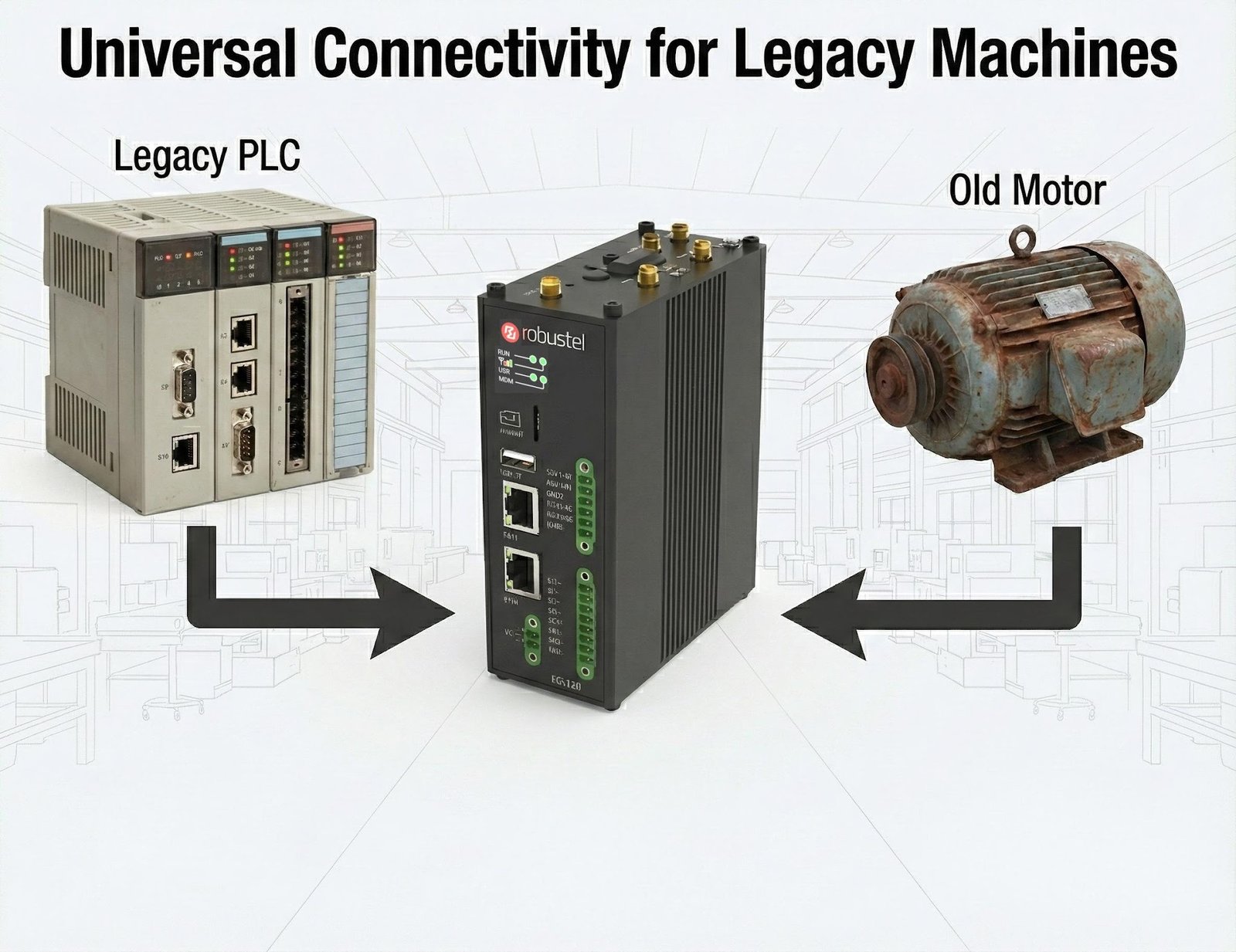
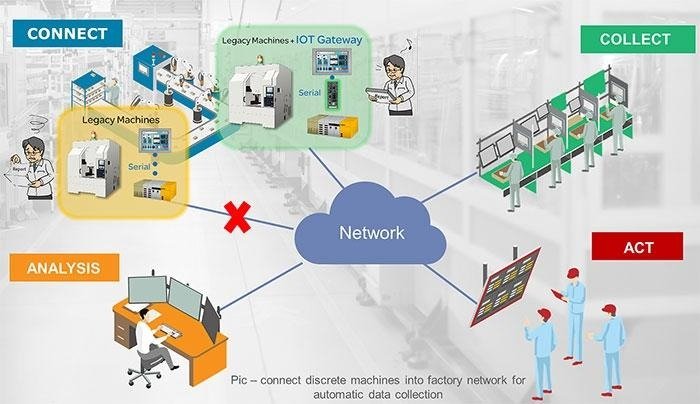
Many older machines cannot communicate directly with:
- ERP systems
- MES platforms
- Cloud applications
- AI analytics solutions
As a result, valuable machine information remains trapped inside isolated systems or manual records.
This creates significant visibility gaps.
3. Manual Data Collection
In many plants, machine performance is still tracked using:
- Logbooks
- Paper records
- Excel sheets
- Manual operator reporting
Manual processes often lead to:
- Data entry errors
- Missing information
- Delayed reporting
- Inconsistent records
AI requires timely and reliable information to generate accurate insights.
4. Inconsistent Machine Performance Data
Older equipment often lacks standardized operating parameters.
Different machines may:
- Measure performance differently
- Use different control systems
- Produce inconsistent outputs
This makes it difficult to create a unified view of plant operations.
Without standardization, scaling AI initiatives becomes challenging.
5. Fear of High Upgrade Costs
Many manufacturers assume that AI requires:
- New production lines
- Expensive automation projects
- Complete factory modernization
As a result, they delay AI adoption because they believe the investment will be too large.
In reality, many AI projects can begin without replacing existing equipment.
5 Practical Solutions for Using AI on Legacy Machines
Solution 1: Retrofit Existing Equipment with Sensors
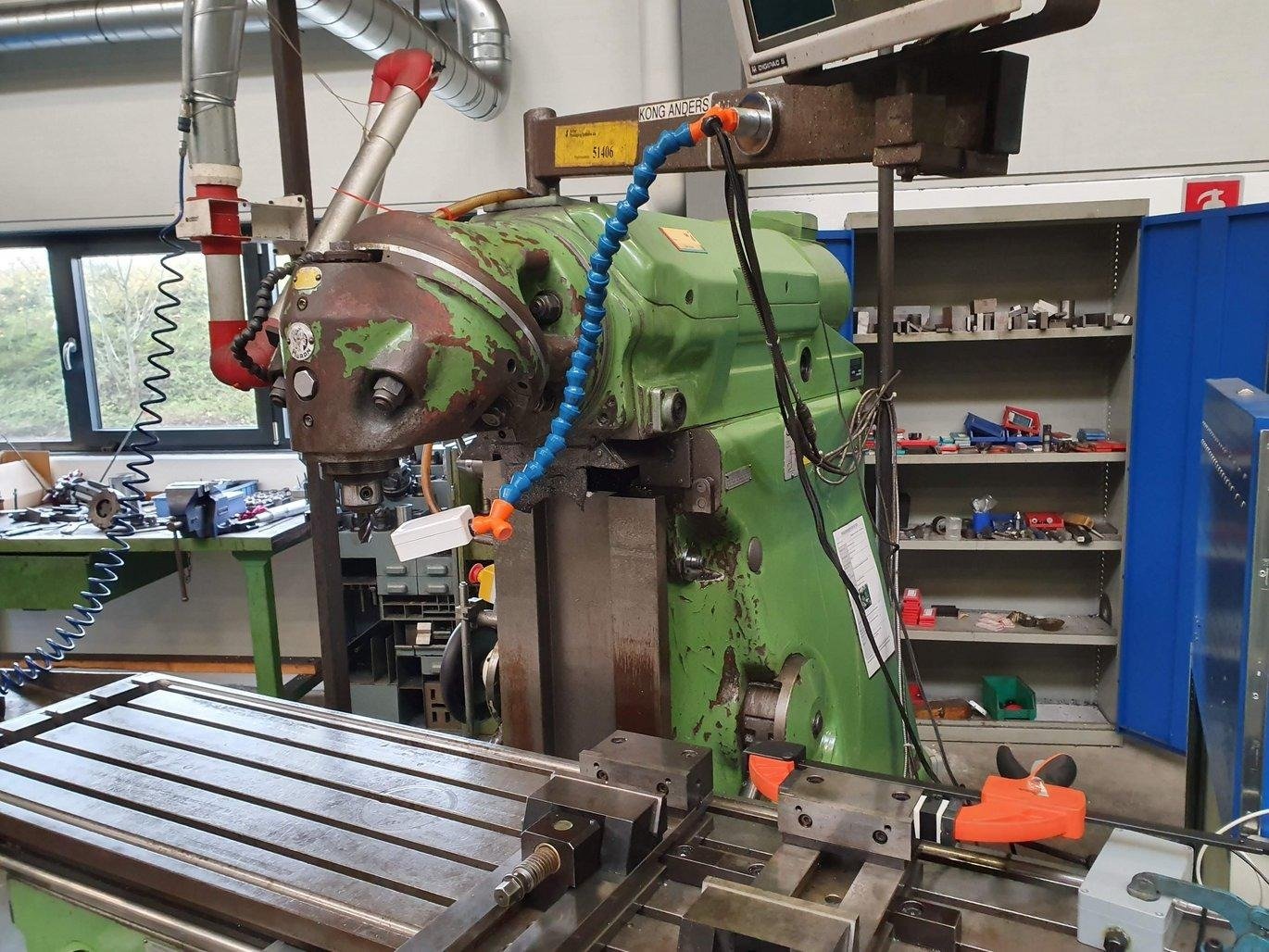
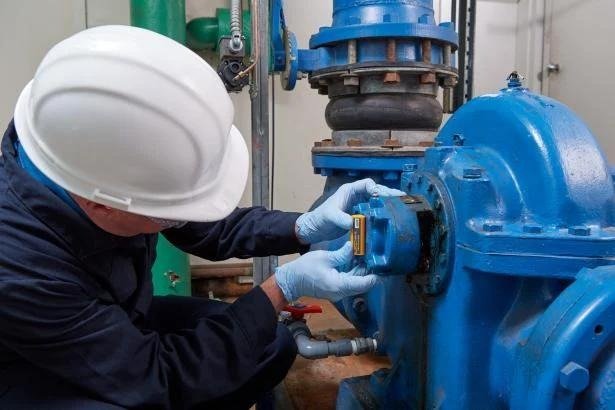
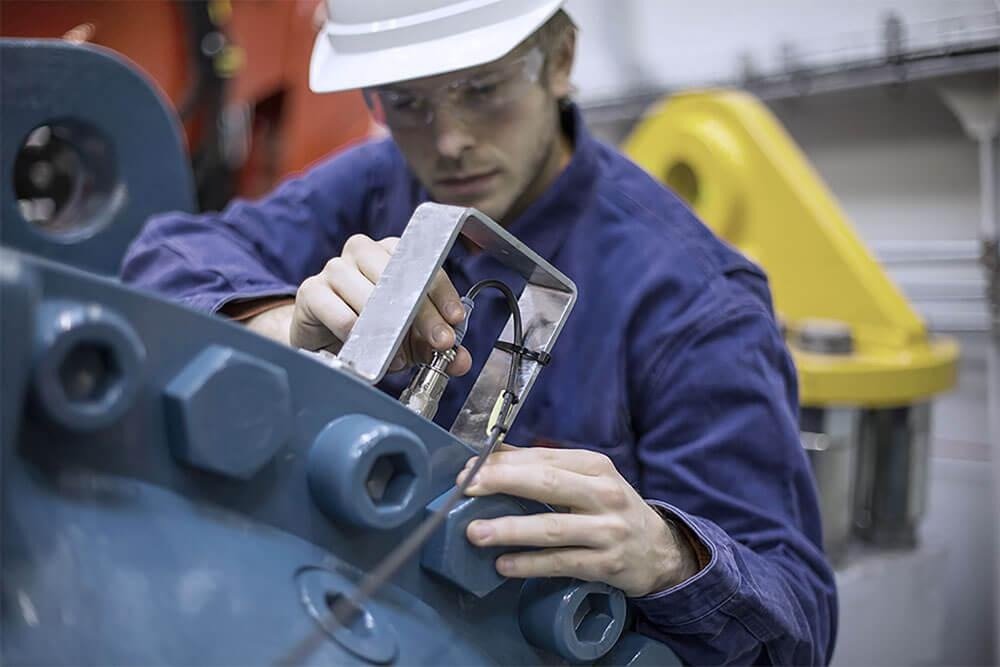
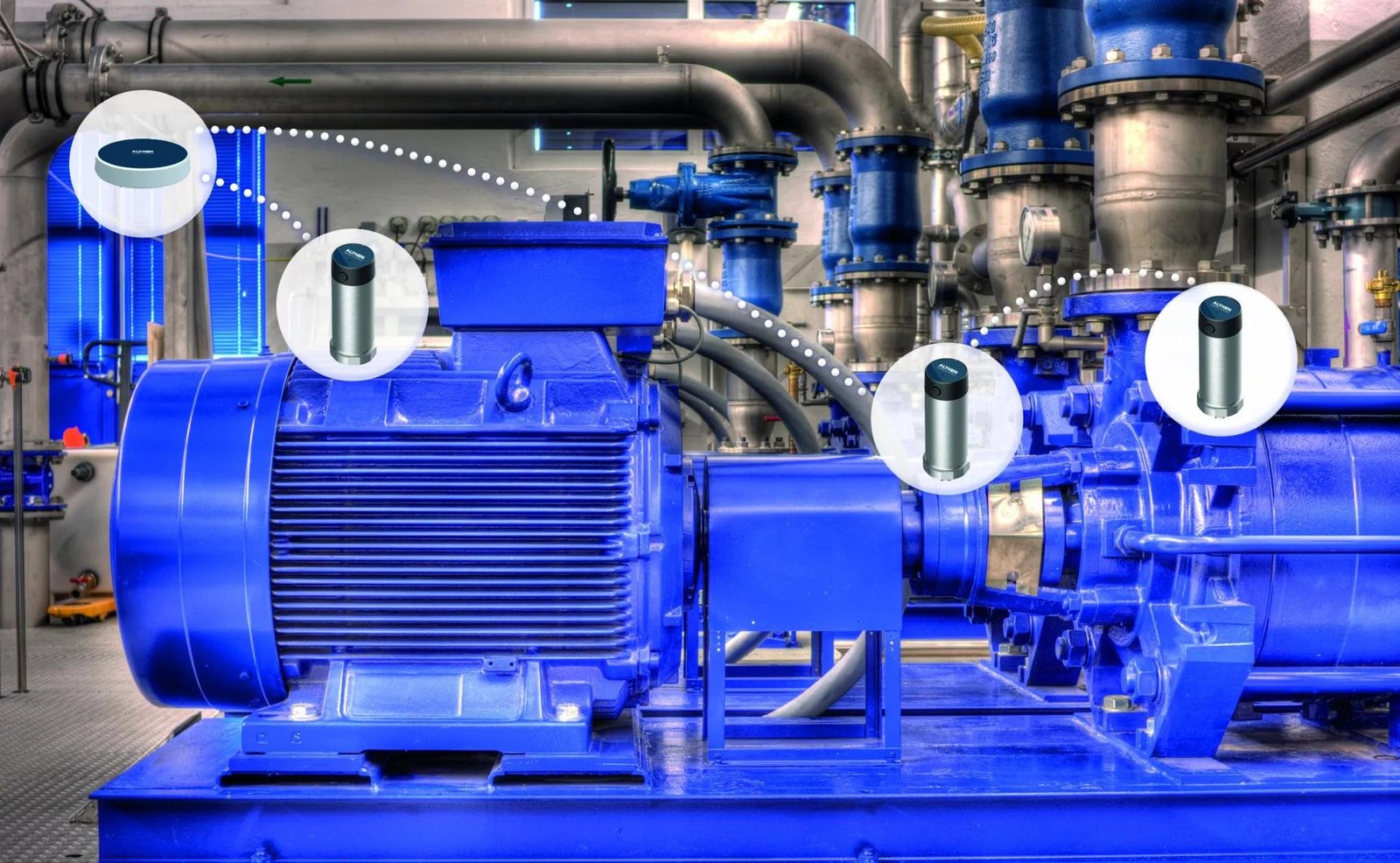
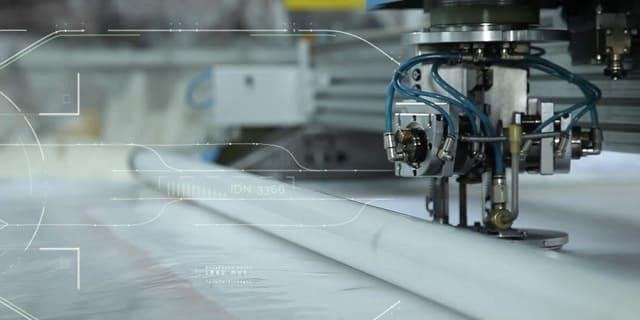
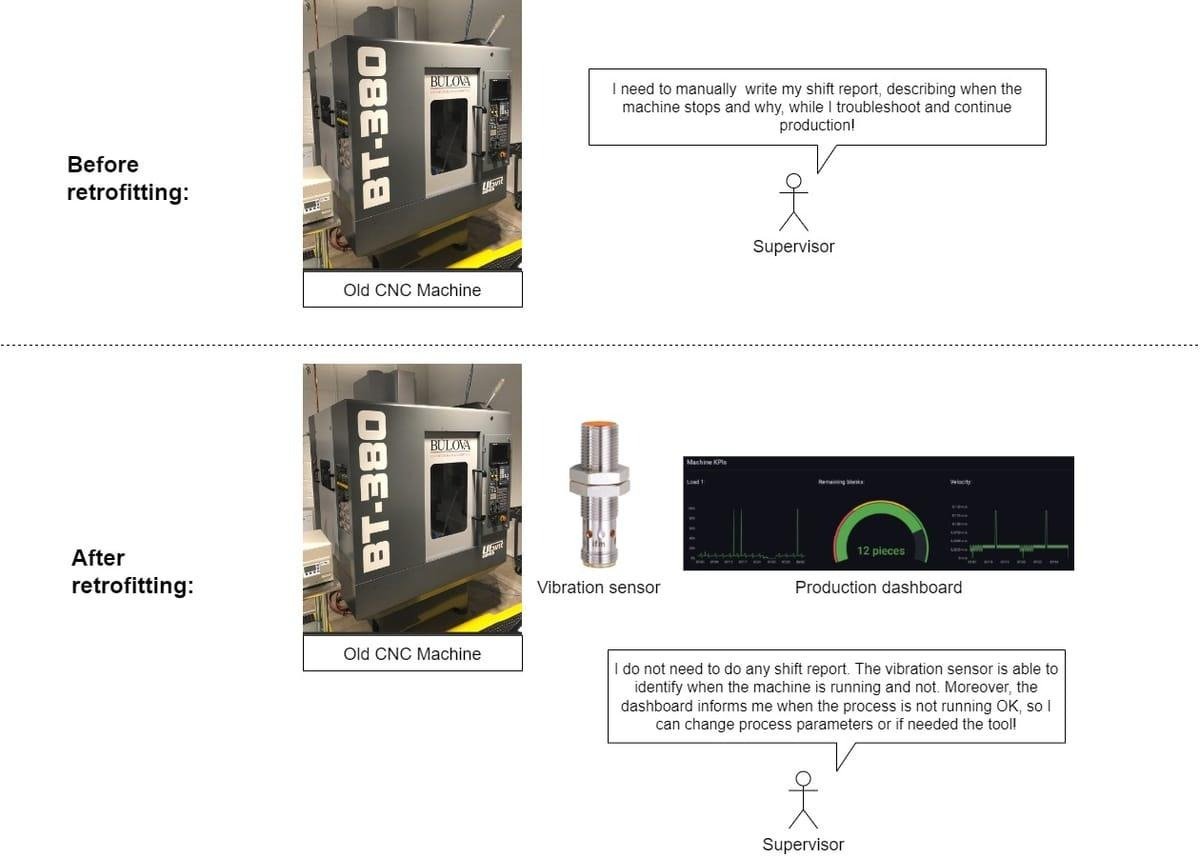
One of the most effective approaches is retrofitting.
Manufacturers can install external sensors to capture:
- Vibration
- Temperature
- Pressure
- Energy consumption
- Machine runtime
This creates a digital layer around existing equipment without requiring machine replacement.
These sensors provide the data AI systems need for analysis.
Solution 2: Start with Machine Monitoring
Before implementing advanced AI, manufacturers should focus on visibility.
Machine monitoring systems can provide insights into:
- Downtime
- Utilization
- Production performance
- Energy usage
Many factories discover significant operational improvement opportunities simply by making machine performance visible.
Visibility often creates immediate value.
Solution 3: Use Edge Devices for Data Collection
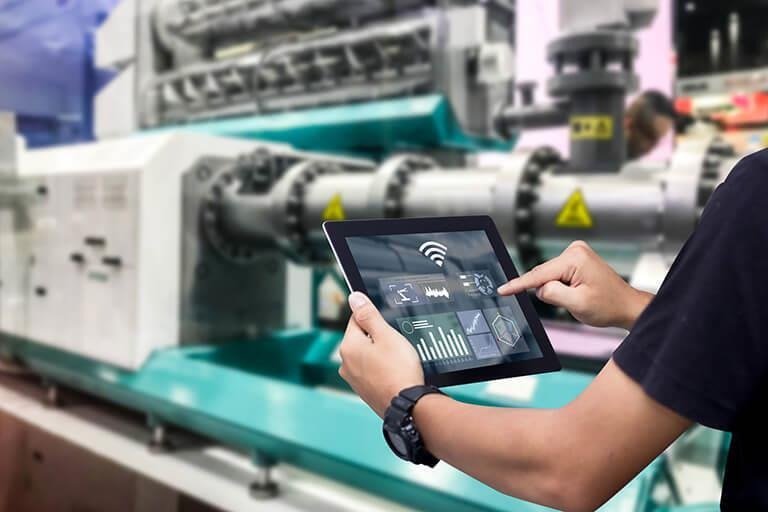
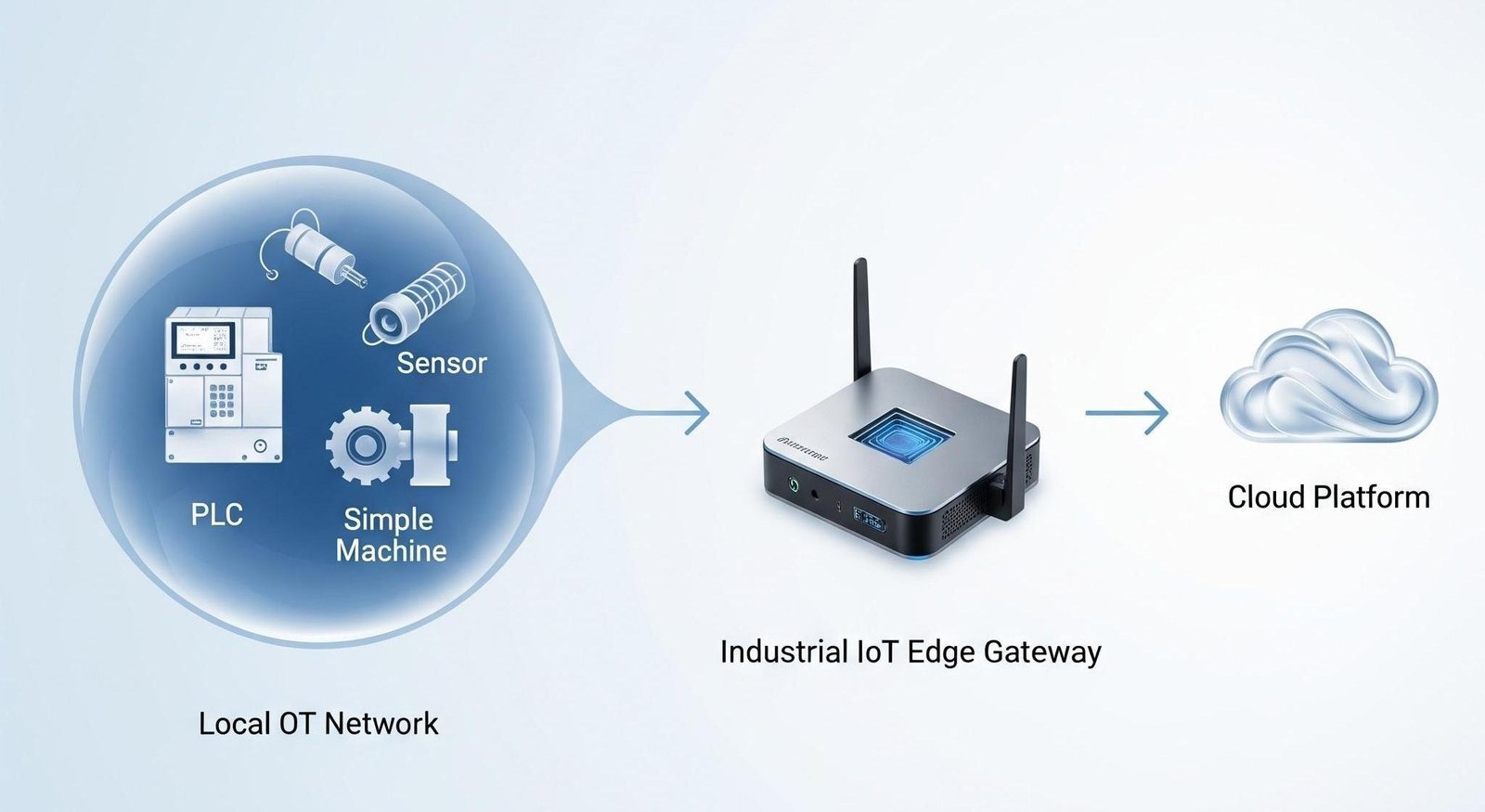
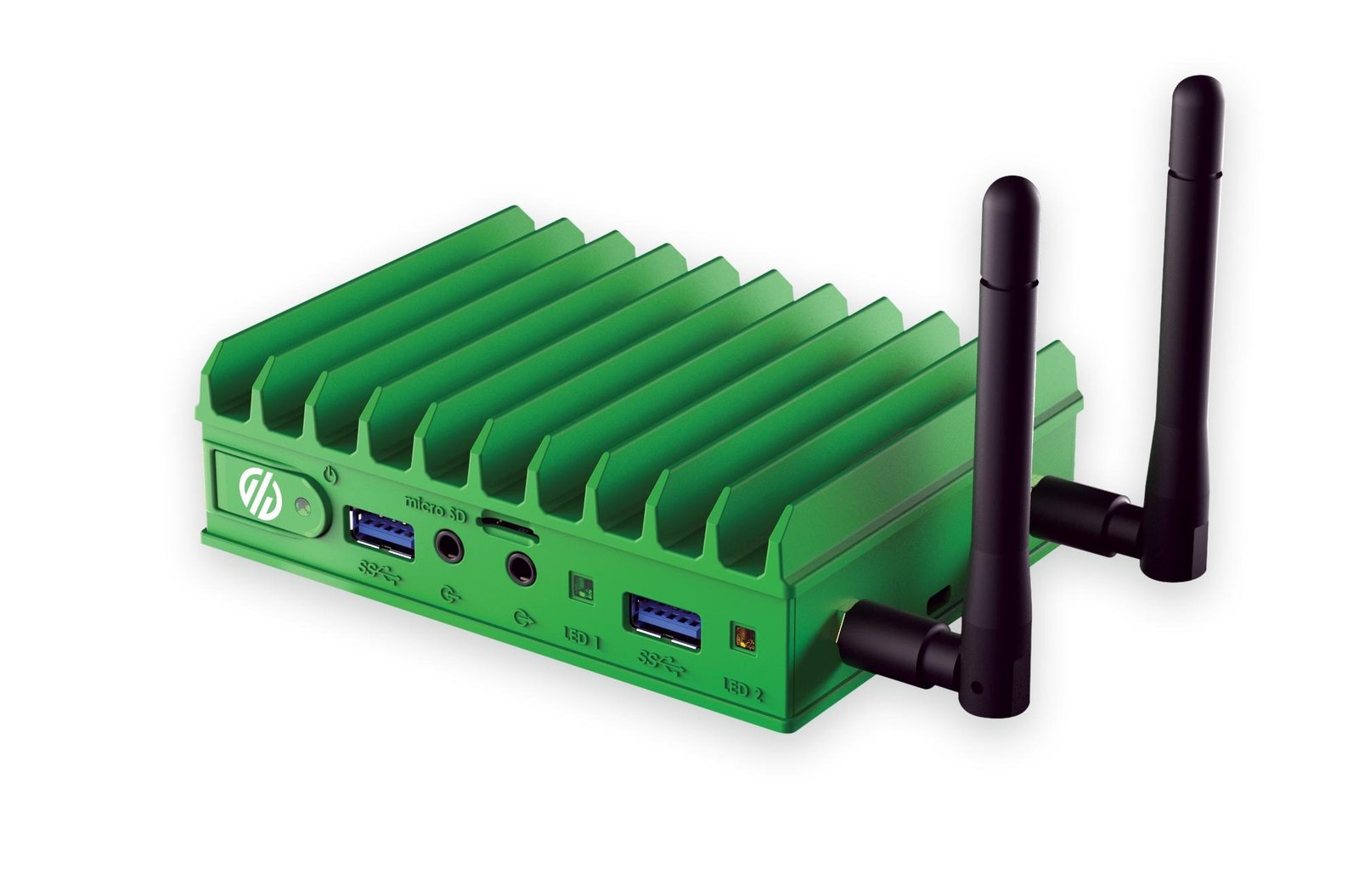

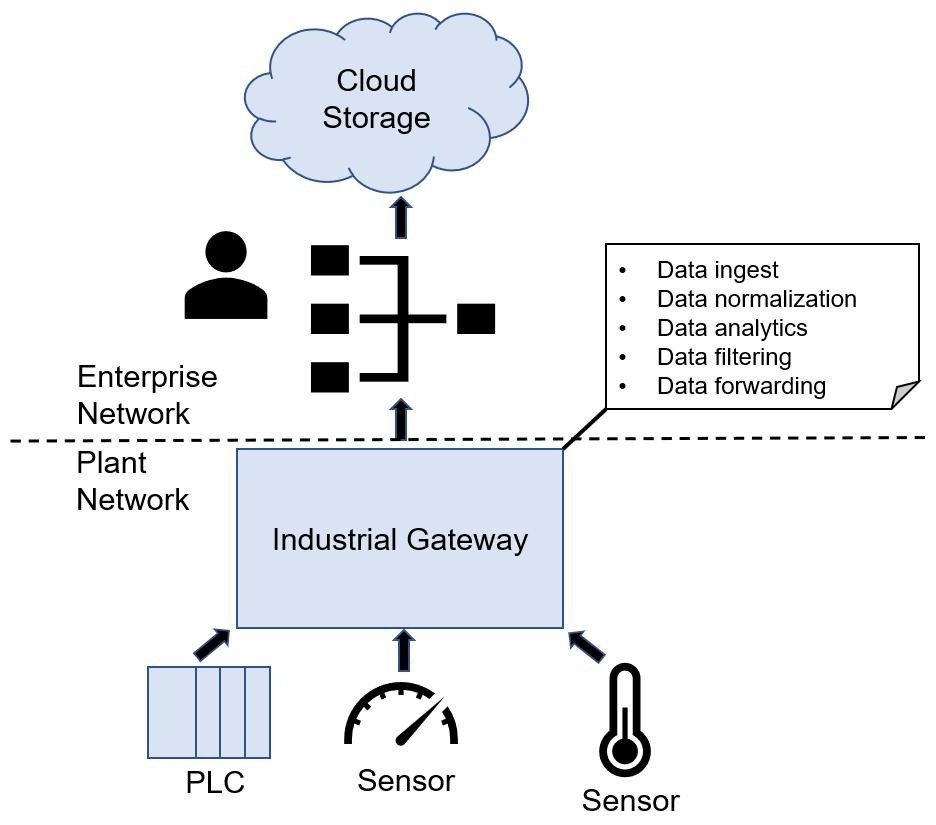
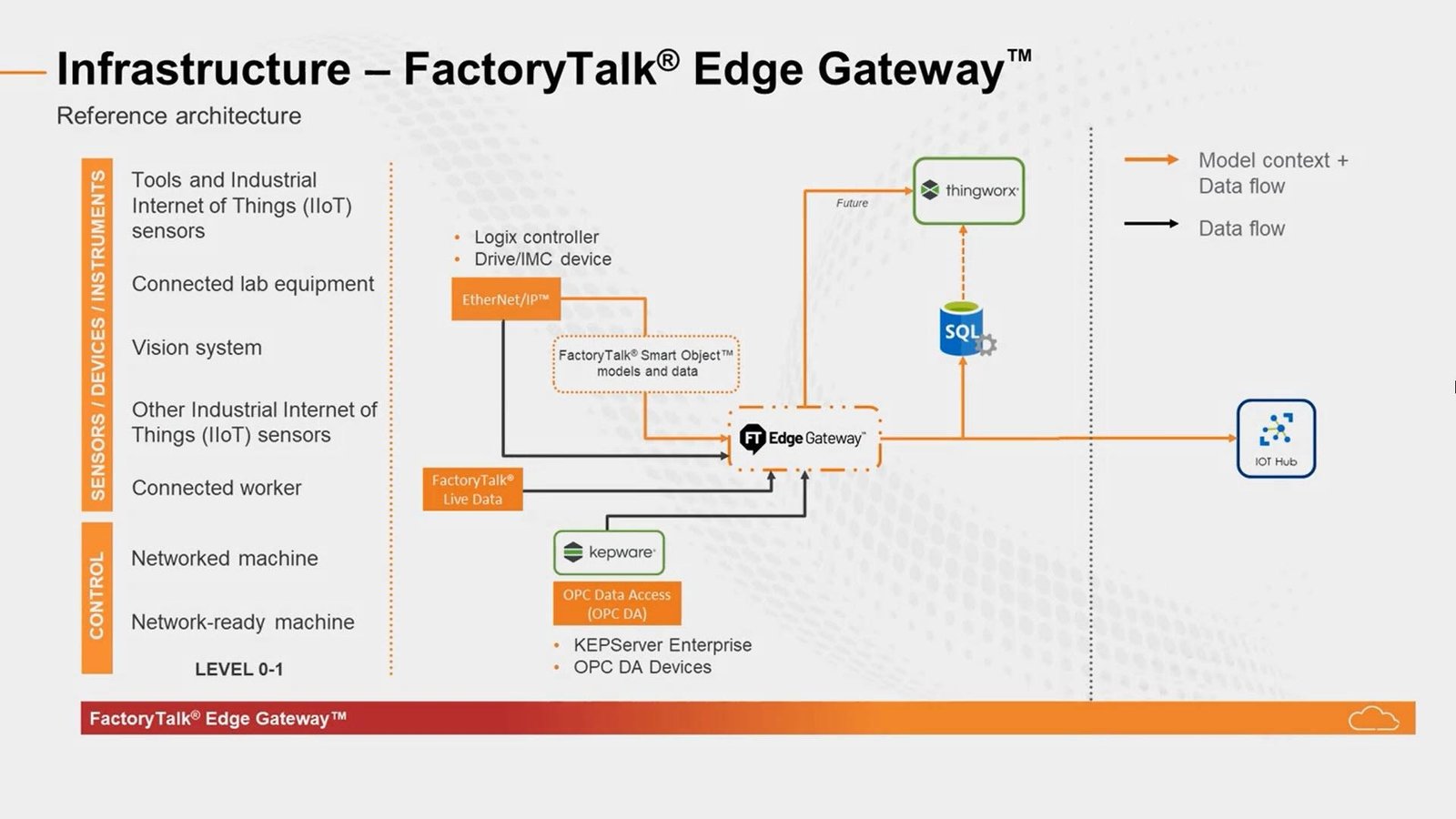
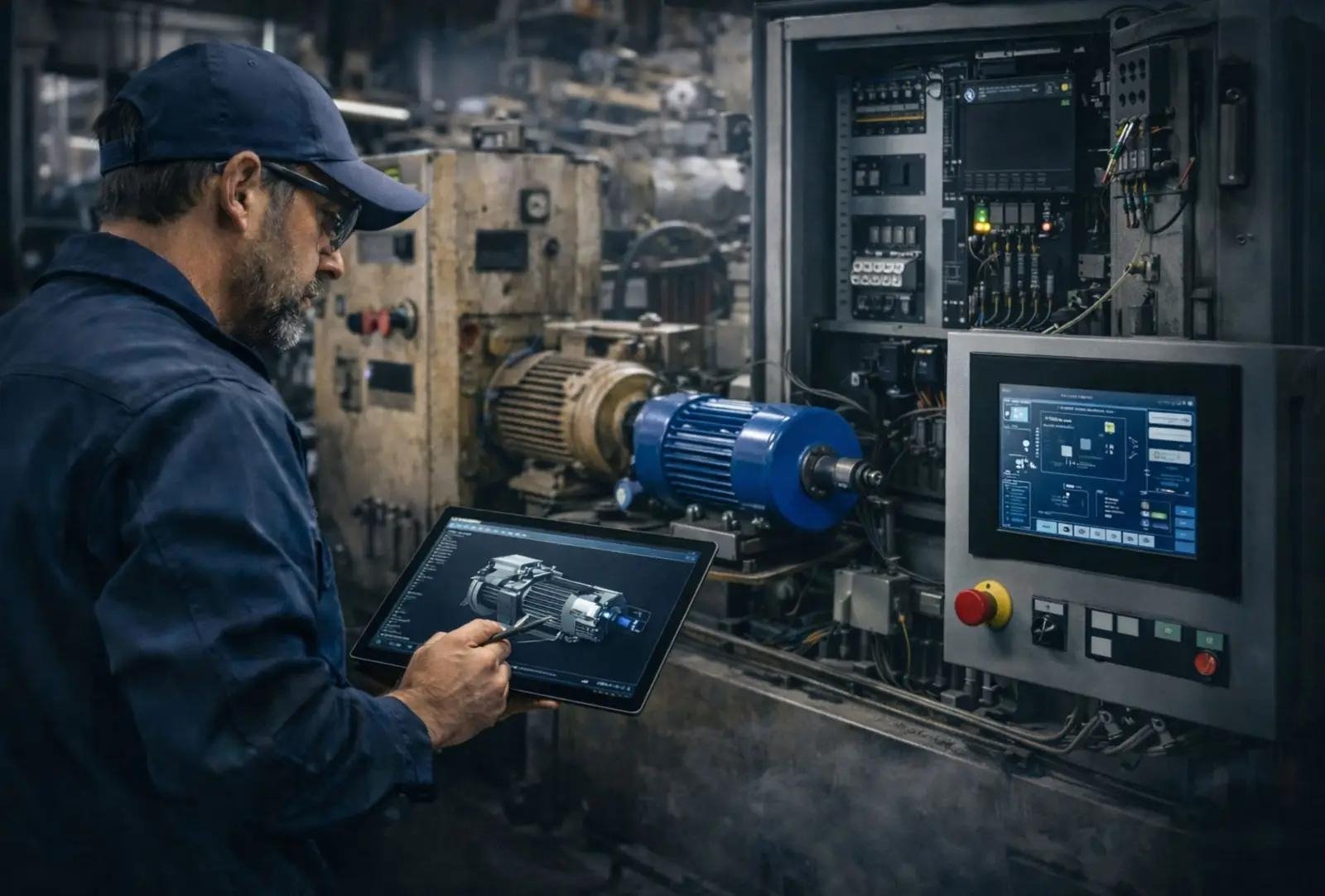
Edge devices act as translators between old machines and modern digital systems.
They can:
- Collect machine signals
- Process data locally
- Connect legacy equipment to cloud platforms
- Enable real-time analytics
This approach allows manufacturers to modernize incrementally rather than replacing entire systems.
Solution 4: Focus on High-ROI Use Cases First
Not every machine needs AI immediately.
Manufacturers should begin with equipment that has the greatest business impact.
Examples include:
Critical Production Machines
Equipment that directly affects production output.
High-Maintenance Assets
Machines that frequently experience breakdowns.
Energy-Intensive Equipment
Assets that contribute significantly to electricity costs.
Starting with a focused use case often generates faster ROI and builds confidence for future expansion.
Solution 5: Build a Gradual Modernization Roadmap
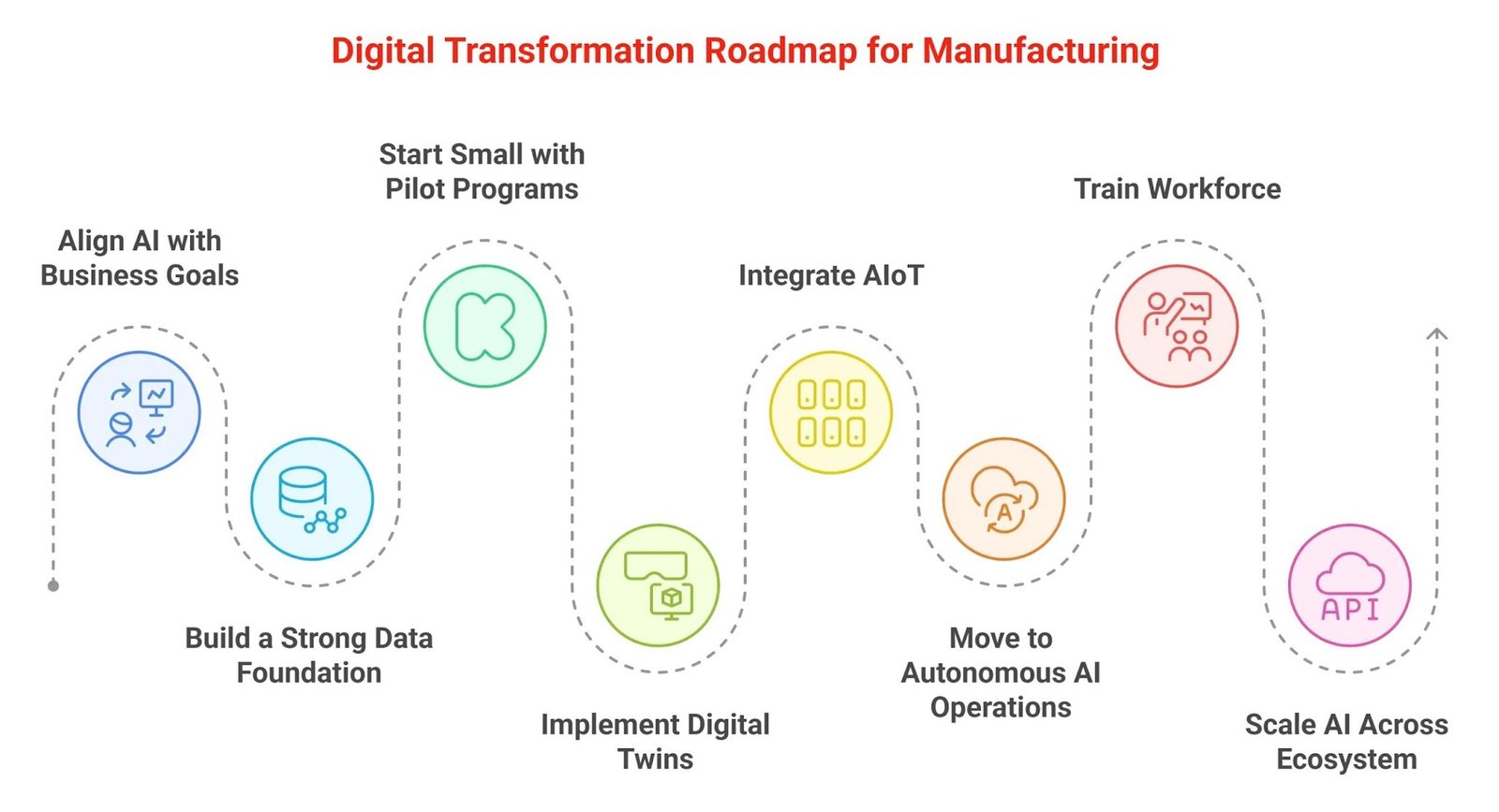
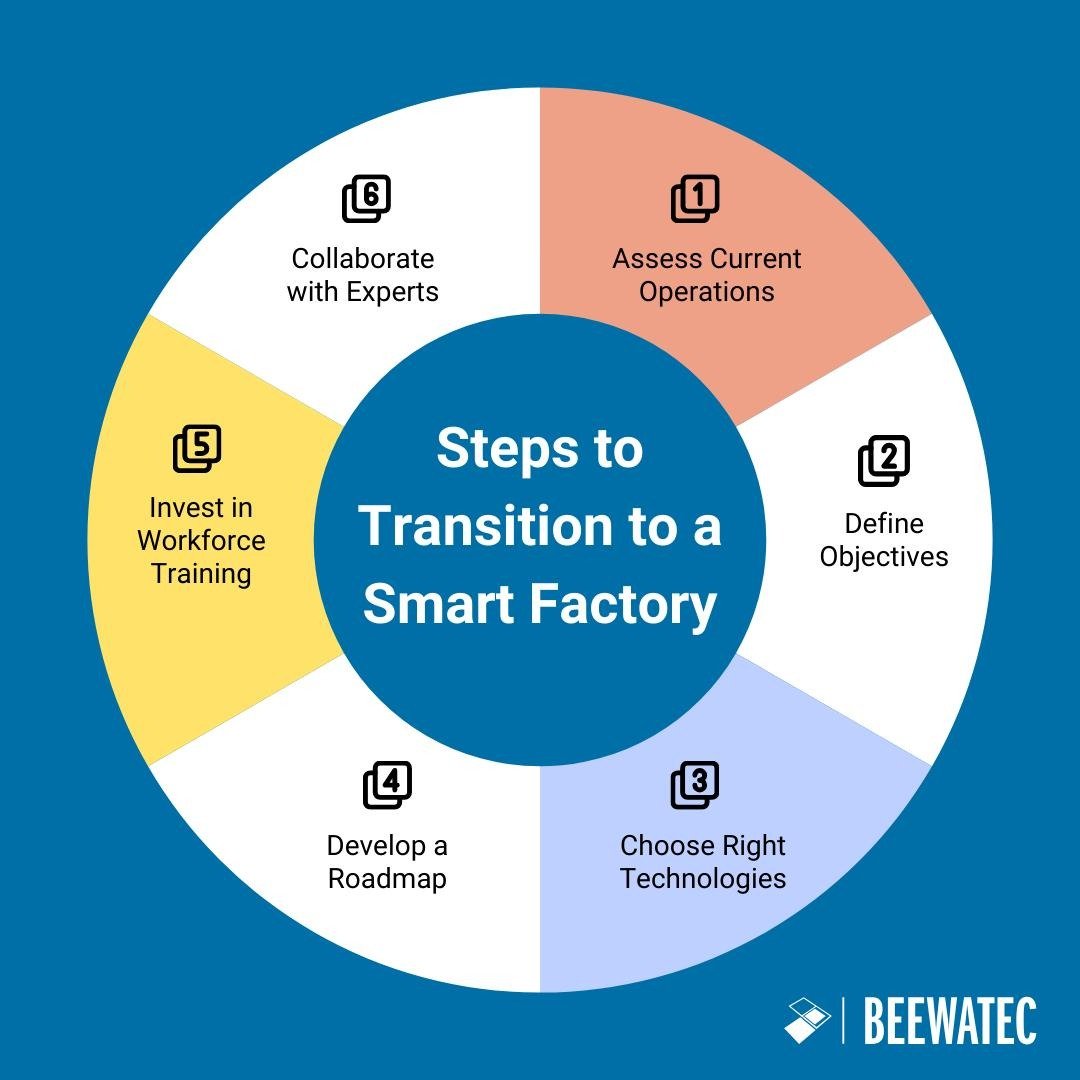
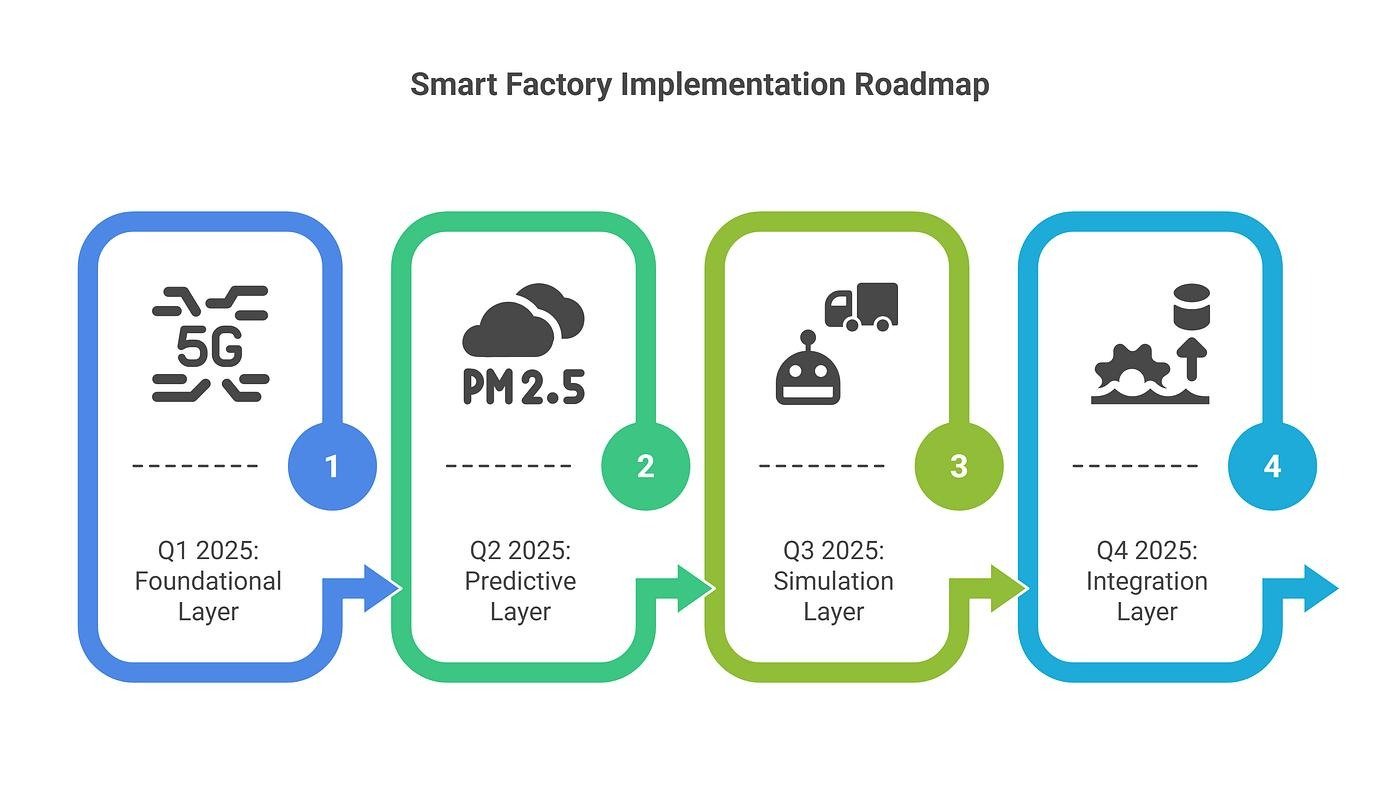

AI adoption does not need to happen all at once.
Successful manufacturers typically follow a phased approach:
Phase 1
Improve data collection.
Phase 2
Implement monitoring and analytics.
Phase 3
Deploy predictive maintenance and optimization solutions.
Phase 4
Scale AI across multiple production areas.
This approach reduces risk and allows organizations to learn as they grow.
What Manufacturers Often Discover
Many organizations initially believe their old machines prevent them from adopting AI.
In reality, they discover that:
- Most equipment can be connected
- Valuable data can be collected
- Significant improvements can be achieved without replacement
- AI can coexist with legacy infrastructure
The key is adopting the right strategy.
The manAIhub Approach
At manAIhub, we help manufacturers understand that AI adoption does not require a brand-new factory.
Many successful implementations begin with existing equipment.
Through collaboration between:
- Plant Leaders and CXOs
- Engineers and Quality Heads
- Data and AI Experts
- Solution Providers
- Academia and Trade Associations
manufacturers can identify practical pathways to modernize operations without unnecessary capital expenditure.
Across our six focus areas:
- Smart Maintenance
- Quality & Inspection
- Production Optimization
- Supply Chain & Planning
- Energy & Sustainability
- Workforce Augmentation
legacy equipment modernization remains a key topic for Indian manufacturers.
Final Thought
Old machines are not the barrier to AI adoption that many manufacturers believe they are.
The real challenge is building the right bridge between legacy equipment and modern digital technologies.
Factories that successfully connect existing assets with data and analytics will unlock significant operational value without replacing their entire infrastructure.
Bottom Line
You do not need a new factory to benefit from AI.
With the right sensors, connectivity solutions, monitoring systems, and implementation strategy, even decades-old machines can become part of a modern, data-driven manufacturing operation.
For many Indian manufacturers, the smartest investment is not replacing old machines—it is making them smarter.