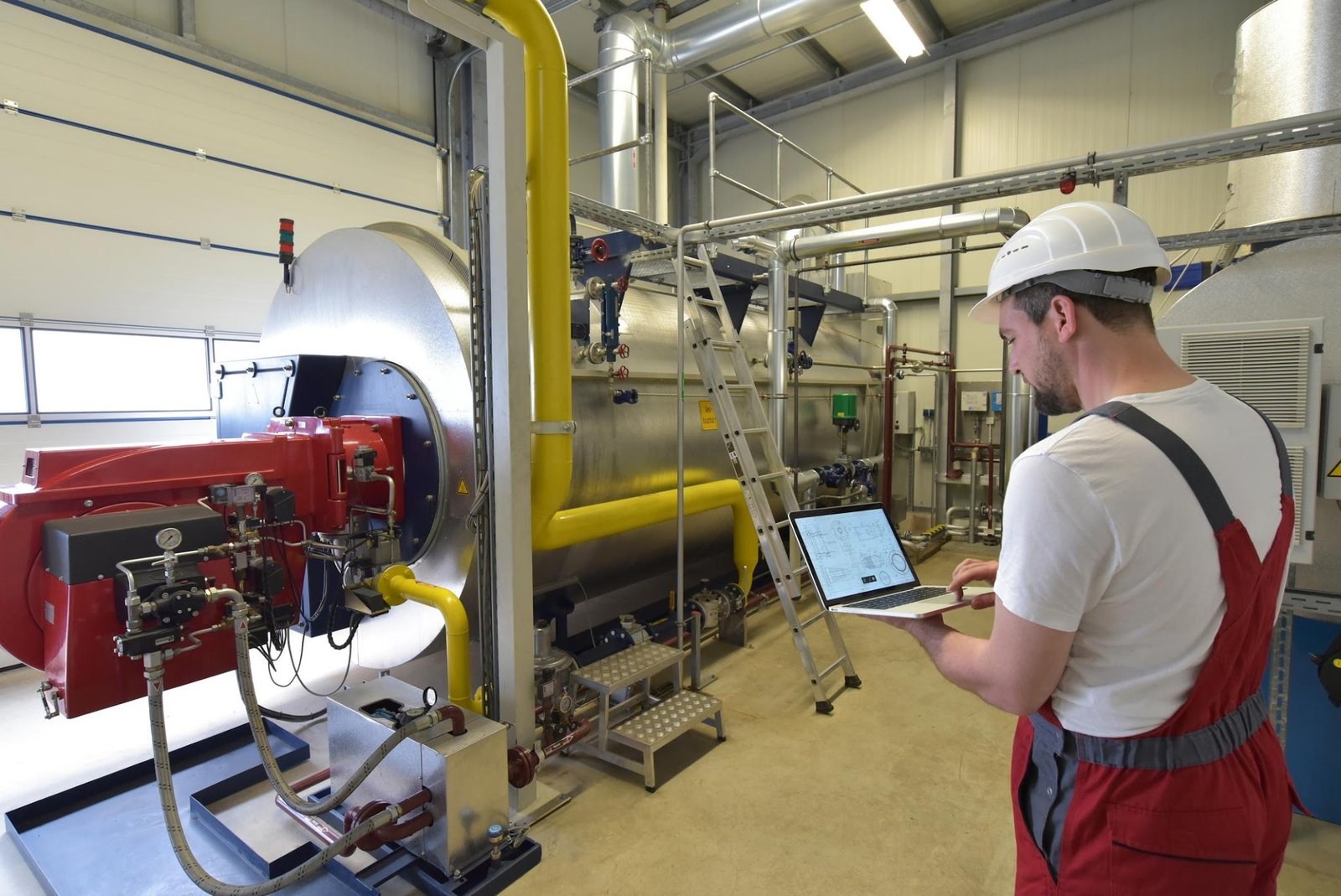
Unplanned downtime is one of the most expensive and disruptive challenges in manufacturing. A single unexpected machine failure can halt production, delay deliveries, increase costs, and impact customer trust.
Traditional maintenance approaches-reactive repairs or fixed schedules-are no longer sufficient in today’s high-performance manufacturing environment.
Artificial Intelligence (AI) is changing this by enabling manufacturers to predict failures before they happen and prevent downtime altogether.
The Real Cost of Downtime
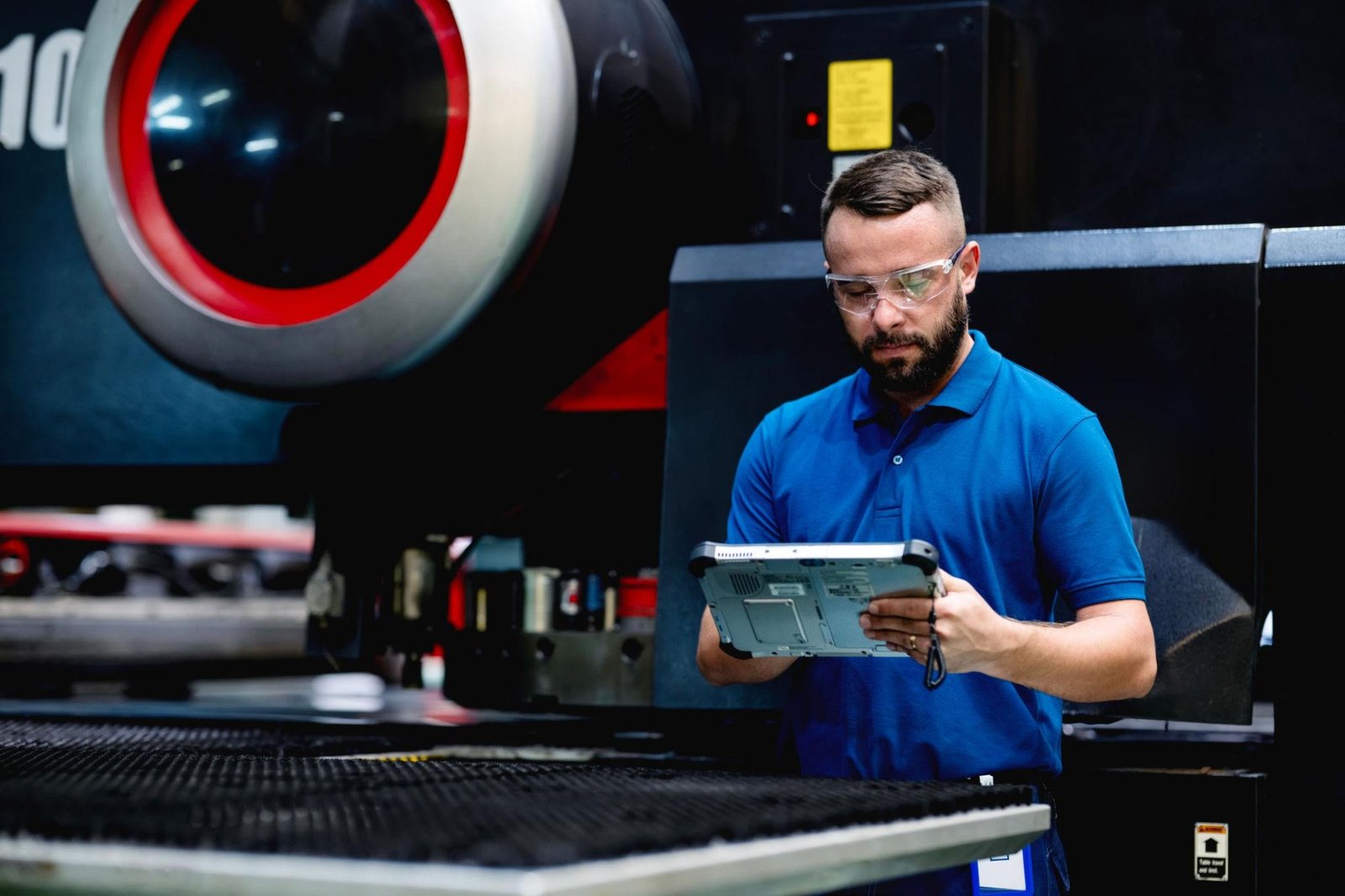
Unplanned downtime leads to:
- Loss of production output
- Increased maintenance costs
- Missed delivery timelines
- Reduced equipment lifespan
- Safety risks in certain scenarios
In many industries, even a few hours of downtime can result in significant financial losses.
Why Traditional Maintenance Falls Short
Most factories rely on one of two approaches:
Reactive Maintenance
Machines are repaired only after they fail.
Preventive Maintenance
Maintenance is performed at fixed intervals, regardless of actual machine condition.
Both approaches have limitations:
- Reactive maintenance causes unexpected disruptions
- Preventive maintenance can lead to unnecessary servicing and costs
Neither approach fully addresses the unpredictability of machine behavior.
The Shift to Predictive Maintenance
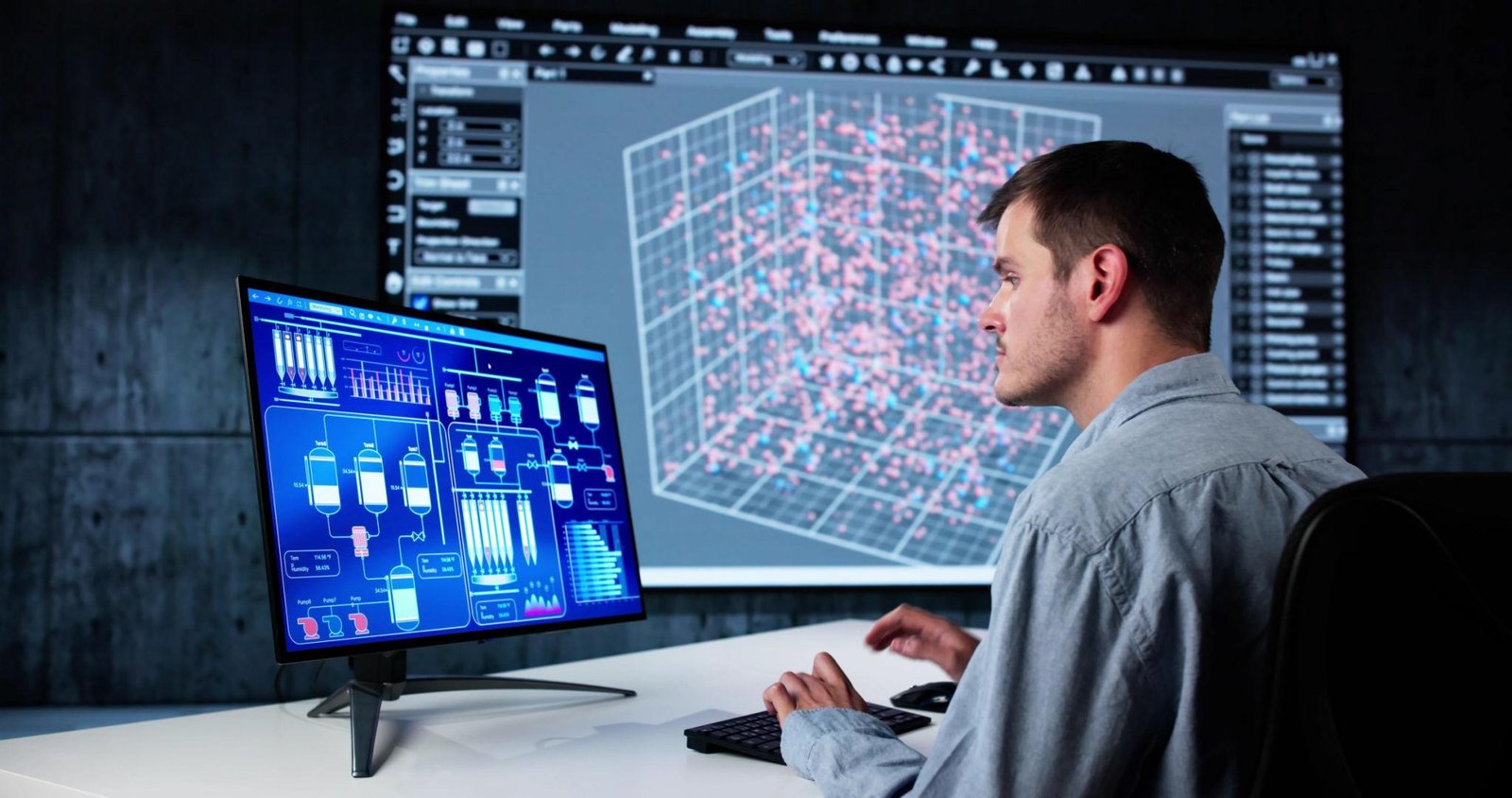
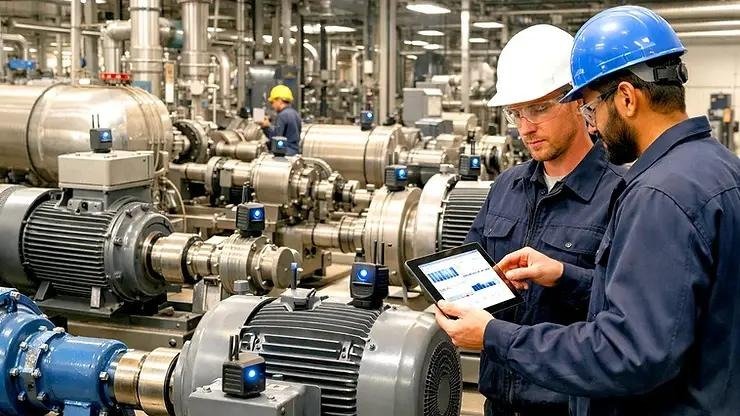
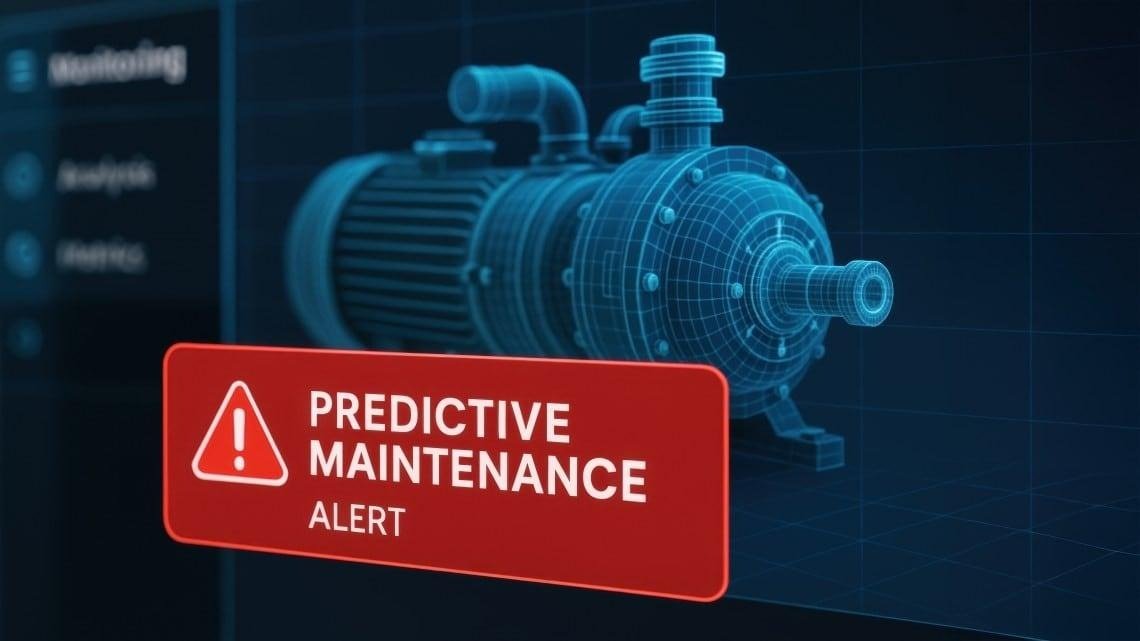
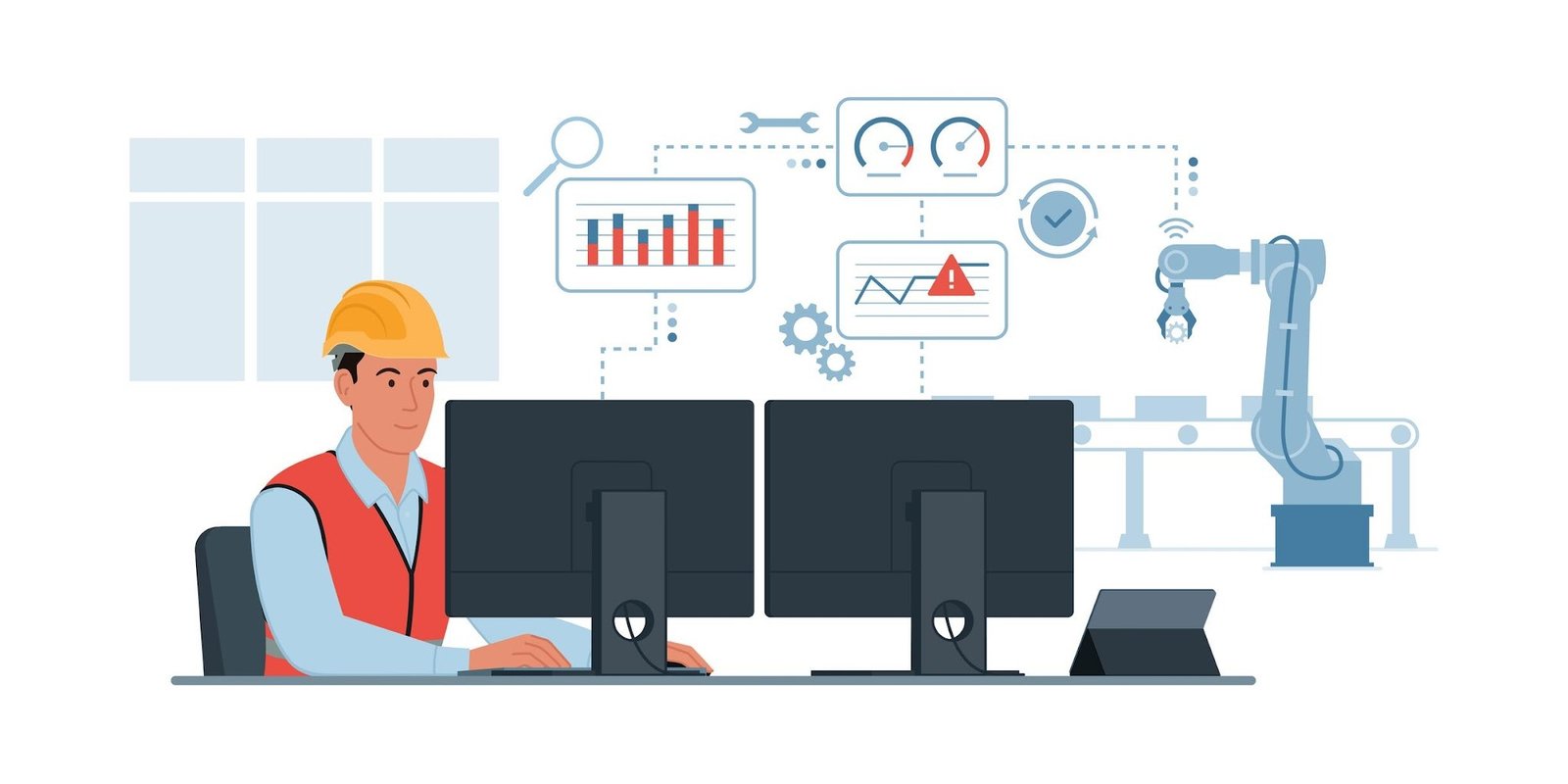
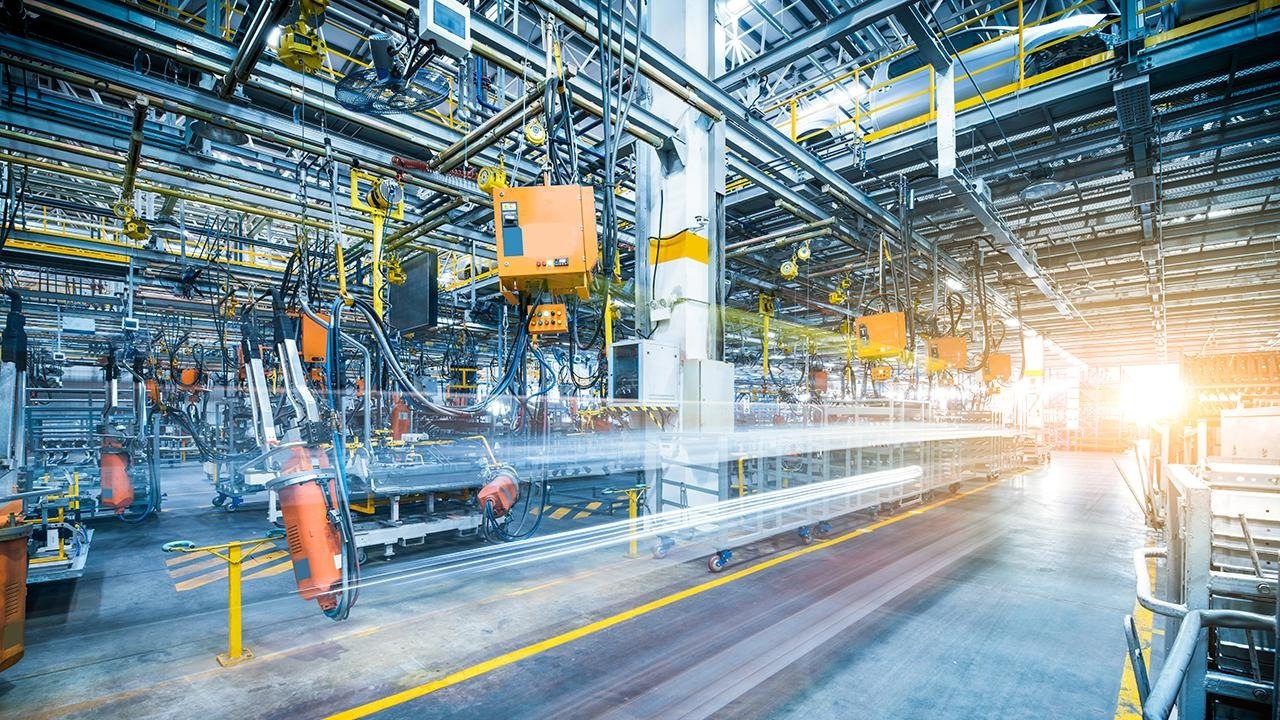
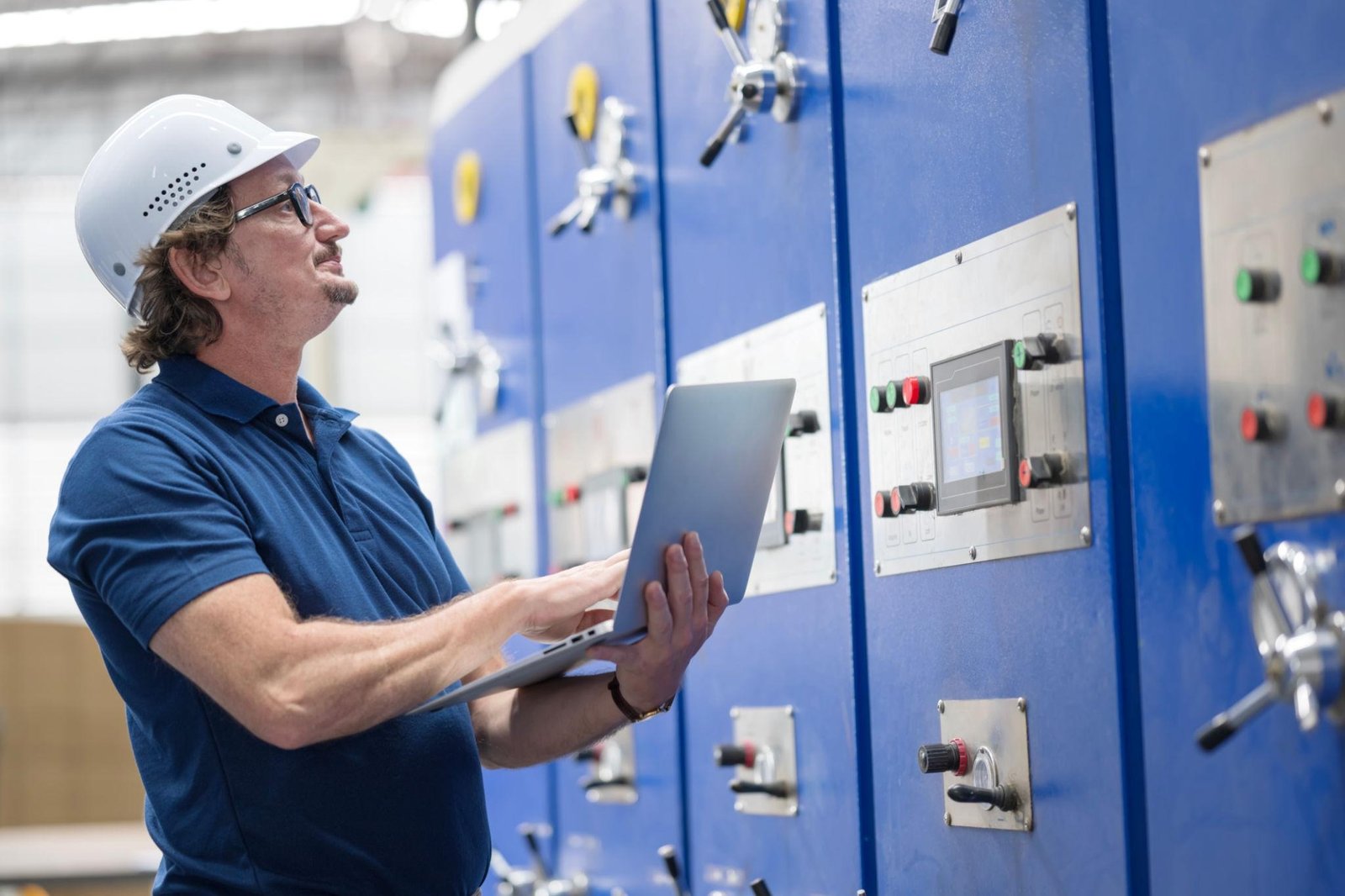
AI introduces predictive maintenance, where machines are monitored continuously and failures are anticipated in advance.
This is achieved by combining:
- Sensor data (vibration, temperature, pressure)
- Historical maintenance records
- Machine operating conditions
AI models analyze this data to detect patterns that indicate early signs of failure.
How AI Prevents Downtime
Continuous Monitoring
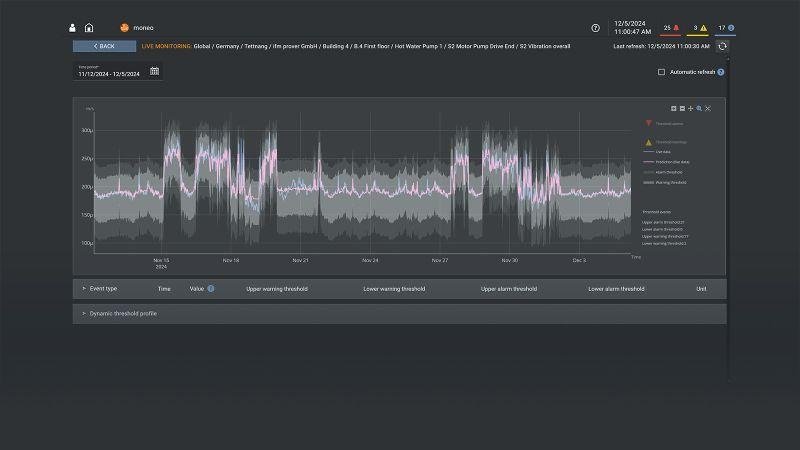
AI systems track machine performance in real time, identifying deviations from normal behavior.
Anomaly Detection
Subtle changes-often invisible to human operators-are detected early.
For example:
- Slight vibration increase
- Temperature fluctuations
- Performance inconsistencies
Failure Prediction
AI predicts when a component is likely to fail and provides advance alerts.
This allows maintenance teams to act before breakdown occurs.
Optimized Maintenance Scheduling
Maintenance is performed only when needed, based on actual machine condition.
This reduces both downtime and unnecessary maintenance activities.
Business Impact
Manufacturers implementing AI-driven predictive maintenance typically achieve:
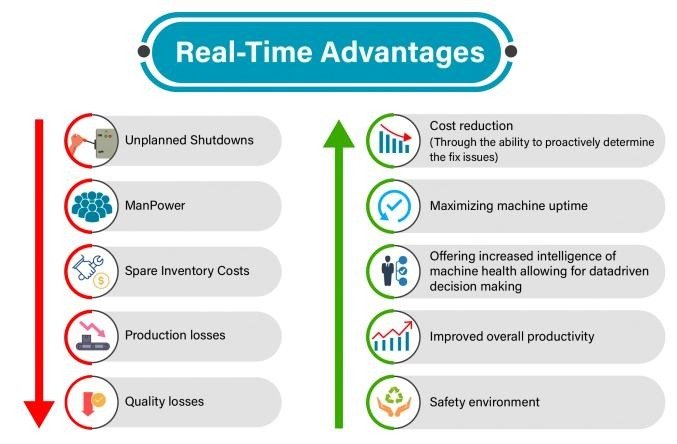
- 20–40% reduction in unplanned downtime
- 10–30% reduction in maintenance costs
- Increased equipment lifespan
- Improved production reliability
Downtime shifts from being an unpredictable risk to a manageable and controlled variable.
Beyond Maintenance: Operational Benefits
AI-driven downtime reduction also leads to:
- Better production planning
- Improved workforce efficiency
- Reduced spare parts inventory
- Increased confidence in delivery commitments
Relevance for Indian Manufacturing
Many factories in India still operate with:
- Aging equipment
- Limited monitoring systems
- High dependency on manual maintenance
AI provides an opportunity to:
- Modernize maintenance without replacing entire infrastructure
- Improve reliability with relatively low investment
- Increase competitiveness in both domestic and export markets
This is especially valuable for MSMEs, where downtime directly impacts profitability.
Challenges in Implementation
Despite the benefits, manufacturers may face:
- Limited sensor deployment
- Lack of structured historical data
- Integration challenges with legacy machines
- Skill gaps in data and AI
A phased approach-starting with critical machines-helps address these challenges.
The Role of Ecosystems
Successful implementation of predictive maintenance requires collaboration between:
- Plant teams
- Data and AI experts
- Technology providers
Platforms like manAIhub support this by:
- Identifying high-impact use cases
- Connecting manufacturers with experts
- Accelerating implementation through shared knowledge
Final Thought
Downtime has traditionally been accepted as an unavoidable part of manufacturing.
AI is changing that assumption.