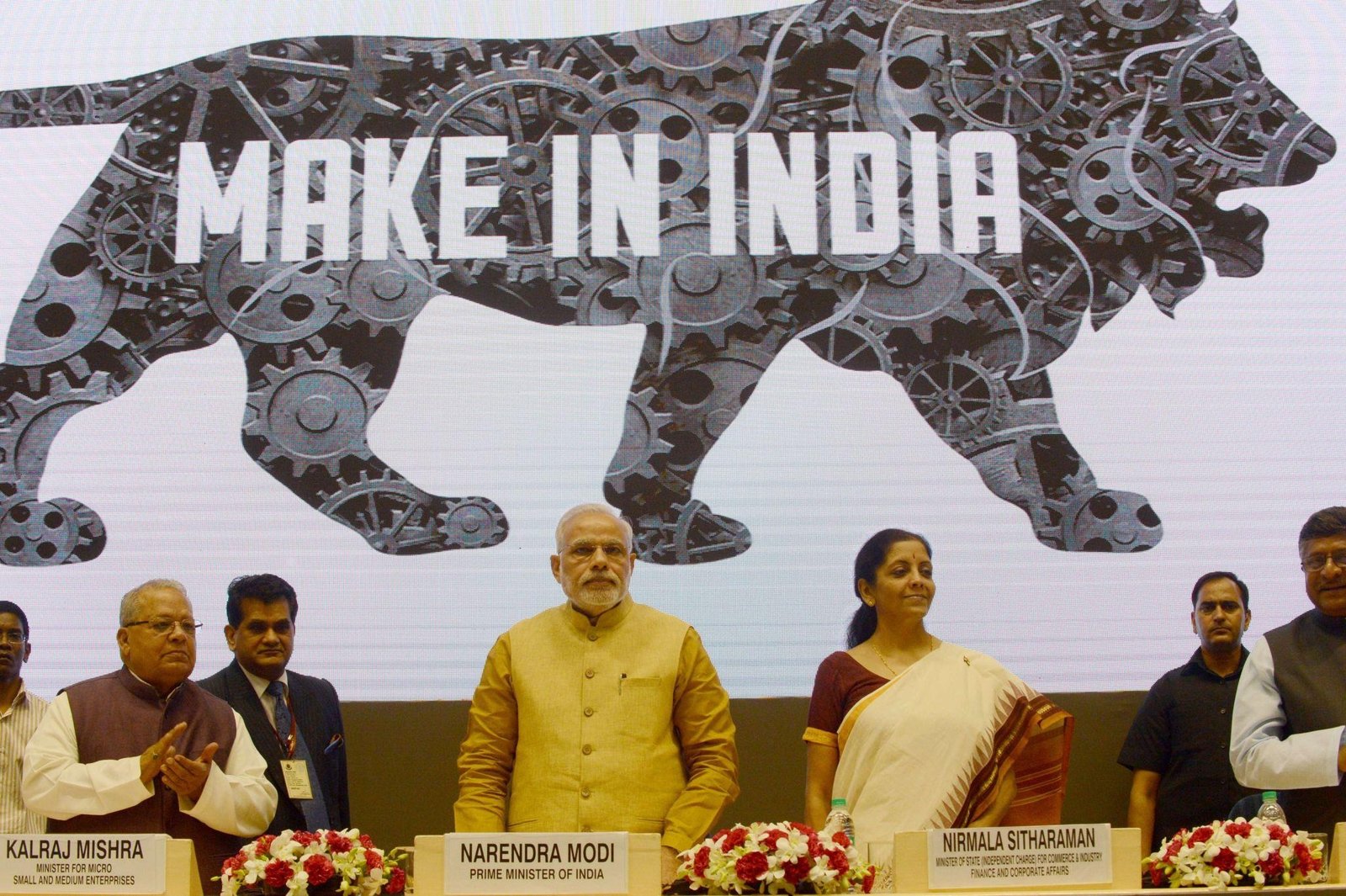
India’s manufacturing ambitions have been steadily rising under the Make in India initiative. The goal is clear: position India as a global manufacturing hub by boosting domestic production, attracting investment, and creating jobs.
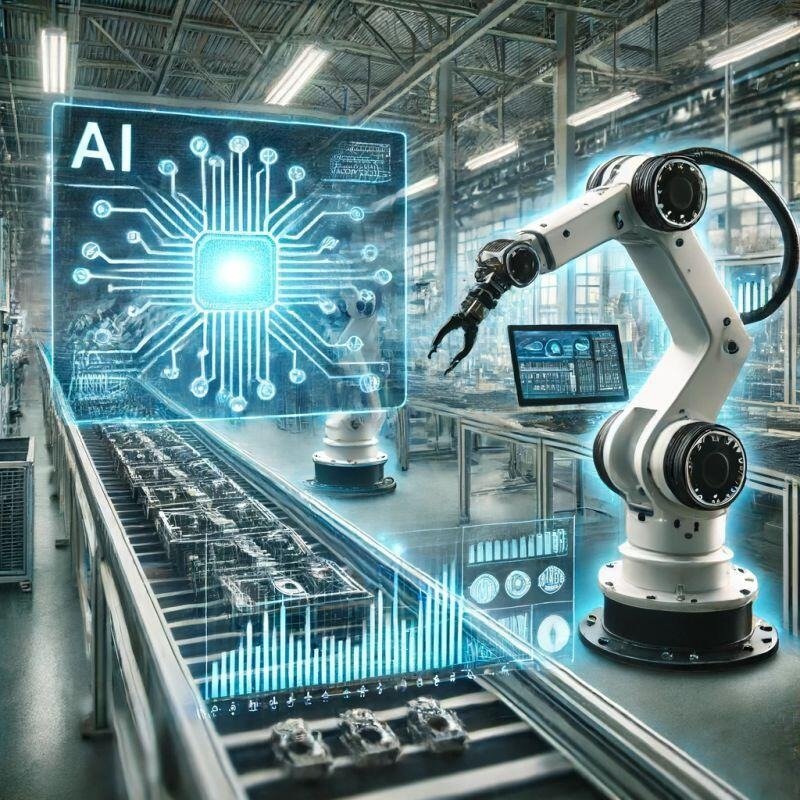
At the same time, Artificial Intelligence (AI) is redefining how manufacturing operates worldwide.
The convergence of these two forces-national manufacturing scale and AI-driven intelligence-is setting the stage for the next industrial revolution in India.
India’s Manufacturing Moment
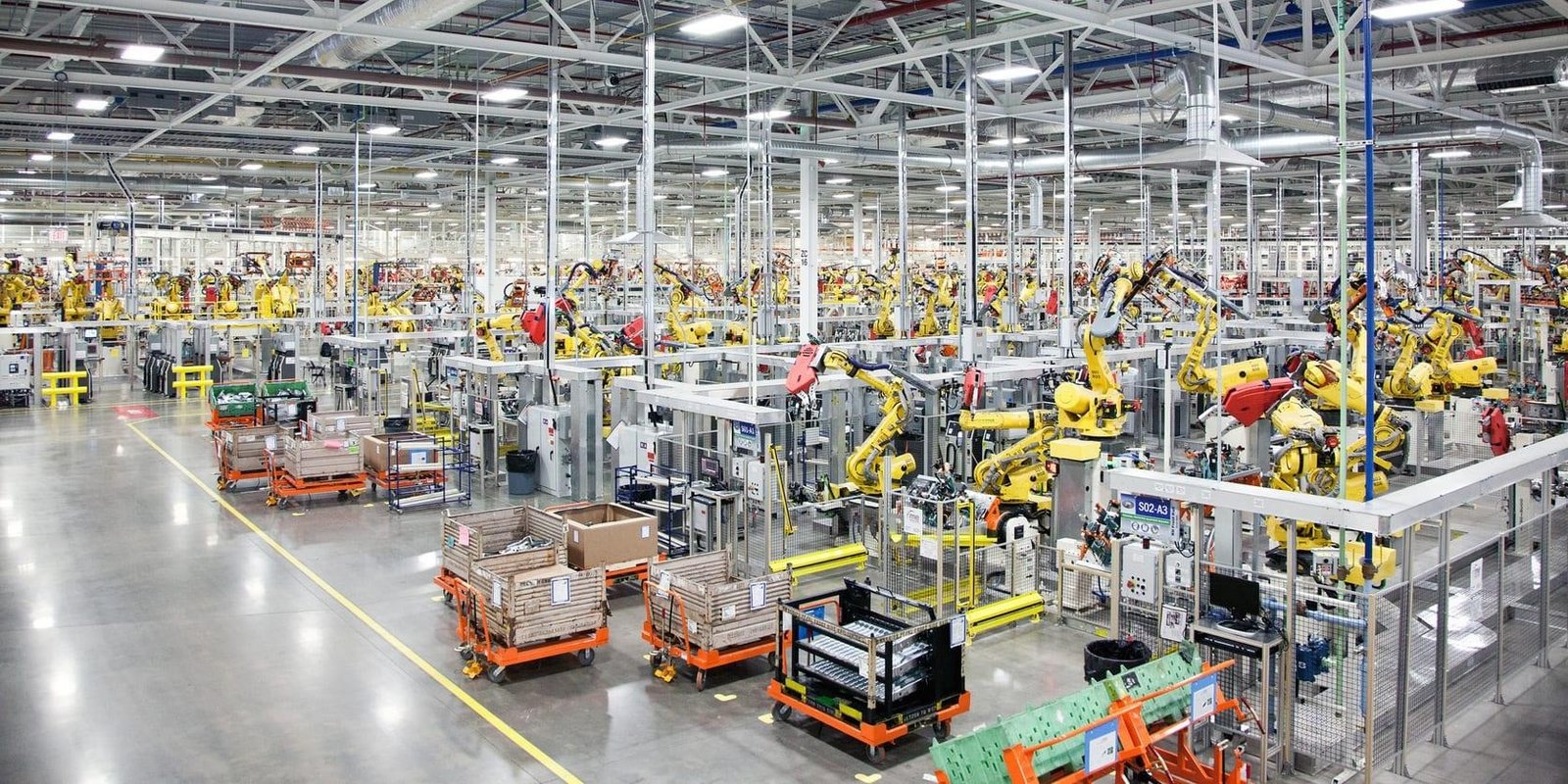
India is uniquely positioned at this moment due to:
- A large and growing manufacturing base
- Strong government push for domestic production
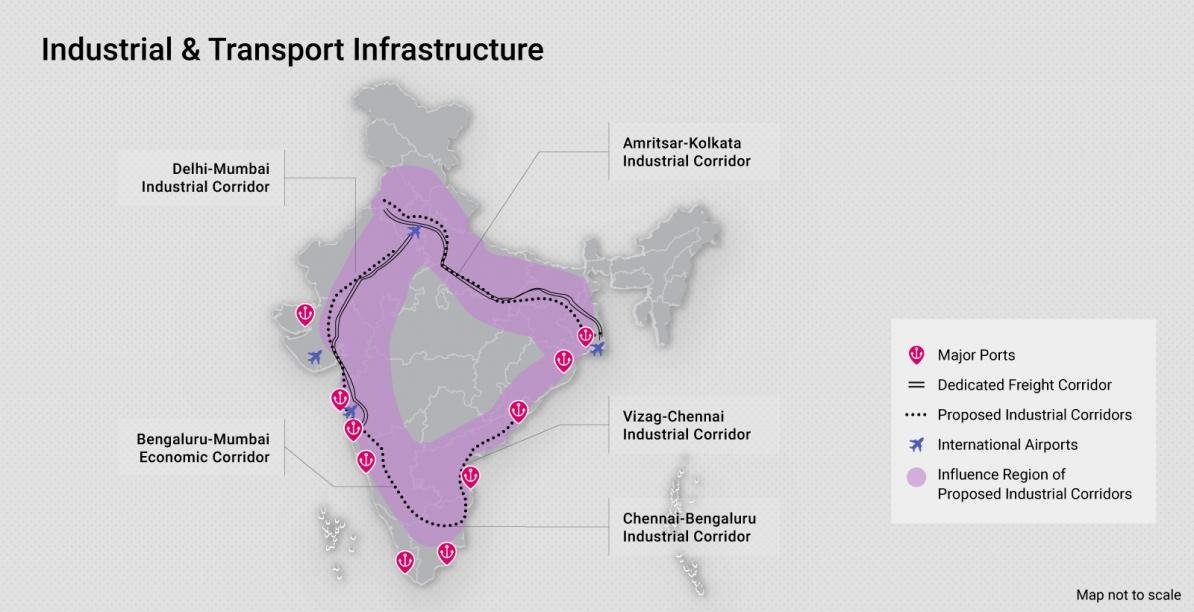
- Expanding infrastructure and industrial corridors
- A rapidly evolving digital ecosystem
However, scale alone is not enough. Competing globally requires efficiency, quality, and speed-areas where AI plays a critical role.
Why AI is the Missing Link
Traditional manufacturing growth focuses on:
- Increasing capacity
- Expanding workforce
- Scaling operations
AI introduces a new dimension-intelligence.
It enables manufacturers to:
- Predict outcomes instead of reacting to them
- Optimize processes in real time
- Improve quality and reduce waste
- Make faster, data-driven decisions
This shift moves manufacturing from volume-driven to value-driven.
Where AI is Creating Impact
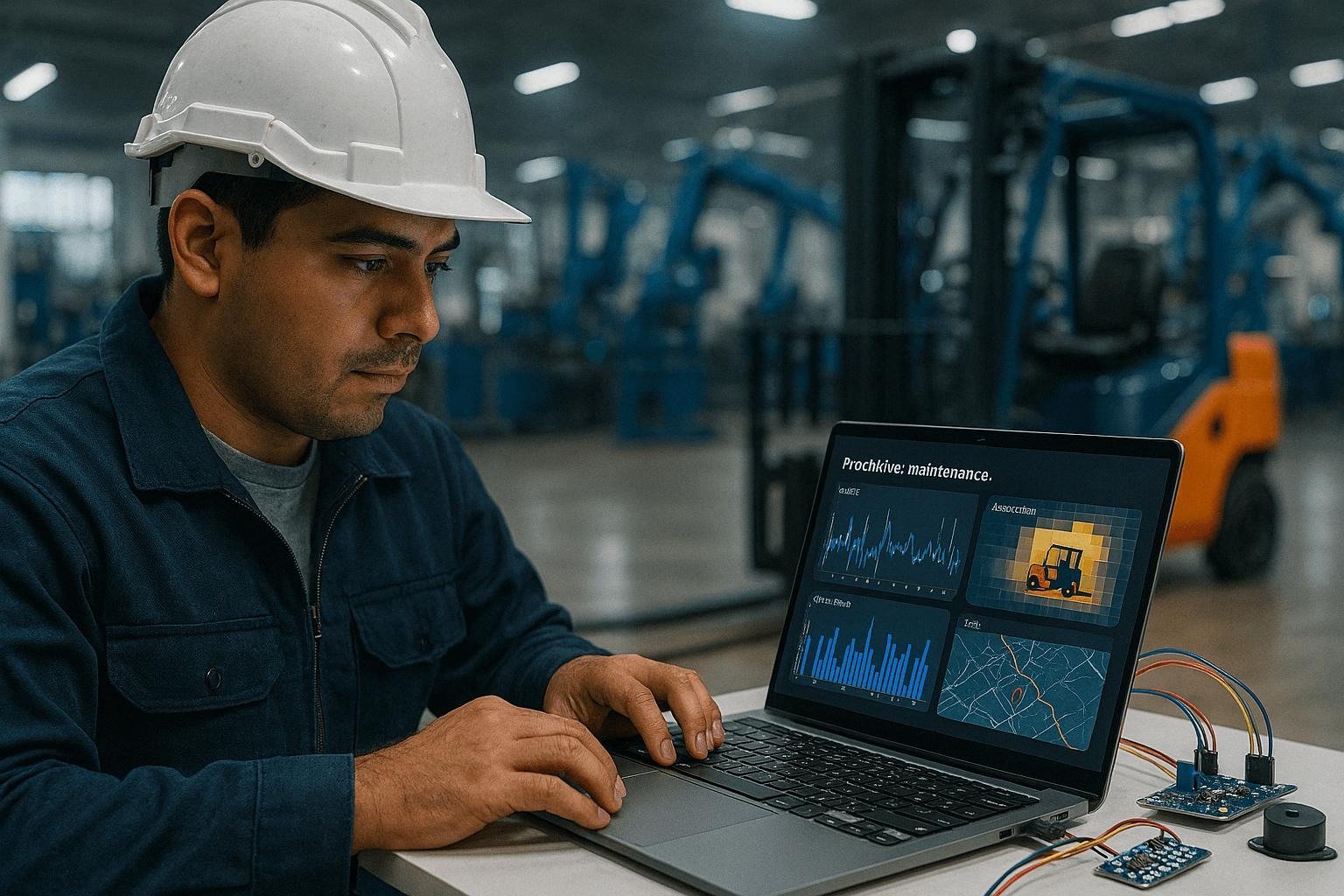
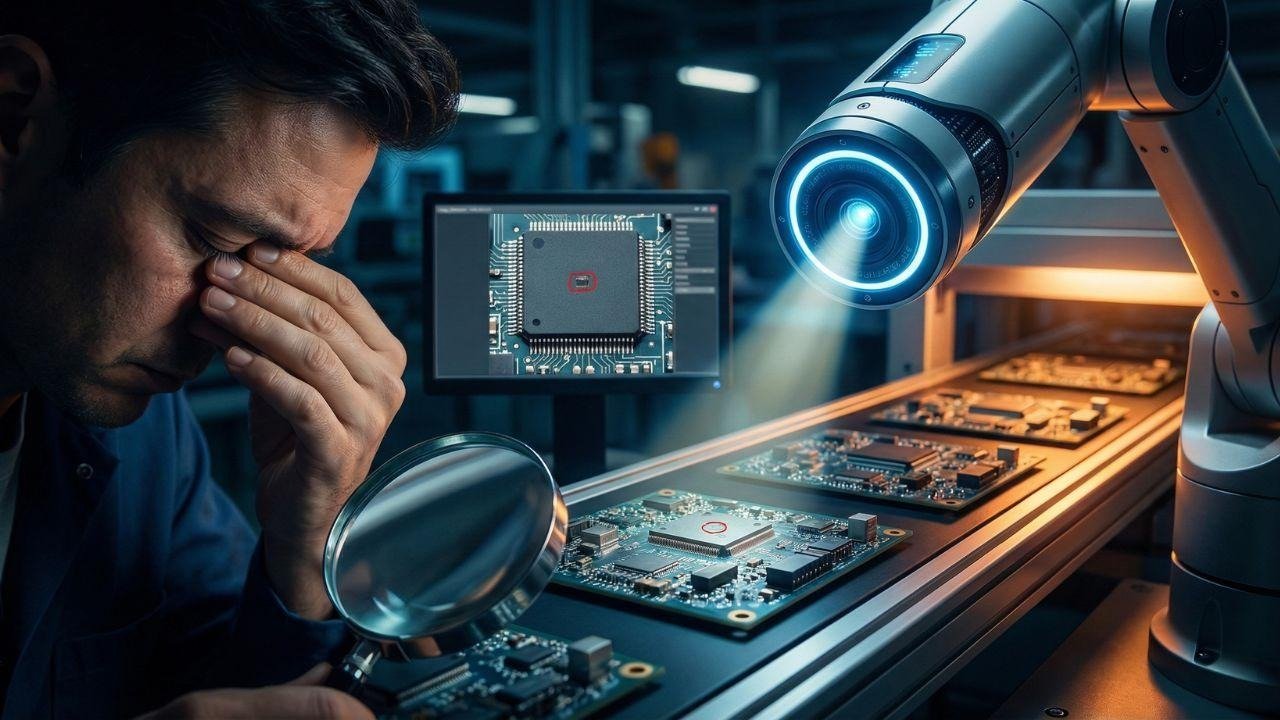
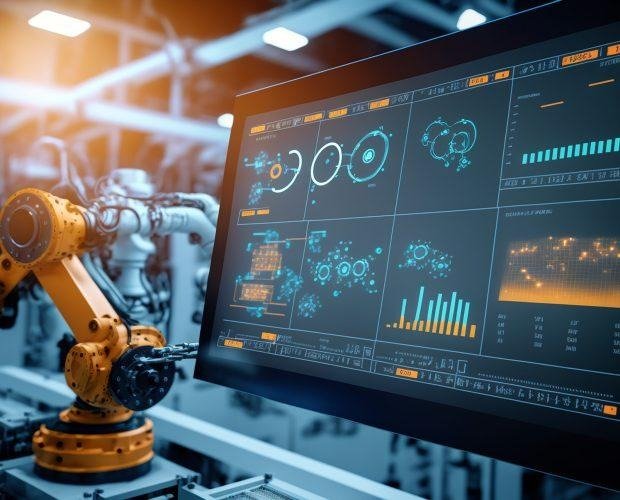
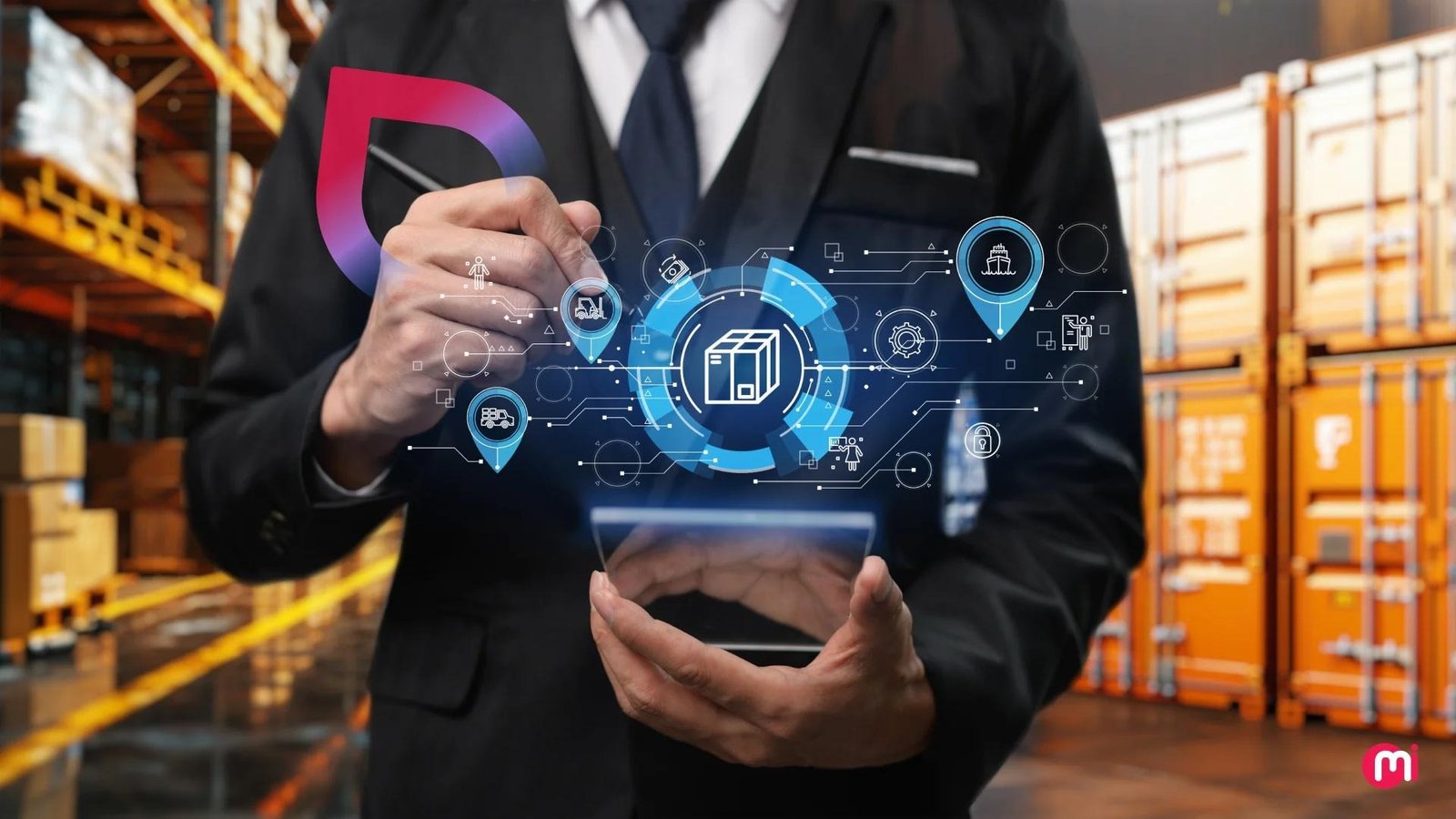
Smart Maintenance
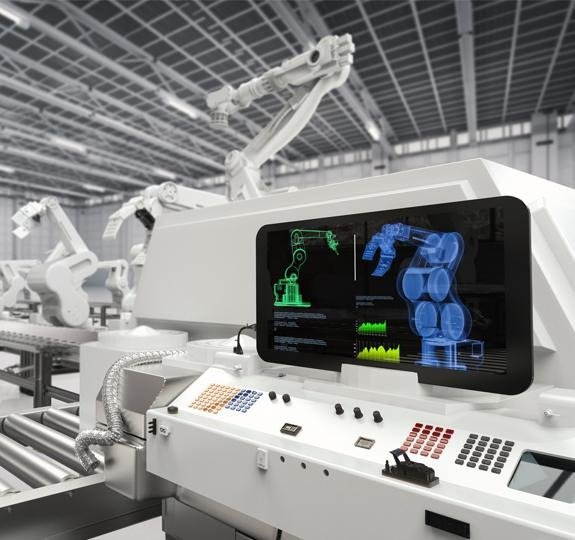
AI predicts equipment failures, reducing downtime and maintenance costs.
Quality and Inspection
Computer vision systems detect defects with high precision, ensuring consistent product quality.
Production Optimization
AI identifies bottlenecks and improves throughput across production lines.
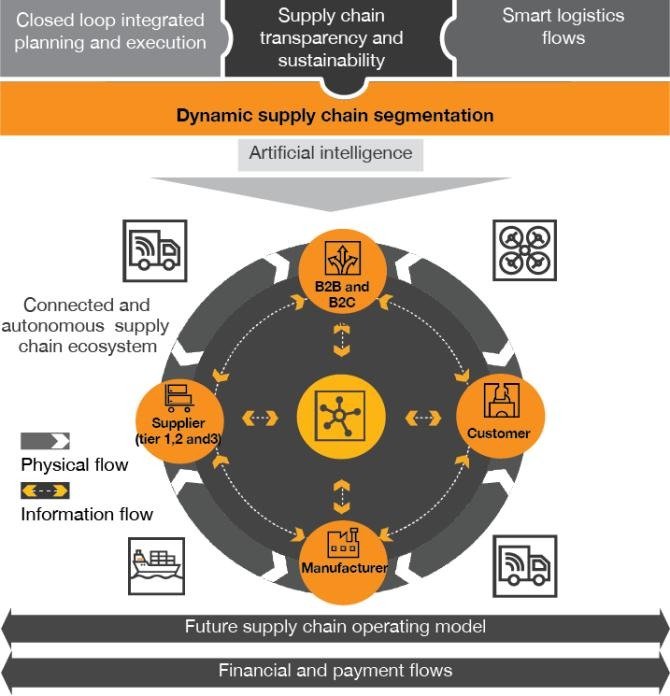
Supply Chain and Planning
AI enhances forecasting, inventory management, and logistics efficiency.
Energy and Sustainability
AI optimizes energy consumption and supports sustainability goals.
Workforce Augmentation
AI tools assist workers, improving productivity and safety.
India’s Opportunity to Leapfrog
Unlike traditional industrial economies, India has the advantage of leapfrogging stages of technological evolution.
Instead of gradually moving through legacy systems, manufacturers can directly adopt:
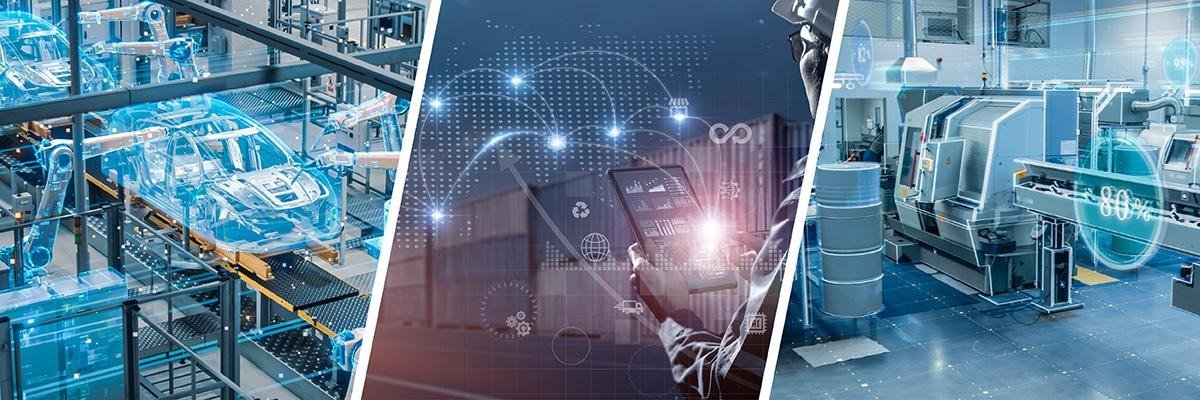
- Connected machines (IoT-enabled)
- Cloud-based platforms
- AI-driven analytics
This allows India to build next-generation smart factories without being constrained by outdated infrastructure.
The Role of MSMEs
Micro, Small, and Medium Enterprises (MSMEs) form the backbone of Indian manufacturing.
For the Make in India vision to succeed, MSMEs must also adopt AI.
AI can help MSMEs:
- Improve efficiency with limited resources
- Enhance product quality
- Compete with larger global players
Affordable and scalable AI solutions are making this increasingly feasible.
Challenges to Address
Despite the opportunity, several barriers remain:
- Limited awareness of practical AI use cases
- Fragmented data across systems
- Skill gaps in AI and data analytics
- Hesitation due to perceived cost and complexity
Addressing these challenges requires a coordinated approach across industry, technology providers, and institutions.
Building a Collaborative Ecosystem
AI-driven manufacturing cannot be achieved in isolation. It requires collaboration between:
- Industry leaders and plant operators
- Engineers and data scientists
- Technology providers
- Academia and research institutions
Platforms like manAIhub play an important role by:
- Connecting stakeholders
- Sharing real-world use cases
- Accelerating AI adoption through collaboration
Strategic Impact for India
The integration of AI with manufacturing can unlock:
- Higher productivity and efficiency
- Improved global competitiveness
- Increased export potential
- Stronger supply chain resilience
- Sustainable and energy-efficient operations
This combination strengthens India’s position in the global industrial landscape.
Final Thought
Make in India laid the foundation for manufacturing growth.
AI provides the intelligence needed to scale that growth effectively.