
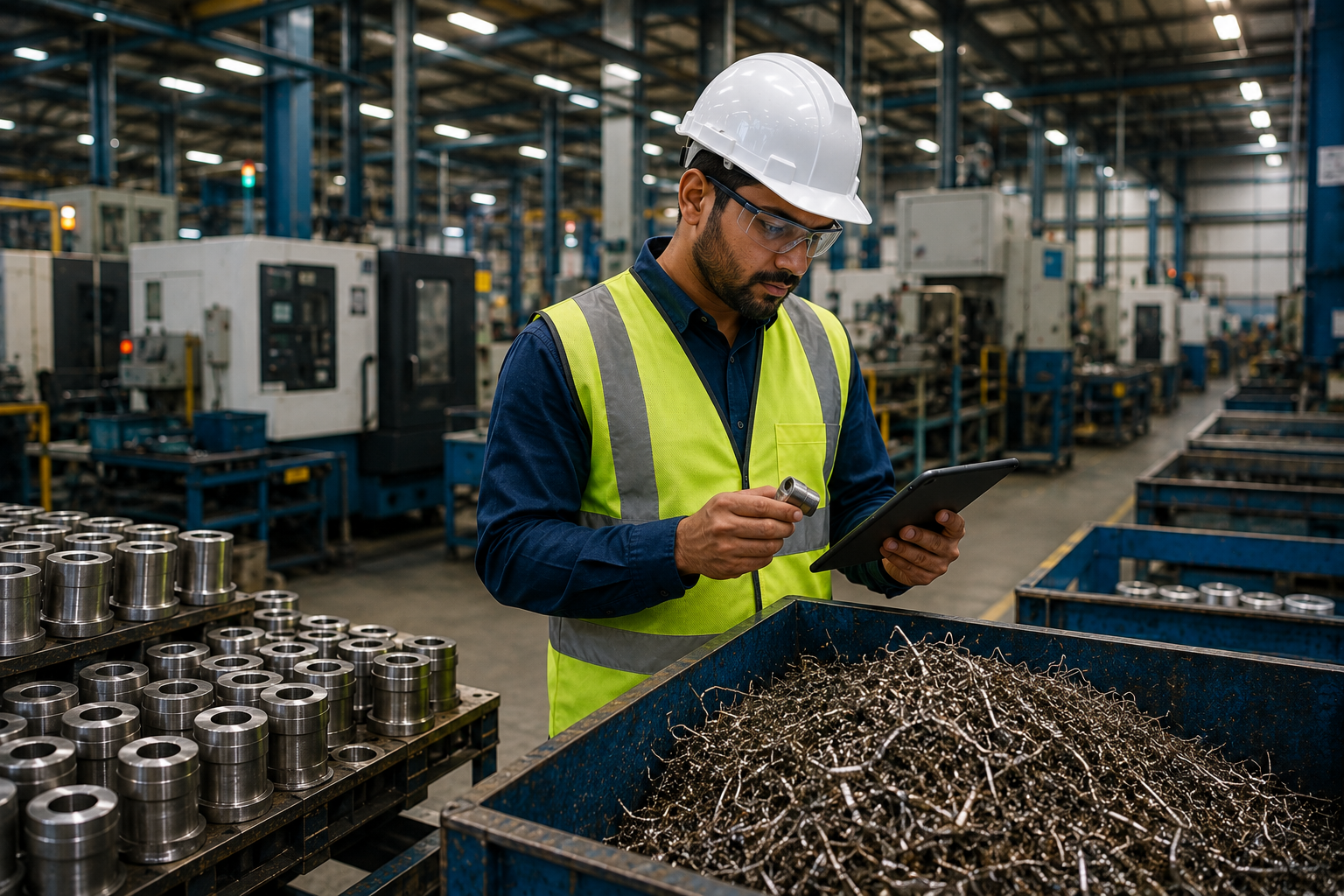
Material waste is one of the silent profit killers in manufacturing. Whether it is raw material scrap, process wastage, excess consumption, or finished goods rejection, every kilogram of
wasted material directly hits the bottom line. In Indian factories, material costs often form a large portion of total production cost. Even a small reduction in waste can lead to significant savings. Yet many plants still struggle with high scrap rates, over-consumption, and poor material utilisation because they rely on reactive methods instead of predictive insights.
Predictive tools powered by AI, machine learning, and real-time data are helping manufacturers identify waste early and prevent it before it happens. This is especially relevant under the Production Optimization and Quality & Inspection tracks.
Here are the common material waste problems and 5 powerful ways predictive tools can help cut them.
Common Material Waste Problems in Manufacturing
● High scrap and rejection rates during production
● Over-consumption of raw materials due to process variation
● Poor yield in processes like machining, casting, or chemical reactions
● Excess inventory leading to expiry, damage, or obsolescence
● Inaccurate material planning and over-issuing to the shop floor
● Lack of real-time visibility into material usage
● Rework that consumes additional materials and energy
These issues are common across industries such as automotive, textiles, plastics, food processing, pharmaceuticals, and engineering.
5 Ways Predictive Tools Can Cut Material Waste
- Predictive Quality and Defect Prevention
Instead of detecting defects after the material is already wasted, predictive tools analyse process data in real time to identify conditions that are likely to produce defects.
Benefits:
● Early warnings before scrap is generated
● Significant reduction in rejection rates
● Higher first-pass yield
● Lower rework and material loss
- Real-Time Material Consumption Monitoring
IoT sensors and intelligent systems track actual material usage against planned standards at every stage of production.
Impact:
● Instant detection of over-consumption
● Identification of process drifts that increase material use
● Better control over material issuance from stores
● Accurate material variance analysis
- AI-Based Process Parameter Optimisation
Many processes waste material because machines run on sub-optimal settings. Predictive tools recommend the best combination of parameters (speed, temperature, pressure, feed rate, etc.) to maximise yield.
Results:
● Higher material utilisation
● Reduced process scrap
● Consistent output quality
● Lower cost per unit
- Predictive Inventory and Shelf-Life Management
For materials that have expiry dates or degrade over time, predictive tools forecast consumption patterns and recommend optimal ordering and usage sequences.
Advantages:
● Reduced expired or obsolete material
● Better FIFO/FEFO compliance
● Lower inventory carrying cost
● Minimised write-offs
- Root Cause Analysis and Continuous Waste Reduction
Predictive platforms collect detailed data on when, where, and why material is wasted. AI then identifies recurring patterns and suggests permanent corrective actions.
Long-term Value:
● Shift from firefighting to systematic waste elimination
● Data-driven process improvement projects
● Sustainable reduction in material cost
● Better environmental performance (less waste to landfill)
Conclusion
Material waste is not just an operational issue — it is a direct hit to profitability and sustainability. By using predictive tools, Indian manufacturers can move from measuring
waste after it happens to preventing it in advance. manAIhub helps Plant Leaders, Production Heads, Quality Managers, and Engineers discover and implement practical predictive solutions that reduce material waste under real Indian factory conditions.
Ready to Cut Material Waste in Your Plant?
Start by measuring your current scrap and material variance. Then explore predictive tools that can deliver quick and measurable savings.
What is the biggest source of material waste in your factory?
Share your experience in the comments or connect with other manufacturing professionals on manAIhub.