

A manAIhub Perspective
Over the last decade, manufacturers across India have invested heavily in Industry 4.0 technologies.
Factories have deployed:
- IoT sensors
- Connected machines
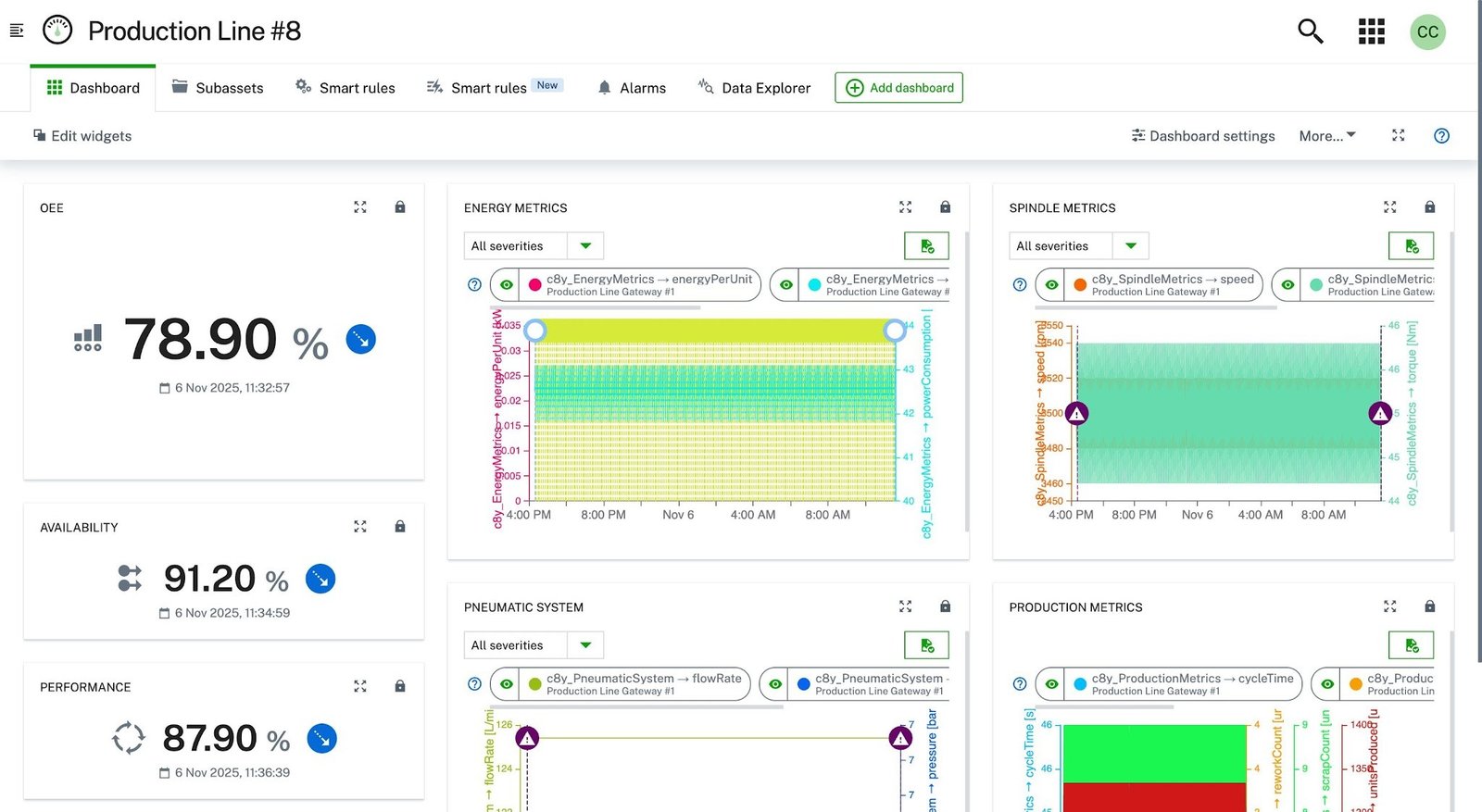
- Production dashboards
- MES systems
- Cloud platforms
- AI and analytics tools
Yet many manufacturing leaders are asking an uncomfortable question:
“Why haven’t these investments delivered the results we expected?”
The reality is that technology alone does not create transformation.
Many factories successfully digitize operations but fail to improve productivity, quality, profitability, or competitiveness.
At manAIhub, we often see manufacturers investing in Industry 4.0 tools without first defining the business outcomes they want to achieve.
As a result, they collect more data, install more software, and create more dashboards—but struggle to generate meaningful business value.
The Industry 4.0 Promise


Industry 4.0 promised to create:
- Smart factories
- Connected operations
- Real-time visibility
- Higher productivity
- Improved quality
- Better decision-making
The vision was compelling.
Machines would communicate with each other.
Data would flow seamlessly across operations.
AI would optimize processes automatically.
Manufacturers would become more agile and competitive.
While many organizations have achieved success, others have discovered that technology implementation alone does not guarantee operational improvement.
Why Industry 4.0 Investments Often Disappoint
1. Technology Before Business Strategy
One of the biggest mistakes manufacturers make is purchasing technology before identifying the problem they want to solve.
Many projects begin with:
“We need AI.”
“We need IoT.”
“We need a digital dashboard.”
Instead of asking:
“What operational challenge are we trying to solve?”
Technology should be the solution to a business problem—not the starting point.
Without clear objectives, even advanced technologies struggle to create measurable impact.
2. Too Much Data, Too Few Insights
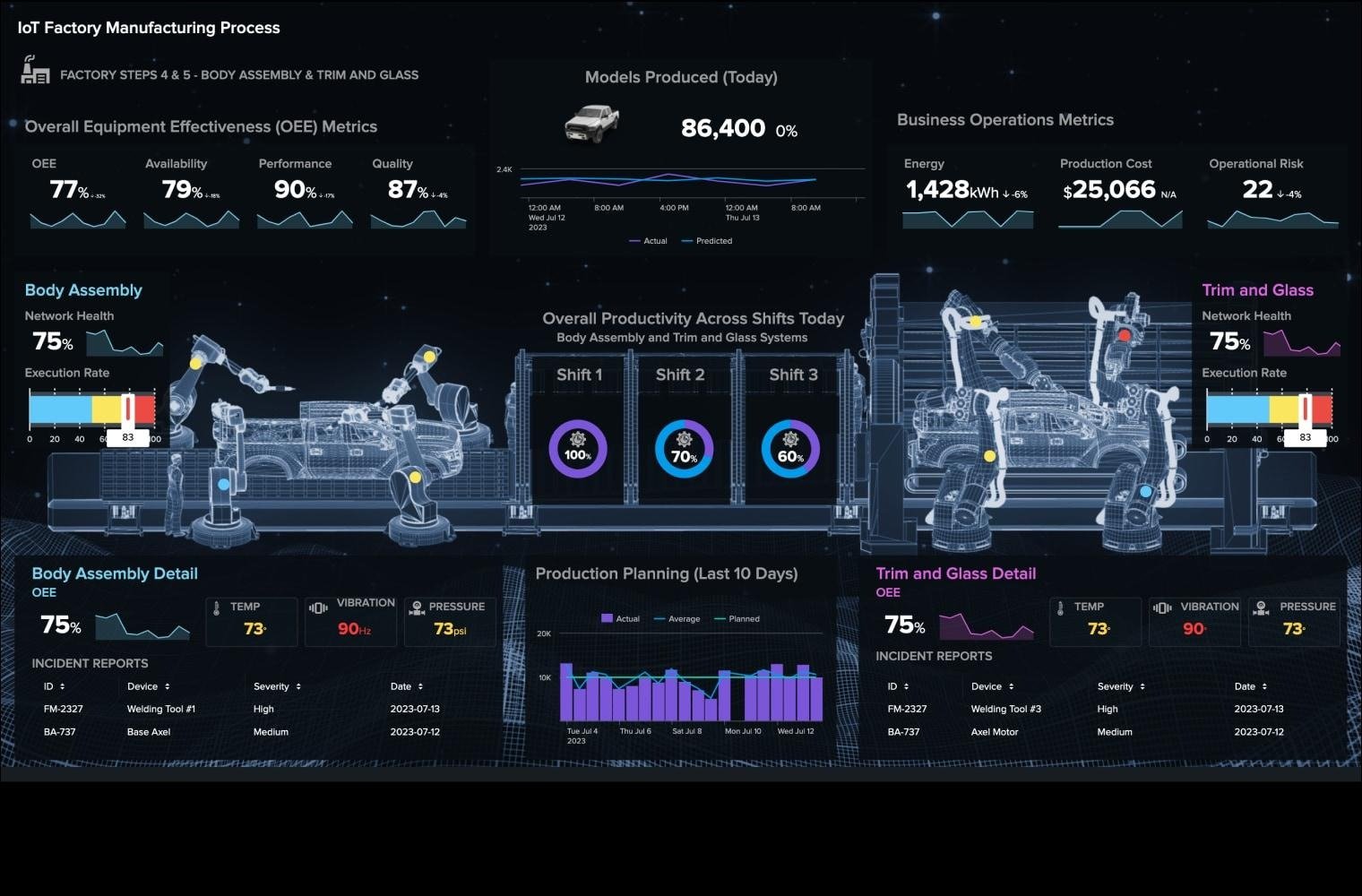

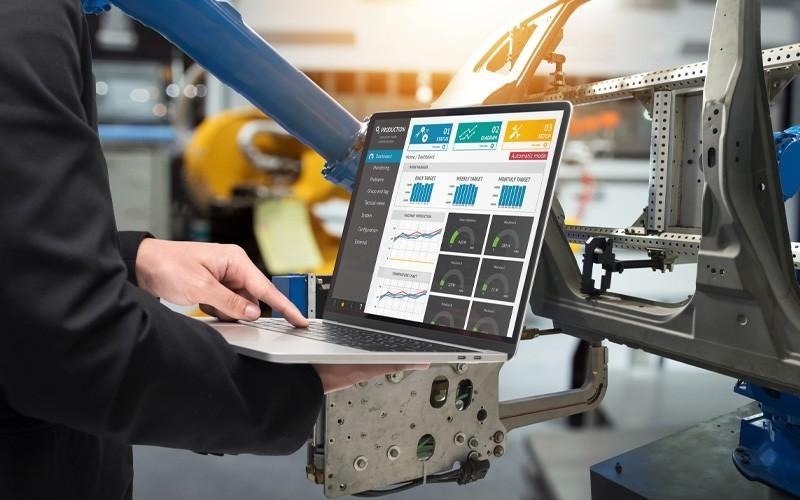
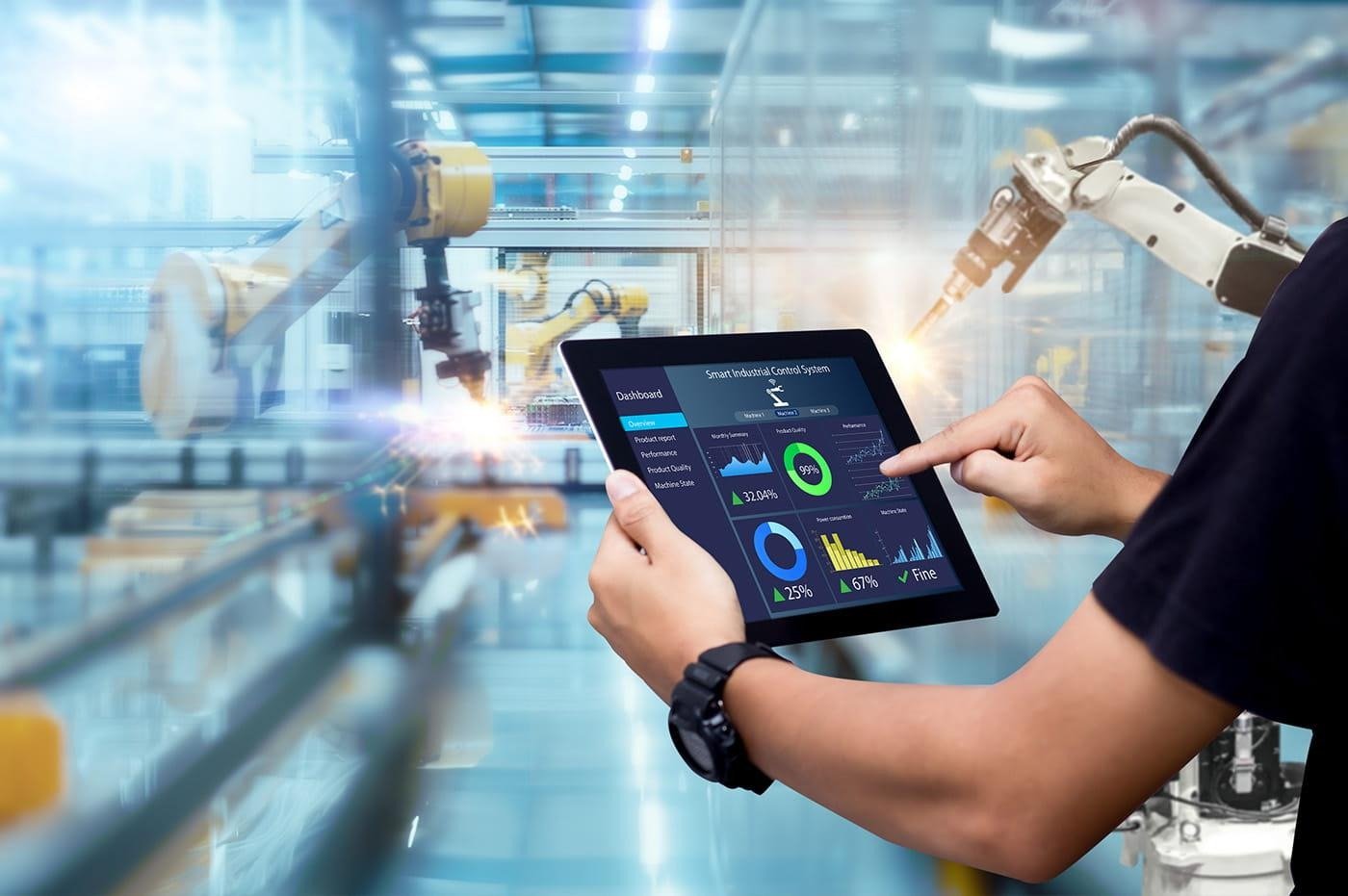
Industry 4.0 has dramatically increased data collection.
However, many manufacturers face a new challenge:
They have more data than ever before but less clarity about what actions to take.
Common problems include:
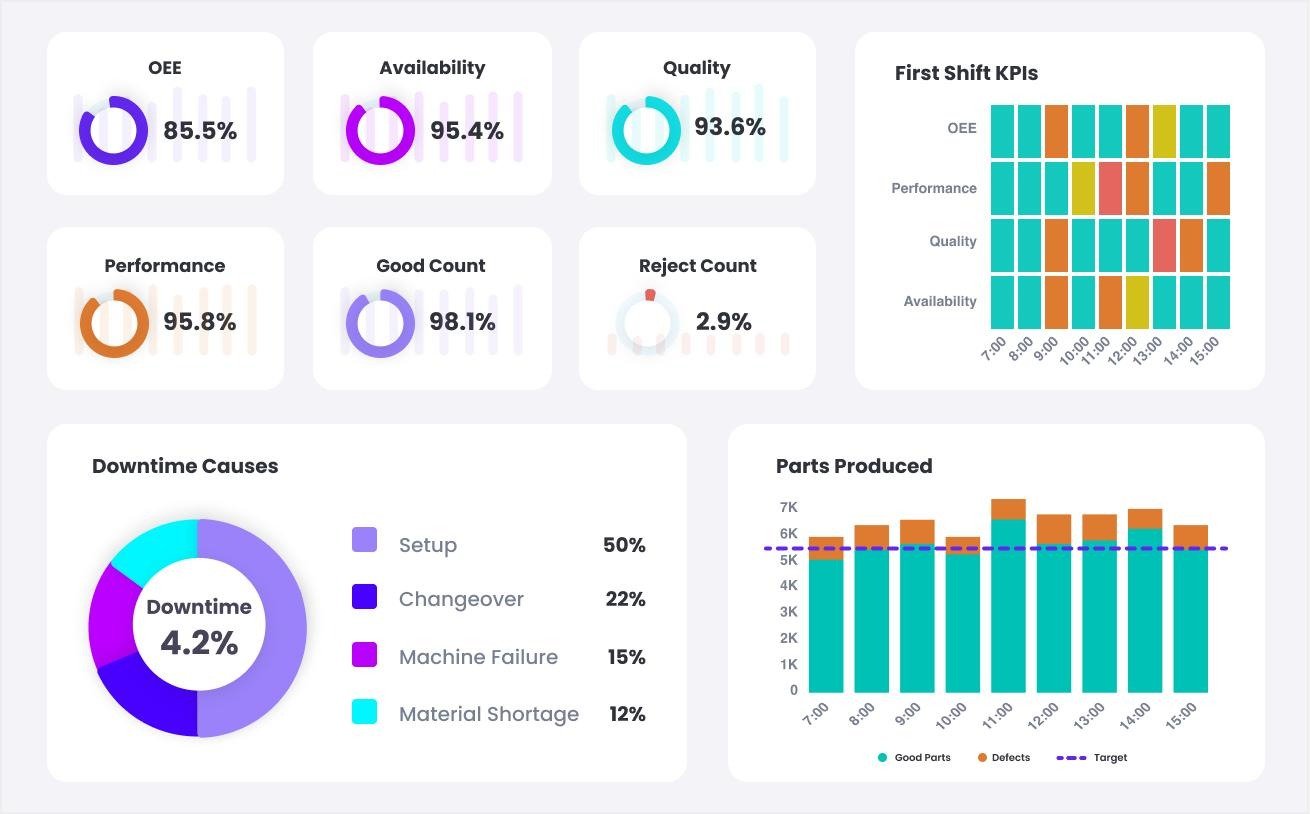
- Hundreds of KPIs
- Multiple disconnected dashboards
- Conflicting reports
- Limited operational insights
Collecting data is valuable only when it improves decision-making.
Data without action creates complexity, not value.
3. Lack of Shop Floor Adoption
Many digital transformation initiatives are designed by technology teams but rarely involve operators, supervisors, and maintenance personnel.
As a result:
- Systems are underutilized
- Employees resist change
- Valuable operational knowledge is ignored
Technology adoption succeeds when the people using it understand its purpose and value.
Without workforce engagement, even the best systems struggle to deliver results.
4. No Clear ROI Measurement
Many Industry 4.0 projects launch without clearly defined success metrics.
Manufacturers often struggle to answer:
- Has downtime improved?
- Has quality improved?
- Has productivity increased?
- Have costs decreased?
If success cannot be measured, it becomes difficult to justify continued investment.
The most successful manufacturers define ROI metrics before implementation begins.
5. Pilot Projects That Never Scale
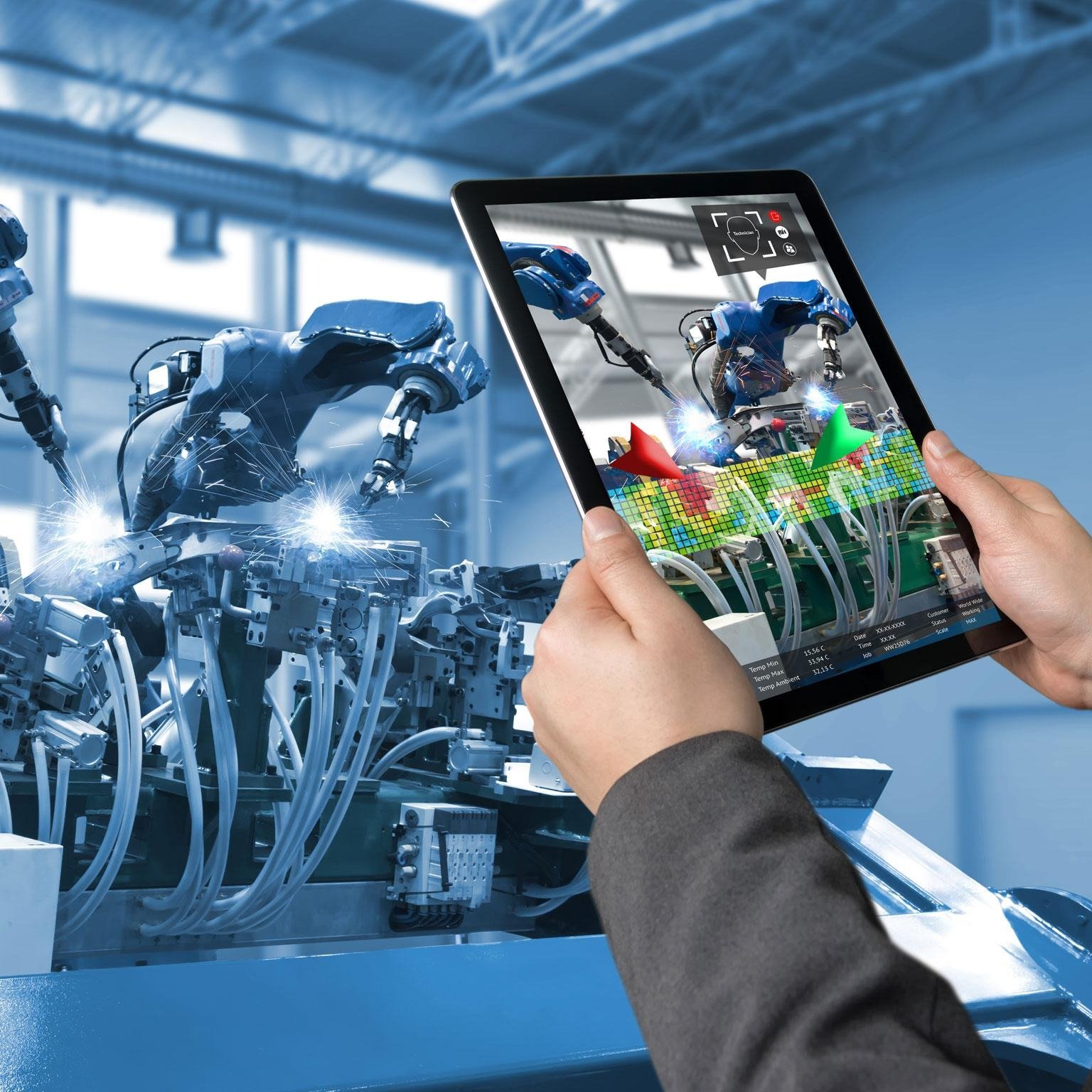
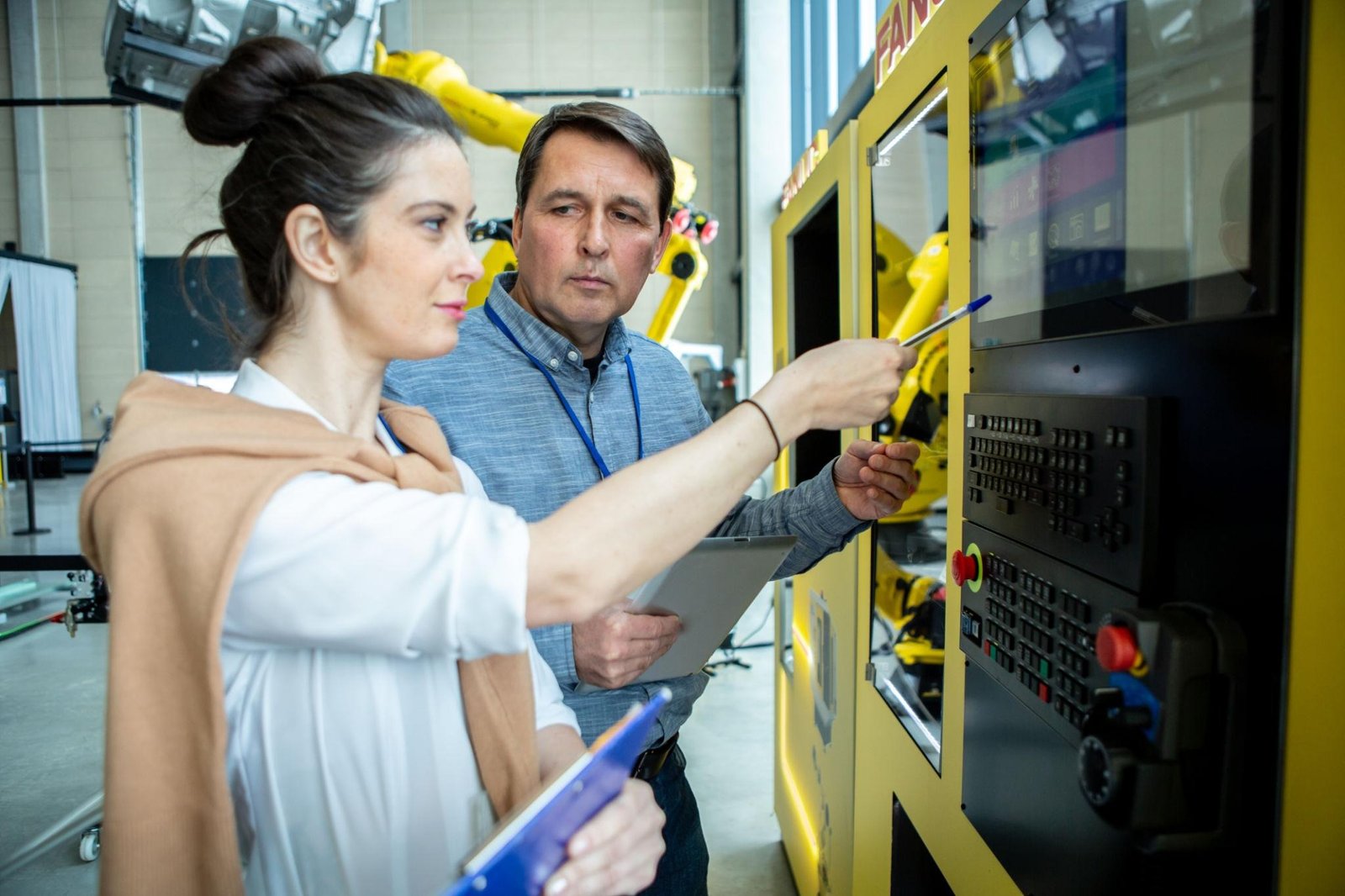
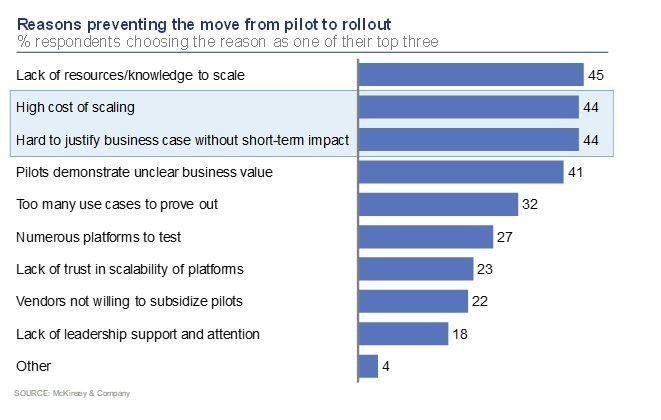


Many organizations successfully run pilots on:
- One machine
- One production line
- One department
The pilot delivers positive results.
Then progress stops.
Why?
Because scaling requires:
- Leadership commitment
- Process standardization
- Integration with existing systems
- Change management
A successful pilot creates value only when it becomes part of day-to-day operations.
5 Steps to Get Real Results from Industry 4.0
Step 1: Start with Business Outcomes
Before discussing technology, define the business challenge.
Examples include:
- Reduce downtime by 20%
- Improve first-pass yield by 15%
- Reduce energy costs by 10%
- Improve OTIF performance
When business objectives are clear, technology decisions become much easier.
Always start with the outcome, not the tool.
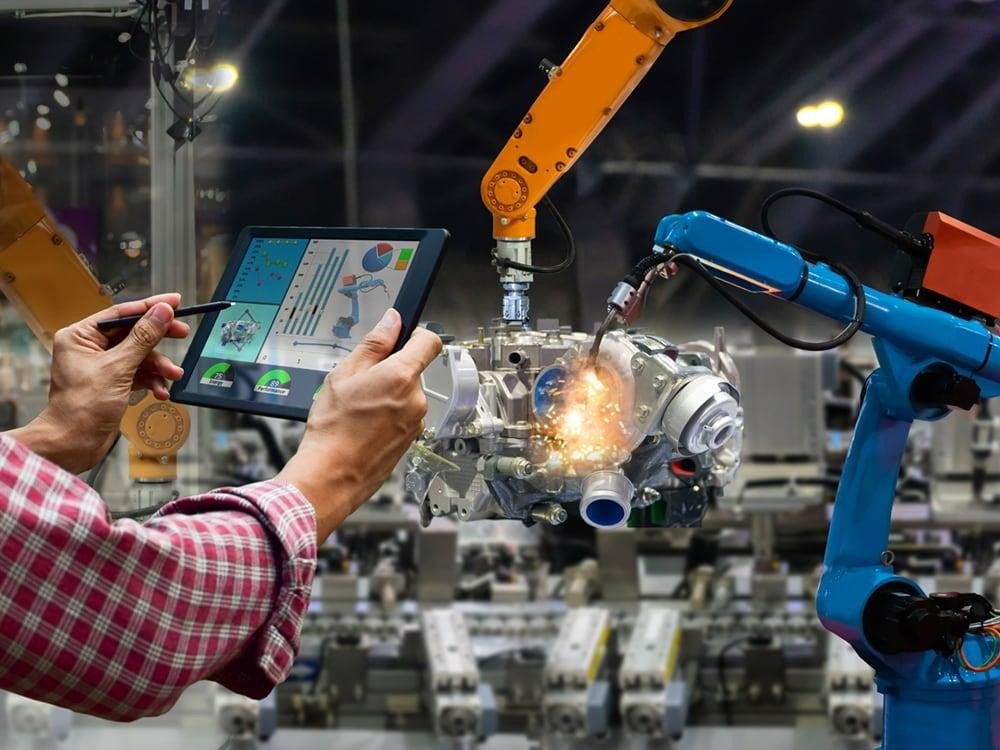
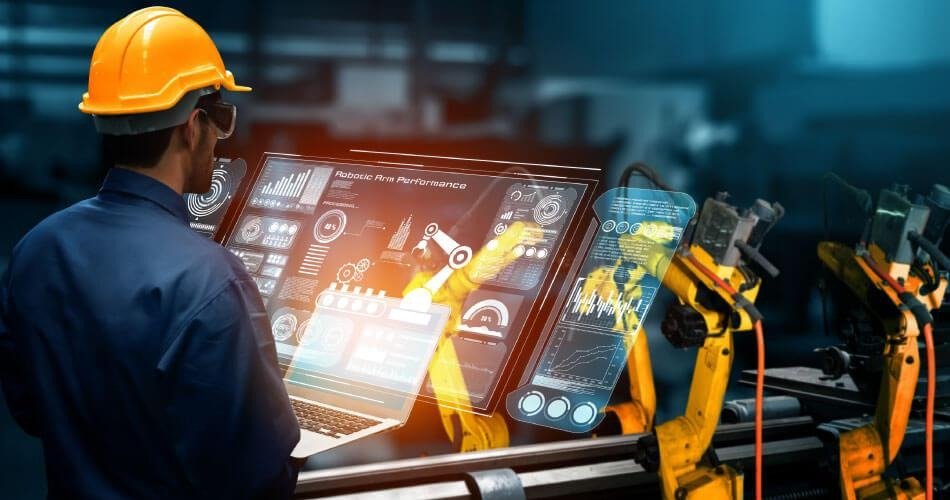
Step 2: Focus on High-Impact Use Cases


Many manufacturers attempt to transform everything at once.
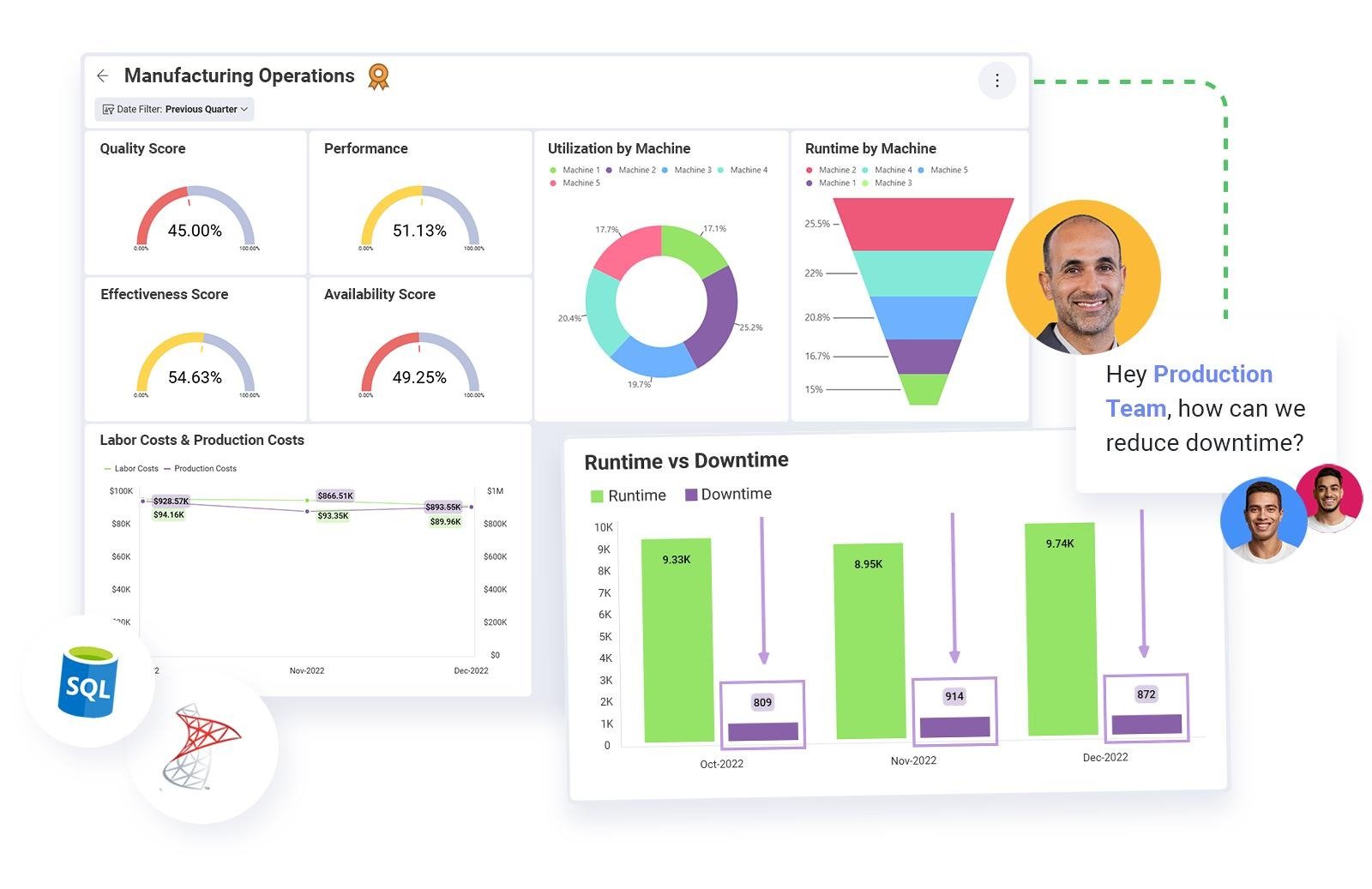
A better approach is to focus on a few high-impact areas.
Examples include:
Predictive Maintenance
Reducing unplanned downtime often delivers fast and measurable ROI.
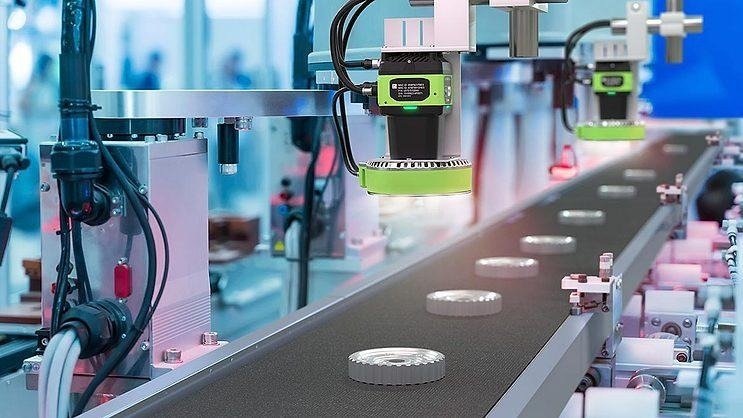
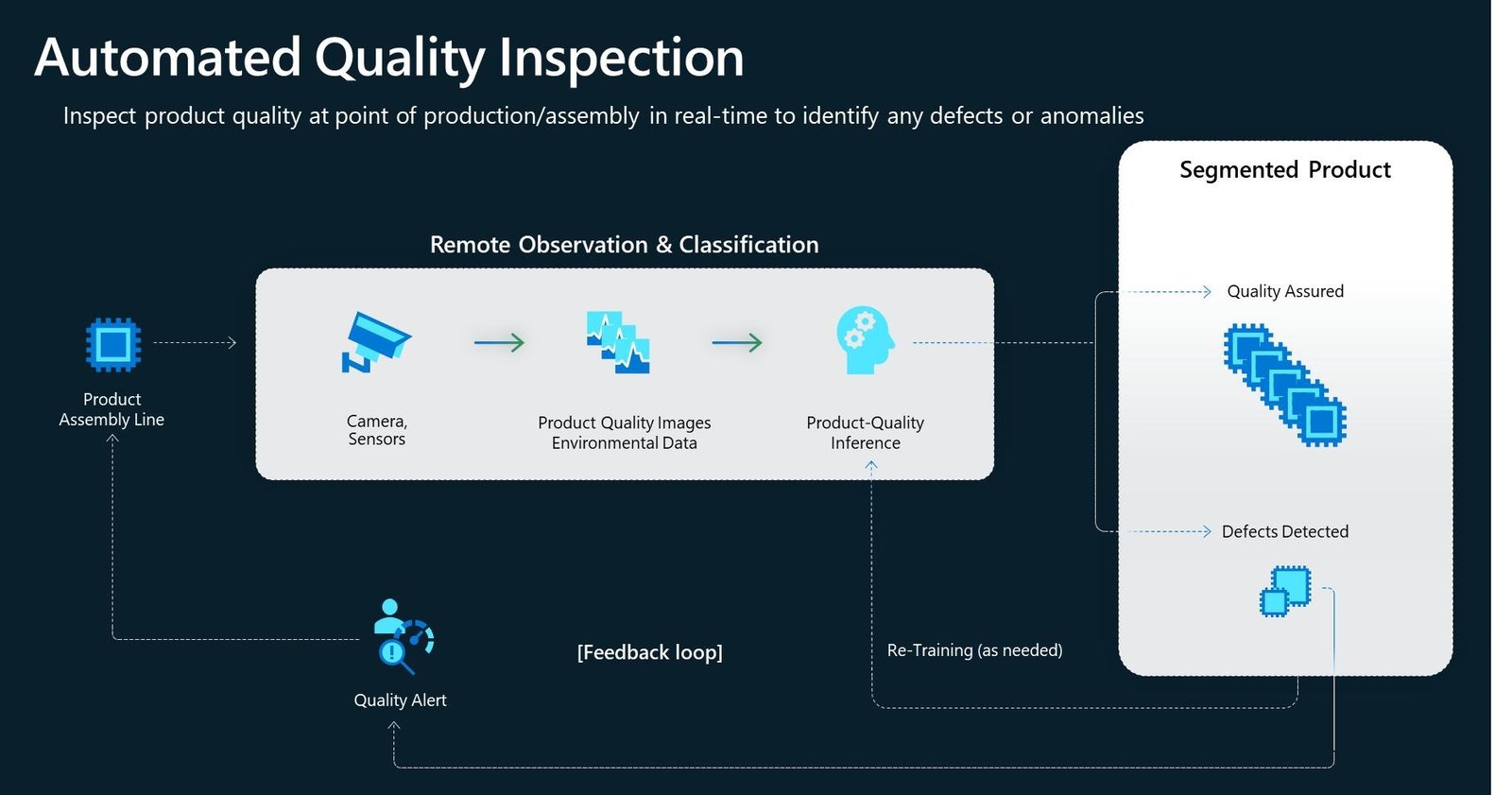
Quality Inspection
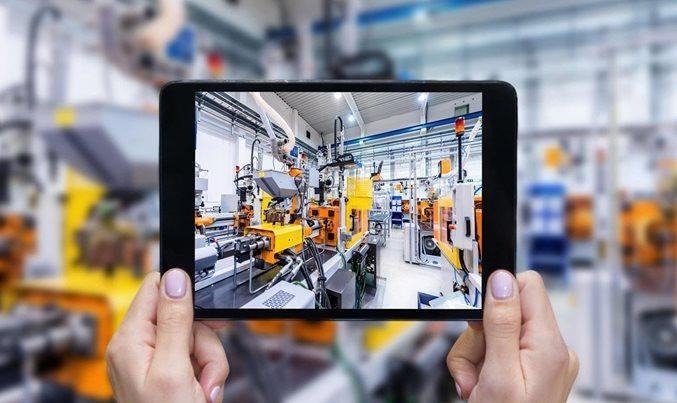
Computer vision systems can improve consistency while reducing defects.
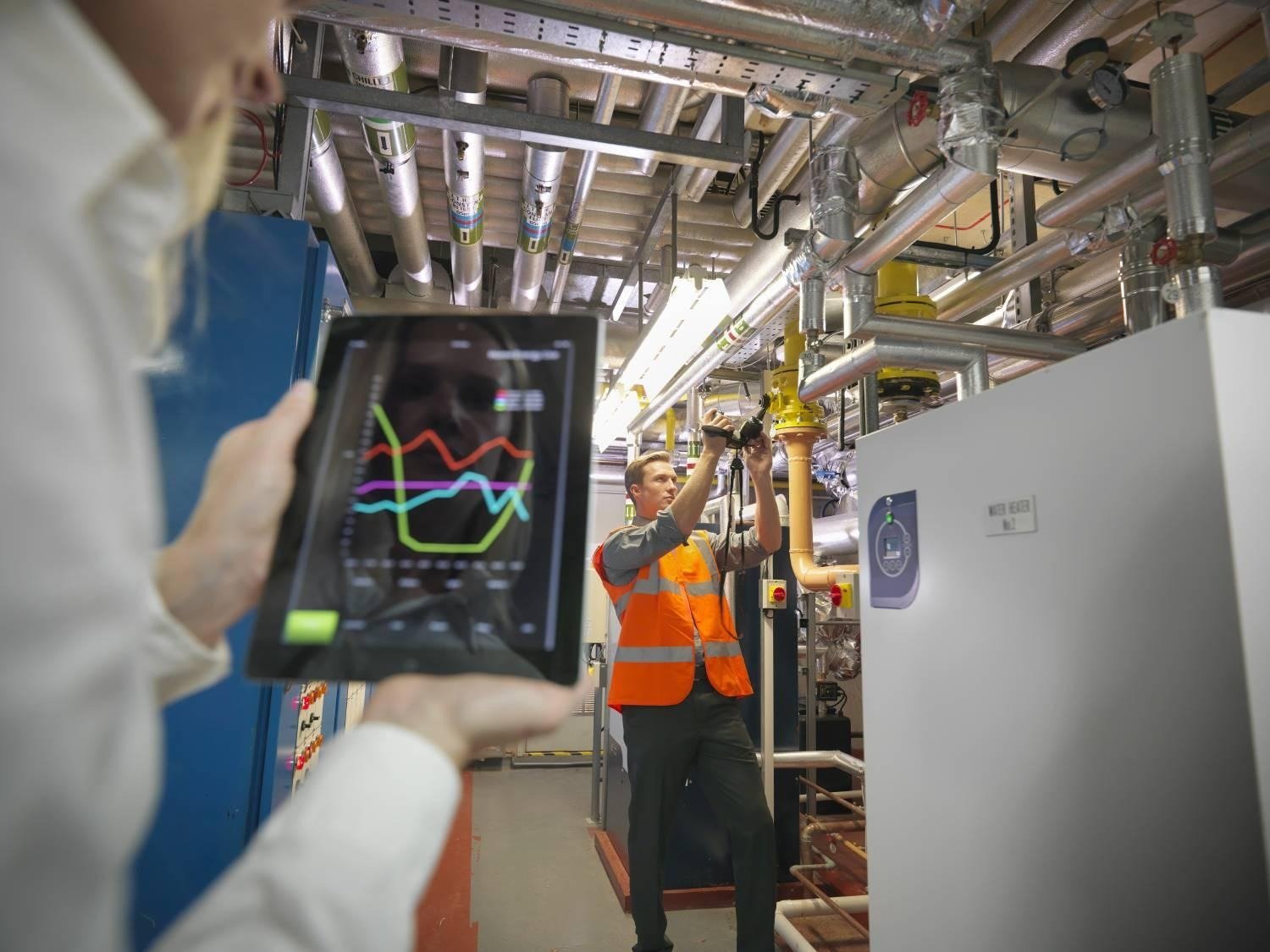
Energy Optimization
Real-time monitoring and AI can lower operating costs significantly.
Production Optimization
Advanced analytics can identify bottlenecks and improve throughput.
Starting small and scaling success is often more effective than launching large transformation programs.
Step 3: Build a Strong Data Foundation
Industry 4.0 depends on reliable data.
Manufacturers should focus on:
- Data quality
- Data integration
- Sensor deployment
- Real-time visibility
Many organizations discover that improving data infrastructure generates value even before advanced AI is introduced.
Think of data as the foundation of every Industry 4.0 initiative.
Step 4: Engage the Workforce
Technology adoption is ultimately a people challenge.
Successful manufacturers:
- Involve operators early
- Train employees continuously
- Communicate business goals
- Encourage collaboration
When employees understand how technology helps them perform better, adoption accelerates significantly.
Step 5: Build an Ecosystem, Not a Project
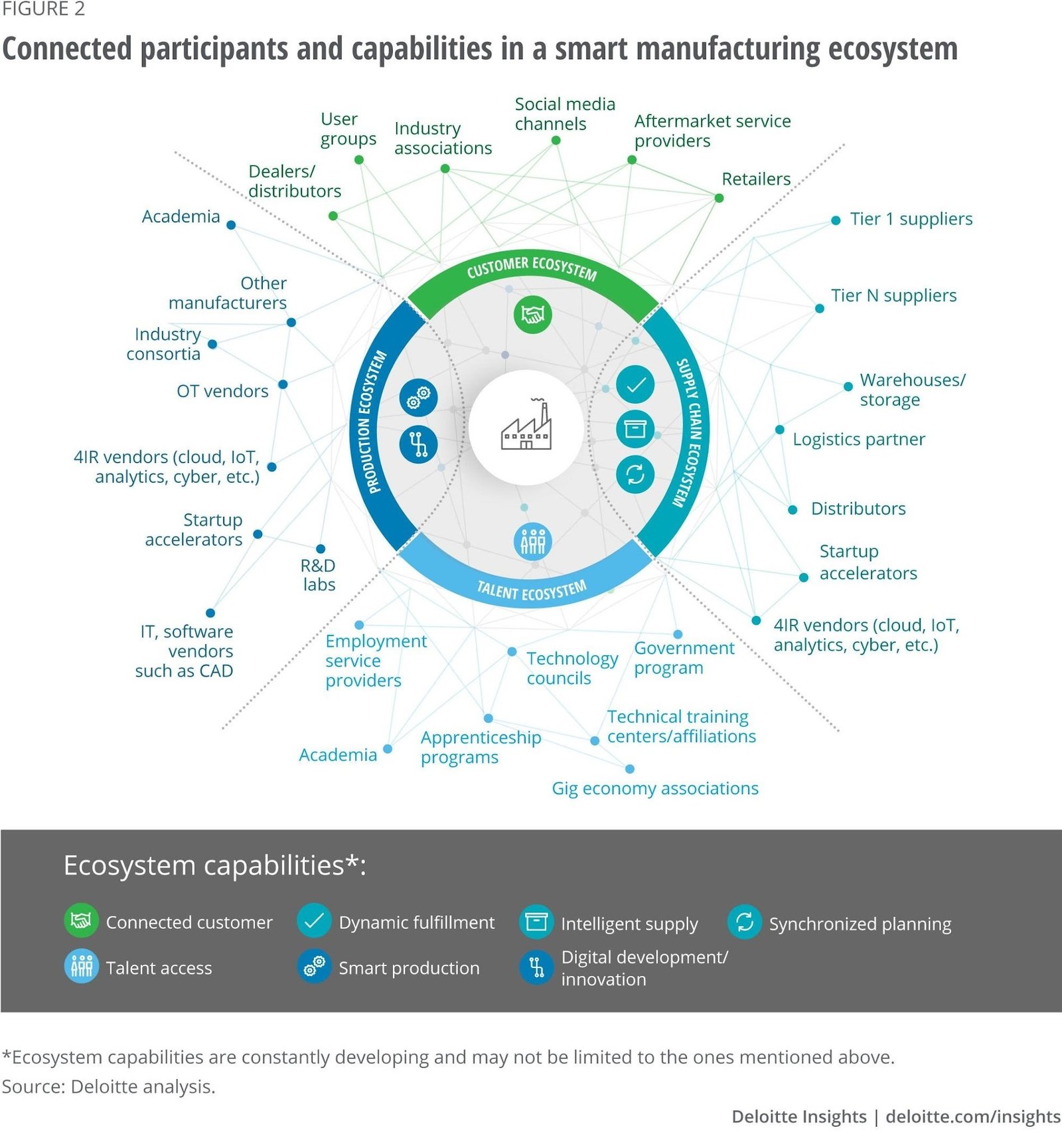



No organization possesses all the expertise required for successful Industry 4.0 transformation.
Manufacturers need collaboration between:
- Plant leaders
- Engineers
- Technology providers
- AI experts
- Academia
- Industry associations
The most successful organizations leverage ecosystems that help them learn faster and avoid common mistakes.
What Successful Manufacturers Do Differently
Organizations achieving strong Industry 4.0 outcomes typically:
- Focus on business value first
- Prioritize practical use cases
- Build strong data foundations
- Invest in workforce adoption
- Measure ROI continuously
- Scale proven successes systematically
They treat digital transformation as a long-term operational strategy rather than a technology project.
The manAIhub Approach
At manAIhub, we help manufacturers bridge the gap between Industry 4.0 ambition and operational reality.
Our ecosystem brings together:
- Plant Leaders and CXOs
- Engineers and Quality Heads
- Data and AI Experts
- Solution Providers
- Academia and Trade Associations
Across six strategic manufacturing tracks:
- Smart Maintenance
- Quality & Inspection
- Production Optimization
- Supply Chain & Planning
- Energy & Sustainability
- Workforce Augmentation
we focus on helping manufacturers identify practical use cases, implement solutions effectively, and achieve measurable business outcomes.
Final Thought
Industry 4.0 is not failing because the technology does not work.
It disappoints when organizations focus on technology deployment instead of business transformation.
The factories that succeed are not necessarily the most digital.
They are the ones that use digital technologies to solve real operational problems.
Bottom Line
Industry 4.0 investments create value when they are linked directly to business outcomes.
Manufacturers that focus on solving operational challenges, building strong data foundations, engaging their workforce, and scaling proven use cases will achieve far greater results than those simply chasing the latest technology trend.
The goal is not to build a smarter factory.
The goal is to build a smarter, more profitable, and more competitive manufacturing business.