
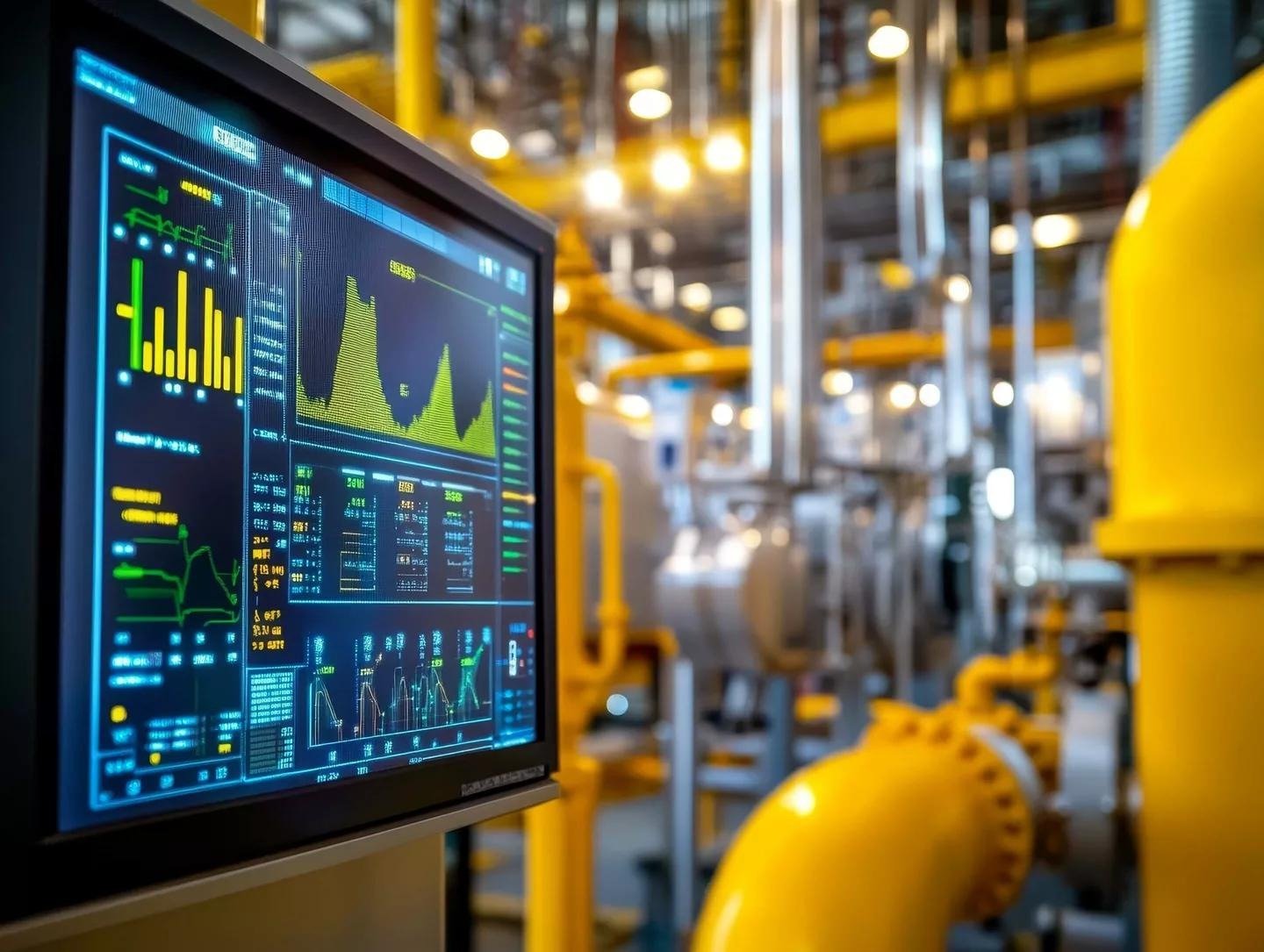
For decades, manufacturing has relied on physical raw materials—steel, chemicals, components to create value. But today, a new kind of raw material is transforming the industry:
Data
Just like traditional inputs, data is now being collected, processed, and transformed—only this time, it powers intelligence, efficiency, and competitive advantage.
From Physical Inputs to Digital Intelligence

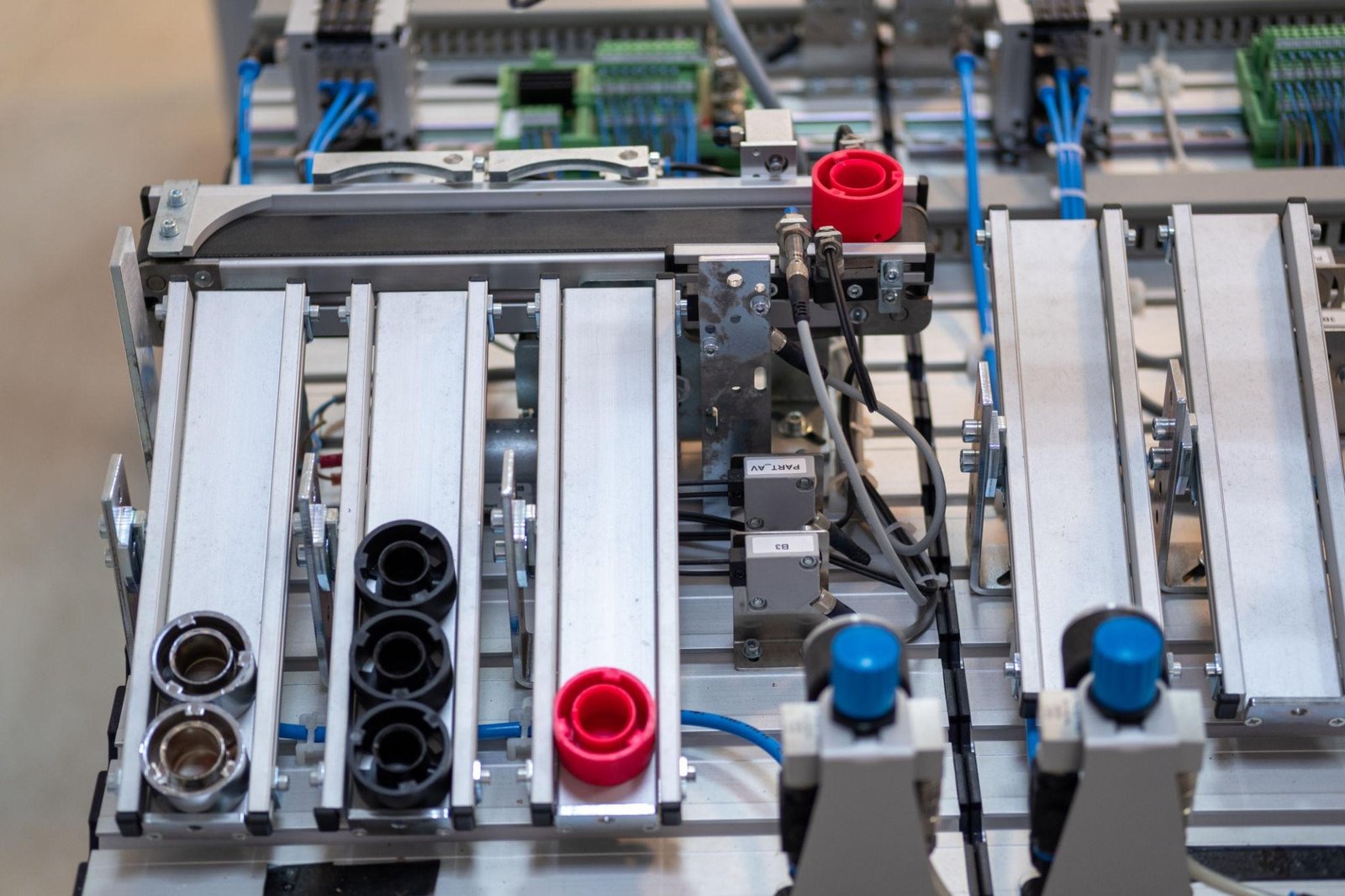

In modern factories, every machine, process, and operation generates data:
- Machine performance data
- Production output
- Quality metrics
- Energy consumption
- Operator inputs
Earlier, much of this data was either unused or siloed. Today, with AI and analytics, it is being turned into actionable insights.
Why Data is the “New Raw Material”
Data behaves like a raw material in three key ways:
1. It Needs to Be Collected
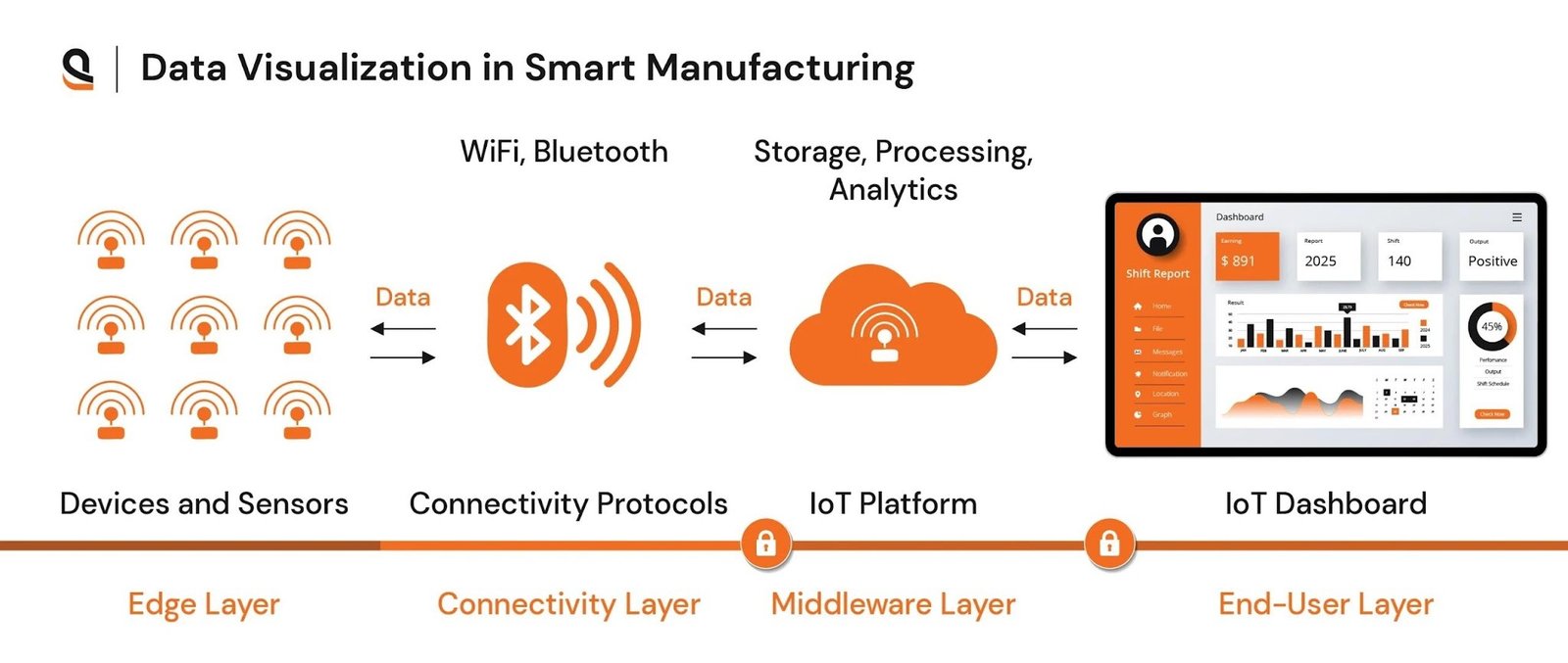
Just like sourcing physical materials, manufacturers must gather data from:
- Sensors (IoT devices)
- Machines (PLC/SCADA systems)
- ERP and MES systems
2. It Needs to Be Processed
Raw data is not useful on its own. It must be:
- Cleaned
- Structured
- Analyzed
This is where AI and advanced analytics come into play.
3. It Creates Value When Refined
Once processed, data becomes:
- Predictive insights
- Optimization recommendations
- Decision support
Just like raw material becomes a finished product, data becomes intelligence
Where Data is Driving Real Impact
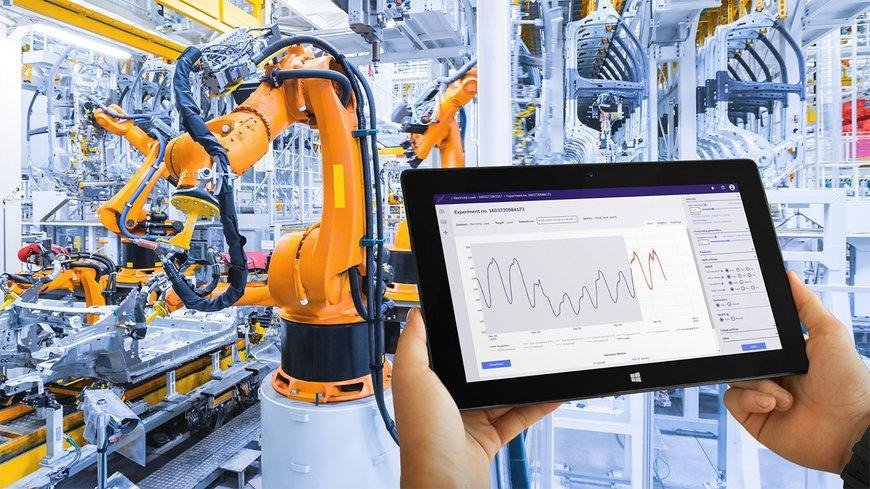
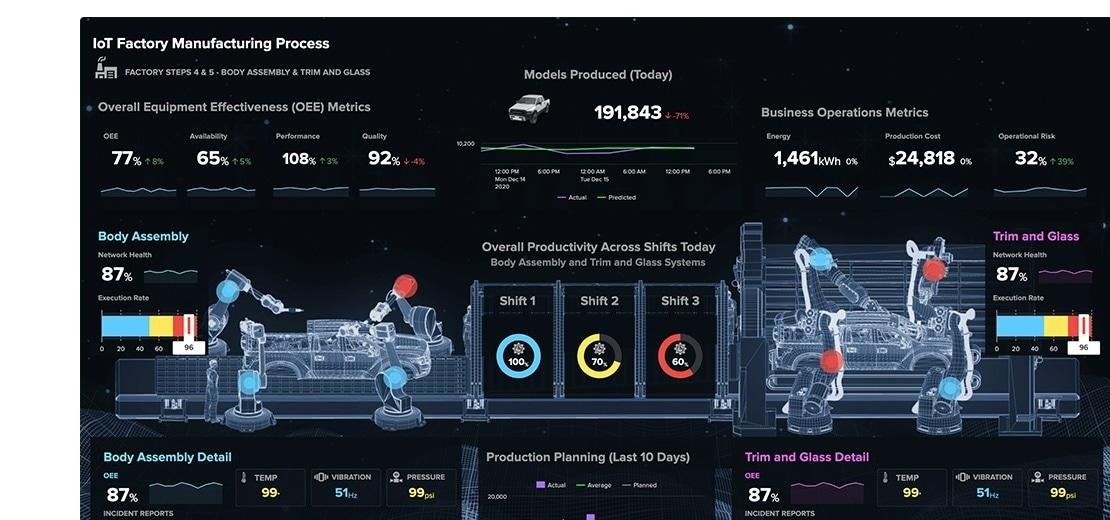

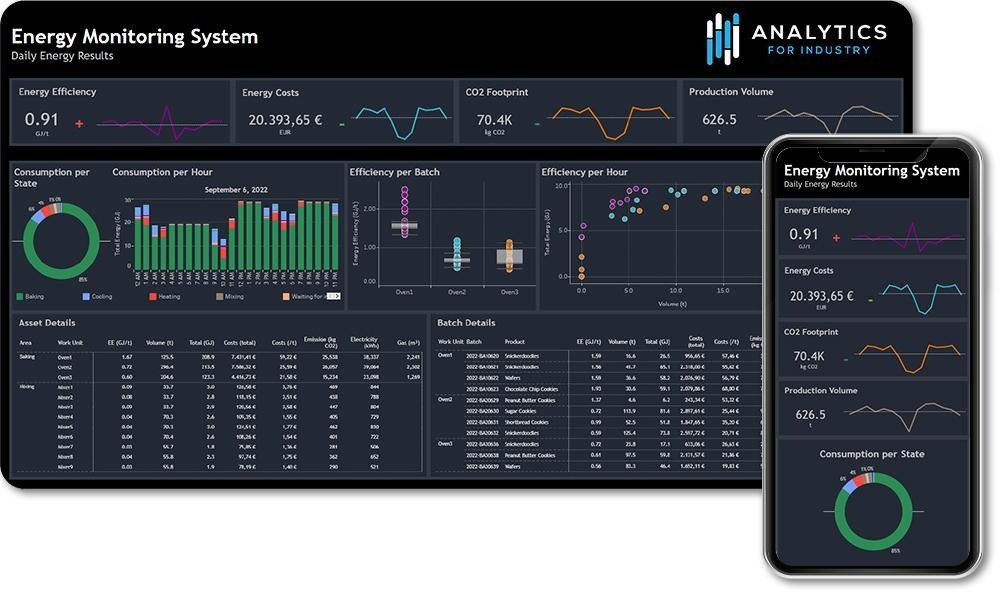
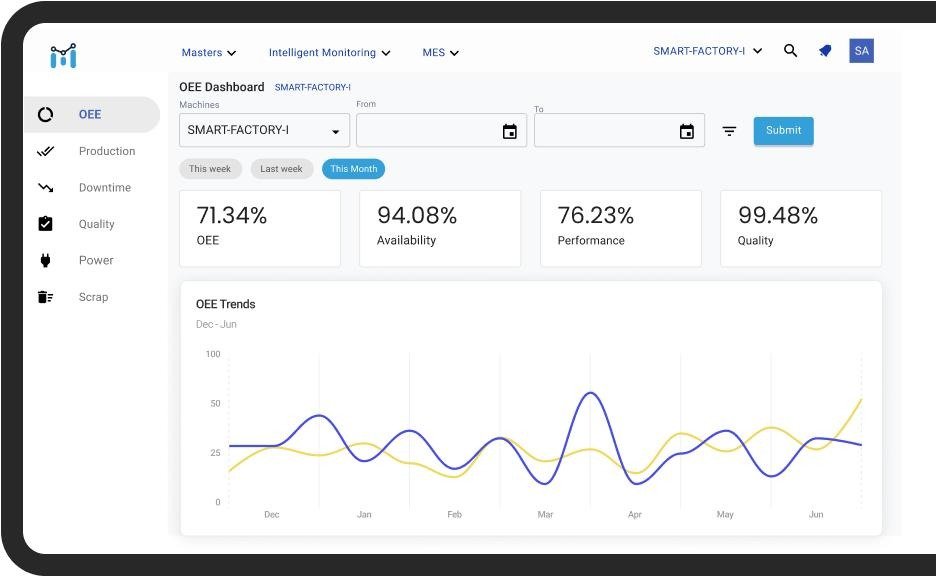
Smart Maintenance
Data from sensors helps predict equipment failures before they happen.
Quality & Inspection
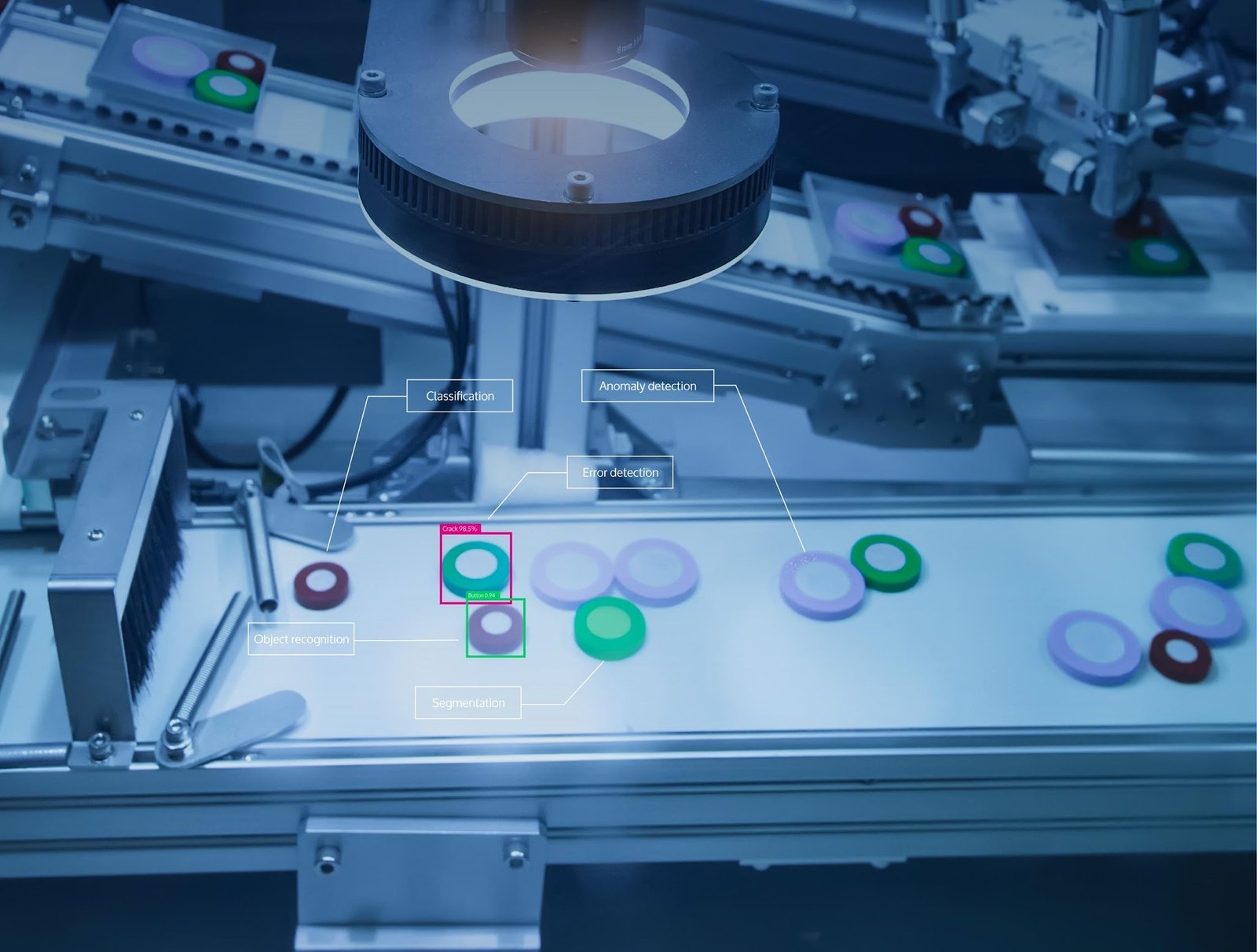
Image and process data enable AI to detect defects in real time.
Production Optimization
Production data reveals bottlenecks and inefficiencies.
Energy & Sustainability
Energy data helps reduce waste and optimize consumption.
Supply Chain & Planning
Demand and inventory data improve forecasting and planning.
The Competitive Advantage of Data-Driven Manufacturing
Manufacturers who effectively use data can:
- Make faster and better decisions
- Reduce operational inefficiencies
- Improve product quality
- Respond quickly to market changes
- Scale innovation
In short, data-driven factories outperform traditional ones
The Reality: Data Alone is Not Enough
While data is powerful, many manufacturers struggle because:
- Data is fragmented across systems
- Poor data quality reduces accuracy
- Lack of expertise in analytics and AI
- No clear strategy for using data
Simply collecting data does not create value—using it effectively does
Building a Data-Driven Manufacturing Ecosystem
To truly leverage data, manufacturers need:
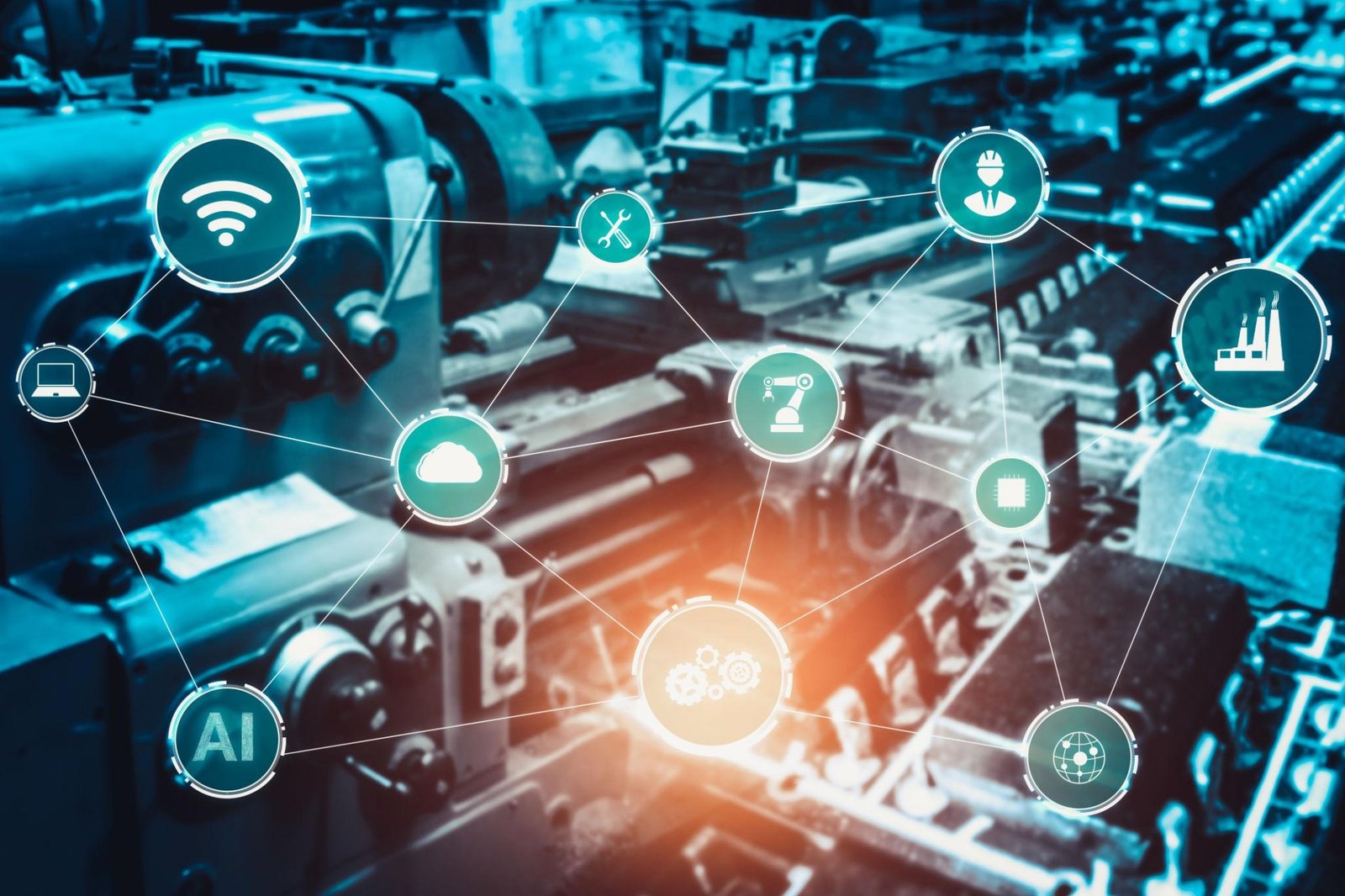
- Connected systems (IoT, MES, ERP integration)
- Analytics and AI capabilities
- Skilled talent (data + domain expertise)
- Clear use-case-driven approach
This requires collaboration across multiple stakeholders.
The Role of Platforms Like manAIhub
Transforming data into value is not a solo effort.
Platforms like manAIhub enable:
- Sharing of real-world use cases
- Collaboration between manufacturers and AI experts
- Faster implementation of data-driven solutions
Turning data into impact—not just dashboards
Final Thought
In the past, competitive advantage came from access to better machines and materials.
Today, it comes from how well you use your data.
Manufacturers who treat data as a strategic asset—just like raw materials—will lead the next wave of industrial transformation.