
A manAIhub Perspective
Sustainability is no longer just a corporate responsibility initiative. It is becoming a business requirement.
Across the world, manufacturers are facing increasing pressure from customers, investors, regulators, and supply chain partners to reduce their environmental impact and improve transparency around carbon emissions.
In India, this shift is accelerating as companies prepare for stricter sustainability reporting requirements, global export expectations, ESG commitments, and carbon-related regulations.
For many manufacturers, especially MSMEs, the challenge can feel overwhelming.
Questions like these are becoming increasingly common:
- How do we measure our carbon footprint?
- Where should we start?
- Do we need expensive technology investments?
- How can we meet sustainability goals without affecting profitability?
The good news is that sustainability does not have to start with large-scale transformation projects.
At manAIhub, we believe manufacturers can make significant progress by focusing on practical, measurable improvements that deliver both environmental and business value.
Why Sustainability Matters More Than Ever

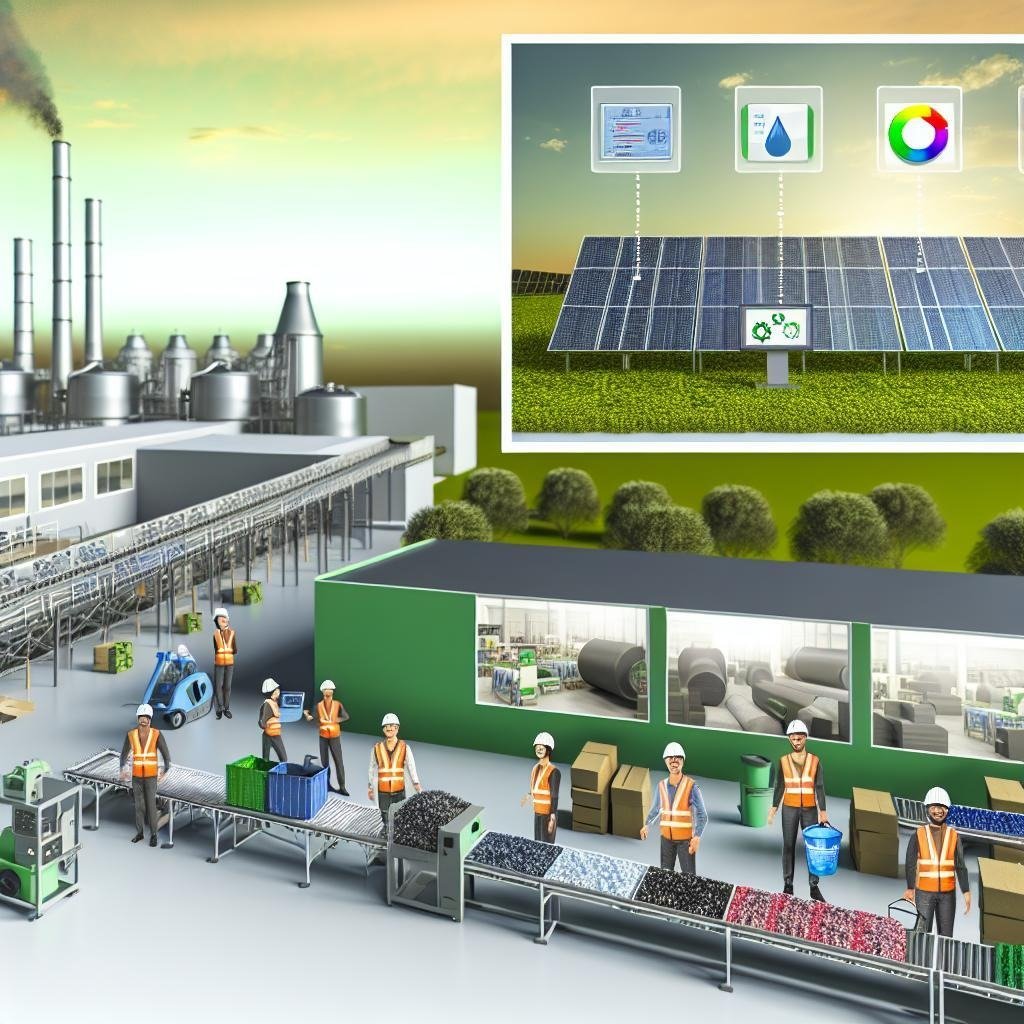
Manufacturers today face growing expectations from:
- Global customers
- Export markets
- Investors
- Regulators
- Supply chain partners
Increasingly, organizations are being asked to report on:
- Energy consumption
- Carbon emissions
- Waste generation
- Water usage
- Sustainability initiatives
Companies that fail to adapt may face:
- Reduced competitiveness
- Higher compliance costs
- Difficulty accessing international markets
- Increased pressure from customers and stakeholders
Sustainability is rapidly becoming a competitive advantage.
Understanding the Carbon Challenge
Most manufacturing emissions come from:
Energy Consumption
Electricity usage from machines, utilities, HVAC systems, and production equipment often represents the largest source of emissions.
Fuel Usage
Diesel generators, boilers, furnaces, and transportation fleets contribute significantly to carbon output.
Material Waste
Scrap, rejected products, and inefficient material usage increase both costs and environmental impact.
Supply Chain Activities
Raw material sourcing, transportation, and logistics contribute to a manufacturer’s overall carbon footprint.
Understanding where emissions originate is the first step toward reducing them.
5 Easy Steps to Meet Sustainability and Carbon Goals
Step 1: Start Measuring What Matters
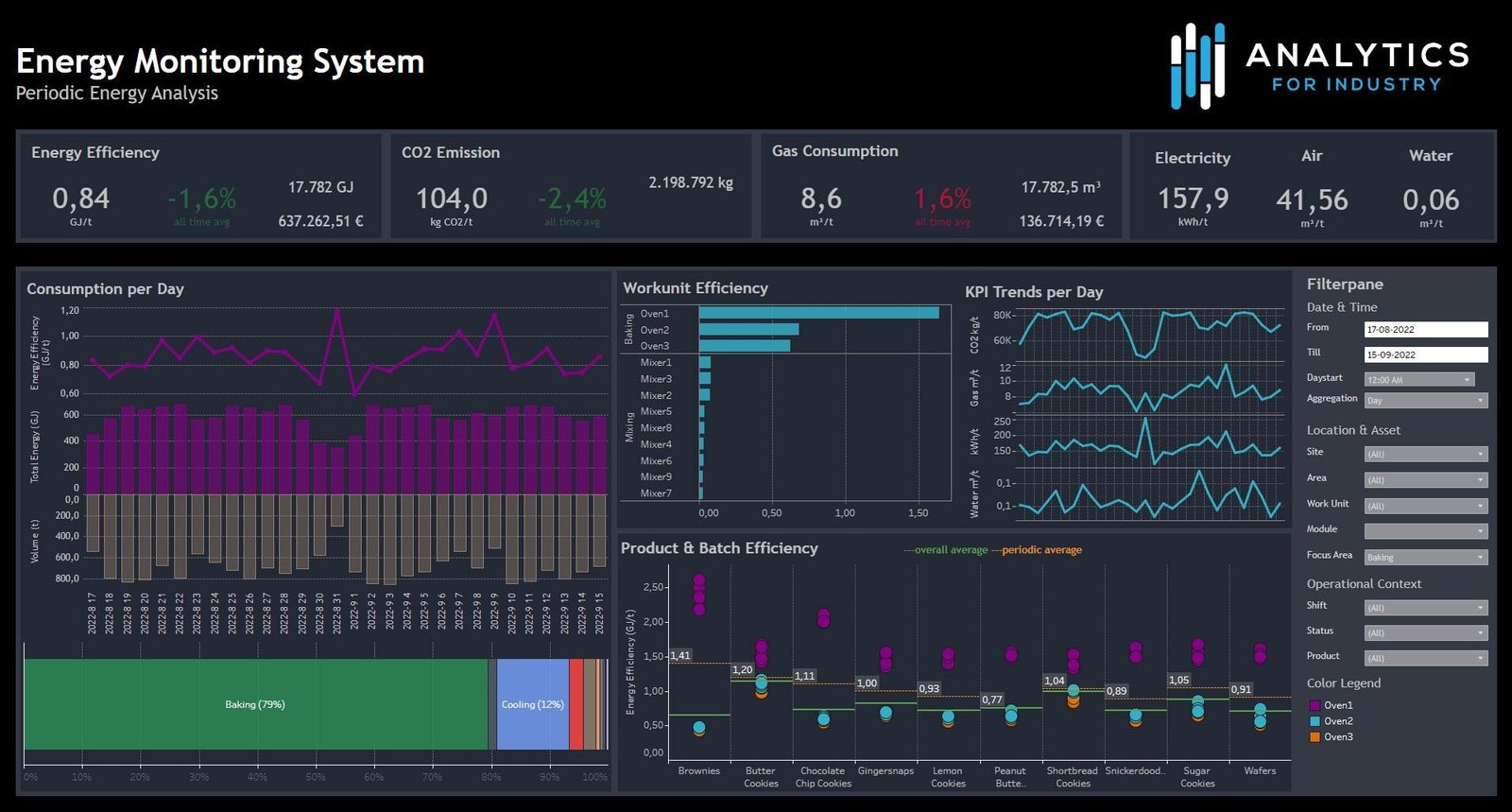
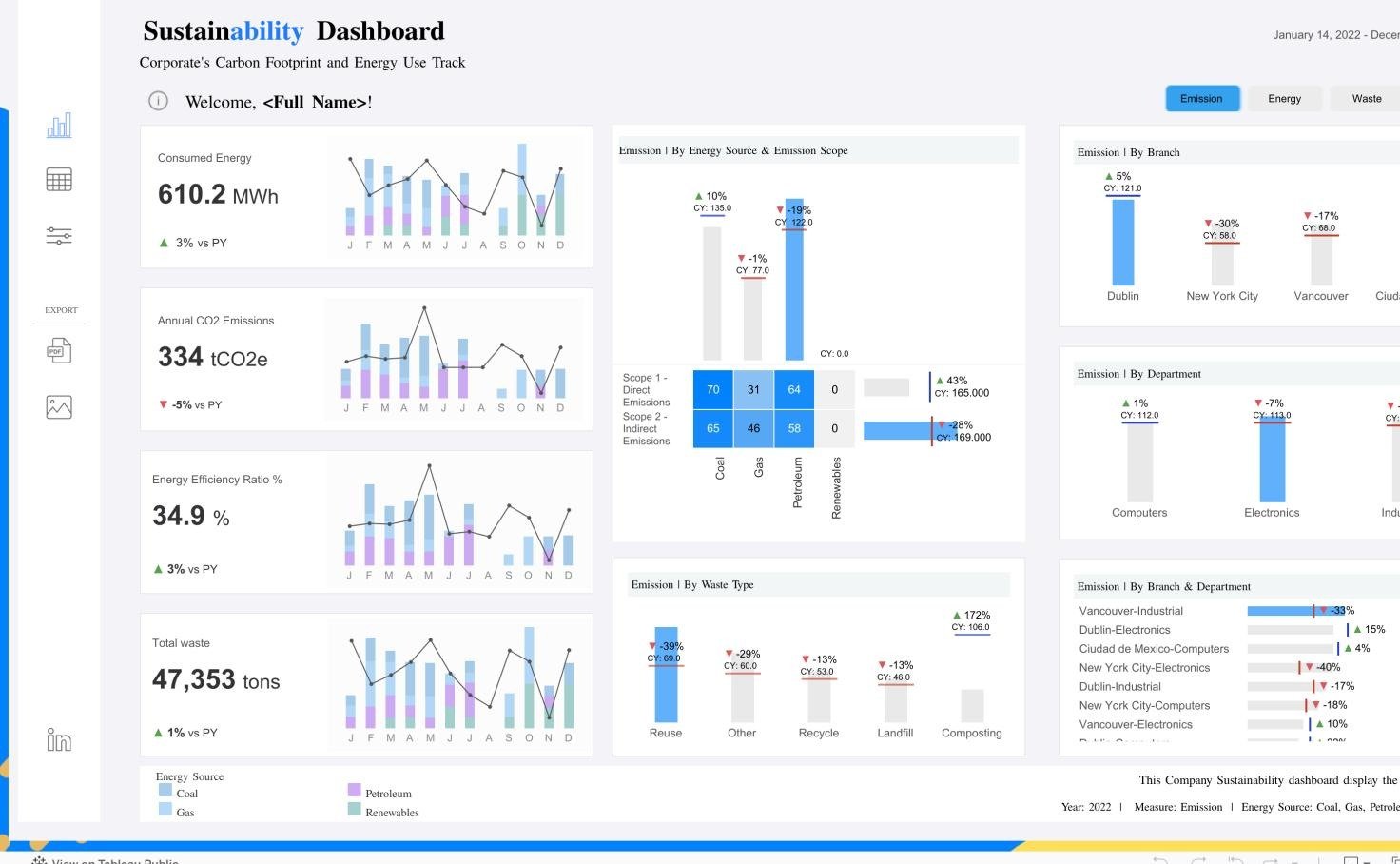

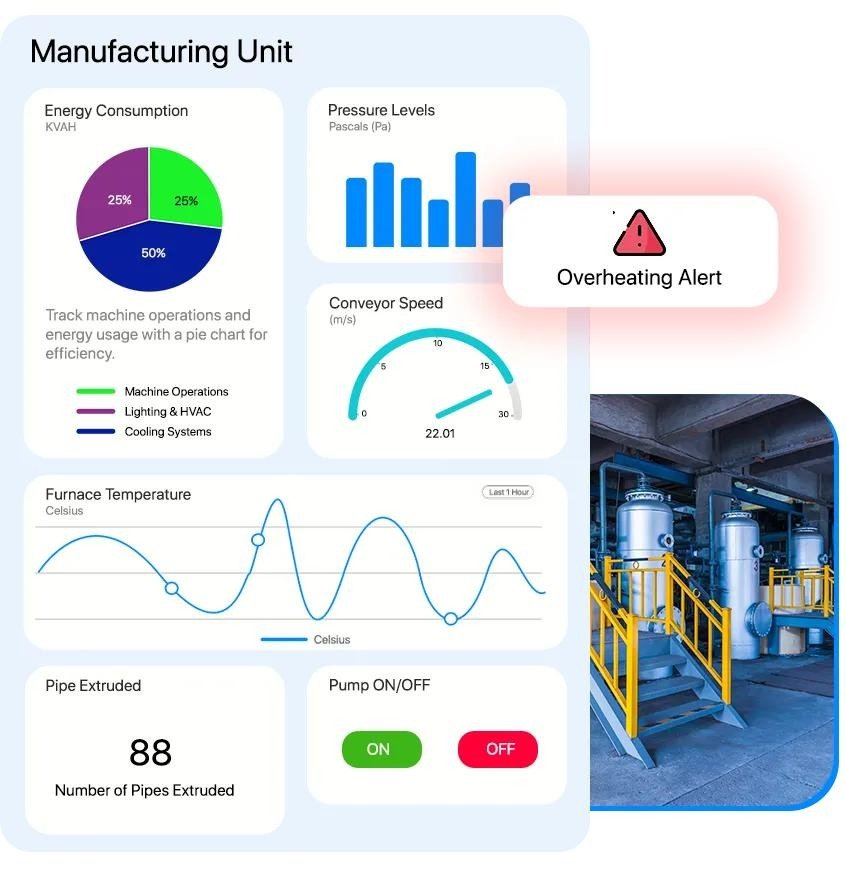
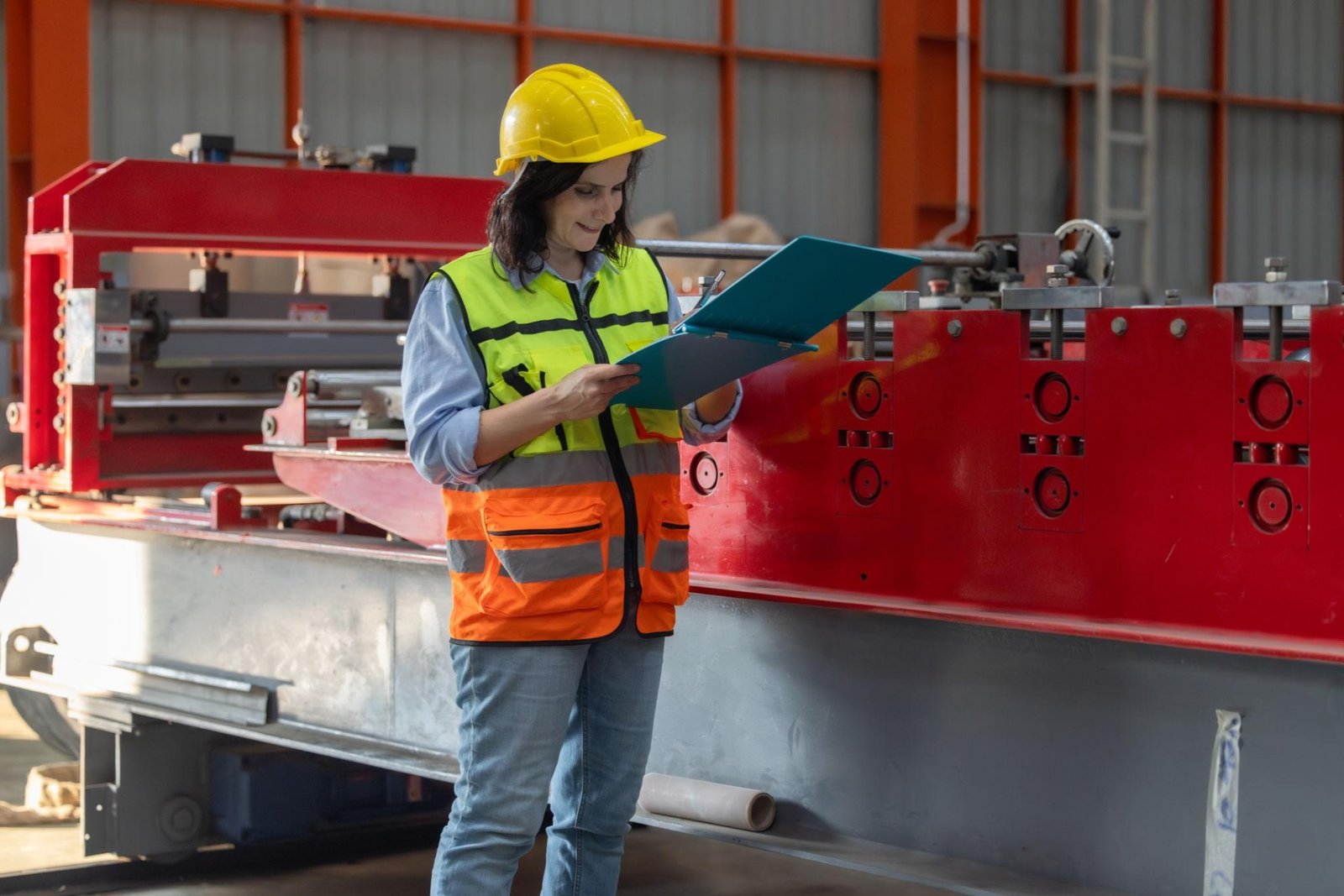
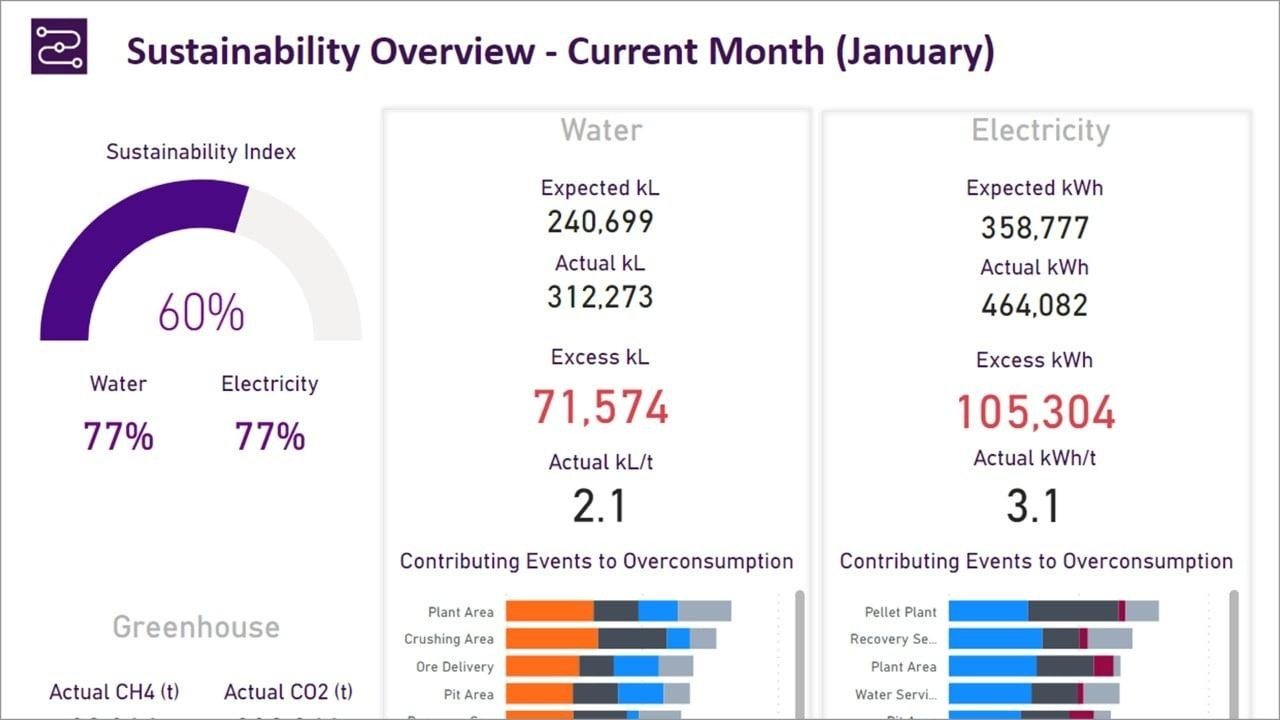
Many manufacturers try to improve sustainability without first understanding their current performance.
The first step is simple:
Measure.
Track key metrics such as:
- Electricity consumption
- Fuel usage
- Water consumption
- Waste generation
- Production efficiency
You cannot improve what you do not measure.
Even basic monitoring often reveals significant opportunities for improvement.
Step 2: Reduce Energy Waste
Energy efficiency is often the fastest and most cost-effective sustainability initiative.
Common opportunities include:
Optimizing Machine Utilization
Machines running unnecessarily during idle periods consume significant amounts of electricity.
Improving Equipment Maintenance
Poorly maintained motors, compressors, and production equipment often consume more energy than required.
Upgrading Lighting Systems
Switching to LED lighting and intelligent controls can generate immediate savings.
Monitoring Utility Systems
Compressed air systems, HVAC units, and cooling systems are often major sources of hidden energy losses.
Reducing energy waste lowers both operational costs and carbon emissions simultaneously.
Step 3: Use Data and AI to Improve Efficiency
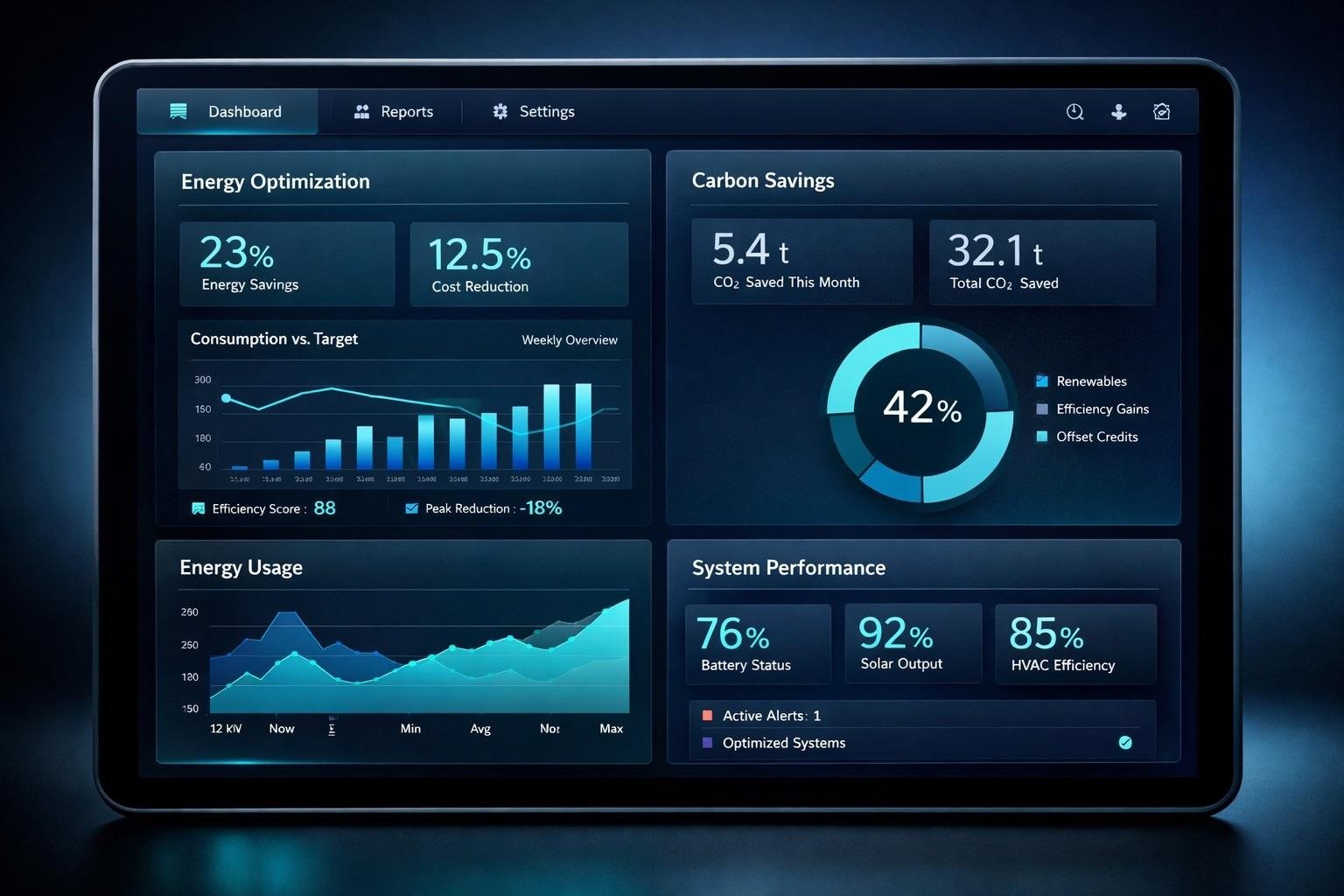
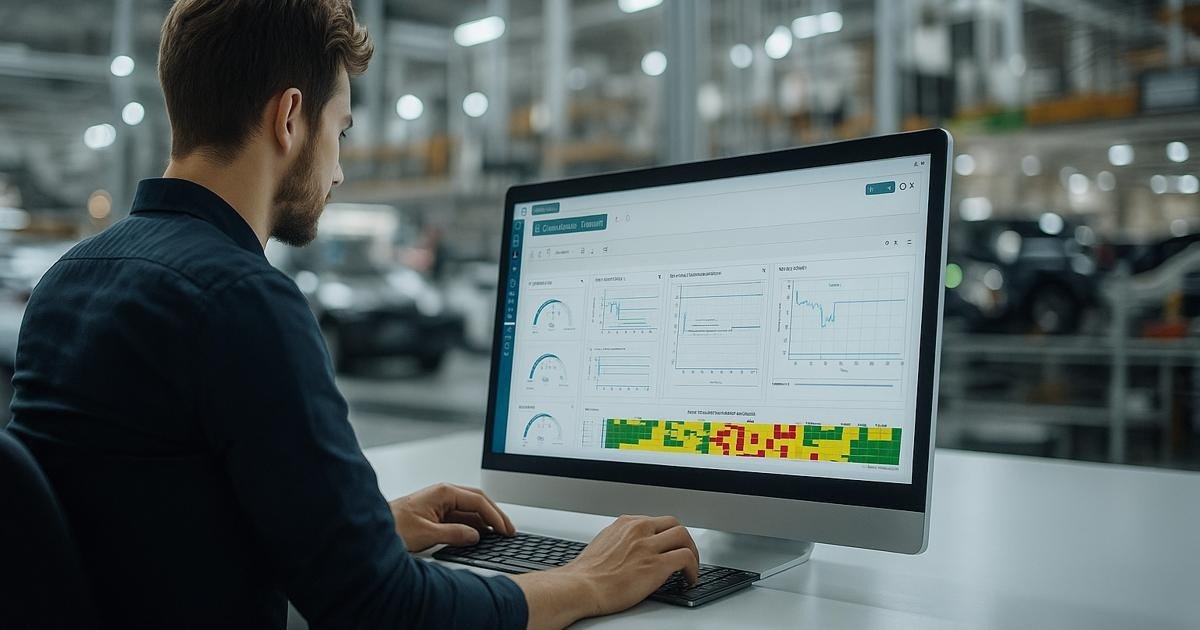

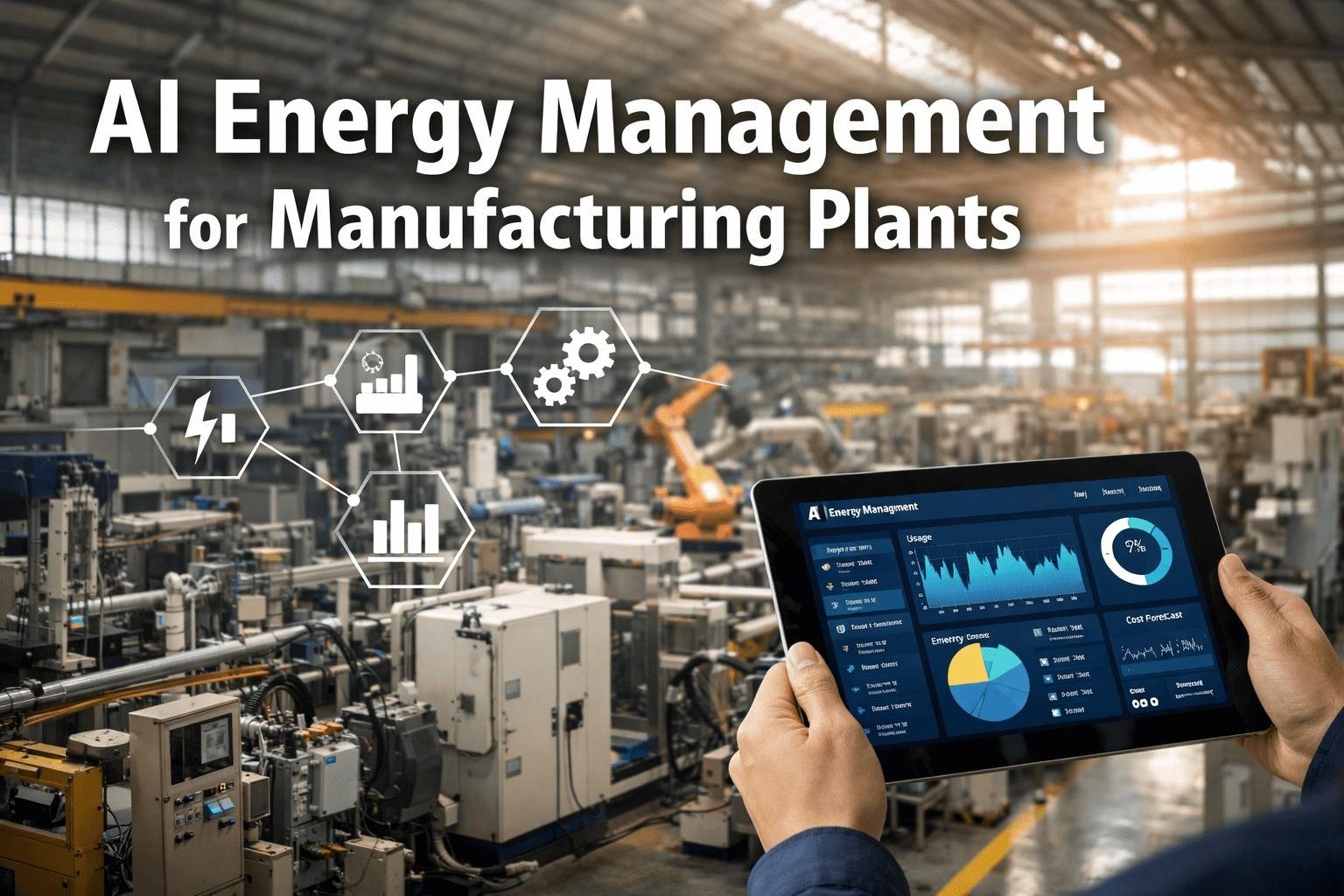
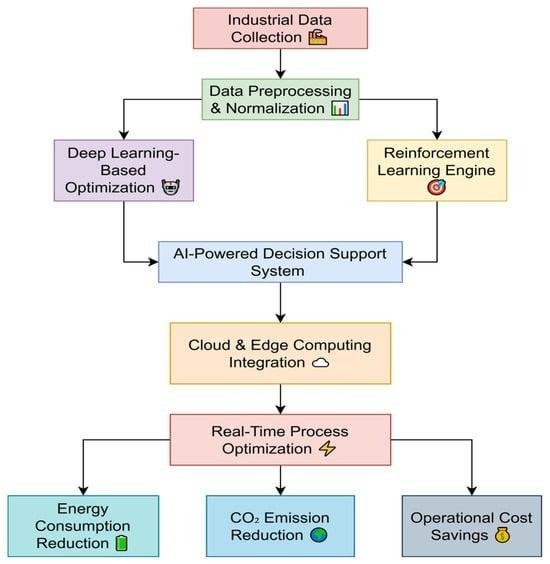
AI is becoming a powerful tool for sustainability improvement.
Manufacturers can use AI to:
Optimize Energy Consumption
AI systems identify patterns of energy waste and recommend corrective actions.
Improve Production Efficiency
Reducing downtime, bottlenecks, and process inefficiencies lowers resource consumption.
Predict Equipment Failures
Predictive maintenance prevents energy losses caused by underperforming equipment.
Monitor Sustainability KPIs
AI-powered dashboards provide real-time visibility into energy and emissions performance.
Sustainability and operational efficiency often improve together.
Step 4: Reduce Waste Across Operations
Waste reduction is one of the simplest ways to improve sustainability while protecting profitability.
Focus on:
Material Waste
Reduce scrap and rework through improved quality processes.
Packaging Waste
Optimize packaging materials and eliminate unnecessary usage.
Water Waste
Monitor consumption and identify opportunities for reuse and recycling.
Process Waste
Improve workflows to minimize unnecessary resource consumption.
Every kilogram of waste avoided reduces both environmental impact and operational costs.
Step 5: Engage Employees and Suppliers
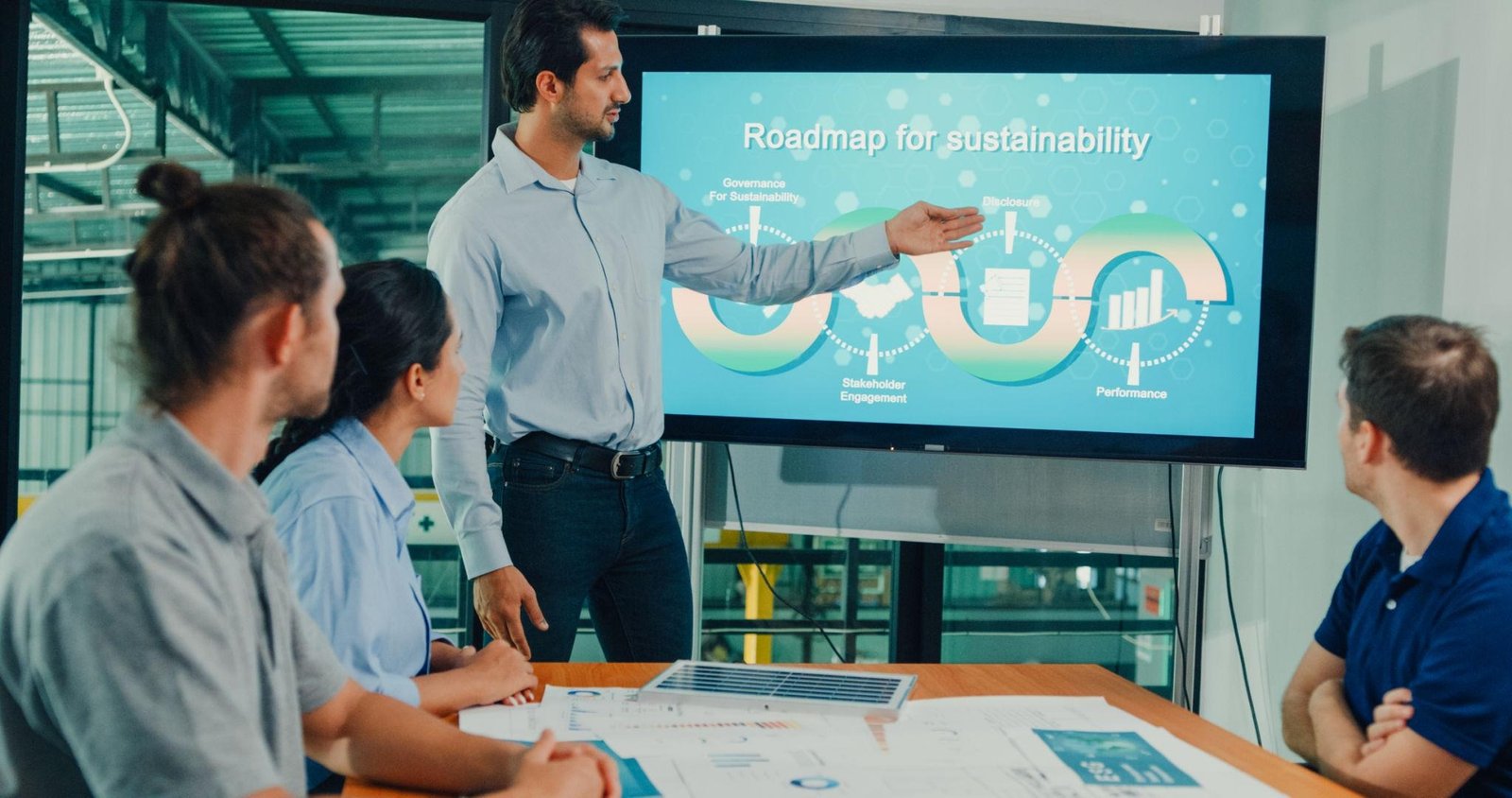



Sustainability cannot be achieved through technology alone.
It requires participation across the organization.
Manufacturers should:
Involve Employees
Encourage teams to identify energy-saving and waste-reduction opportunities.
Educate the Workforce
Help employees understand how their daily actions impact sustainability goals.
Collaborate with Suppliers
Work with suppliers to improve:
- Material sourcing
- Packaging practices
- Transportation efficiency
The most successful sustainability programs involve the entire ecosystem.
Common Mistakes Manufacturers Should Avoid
Treating Sustainability as a Compliance Exercise
Organizations that focus only on reporting requirements often miss opportunities for operational improvement.
Waiting for Perfect Data
Many manufacturers delay action because they believe they need sophisticated systems before starting.
Begin with available information and improve gradually.
Ignoring Operational Benefits
Sustainability initiatives frequently generate:
- Lower energy costs
- Improved efficiency
- Better resource utilization
- Stronger profitability
They are often business improvement initiatives as much as environmental initiatives.
Trying to Solve Everything at Once
Focus on a few high-impact areas first.
Small wins build momentum and confidence.
The manAIhub Approach
At manAIhub, Energy & Sustainability is one of our six strategic manufacturing tracks.
We help manufacturers explore practical approaches to:
- Energy optimization
- Carbon reduction
- Sustainability reporting
- Resource efficiency
- AI-driven environmental improvement
By bringing together:
- Plant Leaders and CXOs
- Engineers and Quality Heads
- Data and AI Experts
- Solution Providers
- Academia and Trade Associations
manAIhub enables manufacturers to learn from real-world sustainability initiatives and accelerate implementation.
Final Thought
Sustainability is often viewed as a cost.
In reality, it is increasingly becoming a driver of competitiveness.
Manufacturers that improve energy efficiency, reduce waste, and adopt data-driven sustainability practices are likely to be better positioned for future growth.
The organizations that act early will find it easier to adapt to evolving customer expectations, regulatory requirements, and global market demands.
Bottom Line
Meeting sustainability and carbon goals does not require massive investments or complex transformation programs.
By focusing on:
- Measuring performance
- Reducing energy waste
- Using AI and data effectively
- Minimizing operational waste
- Engaging employees and suppliers
manufacturers can make meaningful progress toward sustainability while improving profitability and operational performance.
The journey toward greener manufacturing starts with small, practical steps—and the best time to start is now.